
Your backyard should be a sanctuary—a place where you can unwind after a long day, listen to the birds, or enjoy a quiet conversation. But for many homeowners, that tranquility is shattered by a persistent, mechanical drone coming from next door. The constant hum of a neighbor’s pool pump can be incredibly disruptive, turning a peaceful afternoon into a test of patience. It’s a common frustration, but it doesn’t mean you are doomed to wear earplugs every time you step outside.
Addressing noise pollution requires a mix of diplomacy, ingenuity, and sometimes a bit of construction. Whether the sound is a low-level annoyance or a loud grinding that keeps you up at night, there are practical steps you can take to reclaim your quiet space. This guide is designed to provide you with effective strategies on how to block neighbors pool pump noise, ranging from simple, immediate fixes to long-term soundproofing projects that will restore peace to your property.
Understanding Pool Pump Noise
Why Are Pool Pumps So Loud?
To solve the problem, it helps to understand exactly what you are fighting. A pool pump is essentially a powerful electric motor attached to an impeller that moves thousands of gallons of water per hour. This process creates noise in two distinct ways. First, there is the airborne noise generated by the motor itself—the fan spinning and the electrical hum. Second, and often more intrusive, is the structure-borne vibration. As the pump operates, it vibrates against the concrete pad it sits on, sending low-frequency sound waves traveling through the ground and into nearby structures. These low-frequency sounds are particularly hard to block because they can travel long distances and penetrate standard fences.
Normal Noise vs. Problematic Noise
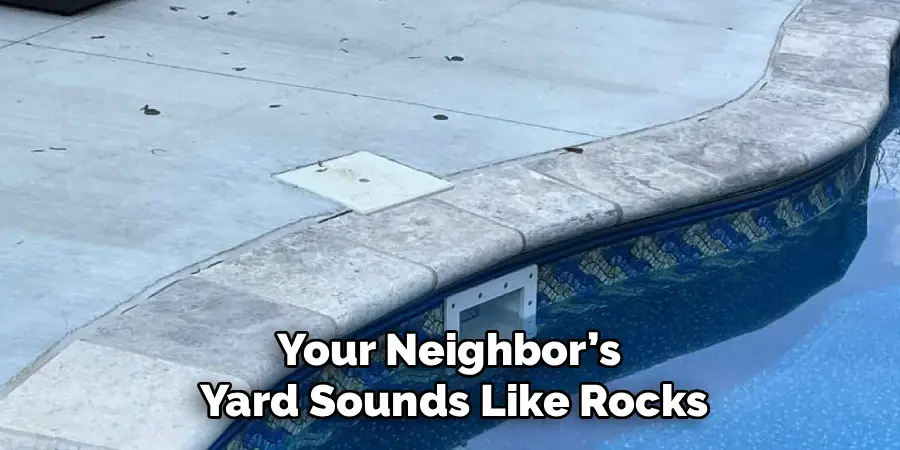
Not all pump noises are created equal. A modern, well-maintained pump should produce a steady, relatively quiet hum. However, if the noise from your neighbor’s yard sounds like rocks in a blender, a high-pitched screech, or a loud rattling, the issue might be mechanical rather than environmental. Worn-out bearings, a clogged impeller, or a pump that isn’t bolted down securely can amplify the volume significantly. Recognizing the difference is key because if the pump is malfunctioning, the solution might be as simple as a repair rather than a soundproofing project. If the noise sounds “unhealthy,” your neighbor might actually appreciate knowing about it before their equipment fails.
The Diplomatic First Step: Talking to Your Neighbor
How to Approach the Conversation
Before you head to the hardware store, head to your neighbor’s front door. It is surprising how often neighbors are completely unaware that their pool equipment is disturbing you. Air conditioning, insulated windows, and the placement of the pump often mean they can’t hear what you hear. Approach the conversation with a friendly, non-confrontational attitude. Avoid accusations like “Your pump is driving me crazy.” Instead, frame it as a shared observation: “I’ve noticed the pool pump seems to be running a lot louder lately, and I wanted to check if everything is okay with it.” This opens a dialogue rather than starting a feud.

Potential Cooperative Solutions
Once the issue is on the table, you can explore easy fixes together. If the noise isn’t mechanical, perhaps they would be willing to adjust the timer. If the pump runs late at night right outside your bedroom window, asking them to shift the schedule to daytime hours could solve the problem instantly for free. Another cooperative solution is suggesting a vibration-dampening mat. These thick rubber pads sit under the pump motor and absorb much of the vibration before it hits the concrete. If you offer to buy the mat (they usually cost under $30) and help install it, your neighbor is likely to agree, and you might see a significant reduction in noise without building a single wall.
Simple and Immediate Sound-Dampening Solutions
The Power of White Noise
If diplomacy fails or you need immediate relief while planning a larger project, consider fighting sound with sound. This doesn’t mean blasting music; it means introducing “masking noise.” The steady hum of a pool pump is annoying because it is consistent and intrusive. By introducing a more pleasant, consistent sound closer to your listening area—like a bubbling water fountain or wind chimes—you can trick your brain into focusing on the pleasant sound rather than the mechanical drone. White noise machines or outdoor speakers playing nature sounds can also effectively mask the lower frequencies of the pump, making them blend into the background rather than dominating the soundscape.
Strategic Use of Outdoor Furniture
You can also disrupt sound waves by physically altering your patio layout. Sound travels in waves, and hard, flat surfaces (like concrete patios and brick walls) reflect those waves, potentially amplifying them. Soft, irregular surfaces absorb sound. Try repositioning large outdoor sofas with thick cushions between you and the noise source. Large potted plants, heavy canvas umbrellas, and outdoor rugs can all help dampen the acoustic reflectivity of your patio, reducing the perceived volume of the noise. While this won’t eliminate the sound, it can take the “edge” off and make your outdoor sitting area more comfortable.
Step-by-Step Guide on How to Block Neighbors Pool Pump Noise with a Barrier
When simple fixes aren’t enough, you need to physically intercept the sound waves before they reach your ears. Building a sound barrier is the most effective way to do this.
Step 1: Assess the Line of Sight
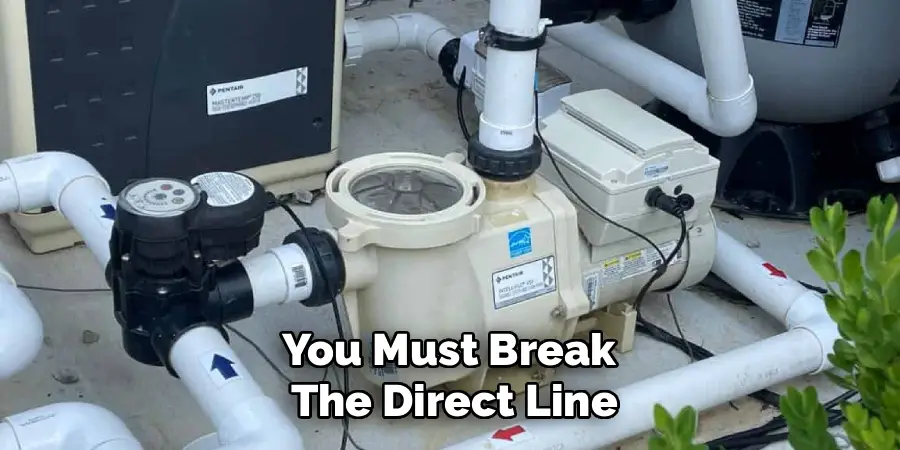
The golden rule of soundproofing is simple: if you can see it, you can hear it. Sound waves travel in straight lines (though they can also diffract over edges). To effectively block the noise, you must break the direct line of sight between the pump and your living area. Stand in the spot where the noise bothers you most—your patio chair, your bedroom window—and look toward the pump. Your barrier needs to be tall enough and wide enough to completely hide the pump from this vantage point. The closer the barrier is to the noise source (the pump) or the receiver (you), the more effective it will be.
Step 2: Choose Your Barrier Material
Mass is your friend when blocking sound. A thin, picket fence with gaps between the slats will do absolutely nothing to stop noise. You need dense, solid materials. Masonry walls (brick, stone, or concrete blocks) are the gold standard because their density stops sound transmission and reflects waves toward the source. If masonry isn’t an option, a solid wood fence with overlapping boards (shadow box style) or tongue-and-groove vinyl is a good alternative. The goal is a solid surface with zero gaps.
Step 3: Check Local Ordinances
Before you dig a single post hole, you must do your homework. Most municipalities have strict zoning laws regulating fence heights. In many areas, you cannot build a fence taller than six feet in a backyard without a permit, and front yard limits are often lower. Homeowners Associations (HOAs) may have even stricter rules regarding materials and colors. Check your local building codes to see if you are allowed to build a wall high enough to be effective. If the pump is elevated or very close to the property line, a standard six-foot fence might not be enough, forcing you to look for alternative solutions like landscaping.
Step 4: Construct or Plant Your Barrier
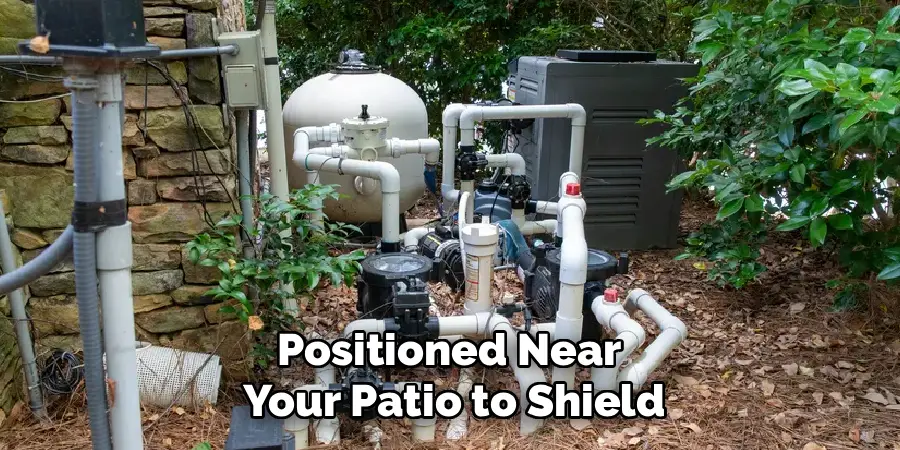
Once you have your plan and permits, it is time to build. If you are installing a fence specifically for noise control, ensure the posts are set deep and sturdy. Construct the panels so they are airtight; even a small crack allows a surprising amount of sound to leak through. Ideally, you want to build an “acoustic shadow.” If you cannot build a long fence along the entire property line, consider building an L-shaped barrier panel specifically positioned near your patio to shield just that area. This targeted approach can be cheaper and sometimes more effective than fencing the whole yard.
Step 5: Add Sound-Absorbing Materials
A solid fence blocks sound, but it also reflects it. To maximize the reduction, you can add absorptive materials to your side of the barrier. Mass-Loaded Vinyl (MLV) is a heavy, flexible sheet material used by acoustic engineers to block noise. Stapling MLV to your wooden fence can significantly increase its sound-blocking capability. Alternatively, you can hang outdoor-rated acoustic blankets or curtains along the fence line. These products are designed to withstand the elements while absorbing sound energy, preventing it from bouncing around your yard.
Using Landscaping for Noise Reduction
The Best Plants for Sound Absorption
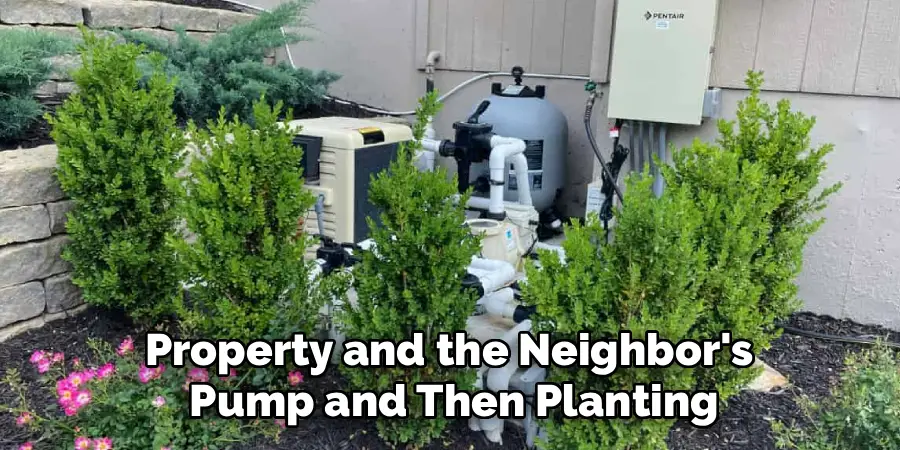
While a row of trees is rarely as effective as a solid wall, the right landscaping can still help, especially psychologically. “Out of sight, out of mind” holds some truth with noise annoyance. To use plants effectively, you need density. A deciduous tree that drops its leaves in winter won’t help you much. Instead, opt for broadleaf evergreens that maintain thick foliage year-round. Hollies, magnolias, and dense conifers like Arborvitae or Leyland Cypress are excellent choices. Plant them closely together so their branches interlock, creating a “green wall.” The leaves help scatter high-frequency sound waves, and the rustling of the wind through the branches provides natural masking noise.
Creating a Berm
If you have the space and the budget for earth-moving, building a berm is a fantastic solution. A berm is essentially an artificial ridge or hill of soil. Earth is an incredible sound insulator. By mounding up soil between your property and the neighbor’s pump and then planting dense shrubs on top of it, you combine the mass of the earth with the scattering effect of the plants. This deflects the sound upward and absorbs the vibration, offering one of the most effective and natural-looking barriers available.
Building a Dedicated Soundproof Enclosure (on Your Neighbor’s Side)
Proposing a Shared Cost
Sometimes the best defense is a good offense. Instead of trying to block the noise at your property line, blocking it at the source is infinitely more efficient. A soundproof enclosure built directly over the pump can reduce noise by 50% to 90%. Since this involves building something on your neighbor’s property, you will need their enthusiastic permission. A great way to get a “yes” is to offer to pay for the materials or split the cost. Explain that it will protect their equipment from the elements (sun and rain) while solving the noise issue for you. It’s a win-win.
Key Design Elements of a Soundproof Box
If they agree, you can build a simple three- or four-sided box to place over the equipment. Use heavy plywood or medium-density fiberboard (MDF) for the structure. The critical step is lining the inside of the box with acoustic foam, mineral wool, or MLV to absorb the motor noise. However, you must be careful about airflow. Pool pumps are air-cooled motors. A completely sealed box will cause the pump to overheat and fail. You must design the enclosure with baffled air vents—channels that allow air to flow in and out but force sound waves to bounce around and lose energy before escaping. This “maze” for the air keeps the motor cool and the yard quiet.
When to Consider Legal Options
Researching Local Noise Ordinances
If the noise is unbearable and your neighbor refuses to cooperate, you may have legal recourse. Every city has noise ordinances that define acceptable decibel levels for residential areas. These laws often have different limits for daytime and nighttime hours. You can download a free decibel meter app on your smartphone to get a rough idea of the noise level (though legal proceedings usually require a professional reading). If the pump noise exceeds the legal limit—or if it runs during prohibited “quiet hours”—you have a valid violation on your hands.

The Process of Filing a Formal Complaint
Legal action should always be the last resort, as it permanently damages neighborly relations. However, if you are out of options, start by documenting the noise. Keep a log of dates, times, and duration. You can then file a formal noise complaint with your local code enforcement or non-emergency police line. If you live in a community with a Homeowners Association (HOA), it often has “nuisance” clauses that are stricter than city laws and easier to enforce. Contact the HOA board with your evidence. In extreme cases, mediation services can help resolve the dispute without going to court.
Conclusion
Reclaiming the peace of your home is worth the effort. While you cannot control what equipment your neighbors buy, you can control how it affects your life. By understanding how to block neighbors pool pump noise, you move from being a passive victim of noise pollution to an active problem solver.
Start with the simple steps: talk to your neighbor, check for mechanical issues, and try masking the sound. If the drone persists, move on to physical barriers like dense fencing or strategic landscaping. Remember that the most effective solutions often involve a combination of strategies. With a little planning and perhaps a weekend project, you can turn down the volume on the world next door and get back to enjoying your own backyard.

About
Outdoor Fixes is a distinguished figure in the world of Diy design, with a decade of expertise creating innovative and sustainable Diy solutions.
His professional focus lies in merging traditional craftsmanship with modern manufacturing techniques,
fostering designs that are both practical and environmentally conscious. As the author of diy,
outdoorfixes delves into the art and science of outdoorfixes-making, inspiring artisans and industry professionals alike.
Education RMIT University
(Melbourne, Australia) Associate Degree in Design (Outdoor Fixes) Focus on sustainable design, industry-driven projects,
and practical craftsmanship. Gained hands-on experience with traditional and digital manufacturing tools, such as CAD and CNC software.
Nottingham Trent University
(United Kingdom) Bachelor’s in outdoorfixes.com and Product Design (Honors) Specialized in product design with a focus on blending creativity with production
techniques. Participated in industry projects, working with companies like John Lewis and Vitsoe to gain real-world insights.
Publications and Impact
In diy, Outdoor Fixes his insights on indoor design processes, materials, and strategies for efficient production.
His writing bridges the gap between artisan knowledge and modern industry needs, making it a must-read for both budding designers and seasoned professionals.