
A clean, sharp lawn mower is the key to a beautiful lawn, but most owners focus only on the engine and blades, forgetting a critical component: the deck. The underside of your mower deck is a hostile environment where damp grass clippings, dirt, and sap build up into a thick, concrete-like layer. This buildup traps moisture against the metal, promoting rust and corrosion. It also obstructs airflow, which is essential for lifting grass blades for an even cut and mulching them properly.

A clogged deck leads to a poor quality cut, clumps of dead grass left on your lawn, and unnecessary strain on the mower’s engine. Learning how to clean a mower deck is one of the most impactful maintenance tasks you can perform. It protects your investment, improves your lawn’s health, and ensures your machine operates at peak performance every time you mow.
Why Cleaning Your Mower Deck is Important
Regularly cleaning your mower deck not only helps to prolong the life of your lawn mower, but it also has numerous other benefits. Here are a few reasons why you should make deck cleaning a part of your regular lawn care routine:
- Prevents rust and corrosion: As mentioned before, grass clippings left on the mower deck can lead to rust and corrosion over time. This can weaken the structure of your mower and potentially result in costly repairs or replacement.
- Maintains proper airflow: A clean mower deck allows for proper airflow, which is crucial for an efficient cut and mulching process. When debris builds up on the deck, it can hinder the blades from spinning effectively, resulting in an uneven cut.
- Improves overall lawn health: When you mow with a dirty deck, you’re essentially spreading debris and potential pathogens across your lawn. This can lead to a weakened and unhealthy lawn, making it more susceptible to diseases and pests.
- Saves time and effort: Regular deck cleaning may seem like a hassle at first, but it ultimately saves you time and effort in the long run. A clean deck means less buildup and clogging, resulting in smoother mowing sessions without having to constantly stop and unclog the mower.

Step-by-Step Guide on How to Clean a Mower Deck
Step 1: Prioritize Safety Above All Else
Before you even think about reaching under your mower, you must make it impossible for the engine to start or the blades to turn accidentally. For a gas mower, the most critical step is to disconnect the spark plug wire. Simply locate the thick rubber boot on the engine and pull it firmly off the spark plug.
Tuck the wire away so it cannot accidentally make contact again. For an electric or battery-powered mower, remove the battery pack or unplug it from the power source. This simple but non-negotiable step eliminates the risk of serious injury and is the foundational rule for any lawn mower maintenance.
Step 2: Prepare the Mower and Your Workspace
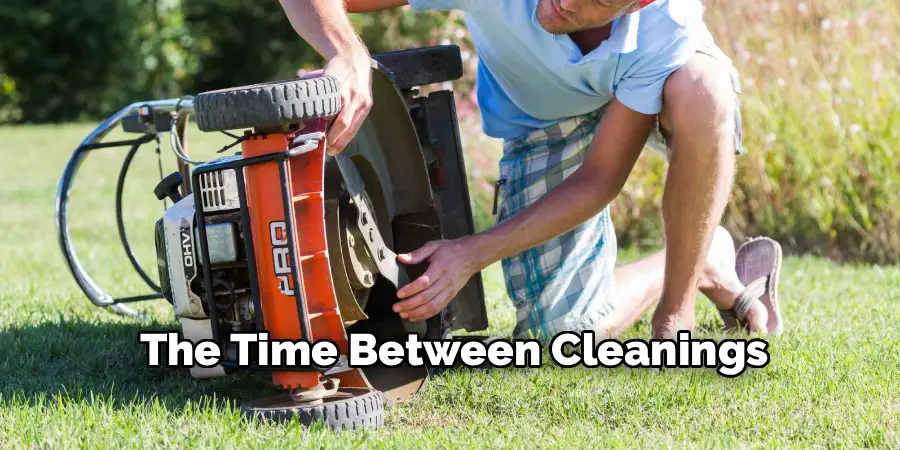
To access the deck, you need to tilt the mower. Never tip a gas mower completely on its side, as this can cause oil and fuel to leak into the carburetor and air filter, leading to starting problems. The correct method is to tilt it backward, so the handles are on the ground and the underside is facing forward. Ensure the fuel cap is tight and prop the mower securely against a wall or have someone help you hold it steady.
Lay down a tarp to catch the falling debris, which will make your cleanup much easier. For riding mowers, you will need to use a specialized mower lift or automotive ramps to safely elevate the front end to gain access.
Step 3: Scrape Away Buildup
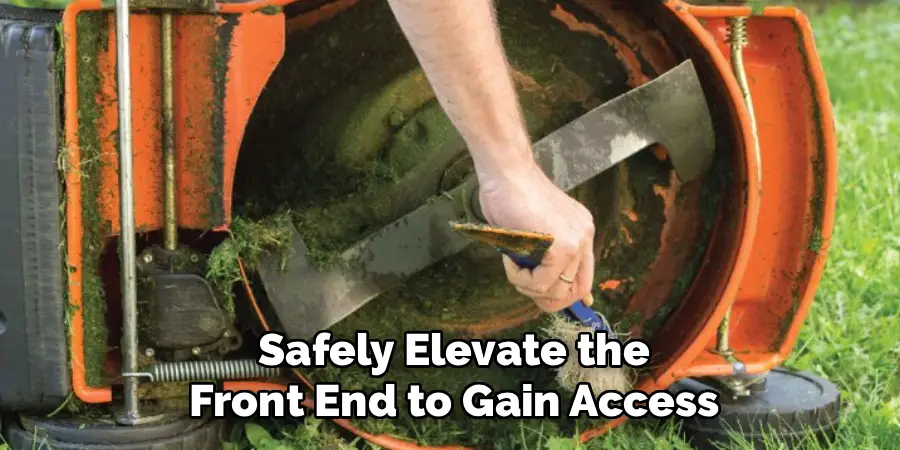
With the deck exposed, you will see the caked-on layers of old grass and dirt. The first pass is to remove the bulk of this material. A plastic putty knife or a dedicated mower deck scraper are the best tools for this job, as they are less likely to scratch the paint than a metal tool. Work your way around the inside of the deck, using firm pressure to break off the large chunks of debris.
Pay special attention to the areas around the blade spindles and the discharge chute, as buildup here is most likely to impede performance. This initial scraping removes the heavy lifting and prepares the surface for a more detailed cleaning.
Step 4: Use a Wire Brush for Stubborn Areas
After the main scraping is complete, you will likely find tougher, more compacted deposits remaining on the metal. This is where a stiff wire brush comes in handy. Use the brush to scrub away the stubborn grime that the scraper could not dislodge. Focus on any areas where rust might be starting to form. A wire brush is also excellent for cleaning the blades themselves and the complex shapes around the mounting bolts.
This detailed scrubbing ensures that you remove as much of the corrosive, moisture-trapping material as possible, revealing the clean metal underneath. It is a vital step in learning how to clean a mower deck thoroughly.
Step 5: Wash and Degrease the Deck Surface
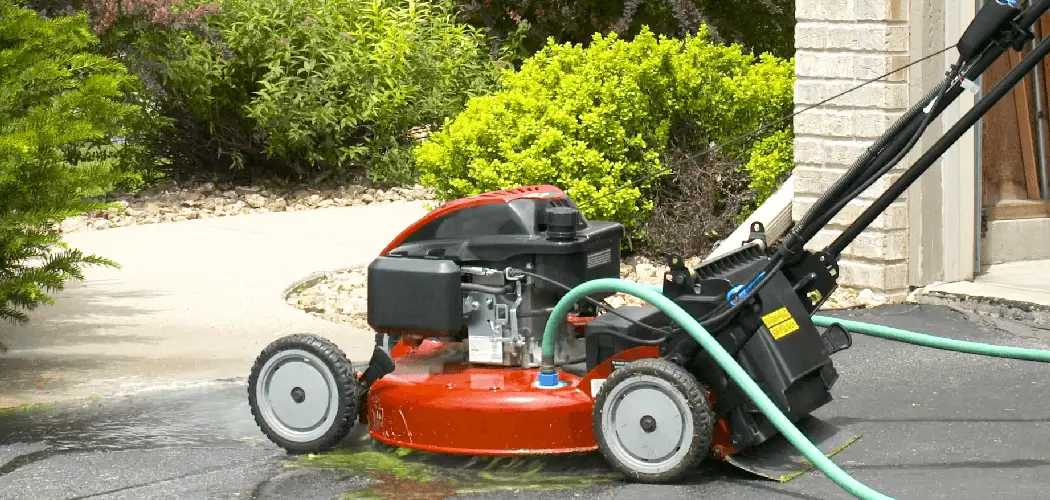
Now it is time to wash away the fine particles and any greasy residue. You can use a garden hose with a high-pressure nozzle to blast away the remaining dirt. For an even better clean, use a degreasing cleaner or a bucket of hot, soapy water. Spray the cleaner onto the deck and let it sit for a few minutes to break down any oily film from the grass.
Then, use a scrub brush to work it into the surface before rinsing thoroughly with the hose. This washing step not only makes the deck look new but also removes the last bits of organic material that could accelerate future buildup.
Step 6: Dry the Deck and Inspect for Damage
Once the deck is clean, it is imperative that you dry it completely. Use old towels or a leaf blower to remove all moisture from the surface. A wet deck will begin to rust almost immediately. With the deck clean and dry, take the opportunity to perform a thorough inspection. Check the blades for nicks, cracks, or dullness.
Examine the deck itself for any deep gouges, cracks in the metal, or areas where the paint has worn away completely, leaving bare metal exposed. Identifying these issues now allows you to address them before they become major problems.
Step 7: Apply a Protective Coating
The final step in the process is to make your next cleaning session easier. Applying a protective coating to the clean, dry deck creates a non-stick surface that prevents grass from adhering as aggressively. You can use a specialized mower deck spray, which often contains graphite or silicone. A more common and inexpensive alternative is to use a cooking oil spray. Apply a light, even coat across the entire underside of the deck.
This slippery barrier will not only inhibit rust formation but will also cause grass clippings to slide off more easily, significantly reducing future buildup and extending the time between cleanings.
Frequently Asked Questions
How Often Should I Clean My Mower Deck?
The ideal frequency depends on your mowing conditions.
- For best performance: A quick scrape after every mow is ideal.
- For average homeowners: A thorough cleaning two to three times per season is a good goal.
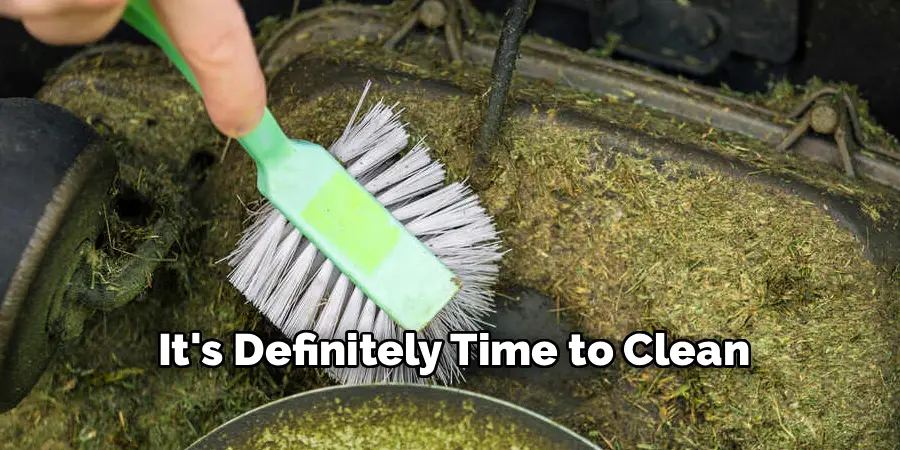
- At a minimum: A deep cleaning at the end of the mowing season before winter storage is essential to prevent rust. If you notice a decline in cut quality or clumps of grass on the lawn, it’s definitely time to clean.
Can I Use a Pressure Washer to Clean My Mower Deck?
Yes, a pressure washer can be very effective at blasting away caked-on grass, but you must use it with caution. Avoid directing the high-pressure stream directly at bearings, seals, or the spindle assemblies.
The intense pressure can force water past the seals and into the bearings, washing out the grease and causing them to fail prematurely. Use it on the main deck surfaces but switch to a gentler method for sensitive parts.
What Is the Black Coating on the Underside of My Mower Deck?
Most new mowers come with a durable, factory-applied paint or powder coat on the underside of the deck. This coating serves as the primary barrier against rust and corrosion.
It is important to try and preserve this coating. When you scrape the deck, use plastic tools to avoid scratching it. If you notice areas where it has worn off, you can touch them up with a rust-inhibiting paint to maintain protection.
Is It Safe to Use Cooking Spray on My Mower Deck?
Yes, using a standard cooking spray like Pam is a popular and effective home remedy. The oil creates a slick, non-stick surface that helps prevent grass clippings from adhering to the metal. It is inexpensive and works surprisingly well. The coating will wear off over time, so you may need to reapply it after a few mows for the best results.
What Is the Easiest Way to Lift a Riding Mower for Cleaning?
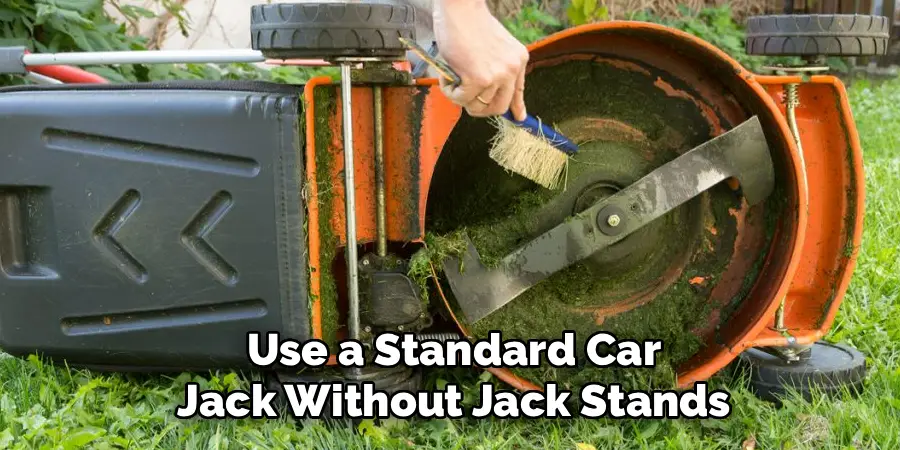
Safety is paramount when lifting a heavy riding mower. The easiest and safest method is to use a purpose-built lawn mower lift or jack. These devices are designed to securely lift the front end of the mower to a comfortable working angle and have safety locks to prevent it from accidentally falling.
Driving the front wheels up onto a sturdy pair of automotive ramps is another good option. Never use a standard car jack without jack stands.
Conclusion
Taking thirty minutes to clean your mower deck is one of the most productive maintenance tasks you can do for your lawn and your equipment. It directly translates to a healthier, better-looking lawn, free from clumps and disease-harboring thatch. It also protects the metal from rust, prolongs the life of the blades and engine, and ensures your machine is always ready to deliver a clean, crisp cut.
By incorporating this simple routine into your lawn care schedule, you move from just using your mower to truly maintaining it. Now that you have a clear, step-by-step guide on how to clean a mower deck, you can tackle this job with confidence and enjoy the superior results that come from a well-cared-for machine.

About
Outdoor Fixes is a distinguished figure in the world of Diy design, with a decade of expertise creating innovative and sustainable Diy solutions.
His professional focus lies in merging traditional craftsmanship with modern manufacturing techniques,
fostering designs that are both practical and environmentally conscious. As the author of diy,
outdoorfixes delves into the art and science of outdoorfixes-making, inspiring artisans and industry professionals alike.
Education RMIT University
(Melbourne, Australia) Associate Degree in Design (Outdoor Fixes) Focus on sustainable design, industry-driven projects,
and practical craftsmanship. Gained hands-on experience with traditional and digital manufacturing tools, such as CAD and CNC software.
Nottingham Trent University
(United Kingdom) Bachelor’s in outdoorfixes.com and Product Design (Honors) Specialized in product design with a focus on blending creativity with production
techniques. Participated in industry projects, working with companies like John Lewis and Vitsoe to gain real-world insights.
Publications and Impact
In diy, Outdoor Fixes his insights on indoor design processes, materials, and strategies for efficient production.
His writing bridges the gap between artisan knowledge and modern industry needs, making it a must-read for both budding designers and seasoned professionals.