
Maintaining a clean and well-functioning pool is essential to ensure a safe and enjoyable swimming experience. A Summer Waves pool, like any other, requires regular upkeep to keep the water clear, free from debris, and properly balanced. Whether you’re preparing your pool for the season or conducting routine maintenance, understanding the proper cleaning process is crucial. This guide will walk you through the essentials steps for how to clean a summer waves pool.
Benefits of Keeping the Pool Clean
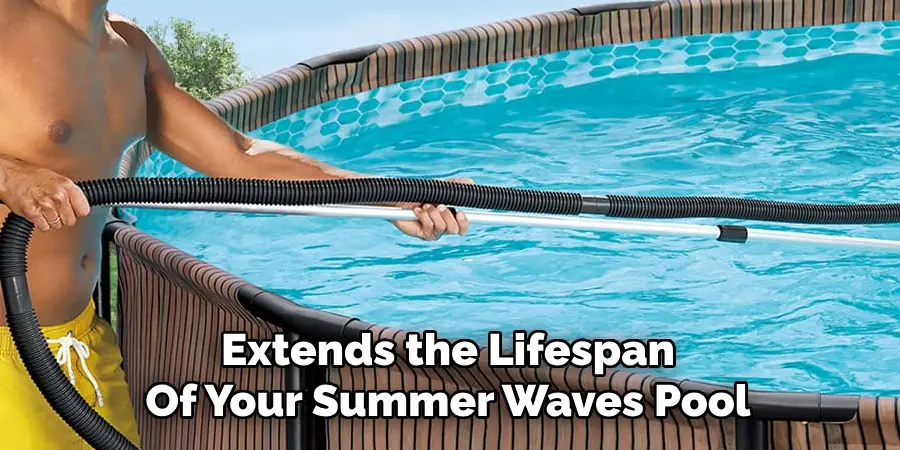
Maintaining a clean pool offers numerous benefits that extend beyond just its appearance. Firstly, a clean pool ensures the health and safety of swimmers by preventing the growth of harmful bacteria, algae, and other microorganisms that can cause infections or illnesses. Proper cleaning also helps to maintain balanced water chemistry, which is essential for preventing skin and eye irritation. Additionally, regular upkeep extends the longevity of the pool and its filtration system, preventing costly repairs down the line. A clean pool is also more inviting, providing a crystal-clear oasis for relaxation and enjoyment during the warmer months. Ultimately, keeping the pool clean enhances both its functionality and your overall swimming experience.
Tools and Supplies You’ll Need
To maintain a clean and well-functioning pool, having the right tools and supplies is essential. Here is a list of items you’ll need:
- Pool Skimmer: Used for removing leaves, insects, and debris from the surface of the water.
- Vacuum System: Necessary for cleaning dirt and debris from the pool floor.
- Pool Brush: Helps scrub the sides and bottom of the pool to prevent algae buildup.
- Water Testing Kit: Ensures that the pH, chlorine, and other chemical levels are properly balanced.
- Chlorine or Other Sanitizers: Keeps the water safe and free from harmful bacteria.
- Algaecides: Prevent and treat algae growth in the pool.
- Pool Filter Cleaner: Maintains the efficiency of the filtration system by removing built-up contaminants.
- Shock Treatment Chemicals: Used for occasional deep cleaning to eliminate bacteria and restore water clarity.
- Protective Gear: Such as gloves and goggles, to ensure safety while using strong chemicals.
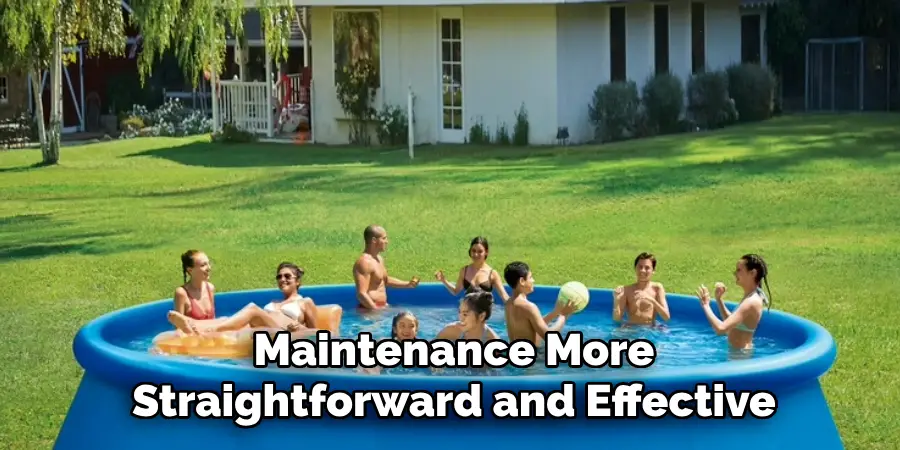
By having these tools and supplies on hand, you can make routine pool maintenance more straightforward and effective.
10 Methods How to Clean a Summer Waves Pool
1. Skim the Surface Daily to Remove Floating Debris
One of the foundational steps in pool cleaning is to skim the water’s surface every day. Even if your pool is covered, leaves, bugs, pollen, and dirt can settle on top. Using a lightweight pool skimmer net or leaf rake, you can quickly and effectively scoop away these contaminants before they sink to the bottom. It’s important to do this daily because floating debris left unattended can decompose and release nutrients that encourage algae growth, clouding your pool water. Frequent skimming also reduces the load on your pool filter, helping it work more efficiently and prolonging its lifespan. Remember to empty the skimmer basket regularly so it doesn’t get clogged.
2. Vacuum the Pool Floor Weekly to Remove Settled Dirt
Despite diligent surface cleaning, heavier debris and sediment inevitably settle to the pool floor. To address this, perform a manual or automatic vacuuming session at least once a week. For a Summer Waves pool, a manual vacuum connected to your filter pump is usually the best option, as it allows you to control suction and thoroughly clean every inch of the floor. Slowly guide the vacuum head across the bottom, overlapping your strokes to pick up dirt and fine particles. Neglecting the pool floor can result in stains or algae colonies taking hold, which become harder to remove over time. Vacuuming also improves water clarity, making your swimming experience more enjoyable.
3. Brush the Pool Walls and Floor to Dislodge Algae and Dirt
Algae and biofilm thrive on pool surfaces if left unbrushed. To prevent this, brush your pool walls and floor regularly—at least twice per week. Use a soft nylon bristle brush made for vinyl liners to gently scrub surfaces without damaging them. Focus particularly on the waterline, where oils from sunscreen and sweat tend to build up, creating a slippery film that algae love to colonize. Brushing loosens stubborn dirt and algae, making it easier for the filtration system to remove these particles. Be methodical and thorough, ensuring no areas—especially corners and seams—are missed.
4. Clean and Maintain the Filter System to Ensure Optimal Performance

Your pool’s filter system is critical for maintaining water purity. Bestway pools often use cartridge filters, which trap fine debris as water passes through. To keep this system functioning properly, clean or replace the filter cartridge as recommended—generally every one to two weeks, or more often during heavy use. Remove the cartridge, rinse it thoroughly with a hose to dislodge trapped dirt, and inspect for tears or damage. A clogged filter reduces water circulation and leads to cloudy water. For sand filters, backwashing is essential to flush out debris. Never allow the filter system to remain clogged, as this increases stress on the pump and can cause equipment failure.
5. Test and Balance Pool Chemicals Regularly for Water Health
Proper chemical balance is essential to prevent algae growth, bacteria proliferation, and equipment corrosion. Use a reliable pool test kit or test strips at least twice weekly to monitor key water parameters such as pH, free chlorine, total alkalinity, and cyanuric acid (stabilizer). Aim to keep the pH between 7.2 and 7.6 to optimize chlorine effectiveness and protect your pool liner from damage. Maintain free chlorine levels between 1 and 3 ppm for adequate sanitation. If readings deviate, add the appropriate chemicals slowly and allow the pump to circulate them thoroughly. Maintaining balanced water not only keeps the pool safe but also preserves your equipment and reduces maintenance needs.
6. Shock the Pool Weekly or After Heavy Use to Oxidize Contaminants
Even with regular chlorination, organic contaminants such as sweat, oils, and bacteria accumulate in the water. To combat this, shock your pool once a week or after heavy usage days with a chlorine-based shock treatment. This process rapidly raises chlorine levels to break down organic matter and kill pathogens, restoring clear and safe water. Carefully follow the product instructions for dosage and application timing. During shocking, run the pump continuously for at least 8 hours to ensure proper circulation of the chemicals. Avoid swimming during this time to allow chlorine levels to return to safe ranges.
7. Manually Remove Debris from the Pool Bottom Using a Leaf Rake
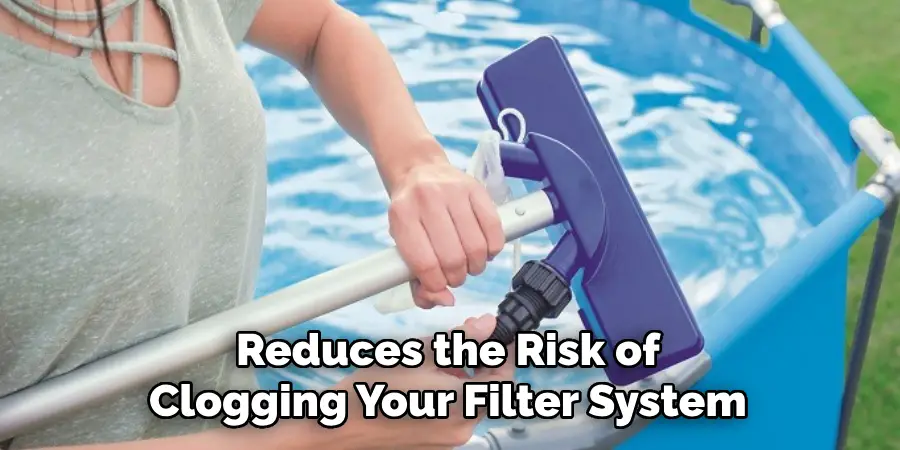
Sometimes, heavier leaves or pine needles fall to the bottom and may be missed by your vacuum. In these cases, a leaf rake attached to a telescoping pole allows you to scoop out debris manually. This method is especially useful during autumn or if your pool is near trees or shrubs. Regular removal of bottom debris prevents staining of the liner and reduces the risk of clogging your filter system. Be gentle to avoid damaging the liner, and dispose of debris promptly so it doesn’t return to the pool.
8. Keep the Pool Cover and Surrounding Area Clean
Your pool cover protects the water from debris when not in use, but if neglected, it can become a source of contamination itself. Regularly clean the cover by rinsing or wiping it down with mild soap and water to remove dirt, mildew, and leaves. This prevents grime from transferring into the pool when the cover is removed. Additionally, maintain the surrounding patio or deck area by sweeping or washing it regularly to minimize dirt and grass clippings blown into the pool. A clean environment around the pool reduces the frequency of water cleaning tasks.
9. Use Enzyme-Based Cleaners to Break Down Organic Residue
For stubborn waterline rings and oily buildup caused by lotions, body oils, and sunscreen, enzyme-based pool cleaners provide a natural solution. These products contain enzymes that digest organic waste, helping to prevent scum formation and improve water clarity. Add enzyme treatments weekly following the manufacturer’s directions to support your filtration system and reduce manual cleaning efforts. These cleaners are gentle on pool liners and environmentally friendly, offering a safe alternative to harsh chemicals.
10. Regularly Inspect Pool Equipment and Liner for Damage
Routine inspection of your pool equipment and liner is critical to early detection of leaks, tears, or wear. Check your pump, filter, hoses, and electrical connections for signs of damage or loose fittings. Examine the liner carefully for any punctures or thinning spots and repair small tears promptly using a vinyl repair kit. Prompt repairs prevent water loss, contamination, and costly replacements. Maintaining all components in good working order enhances the effectiveness of your cleaning routine and extends the lifespan of your Summer Waves pool.
Conclusion
Cleaning a Summer Waves pool is not a single chore but a comprehensive ongoing process combining physical cleaning, chemical maintenance, and preventative care. By implementing these ten detailed methods—from daily skimming and brushing to chemical balancing and equipment inspection—you establish a thorough cleaning regimen that keeps your pool water sparkling and safe all season long. Thanks for reading, and we hope this has given you some inspiration on how to clean a summer waves pool!

About
Outdoor Fixes is a distinguished figure in the world of Diy design, with a decade of expertise creating innovative and sustainable Diy solutions.
His professional focus lies in merging traditional craftsmanship with modern manufacturing techniques,
fostering designs that are both practical and environmentally conscious. As the author of diy,
outdoorfixes delves into the art and science of outdoorfixes-making, inspiring artisans and industry professionals alike.
Education RMIT University
(Melbourne, Australia) Associate Degree in Design (Outdoor Fixes) Focus on sustainable design, industry-driven projects,
and practical craftsmanship. Gained hands-on experience with traditional and digital manufacturing tools, such as CAD and CNC software.
Nottingham Trent University
(United Kingdom) Bachelor’s in outdoorfixes.com and Product Design (Honors) Specialized in product design with a focus on blending creativity with production
techniques. Participated in industry projects, working with companies like John Lewis and Vitsoe to gain real-world insights.
Publications and Impact
In diy, Outdoor Fixes his insights on indoor design processes, materials, and strategies for efficient production.
His writing bridges the gap between artisan knowledge and modern industry needs, making it a must-read for both budding designers and seasoned professionals.