
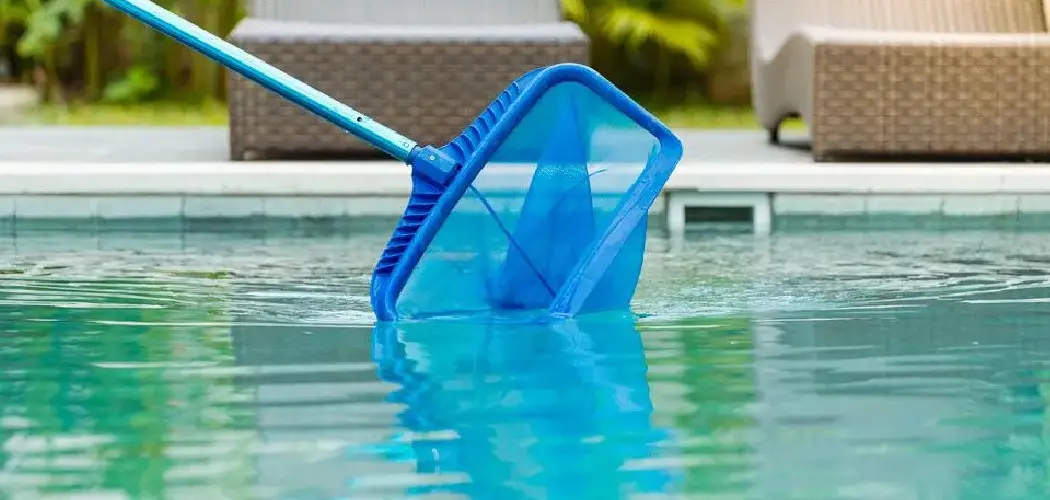
Cleaning empty pool walls is an essential maintenance task to keep your pool in excellent condition and extend its lifespan. Over time, dirt, algae, and mineral buildup can accumulate on the walls, impacting the pool’s appearance and hygiene. By properly cleaning the walls, you can ensure a safe and enjoyable swimming environment and prevent costly repairs in the future. This guide will walk you through the steps of how to clean empty pool walls.
Importance of Cleaning Pool Walls
Regularly cleaning pool walls is crucial for maintaining the overall health of your pool. When debris, algae, and mineral deposits are left unchecked, they can lead to slippery surfaces, discoloration, and even structural damage over time. Algae growth not only makes the pool unhygienic but can also pose potential health risks to swimmers. Additionally, neglecting the walls can lead to staining, requiring more intensive cleaning or expensive refinishing. By staying on top of this maintenance task, you can ensure your pool remains visually appealing, safe for use, and durable for years to come.
Safety Precautions Before Cleaning
Before starting the pool cleaning process, it is crucial to prioritize safety to avoid accidents or harm. Always ensure that the power supply to any pool equipment, such as pumps or cleaners, is turned off before handling or servicing them to prevent electrical hazards. Wear appropriate protective gear, including gloves and safety goggles, to shield yourself from harmful chemicals and debris.
If using cleaning agents, carefully read the manufacturer’s instructions to understand proper usage and any necessary precautions. Avoid mixing different cleaning chemicals, as this can release toxic fumes or cause dangerous reactions. Lastly, ensure the work area around the pool is dry and free of obstructions to prevent slips or falls during the cleaning process.
Tools and Materials You’ll Need
To ensure effective and safe pool cleaning, gather the following tools and materials before you begin:
- Pool Skimmer Net: For removing leaves, twigs, and other debris floating on the water surface.
- Pool Vacuum: Useful for cleaning dirt and debris from the bottom of the pool.
- Pool Brush: To scrub pool walls and steps, removing algae and buildup.
- Telescopic Pole: Can be attached to your skimmer net, brush, or vacuum for extended reach.
- Chemical Test Kit or Test Strips: To measure the water’s pH, chlorine levels, and other key chemical balances.
- Chlorine or Other Sanitizers: Necessary to keep the water hygienic by killing bacteria and algae.
- Algaecide: Helps prevent and treat algae growth in the pool.
- Protective Gear: Gloves, safety goggles, and any other necessary protective wear.
- Bucket or Hose: For rinsing tools and managing water during the cleaning process.
Having these tools and materials on hand will streamline the cleaning process and help maintain your pool in optimal condition.
10 Methods How to Clean Empty Pool Walls
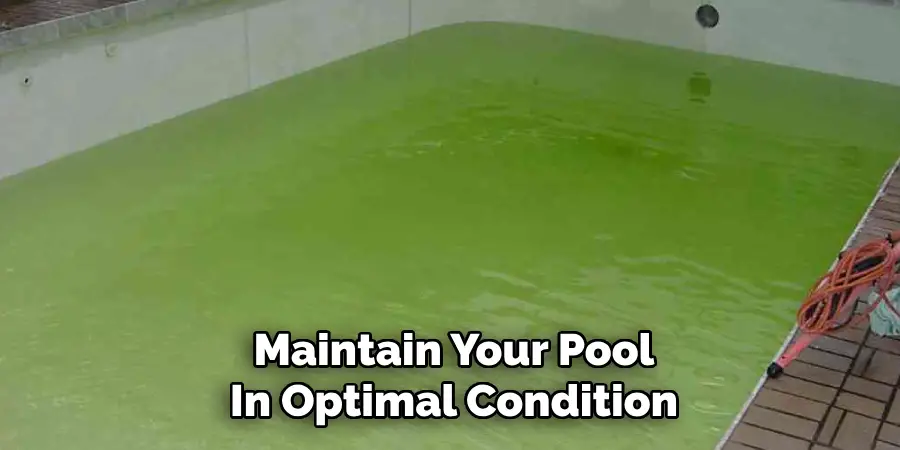
1. Rinse the Walls with a Garden Hose Before Scrubbing
Begin the cleaning process by thoroughly rinsing the pool walls using a standard garden hose. This initial rinse helps remove loose debris, dust, and dirt clinging to the surface. Use a spray nozzle for better pressure control, but avoid high-pressure washers that can damage delicate finishes like vinyl liners.
By saturating the walls with water, you soften dried-on residues and prevent particles from becoming airborne during scrubbing. This step creates a clean canvas for applying detergents or cleaning agents.
2. Use a Mild Dish Soap Solution for General Cleaning
One of the safest and most accessible cleaning solutions is a mix of warm water and mild dish soap. This solution is especially effective for vinyl and fiberglass pool walls, as it cuts through grease and body oils without damaging the surface. Mix a few drops of dish soap into a bucket of warm water and apply it with a non-abrasive sponge or soft cloth.
Scrub gently in a circular motion from top to bottom, paying attention to waterline stains. Rinse thoroughly after scrubbing to remove any soapy residue that could affect future pool chemistry.
3. Remove Algae with a Soft-Bristled Brush and Algaecide
If you spot green, brown, or black patches on your pool walls, it’s likely algae. After applying a diluted algaecide or chlorine-based solution, use a soft-bristled brush to scrub the affected areas. Avoid wire brushes, which may scratch or weaken certain surfaces. For stubborn algae, let the treatment sit for 10–15 minutes before brushing.
Repeat as needed until the wall surface is clear. Thoroughly rinse afterward to wash away dead algae and chemical residue. Consistent attention to algae removal during pool downtime prevents rapid regrowth once the pool is refilled.
4. Use Baking Soda Paste for Spot Cleaning Stains
Baking soda is a natural, non-toxic cleaning agent that works especially well on small stains and buildup. Mix baking soda with a small amount of water to form a paste, then apply it directly to stained spots on the pool wall.
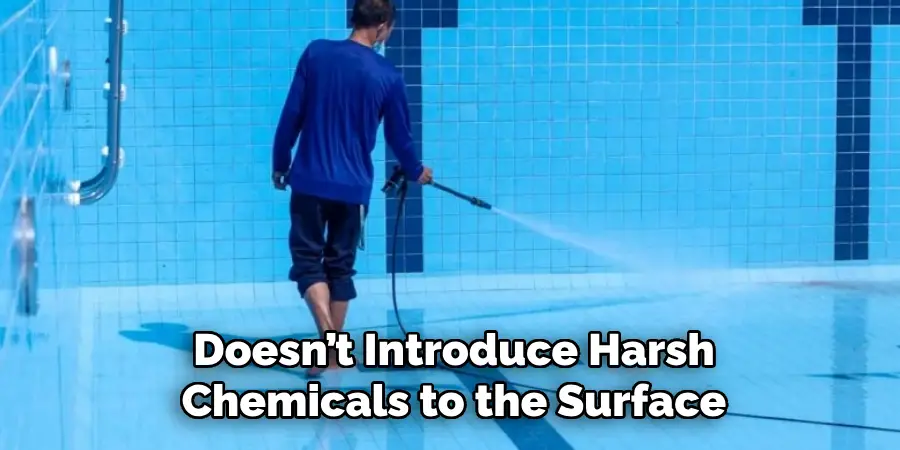
Let it sit for 10–20 minutes, then gently scrub using a sponge or cloth. Baking soda works particularly well on calcium deposits and organic stains. It is safe for all pool types and doesn’t introduce harsh chemicals to the surface. Rinse well afterward for a residue-free finish.
5. Tackle Calcium and Scale Buildup with White Vinegar
For hard water stains and mineral scaling along the waterline, white vinegar is an effective natural solution. Mix equal parts white vinegar and warm water in a spray bottle and apply it generously to affected areas. Let it sit for several minutes to break down the scale, then scrub with a soft cloth or sponge.
Vinegar’s acidity dissolves calcium deposits without harming most pool surfaces. After cleaning, rinse thoroughly with fresh water to neutralize the acid and prevent lingering odors.
6. Apply a Chlorine Wash for Heavy Staining (Concrete Pools Only)
For heavily stained or algae-ridden concrete pool walls, a chlorine wash (or bleach wash) may be necessary. Mix one part liquid chlorine bleach with three parts water in a bucket. Wearing gloves and protective eyewear, use a long-handled brush to apply the solution to the walls, scrubbing firmly.
Chlorine kills algae, mold, and bacteria, restoring the wall’s appearance. This method should only be used in well-ventilated areas and not on vinyl or fiberglass surfaces, as bleach can damage those materials. Always rinse thoroughly and dispose of runoff responsibly.
7. Use a Magic Eraser or Pool Cleaning Pad for Persistent Marks
For tough marks and scuff stains on vinyl or fiberglass walls, a melamine sponge (commonly known as Magic Eraser) can be very effective. Lightly dampen the sponge and gently scrub the affected area. These pads are designed to lift grime and marks with minimal pressure and no harsh chemicals.
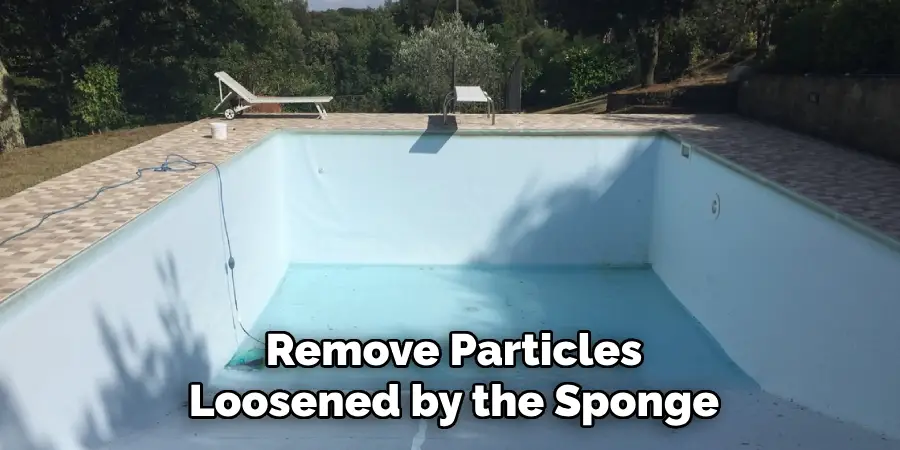
Be cautious not to overuse in one area, especially on colored surfaces, as excessive friction may dull the finish. Always follow up with a rinse to remove particles loosened by the sponge.
8. Disinfect with Diluted Hydrogen Peroxide for a Chemical-Free Clean
For pool owners seeking an eco-friendly disinfectant, hydrogen peroxide offers a safe yet effective alternative. Mix a 3% hydrogen peroxide solution with equal parts water and apply it to pool walls using a spray bottle. Let it sit for a few minutes to sanitize the surface and kill microorganisms. Then scrub lightly and rinse thoroughly. This method is especially useful for sensitive pool environments and won’t affect the integrity of pool materials. It also helps in removing minor discoloration from the surface without strong odors.
9. Clean with Tri-Sodium Phosphate (TSP) for Deep Degreasing
For pools with greasy buildup or serious grime accumulation, Tri-Sodium Phosphate (TSP) is a powerful cleaning agent that works well on concrete or fiberglass walls. Mix TSP with warm water according to package directions, and apply with a sponge or stiff brush.
TSP cuts through oils, sunscreen residue, and other stubborn grime. However, it is highly alkaline, so wear gloves and rinse the walls thoroughly after use. TSP should not be used on vinyl liners due to its strength.
10. Finish by Inspecting, Rinsing, and Allowing to Air Dry
Once the cleaning process is complete, give the pool walls a final inspection to ensure all stains and residues have been removed. Use a hose to thoroughly rinse all cleaning agents from the surface. Any residual soap or chemical could affect water chemistry once the pool is refilled. After rinsing, allow the pool to air dry completely.
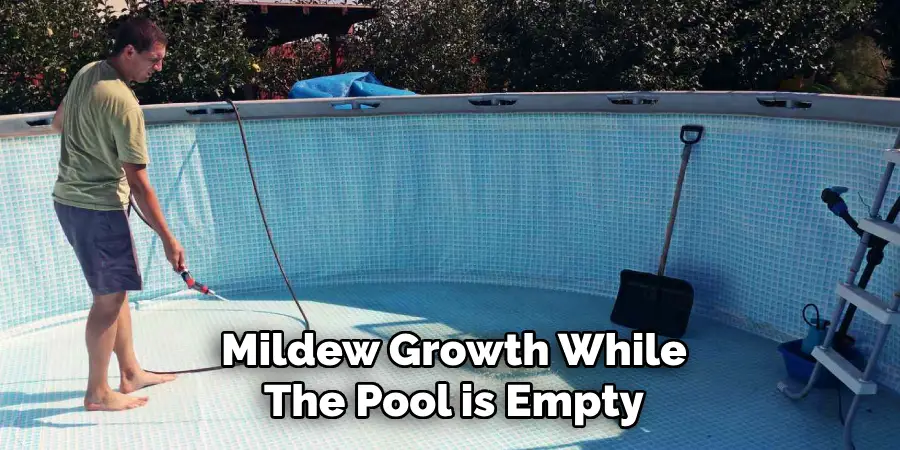
This helps you identify any remaining marks and gives the opportunity to make liner or surface repairs if necessary. Drying also discourages mold and mildew growth while the pool is empty.
Conclusion
Cleaning empty pool walls is an essential maintenance task that helps preserve the integrity and appearance of your pool. Whether your pool is made of vinyl, concrete, or fiberglass, these ten detailed methods offer a comprehensive approach to tackling dirt, stains, and buildup using both natural and commercial cleaners.
From gentle rinsing and soapy scrubs to vinegar descaling and chlorine washes, each method serves a unique purpose in ensuring your pool is fresh, sanitary, and ready for the next fill. With routine deep cleaning, you’ll extend the life of your pool and ensure a sparkling, healthy swimming environment for years to come. Thanks for reading our blog post on how to clean empty pool walls! We hope you found it helpful and informative.

About
Outdoor Fixes is a distinguished figure in the world of Diy design, with a decade of expertise creating innovative and sustainable Diy solutions.
His professional focus lies in merging traditional craftsmanship with modern manufacturing techniques,
fostering designs that are both practical and environmentally conscious. As the author of diy,
outdoorfixes delves into the art and science of outdoorfixes-making, inspiring artisans and industry professionals alike.
Education RMIT University
(Melbourne, Australia) Associate Degree in Design (Outdoor Fixes) Focus on sustainable design, industry-driven projects,
and practical craftsmanship. Gained hands-on experience with traditional and digital manufacturing tools, such as CAD and CNC software.
Nottingham Trent University
(United Kingdom) Bachelor’s in outdoorfixes.com and Product Design (Honors) Specialized in product design with a focus on blending creativity with production
techniques. Participated in industry projects, working with companies like John Lewis and Vitsoe to gain real-world insights.
Publications and Impact
In diy, Outdoor Fixes his insights on indoor design processes, materials, and strategies for efficient production.
His writing bridges the gap between artisan knowledge and modern industry needs, making it a must-read for both budding designers and seasoned professionals.