
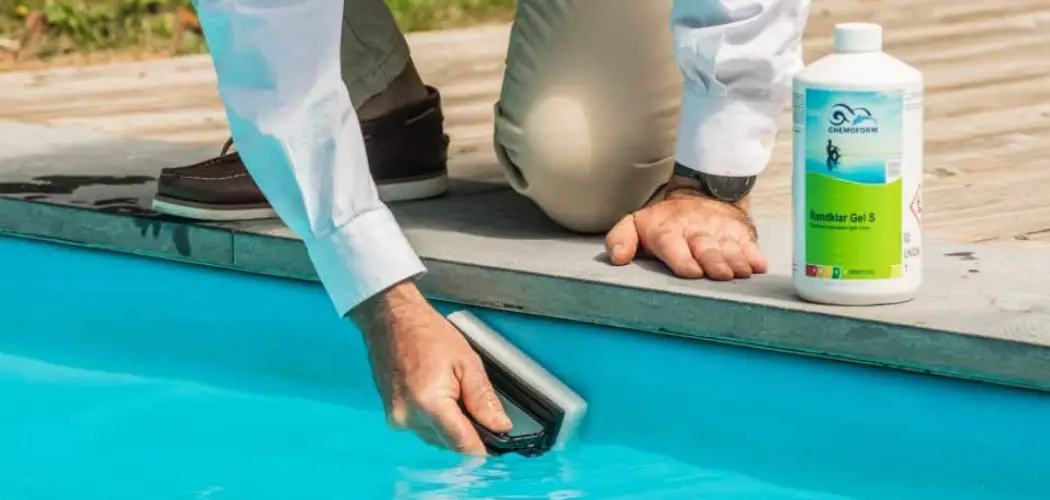
Maintaining clean pool steps is crucial for both the safety and overall hygiene of your swimming pool. Despite being submerged, steps can accumulate dirt, algae, and other residues that not only make them slippery but can also compromise the water’s cleanliness.
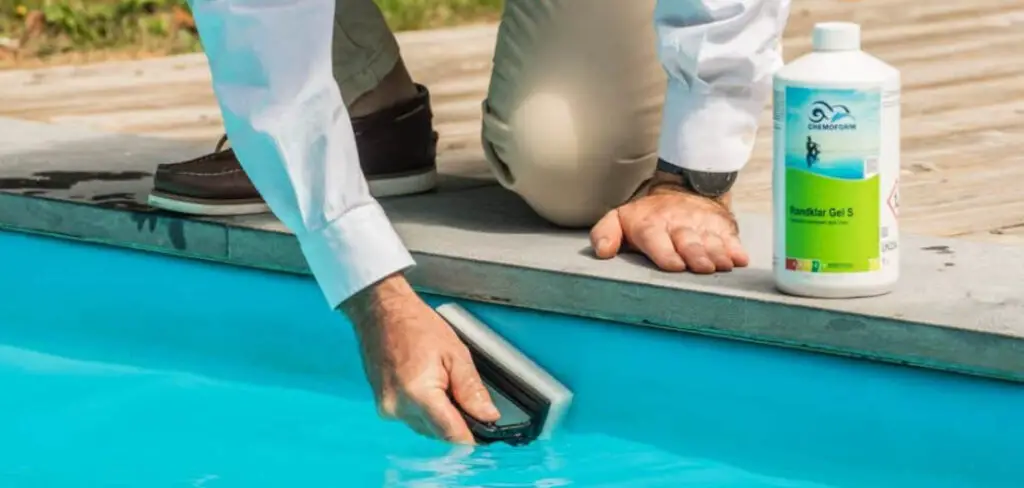
Unlike surfaces above the waterline, cleaning underwater steps presents unique challenges, such as limited visibility and increased physical effort. This guide will provide a thorough, step-by-step process to help you understand how to clean pool steps under water efficiently and effectively.
With the right tools, techniques, and preventative measures, keeping your pool steps spotless doesn’t have to be a daunting task.
Understanding Pool Steps and Common Contaminants
Pool steps are often constructed from materials like fiberglass, concrete, or vinyl, each of which requires specific cleaning approaches. Over time, these surfaces become magnets for common contaminants such as dirt, grime, oils from swimmers, and, most notably, algae. Algae, in particular, can cause the steps to become dangerously slippery while also affecting the pool water’s clarity and balance.
Another issue is scale buildup, caused by hard water, which can create unsightly white or gray spots on the steps.
Organic debris, such as leaves or insects, often settles at the base of the steps, compounding contaminants and creating a breeding ground for bacteria. Understanding what you’re dealing with is key to choosing the right cleaning method, ensuring you don’t damage the material or worsen water quality in the process.
Tools You’ll Need for Cleaning Pool Steps Underwater
Proper tools make all the difference when tackling underwater cleaning. The following are essential for efficiently completing the job:
- Soft-bristle brushes to safely scrub dirt and algae without scratching the surface.
- Sponges or scrubbing pads that are non-abrasive but effective against grime.
- A telescoping pole to extend your reach and clean without fully submerging yourself.
- Pool vacuum or submersible cleaner to remove detached dirt and grime from the pool floor and steps.
- Eco-friendly cleaning solutions designed for swimming pools to protect both your steps and water quality from harmful chemicals.
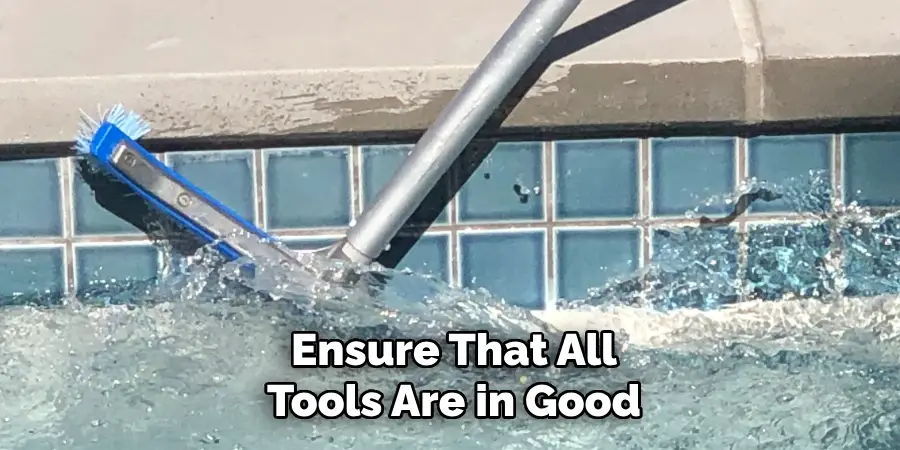
Before proceeding, ensure that all tools are in good working condition and suited to your pool type. Fiberglass, for example, requires softer brushes, while concrete steps can handle firmer materials.
Preparing the Pool Area for Cleaning
Preparation is an often-overlooked but vital step in ensuring a smooth cleaning process. Begin by testing and balancing your pool’s water chemistry to maintain proper levels of pH, alkalinity, and chlorine. Balanced water minimizes the risk of bacterial growth and prevents additional staining or damage to the steps.
Next, turn off pumps, skimmers, and other equipment to keep debris from stirring while you clean. If visibility underwater is poor, consider using goggles or setting up a waterproof light to illuminate the area.
Remove any loose debris floating on the surface or around the steps with a skimmer net to prevent it from resettling. By creating an uncluttered workspace, you can focus entirely on the steps without unnecessary distractions or mishaps.
How to Clean Pool Steps Under Water Step-by-Step Process
Assessment of Cleaning Needs
Start with a detailed inspection of the pool steps to identify areas of concern. Are algae or grime covering large sections? Are there tough stains or mineral deposits? Look for discoloration or buildup in corners and edges, as these are common trouble spots. Assessing the extent of the contamination will help determine whether a light cleaning or a more intensive approach is necessary.
Removing Loose Debris
Before scrubbing, remove as much loose debris as possible. Use a soft brush or pool skimmer to gently clear leaves, dirt, and twigs. Working with a light touch here will minimize the amount of debris that gets stirred into the water or spread to other areas of the pool.
Brushing and Scrubbing the Steps
Start with a soft-bristle brush, applying steady pressure to scrub the surface and loosen algae or grime. Use methodical strokes, beginning at the top of the steps and working your way down.
This technique ensures that dislodged debris settles below, rather than resoiling cleaned areas.
Pay special attention to crevices and edges using a corner brush or a sponge for precision cleaning. If there are stains that don’t respond to initial scrubbing, apply a pool-safe cleaner to a spot and gently rub in circular motions. Avoid using overly harsh cleaners that might damage sensitive surfaces like vinyl.
Using a Pool Vacuum or Submersible Cleaner
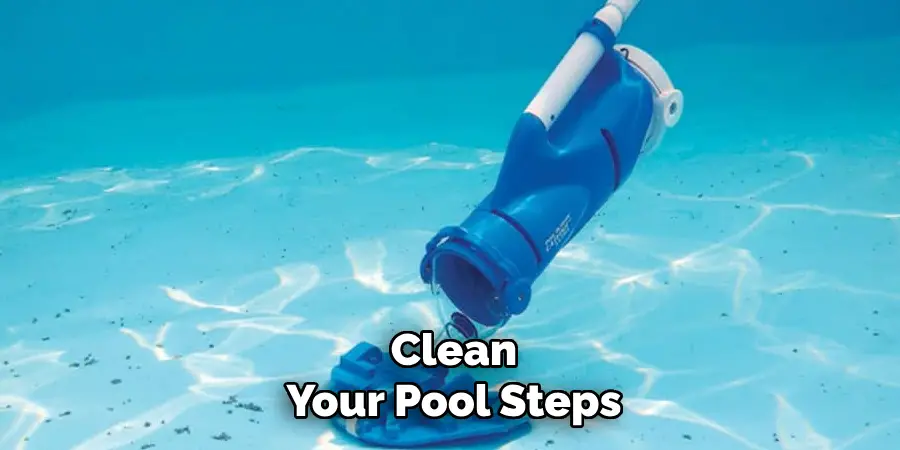
Once the dirt and algae have been loosened, it’s time to remove them from the water itself. A pool vacuum or submersible cleaner will efficiently suction up debris, ensuring a thorough cleanup.
For best results, move the cleaner slowly and methodically across each step, preventing dirt from clouding the water. If your pool has an automated cleaning device, check that it covers all necessary areas during its cycle.
Addressing Algae and Stubborn Stains
Algae often require specialized attention. An algaecide is an effective way to kill and deter regrowth, but it needs to be used sparingly to avoid disrupting the pool’s chemical balance. Alternatively, combine a stiff brush and a pool-friendly cleaner for a hands-on scrubbing approach.
For more persistent stains caused by minerals or oils, a stain-specific remover might be necessary.
Apply the product to the stained section according to manufacturer’s directions, allowing it to sit for the appropriate amount of time before scrubbing. Always test cleaning solutions on a small, inconspicuous area to ensure compatibility with your pool’s surface.
Maintaining Clear Water During the Process
During cleaning, it’s common for water to become cloudy due to disturbed debris. To counteract this, periodically run the pool filter to collect suspended particles. Equip your pool net with a fine mesh skimmer to remove floating debris left behind after vacuuming.
Avoid vigorous scrubbing motions that can excessively stir up dirt. Maintaining water clarity not only makes cleaning easier but also allows you to visually track your progress on each step.
Preventative Measures to Keep Pool Steps Clean
Maintaining pool steps is easier with regular care. Adopting a cleaning schedule is one of the simplest ways to keep contaminants at bay. For example:
- Daily tasks can include skimming debris and checking for visible buildup.
- Weekly tasks might involve light brushing and vacuuming.
- Monthly maintenance can include deep cleaning with specialized products.
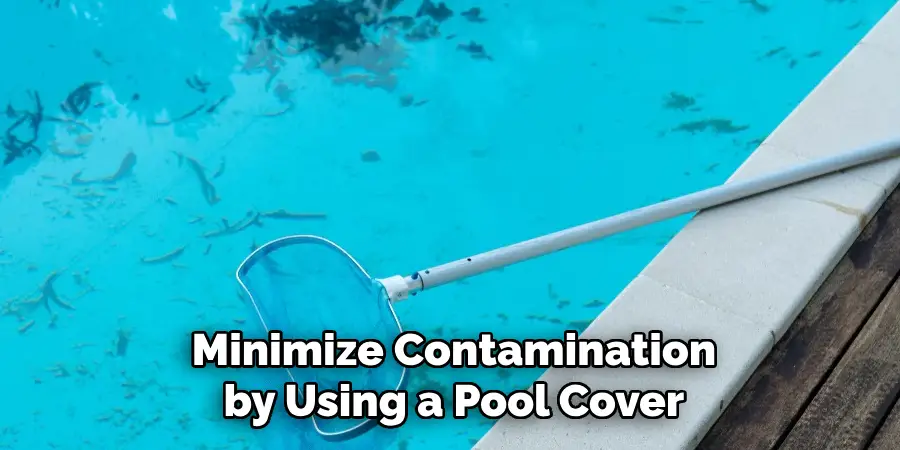
Additionally, minimize contamination by using a pool cover whenever the pool is not in use. Enzyme-based cleaners can also deter organic stains by breaking down oils and debris over time.
Common Mistakes to Avoid When Cleaning Pool Steps
It’s important to note that cleaning pool steps is not just about removing visible dirt and debris. Some common mistakes should be avoided in order to properly maintain your pool steps:
- Using harsh chemicals: Harsh chemicals may seem like an easy solution for tough stains, but they can actually damage the surface of your pool steps or even strip away protective coatings.
- Not using a specialized cleaner: While general pool cleaners may work well on the water, they may not be effective at removing stubborn stains from pool steps. It’s important to use a cleaner specifically designed for pool surfaces.
- Neglecting to clean regularly: Just like with any other cleaning task, regular maintenance is key to preventing a buildup of dirt and grime. Make sure to clean your pool steps regularly, even if they don’t appear dirty at first glance.
- Not using the right tools: It’s important to use the right tools for cleaning pool steps. Using abrasive or sharp tools can damage the surface and create scratches, while using soft sponges may not be effective in removing tough stains.
Long-Term Benefits of Maintaining Clean Pool Steps
Regularly cleaning and maintaining your pool steps not only ensures a safe and enjoyable swimming experience but also has long-term benefits that can save you time and money in the future.
Prevents Staining
Leaving dirt, debris, and algae to build up on your pool steps can cause discoloration, making them look old and worn out. Regular cleaning prevents staining and keeps your pool steps looking new for longer.
Extends Lifespan of Pool Steps
Neglecting to clean your pool steps can lead to damage over time. Algae growth can weaken the structure of the steps, causing cracks or chips. Removing dirt and debris also reduces the risk of slippery surfaces that can cause accidents. By regularly cleaning your pool steps, you can extend their lifespan and save money on costly repairs or replacements.
Improves Overall Pool Aesthetic
A clean and well-maintained pool is visually appealing, and the same goes for your pool steps. Regularly cleaning them not only keeps them in good condition, but it also improves the overall aesthetic of your pool area.
Whether you’re hosting a party or just lounging by the pool, having sparkling clean steps adds to the ambiance and makes for a more enjoyable experience.
Conclusion
Understanding how to clean pool steps under water is essential for maintaining a safe and inviting swimming experience. With the right tools, preparation, and regular upkeep, this task becomes manageable and rewarding.
By following this detailed guide, you can ensure your pool remains spotless, providing an enjoyable environment for you and your guests. Consistent care not only enhances the pool’s appearance but also ensures a longer lifespan for its surfaces. Start implementing these best practices today for a sparkling, hassle-free pool environment.

About
Outdoor Fixes is a distinguished figure in the world of Diy design, with a decade of expertise creating innovative and sustainable Diy solutions.
His professional focus lies in merging traditional craftsmanship with modern manufacturing techniques,
fostering designs that are both practical and environmentally conscious. As the author of diy,
outdoorfixes delves into the art and science of outdoorfixes-making, inspiring artisans and industry professionals alike.
Education RMIT University
(Melbourne, Australia) Associate Degree in Design (Outdoor Fixes) Focus on sustainable design, industry-driven projects,
and practical craftsmanship. Gained hands-on experience with traditional and digital manufacturing tools, such as CAD and CNC software.
Nottingham Trent University
(United Kingdom) Bachelor’s in outdoorfixes.com and Product Design (Honors) Specialized in product design with a focus on blending creativity with production
techniques. Participated in industry projects, working with companies like John Lewis and Vitsoe to gain real-world insights.
Publications and Impact
In diy, Outdoor Fixes his insights on indoor design processes, materials, and strategies for efficient production.
His writing bridges the gap between artisan knowledge and modern industry needs, making it a must-read for both budding designers and seasoned professionals.