
Maintaining a vinyl pool in pristine condition is about more than just appearances—it’s essential for the longevity and safety of your pool. Vinyl pool liners, known for their durability, smoothness, and cost-effectiveness, require regular care to protect against grime, algae, and other contaminants. These liners are durable yet delicate, making it critical to follow a specific cleaning process to prevent damage, such as tearing or fading.
This comprehensive guide will break down how to clean pool vinyl step by step, from preparation to maintenance, ensuring your pool stays sparkling while extending the life of its liner. By adopting these care techniques, you’ll create a safer, more enjoyable pool environment for everyone.
Understanding Vinyl Pool Surfaces
Vinyl pool liners are specially designed for constant water exposure and provide a soft, non-abrasive surface for swimmers. However, they aren’t immune to wear and tear. Over time, oils, sunscreen, dirt, algae, and minerals from hard water can accumulate on the vinyl, leading to unattractive stains, discoloration, or a slippery surface.
The softer nature of vinyl makes it more susceptible to damage than harder pool materials, such as tiles or fiberglass. Scratches and tears can appear if improper methods or tools are used. Worse, neglecting buildup can weaken the material, causing it to eventually crack or degrade. Understanding these potential vulnerabilities reinforces the need for consistent care and the use of safe cleaning tools.
Tools and Supplies Needed for Cleaning Vinyl Pools
To ensure your cleaning process is smooth and effective, start by gathering the appropriate tools and cleaning supplies. Using the wrong tools risks damaging your liner, so prioritize products that are specifically designed for vinyl pools:
- Soft-Bristled Brush: Perfect for gently removing dirt and grime without scratching the liner.
- Vinyl-Safe Pool Vacuum: Removes settled debris without harsh movements that might tear the liner.
- Non-Abrasive Sponge: Essential for cleaning sensitive areas like the waterline.
- Vinyl Cleaning Solution: Choose eco-friendly products formulated for vinyl; avoid harsh chemicals like bleach.
- Pool Skimmer and Net: Help clear surface debris before cleaning begins.
- Water Testing Kit: Ensures the pool’s water chemistry is balanced prior to cleaning.
- Microfiber Cloth: Useful for wiping down areas to achieve a spotless finish.
Avoid metal brushes, scouring pads, or sharp cleaning tools that can cause extensive damage to vinyl.
Preparing the Pool for Cleaning
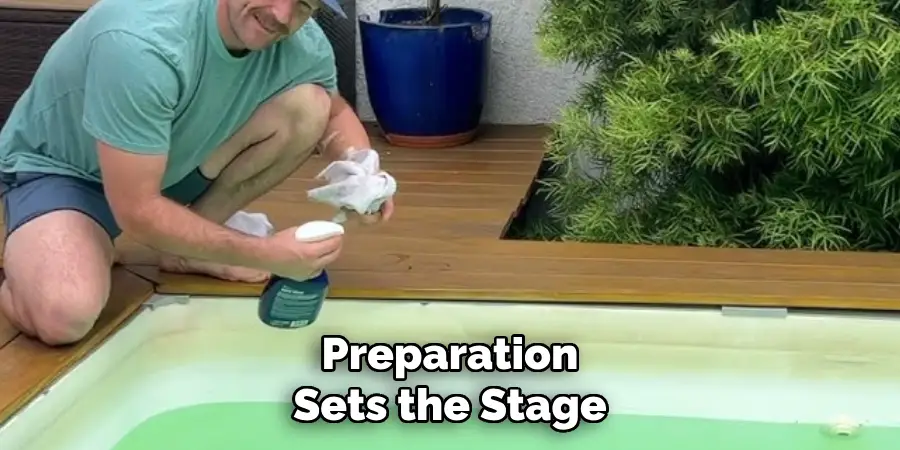
Preparation sets the stage for a flawless cleaning process. Start by testing and adjusting the pool water’s chemical levels, an essential step in preserving the liner’s integrity. Maintain pH levels between 7.4-7.6 to prevent scaling and stains. Balanced water also helps minimize algae growth and residue buildup that compromises the vinyl’s durability.
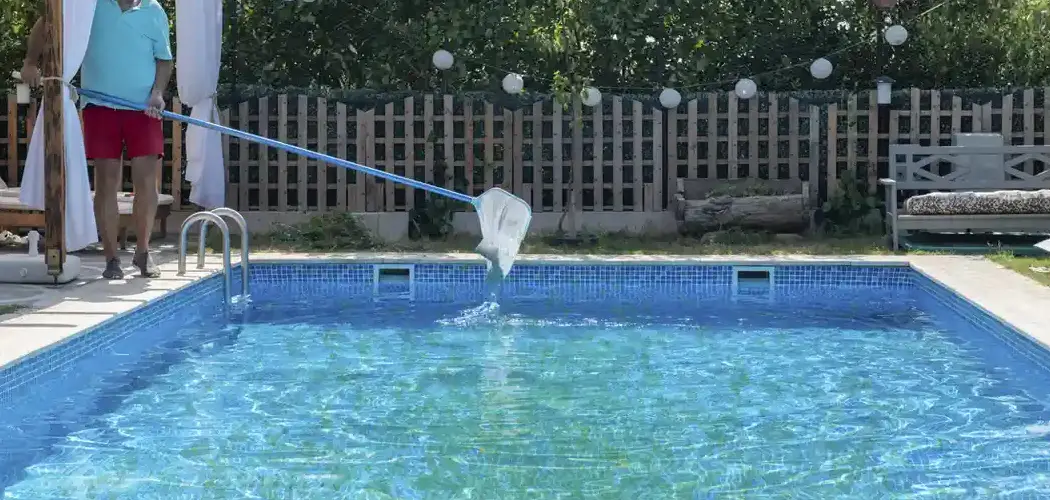
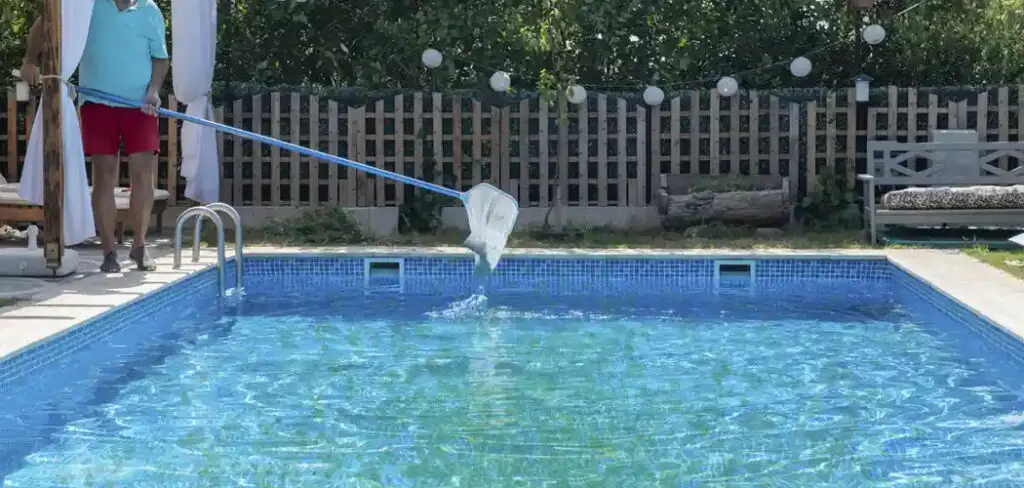
Next, remove floating debris such as leaves or bugs using a skimmer.
This clears the pool surface and makes problem areas like stains easier to spot. Inspect the liner for tears, cracks, or any weak points. Repair minor damages before cleaning to prevent aggravating the problem during scrubbing or vacuuming. These small steps promote efficiency and prevent complications later.
How to Clean Pool Vinyl: Spot Cleaning Stains on Vinyl Pool Surfaces
Identifying Stain Types
Identifying the cause of a stain helps you address it effectively.
- Algae Growth: Appears as green or dark streaks; common in shaded areas.
- Organic Stains: Caused by leaves, dirt, or oils and often have brownish tones.
- Metal Stains: Result from minerals such as copper or iron in the water and appear greenish, reddish, or even black.
Each stain type may require slight variations in treatment, so recognizing the source is critical to effective cleaning.
Using Spot Cleaning Methods
Begin by targeting small, isolated stains with a non-abrasive sponge or soft cloth. Apply a cleaner specifically made for vinyl surfaces and gently scrub the stained area in circular motions. For stubborn algae spots, consider using an algaecide approved for vinyl pools.
Always test the cleaner on a small, inconspicuous area first to confirm compatibility with your liner. Spot cleaning limits unnecessary contact of cleaning agents with the rest of the liner, prolonging its life.
General Cleaning of Vinyl Pool Surfaces
Brushing the Vinyl Surface
Start by brushing the pool liner to lift dirt or grime adhering to the walls and floor. Use a soft-bristled brush and work systematically, starting at the top and moving down.
This prevents debris from resoiling already-cleaned sections. Pay special attention to ridges, corners, and steps, where residue tends to accumulate. Brushing not only maintains cleanliness but also prevents the liner from appearing dull or faded.
Vacuuming the Pool
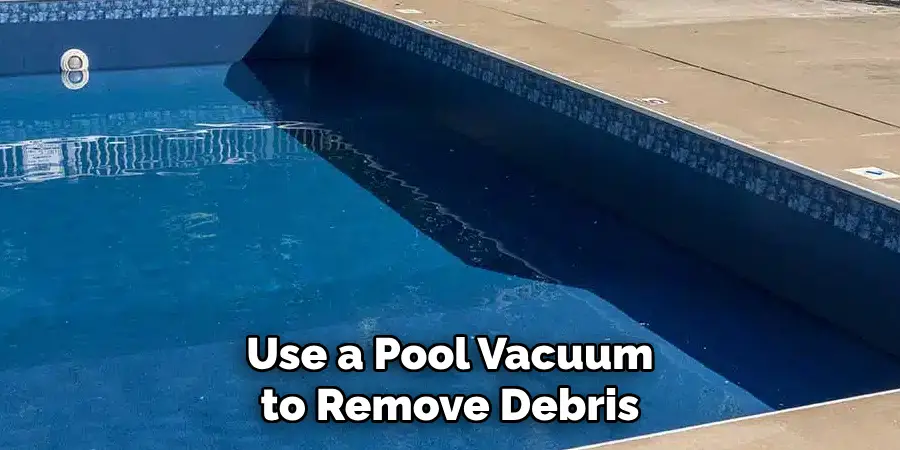
After brushing, use a pool vacuum to remove debris from the bottom. Look for models compatible with vinyl, as some vacuum types may exert unnecessary force or sharp edges on the liner. Slowly guide the vacuum across the pool floor, ensuring thorough coverage without stirring up particles.
Cleaning the Waterline
The waterline often collects oils from sunscreen, grime, and mineral deposits, leaving an unsightly ring around the pool. Use a non-abrasive sponge dipped in a vinyl-approved cleaner for this area. Wipe gently until the streaks and residue disappear, leaving a clean and polished finish.
Removing Algae from Vinyl Pools
Brushing Affected Areas
Algae can easily grow in areas with minimal circulation, such as behind ladders and corners. To remove algae from these areas, use a pool brush to scrub the affected area. This action will break up the algae and make it easier for the sanitizer to kill them.
Adding Shock and Algaecide
After brushing, add shock and algaecide to the pool according to the manufacturer’s instructions. Shock is a highly concentrated form of chlorine that helps eliminate algae quickly. Algaecide is a chemical that prevents the future growth of algae by disrupting their reproduction process.
Running the Pump and Filter
Make sure your pump and filter are running during this process. The water needs to circulate to evenly distribute the shock and algaecide throughout the pool. Let the pump run for at least 8 hours before checking the water again.
Preventative Measures for Vinyl Pool Maintenance
Prevention is the best way to save time and effort. Implement the following practices to keep your vinyl pool in top shape year-round:
Regular Brushing and Vacuuming
Brushing and vacuuming your pool regularly helps prevent the buildup of algae and bacteria. Use a pool brush to scrub the walls, floor, and steps of your pool at least once a week. Vacuum your pool at least twice a week to remove any debris that may have accumulated.
Maintaining Proper Water Chemistry
Maintaining proper water chemistry is crucial for keeping your vinyl pool in good condition. Test your water regularly and adjust chemicals as needed to maintain proper levels of pH, alkalinity, calcium hardness, and chlorine.
Skimming and Cleaning Out Skimmer Baskets
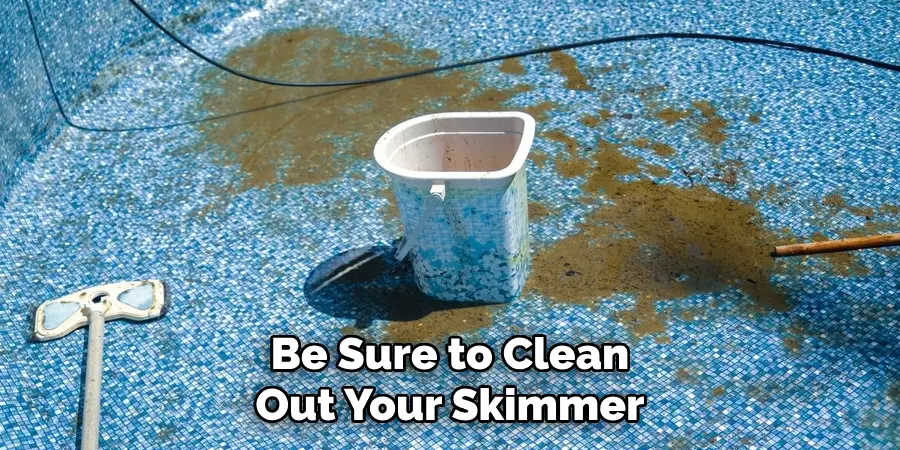
Skim leaves, insects, and other debris from the surface of your pool daily. This prevents them from sinking to the bottom and potentially causing stains or clogging filters. Also, be sure to clean out your skimmer baskets at least once a week to keep them functioning properly and prevent debris from clogging up your pool’s filtration system.
Common Mistakes to Avoid When Cleaning Pool Vinyl
Mistakes during cleaning can lead to unnecessary damage and costly repairs. To avoid common pitfalls:
Never Use Harsh Chemicals
Harsh chemicals such as bleach, ammonia, and acid-based cleaners can damage the vinyl lining of your pool. Stick to mild detergents or specially formulated pool cleaners.
Avoid Using Abrasive Tools
Abrasive tools like steel wool or hard-bristled brushes may seem effective for scrubbing away tough stains, but they can scratch and damage the vinyl surface of your pool.
Don’t Forget to Rinse
After cleaning with any type of cleaner, be sure to thoroughly rinse off the surface of your pool with clean water. Residue from cleaners can cause discoloration or even weaken the vinyl over time.
Always Test New Products
Before using a new cleaner or chemical on your vinyl pool, it’s important to test it in a small inconspicuous area first. This will ensure that the product is safe and effective for use on your specific pool.
Benefits of Proper Vinyl Pool Cleaning
Consistent and correct cleaning of your vinyl pool delivers several benefits. A spotless liner enhances the pool’s aesthetic appeal, making it more inviting. It also ensures longer life for the liner itself, saving you money on premature replacements.
Cleaner liners improve water quality, creating a safer and more enjoyable swimming environment.
Investing time in maintenance not only ensures your pool looks great but also provides peace of mind knowing it’s a healthier space for everyone.
Conclusion
Understanding how to clean pool vinyl is the key to maintaining a vibrant, long-lasting liner that enhances the overall pool experience. With a thoughtful and gentle cleaning routine, you can address stains, remove grime, and safeguard the integrity of your liner.
Regular care, paired with preventative measures, reduces long-term maintenance efforts and costs while allowing your pool to remain a welcoming, fun, and safe space.
Take charge of your pool’s vinyl care today to enjoy the rewards of a bright and beautiful swimming area for years to come!

About
Outdoor Fixes is a distinguished figure in the world of Diy design, with a decade of expertise creating innovative and sustainable Diy solutions.
His professional focus lies in merging traditional craftsmanship with modern manufacturing techniques,
fostering designs that are both practical and environmentally conscious. As the author of diy,
outdoorfixes delves into the art and science of outdoorfixes-making, inspiring artisans and industry professionals alike.
Education RMIT University
(Melbourne, Australia) Associate Degree in Design (Outdoor Fixes) Focus on sustainable design, industry-driven projects,
and practical craftsmanship. Gained hands-on experience with traditional and digital manufacturing tools, such as CAD and CNC software.
Nottingham Trent University
(United Kingdom) Bachelor’s in outdoorfixes.com and Product Design (Honors) Specialized in product design with a focus on blending creativity with production
techniques. Participated in industry projects, working with companies like John Lewis and Vitsoe to gain real-world insights.
Publications and Impact
In diy, Outdoor Fixes his insights on indoor design processes, materials, and strategies for efficient production.
His writing bridges the gap between artisan knowledge and modern industry needs, making it a must-read for both budding designers and seasoned professionals.