
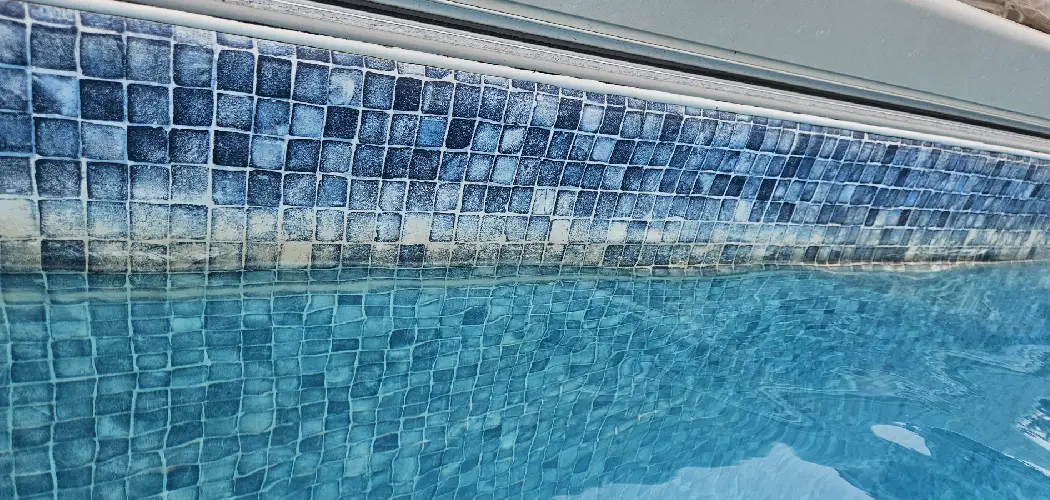
Keeping your pool liner clean is essential for maintaining both the appearance and longevity of your pool. One common issue many pool owners face is the formation of a ring around the liner, which can result from oils, dirt, sunscreen, and other debris accumulating over time.
If left untreated, this ring can become stubborn and difficult to remove. This guide explores the key aspects of how to clean ring around pool liner.
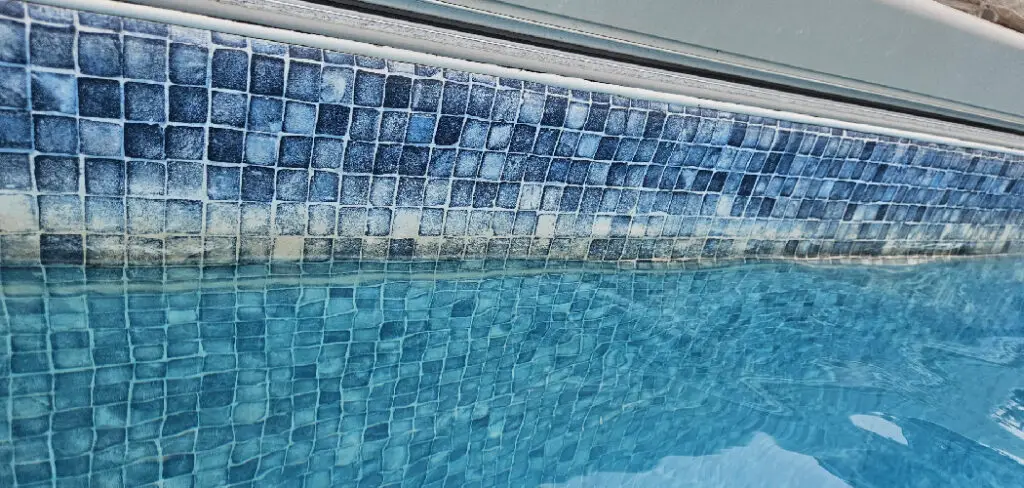
Why the Ring Forms Around a Pool Liner
The ring around a pool liner typically forms as a result of various contaminants introduced into the pool. These can include body oils, sweat, sunscreen, lotions, and other personal care products used by swimmers. Additionally, dirt, pollen, and debris from the environment can settle on the water’s surface and adhere to the liner over time.
When the water level fluctuates due to evaporation, splashing, or draining, these residues are left behind, leading to the formation of the ring. Chlorine and other chemicals in the water can also interact with these substances, causing buildup or staining. Understanding the causes of the ring is the first step in effectively preventing and managing it.
Supplies You’ll Need
To effectively clean and prevent the formation of a waterline ring in your pool, you’ll need the following supplies:
- Soft-Bristle Brush: For scrubbing the pool’s walls and removing residue without damaging the liner.
- Pool Surface Cleaner: A specially formulated cleaning solution designed to break down oils, dirt, and stains on pool surfaces.
- Microfiber Cloth or Sponge: For wiping down the waterline and applying cleaning products.
- Protective Gloves: To safeguard your hands when handling cleaning chemicals.
- Pool Test Kit: To monitor and maintain balanced water chemistry, preventing residue buildup.
- Skimmer or Pool Net: For removing debris from the water’s surface, minimizing contaminants that contribute to the ring.
Having these supplies on hand ensures you’re well-equipped to tackle waterline maintenance and keep your pool looking spotless.
10 Methods How to Clean Ring around Pool Liner
1. Clean with a Vinyl-Safe Pool Liner Cleaner
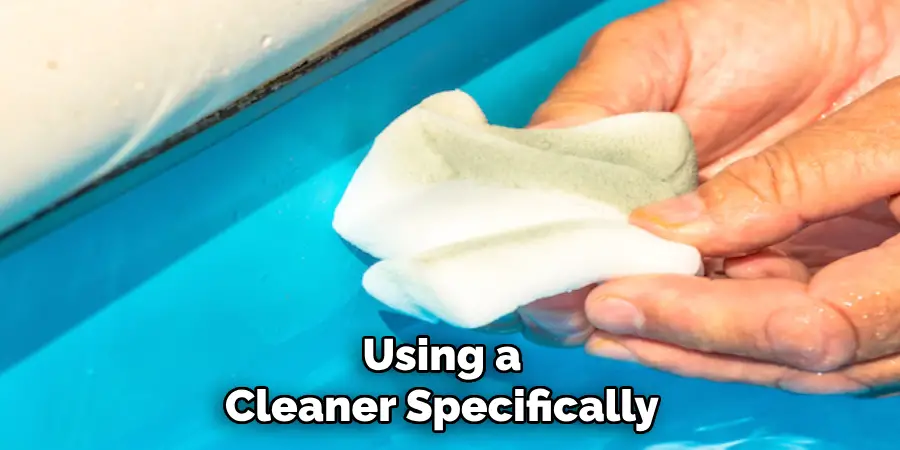
One of the most reliable ways to clean the ring around a pool liner is by using a cleaner specifically made for vinyl pool surfaces. These cleaners are gentle on the liner but strong enough to break down oils, dirt, and mineral buildup. Apply the cleaner directly to a soft sponge or cloth and work it into the stained areas in small circular motions.
Avoid spraying the product directly into the pool water. Rinse the area with clean pool water after scrubbing to prevent residue from affecting water chemistry.
2. Use Baking Soda Paste for Gentle Scrubbing
For a more natural and cost-effective solution, a baking soda paste works wonders. Simply mix three parts baking soda with one part water to form a paste. Apply it to the stained liner using a soft cloth or non-abrasive sponge. Let it sit for a few minutes, then gently scrub the area in circles.
Baking soda is mildly abrasive, which helps lift grime without damaging the vinyl. After cleaning, rinse the spot well to ensure no residue is left behind in the pool.
3. Apply White Vinegar and Warm Water
White vinegar is another effective household cleaner for tackling calcium buildup and other light stains on vinyl liners. Mix equal parts white vinegar and warm water in a spray bottle. Spray directly onto the ring, let it sit for 10–15 minutes, and then scrub using a microfiber cloth or sponge.
The acidity of vinegar helps dissolve mineral deposits and greasy films without harsh chemicals. Once cleaned, rinse the area with pool water to maintain proper pH levels.
4. Use a Melamine Sponge (Magic Eraser)
Melamine sponges, such as Magic Erasers, offer a quick and convenient way to tackle stubborn waterline stains. Simply wet the sponge and gently scrub the ring on the liner. The unique material can lift stains without the use of any additional cleaner.
Be careful not to apply too much pressure, as aggressive scrubbing may dull the finish of the vinyl over time. This method is especially useful for spot-treating high-traffic or heavily used areas of the pool.
5. Clean During Water Changes or Low Water Levels
If you’re planning a partial drain or end-of-season maintenance, take advantage of the lower water levels to clean exposed sections of the liner thoroughly. With more surface exposed, you can scrub the ring more effectively without getting wet or disturbing the pool’s water balance. Use your cleaner of choice, whether it’s a commercial solution or a DIY mix, and follow up with a thorough rinse.
This is the ideal time for deep cleaning since accessibility is at its peak.
6. Use a Soft Pool Brush on a Telescoping Pole
For larger pools or hard-to-reach areas, attach a soft-bristled brush to a telescoping pole. Dip the brush into a solution of mild soap or vinegar and scrub the waterline ring without having to lean over or get in the pool. This method allows you to apply even pressure and reach corners or deep sections. Be sure to choose a brush labeled safe for vinyl liners to avoid scratching or gouging the surface.
7. Tackle Greasy Buildup with Enzyme-Based Cleaners
If sunscreen, body oils, and other organic materials are causing the ring, enzyme-based cleaners are your best bet. These products break down organic waste at the molecular level, effectively eliminating greasy films and preventing future buildup. Spray the cleaner on a cloth and wipe down the affected area. Let the enzymes work for a few minutes before rinsing with pool water. This method is especially useful during summer when pool use is high and sunscreen use is frequent.
8. Use a Scumbug or Oil-Absorbing Sponge as Preventative Care
While not a cleaning method per se, using an oil-absorbing sponge like the Scumbug can help prevent the formation of waterline rings. These specially designed sponges float in your pool and absorb body oils, lotions, and other greasy contaminants before they can settle along the liner. Adding this to your pool care routine reduces the frequency of cleaning and maintains a fresher appearance around the waterline.
9. Rinse Swimmers Before They Enter the Pool
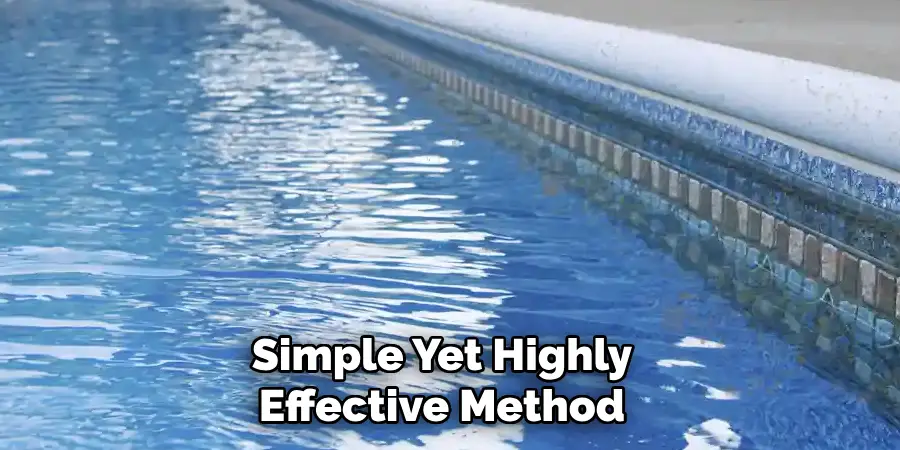
A simple yet highly effective method to prevent the buildup of grime around your pool liner is to encourage everyone to rinse off before entering the pool. Use an outdoor shower or hose to wash off sunscreen, sweat, and dirt. The fewer oils and lotions introduced into the pool, the less likely they are to accumulate on the liner. This proactive approach reduces maintenance time and prolongs the cleanliness of your pool surfaces.
10. Create and Stick to a Weekly Maintenance Routine
Ultimately, the best way to manage waterline rings is to clean the liner regularly. Incorporate a quick wipe-down of the pool liner into your weekly maintenance routine. Whether you use baking soda, vinegar, or a specialized cleaner, addressing minor buildup early prevents it from becoming a major issue. Consistency helps avoid staining, maintains your pool’s appearance, and keeps the liner in top condition throughout the swimming season.
Things to Consider When Cleaning the Pool Liner
When cleaning the pool liner, there are several important factors to keep in mind to ensure effective cleaning without causing damage. First, always check the compatibility of the cleaning product with your pool liner material to avoid discoloration or wear. Avoid using harsh chemicals or abrasive tools, as they can scratch or degrade the liner.
Additionally, rinse thoroughly after cleaning to prevent residue from impacting the pool’s water chemistry. Lastly, consider environmental factors like weather conditions, as cleaning on hot, sunny days can cause cleaning agents to dry too quickly, reducing their effectiveness.
Common Mistakes to Avoid
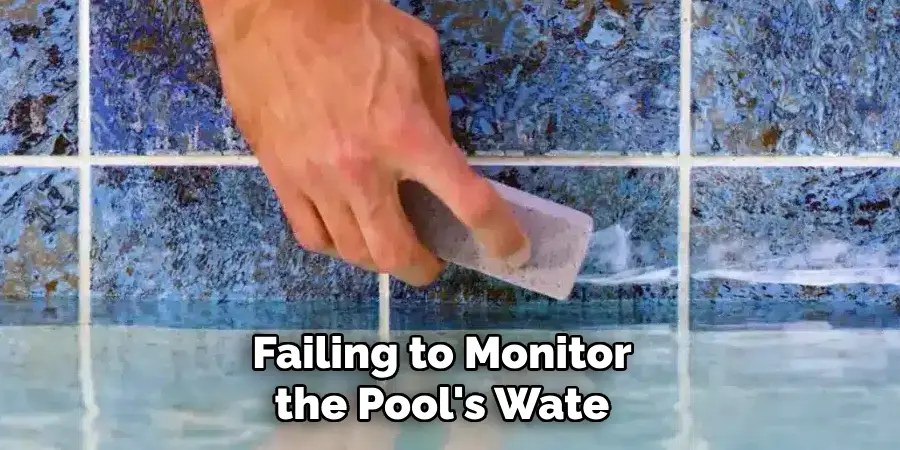
When maintaining your pool liner, there are several common mistakes that can lead to costly repairs or unnecessary wear. One major mistake is neglecting regular maintenance, which can allow debris and algae to build up, making cleaning more challenging. Another frequent error is using improper cleaning products, such as household cleaners not designed for pool liners, which can result in discoloration or chemical imbalances.
Over-scrubbing with abrasive tools or brushes is another pitfall, as it can lead to scratches or premature degradation of the liner.
Additionally, failing to monitor the pool’s water chemistry after cleaning can cause long-term issues, as any leftover cleaning agents can disrupt the balance. By avoiding these mistakes, you can extend the life of your pool liner and ensure a clean and safe swimming environment.
Conclusion
Cleaning the ring around a pool liner doesn’t have to be a daunting task. With the right tools, cleaners, and techniques, you can keep your pool looking sparkling clean and prevent the buildup from becoming permanent. From natural solutions like baking soda and vinegar to commercial vinyl-safe and enzyme cleaners, there are multiple approaches to suit every preference and pool type.
Thanks for reading, and we hope this has given you some inspiration on how to clean ring around pool liner!

About
Outdoor Fixes is a distinguished figure in the world of Diy design, with a decade of expertise creating innovative and sustainable Diy solutions.
His professional focus lies in merging traditional craftsmanship with modern manufacturing techniques,
fostering designs that are both practical and environmentally conscious. As the author of diy,
outdoorfixes delves into the art and science of outdoorfixes-making, inspiring artisans and industry professionals alike.
Education RMIT University
(Melbourne, Australia) Associate Degree in Design (Outdoor Fixes) Focus on sustainable design, industry-driven projects,
and practical craftsmanship. Gained hands-on experience with traditional and digital manufacturing tools, such as CAD and CNC software.
Nottingham Trent University
(United Kingdom) Bachelor’s in outdoorfixes.com and Product Design (Honors) Specialized in product design with a focus on blending creativity with production
techniques. Participated in industry projects, working with companies like John Lewis and Vitsoe to gain real-world insights.
Publications and Impact
In diy, Outdoor Fixes his insights on indoor design processes, materials, and strategies for efficient production.
His writing bridges the gap between artisan knowledge and modern industry needs, making it a must-read for both budding designers and seasoned professionals.