
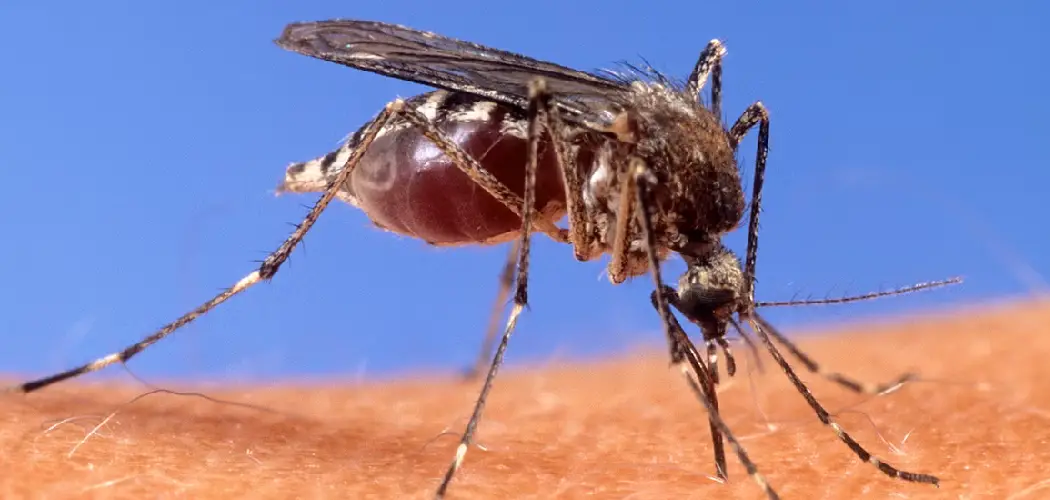
Summer is the season of sunny days, picnics, and backyard barbeques. However, it also brings along some pesky visitors that can easily spoil all the fun – mosquitoes.
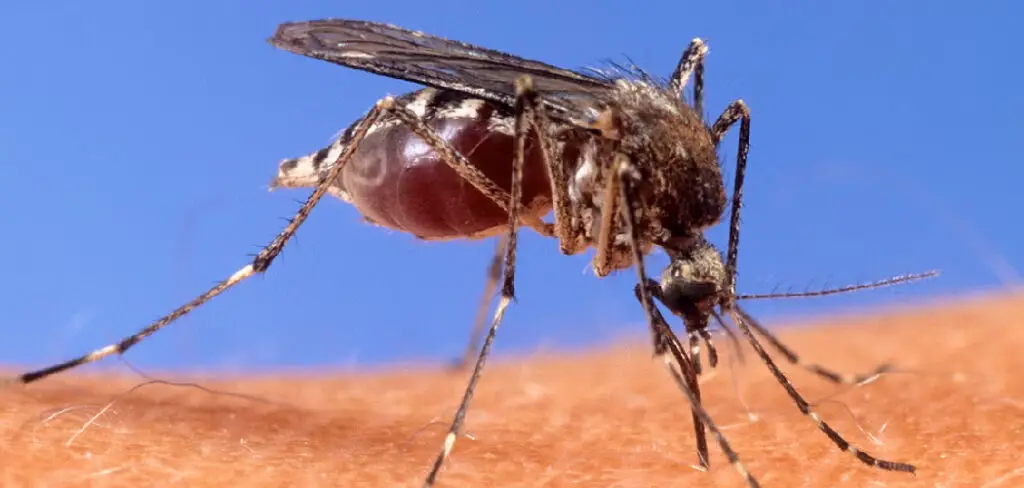
These tiny blood-sucking insects are not only annoying but can also carry various diseases like malaria and dengue fever. Therefore, it is essential to control their population in your outdoor space, especially if you have a pond in your yard. Ponds provide an ideal breeding ground for mosquitoes due to their stagnant water and surrounding vegetation.
But don’t worry; in this blog post, we will discuss effective methods for how to control mosquitoes in pond so that you can enjoy your summertime without any buzzing interruptions.
From natural remedies to professional treatments, we have got you covered with everything you need to know about mosquito control for your pond. So keep reading and get ready to say goodbye to those irritating pests!
The Lifecycle of Mosquitoes in Ponds
Before we delve into the methods of controlling mosquitoes, let’s first understand their lifecycle. Female mosquitoes lay their eggs on or near water bodies like ponds, where they hatch into larvae within two days. These larvae then develop into pupae and eventually emerge as adult mosquitoes after a few days. This entire process takes around seven to ten days, depending on the temperature and other environmental factors. Therefore, controlling mosquitoes in their early stages is crucial to prevent them from becoming a nuisance.
10 Best Methods on How to Control Mosquitoes in Pond
1. Use Natural Mosquito Predators:
One of the most effective and environmentally friendly ways to control mosquitoes in your pond is by introducing natural predators. These include fish like Gambusia, also known as mosquito fish, which feed on mosquito larvae and pupae.
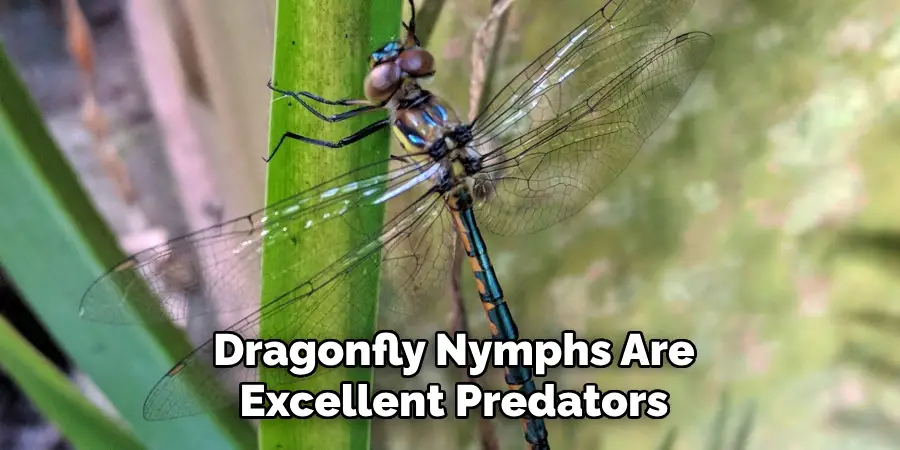
Similarly, dragonfly nymphs are excellent predators for adult mosquitoes. You can find these at your local pet store or online and introduce them to your pond. Using natural predators is a long-term solution that not only controls the mosquito population but also maintains the ecosystem balance in your pond.
2. Install a Fountain or Waterfall:
Mosquitoes prefer stagnant water for breeding, so adding movement to your pond can help control their population. Installing a fountain or waterfall will keep the water moving and prevent mosquitoes from laying eggs.
Plus, it also adds a beautiful aesthetic to your pond and creates a soothing sound in your backyard. This method is especially useful if you have a small pond.
3. Clean Up Your Pond Regularly:
Another essential step in controlling mosquitoes is maintaining cleanliness in your pond. Remove any debris, such as leaves or twigs, from the surface regularly as these can provide breeding grounds for mosquitoes.
Also, trim any overgrown vegetation around the pond, as it can provide shade and attract female mosquitoes to lay their eggs. Additionally, clean out your pond filter regularly to prevent any blockages that may lead to stagnant water.
4. Use Mosquito Dunks:
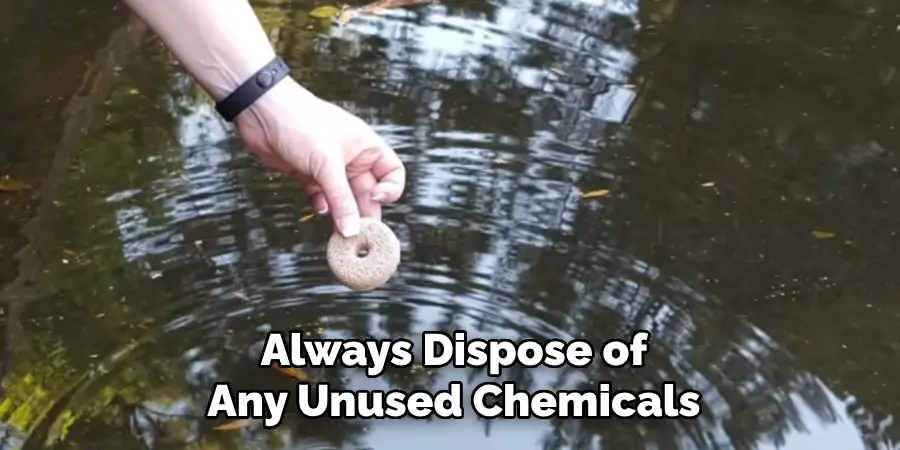
If you have a large pond or are unable to install a fountain or waterfall, you can use mosquito dunks as an effective alternative. These are small, donut-shaped disks containing a natural bacteria called Bacillus thuringiensis israelensis (BTI).
When placed in water, the dunks release this bacteria, which targets and kills mosquito larvae without harming any other organisms in your pond. Using mosquito dunks is a safe and easy way to control mosquitoes without using harmful chemicals.
5. Add Mosquito-Repellent Plants:
Several plants have natural repellent properties that can help keep mosquitoes away from your pond. These include citronella, catnip, lavender, and basil.
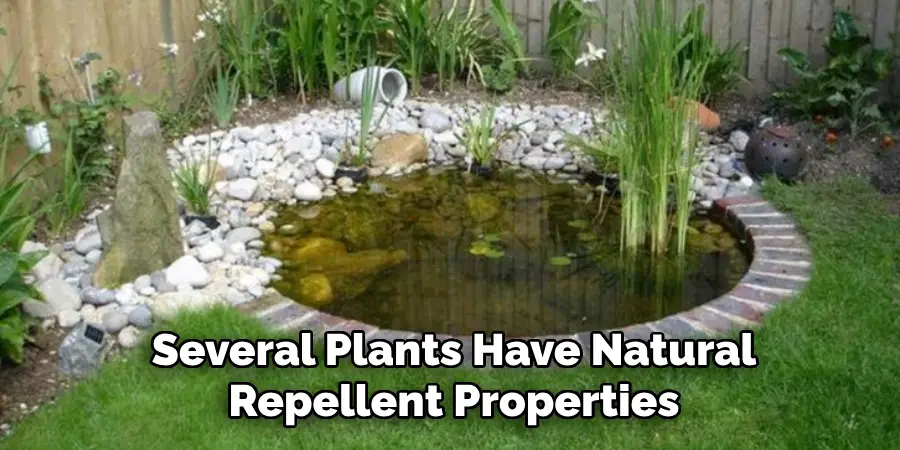
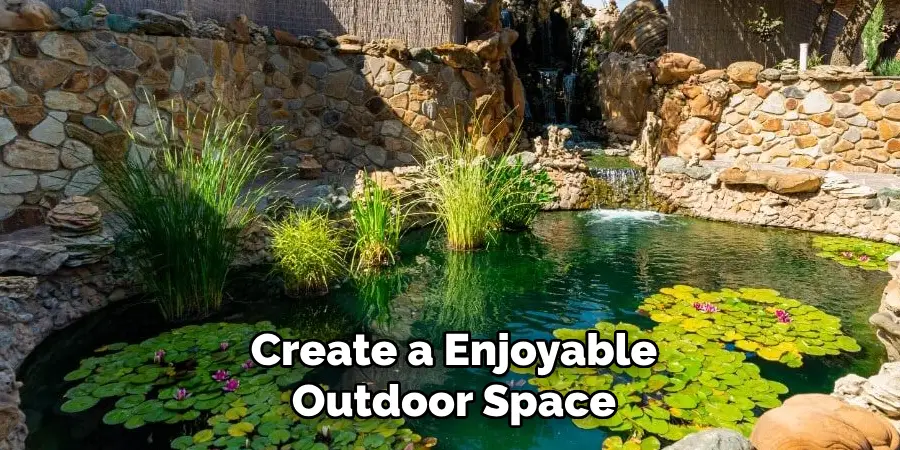
Planting these around the edges of your pond can create a protective barrier and reduce the number of mosquito eggs laid near the water. Plus, these plants also add a pleasant aroma to your backyard, making it a more enjoyable space.
6. Use Mosquito Traps:
Mosquito traps are another effective method for controlling their population in ponds. These traps use carbon dioxide, heat, and other attractants to lure mosquitoes and trap them inside. You can either purchase a mosquito trap or make one at home using a plastic bottle, yeast, and sugar solution. Place these traps around your pond to catch adult mosquitoes before they lay eggs.
7. Consider Using Insecticides:
If you have a severe infestation of mosquitoes in your pond, you may need to use insecticides as a last resort. However, it is essential to use them responsibly and follow the instructions carefully to avoid harming other organisms in your pond.
Look for biodegradable insecticides that target mosquito larvae specifically and do not harm fish, plants, or beneficial insects like dragonfly nymphs. This method is best used in combination with other preventive measures.
8. Use Mosquito Nets:
If you have a small pond with fish or other aquatic life, using mosquito nets can be an effective way to protect them from mosquito larvae and pupae.
These nets cover the surface of the water, preventing mosquitoes from laying their eggs. Make sure to secure the net tightly so that there are no gaps for mosquitoes to enter. This method is especially useful if you have a small patio pond or garden pond.
9. Avoid Overfeeding Fish:
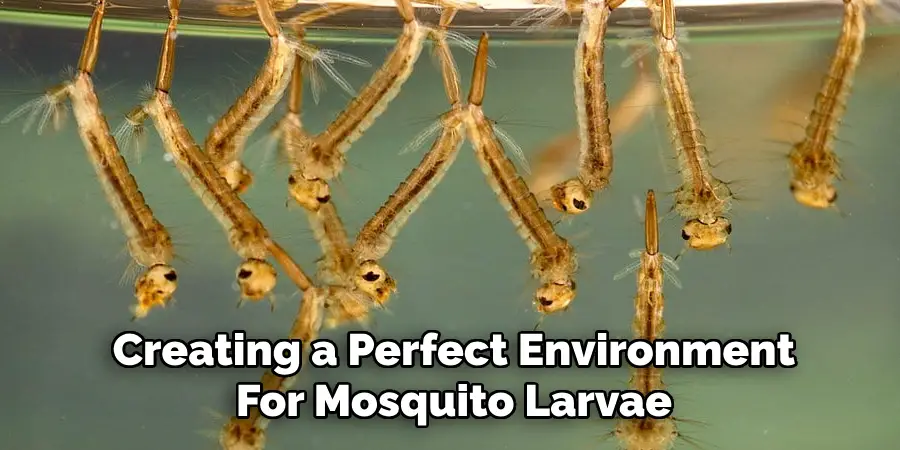
Overfeeding fish in your pond can lead to an excess of nutrients, creating a perfect environment for mosquito larvae to thrive. Therefore, it is essential to only feed them what they can consume in a few minutes and avoid leaving any food behind.
Additionally, make sure to clean up any uneaten food promptly. If you have a large pond with many fish, consider adding more plants to help balance the nutrients in the water.
10. Try DIY Mosquito Sprays:
If you prefer natural remedies and are comfortable making your spray, there are several recipes available online using essential oils like lemon eucalyptus, lavender, or peppermint.
These sprays can be applied to the surface of your pond to repel mosquitoes. However, make sure to use oils that are safe for aquatic life and do not harm any beneficial insects in your pond.
By implementing these ten methods, you can effectively control mosquitoes in your pond and create a pleasant outdoor space for you and your family to enjoy.
Remember to regularly maintain cleanliness in and around your pond, introduce natural predators, and use environmentally friendly methods to keep your pond healthy and mosquito-free. So, take action now and enjoy a peaceful summer in your backyard without the nuisance of mosquitoes!
Additional Tips and Tricks to Control Mosquitoes in Pond
1. If you have a compost or manure pile near your pond, make sure to cover it or move it away from the pond. Mosquitoes are attracted to these piles and will lay eggs in them.
2. Consider adding fish such as goldfish, guppies, or minnows to your pond. These fish feed on mosquito larvae and can help reduce the mosquito population. Just be sure to properly care for the fish and not overfeed them.
3. Install a pond aerator or fountain. Mosquitoes prefer still, stagnant water to lay their eggs in. By keeping the water moving, you make it less appealing to mosquitoes as they prefer calm waters.
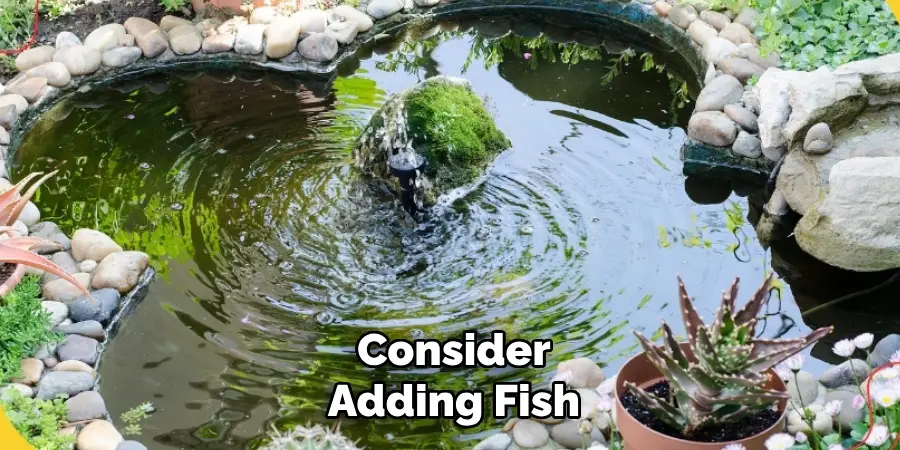
4. Keep your pond clean and free of debris. This includes regularly removing any fallen leaves, branches, or grass clippings from the surface of the water. Mosquitoes can use these as breeding sites and also hide in them during the day.
5. Consider using natural predators such as dragonflies or damselflies to control mosquito populations. These insects feed on mosquitoes and their larvae and can be introduced to your pond through special kits or by creating a suitable habitat for them near the pond.
6. Use natural repellents such as citronella candles or essential oils to repel mosquitoes from your pond area. These can help reduce the number of mosquitoes in the surrounding area and make it less attractive for them to breed in your pond.
7. If you have a pond with a liner, consider installing a slope or shelf around the perimeter. This will allow for birds, frogs, and other natural predators to access the water easily and feed on any mosquito larvae.
8. Try planting mosquito-repelling plants around your pond such as lemongrass, catnip, or marigolds. These plants have scents that repel mosquitoes and can also add beauty to your pond area.
9. Regularly check and maintain the water level in your pond. Mosquitoes can lay their eggs in dry areas that may become submerged when it rains, so keeping a consistent water level can help prevent this.
10. Lastly, be aware of any potential breeding sites around your property such as old tires, buckets, or clogged gutters. These should be regularly checked and removed to prevent any potential mosquito breeding.
Following these additional tips and tricks can help effectively control mosquitoes in your pond and create a more enjoyable outdoor space for you to enjoy. Remember, prevention is key when it comes to controlling mosquito populations, so regular maintenance and monitoring of your pond are crucial. Happy mosquito-free pond keeping!
Safety Precautions Need to Be Followed for Controlling Mosquitoes in Pond
1. First and foremost, take the necessary safety precautions before using any mosquito control products or methods in your pond. This includes wearing protective gear such as gloves and a face mask to avoid direct contact with the chemicals.
2. It is important to follow instructions carefully when using chemical pesticides or larvicides in your pond. Make sure to read the labels and warnings provided by the manufacturer and use the products according to their specific guidelines.
3. Avoid spraying pesticides or larvicides on windy days as this can cause the chemicals to drift and potentially harm beneficial insects, animals, or even humans in the surrounding areas.
4. If you have a pond with fish, be cautious when choosing a mosquito control method. Some chemical products may be harmful to fish and other aquatic life, so make sure to use products that are safe for your specific type of fish.
5. If you have pets or other animals near the pond, be aware that some mosquito control products may also be harmful to them. Keep them away from the treated area and only use pet-friendly products if necessary.
6. Consider using natural methods of controlling mosquitoes in your pond such as introducing mosquito-eating fish, adding plants that repel mosquitoes, or using bacteria-based larvicides. These methods are often safer for the environment and other living creatures in and around your pond.
7. Always dispose of any unused chemicals properly according to local regulations. Do not pour them into the pond or any nearby bodies of water as this can have harmful effects on the ecosystem. Follow the instructions provided on the product label for proper disposal.
8. If you are unsure about which mosquito control method to use, consult a professional pest control company or your local extension office for advice and guidance. They can provide you with information on safe and effective methods for controlling mosquitoes in your pond.
Following these safety precautions is essential for maintaining a healthy and safe environment in and around your pond. By using the right products and methods, you can effectively control mosquito populations without causing harm to yourself or the surrounding ecosystem. Remember to always prioritize safety when dealing with any type of pest control in your pond.
Troubleshooting Tips for Controlling Mosquitoes in a Pond
1. Mosquitoes prefer to breed in stagnant water or areas with poor circulation. It is essential to ensure that your pond has a working filtration system and regular water changes to maintain good water quality.
2. Test the water pH levels, as mosquitoes thrive in neutral pH levels (around 7). If necessary, add a buffer or use plants and rocks as natural buffers to maintain a slightly acidic pH.
3. If you have an ornamental pond, consider adding fish like goldfish or mosquito-eating fish such as guppies or fathead minnows. These small fish will feed on mosquito larvae and help control their population.
4. Install a fountain, waterfall, or aerator in your pond to keep the water moving. This not only creates a more visually appealing and healthy environment for your fish but also discourages mosquitoes from laying their eggs.
5. Remove any potential breeding sites for mosquitoes such as standing water in plant pots, old tires, or gutters. These areas can easily collect stagnant water and become prime spots for mosquito breeding.
6. Consider using larvicides specifically designed to target mosquito larvae. These can be found at most hardware or garden stores and are safe for fish, plants, and other wildlife in your pond.
7. If you have a large body of water such as a lake or large pond, consider using biological controls such as bacteria-based products that target mosquito larvae. These are safe for the environment and do not harm other aquatic life.
8. Regularly clean and maintain your pond to prevent any debris or organic matter from building up. This not only helps control mosquito breeding but also promotes a healthier ecosystem for your fish and plants.
9. Insecticides should be used as a last resort and with caution, especially if you have fish in your pond. If necessary, seek professional advice on which products are safe to use in a pond environment.
These troubleshooting tips can help you control the mosquito population in your pond and create a healthier environment for all its inhabitants. Remember to always follow safety precautions when using any products or techniques, and consult a professional if you have any concerns about the well-being of your pond. With proper maintenance and care, you can enjoy a beautiful and mosquito-free pond throughout the year.
Frequently Asked Questions
How Can I Control Mosquitoes in My Pond?
Mosquitoes in ponds are not just a nuisance, but they can also pose a health risk as they are known to carry diseases. Fortunately, there are ways to control the mosquito population in your pond. Here are some frequently asked questions about controlling mosquitoes in ponds.
What Types of Mosquitoes Usually Breed in Ponds?
Several types of mosquitoes typically breed in ponds, including the common house mosquito, the Asian tiger mosquito, and the Northern house mosquito. These mosquitoes lay their eggs on or near water sources, making ponds an ideal breeding ground for them.
How Can I Prevent Mosquitoes from Breeding in My Pond?
One of the best ways to prevent mosquitoes from breeding in your pond is to eliminate standing water. Regularly check for areas where water can collect, such as clogged gutters, containers, and tires.
You can also add mosquito-eating fish to your pond, such as minnows or guppies, which will feed on mosquito larvae. Additionally, you can also install a fountain or waterfall in your pond to keep the water moving and discourage mosquitoes from laying their eggs.
Can I Use Chemicals to Control Mosquitoes in My Pond?
While there are chemical products available that claim to control mosquito populations in ponds, they may harm other aquatic life. It is best to avoid using chemicals unless necessary. If you choose to use a product, make sure it is specifically designed for ponds and follow the instructions carefully.
How Often Should I Clean My Pond to Control Mosquitoes?
Cleaning your pond regularly is essential in controlling mosquito populations. Remove any debris or organic matter that may collect on the surface of the water, as this can provide a breeding ground for mosquitoes. Also, consider using a pond vacuum to remove any sludge or sediment from the bottom of your pond, as this can also attract mosquitoes.
Conclusion
Now you know how to control mosquitoes in pond, from preventing them from breeding to regularly maintaining your pond. By following these methods and tips, you can keep the mosquito population in your pond under control and enjoy a peaceful and healthy outdoor space.
Remember to always follow safety precautions when dealing with ponds and their inhabitants, and consult professionals if needed. With proper care and attention, you can have a beautiful pond without worrying about pesky mosquitoes. So, go ahead and enjoy your pond without any worries! Happy Ponding!

About
Outdoor Fixes is a distinguished figure in the world of Diy design, with a decade of expertise creating innovative and sustainable Diy solutions.
His professional focus lies in merging traditional craftsmanship with modern manufacturing techniques,
fostering designs that are both practical and environmentally conscious. As the author of diy,
outdoorfixes delves into the art and science of outdoorfixes-making, inspiring artisans and industry professionals alike.
Education RMIT University
(Melbourne, Australia) Associate Degree in Design (Outdoor Fixes) Focus on sustainable design, industry-driven projects,
and practical craftsmanship. Gained hands-on experience with traditional and digital manufacturing tools, such as CAD and CNC software.
Nottingham Trent University
(United Kingdom) Bachelor’s in outdoorfixes.com and Product Design (Honors) Specialized in product design with a focus on blending creativity with production
techniques. Participated in industry projects, working with companies like John Lewis and Vitsoe to gain real-world insights.
Publications and Impact
In diy, Outdoor Fixes his insights on indoor design processes, materials, and strategies for efficient production.
His writing bridges the gap between artisan knowledge and modern industry needs, making it a must-read for both budding designers and seasoned professionals.