
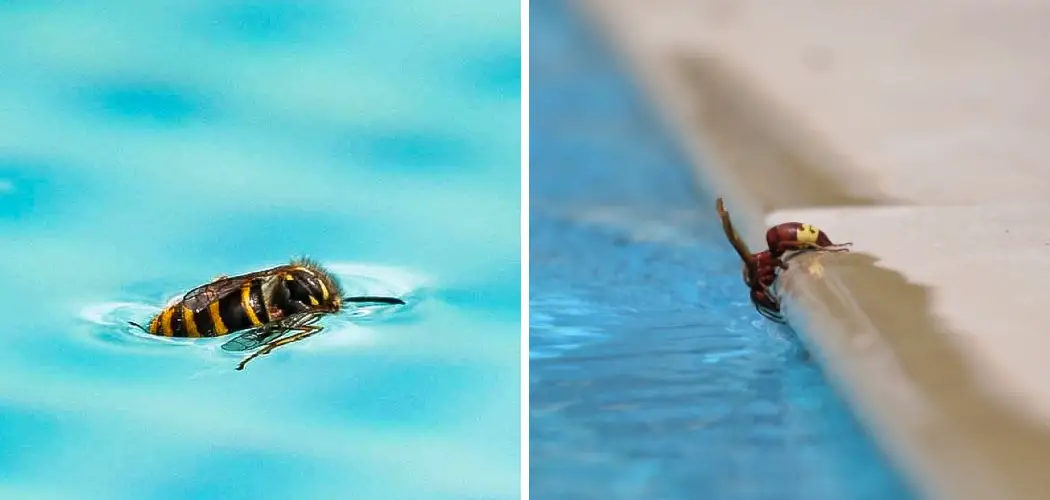
Wasps around a pool can quickly turn a relaxing day into an uncomfortable experience. These insects are often attracted to the water for drinking or to cool down during hot days, making pool areas a prime target.
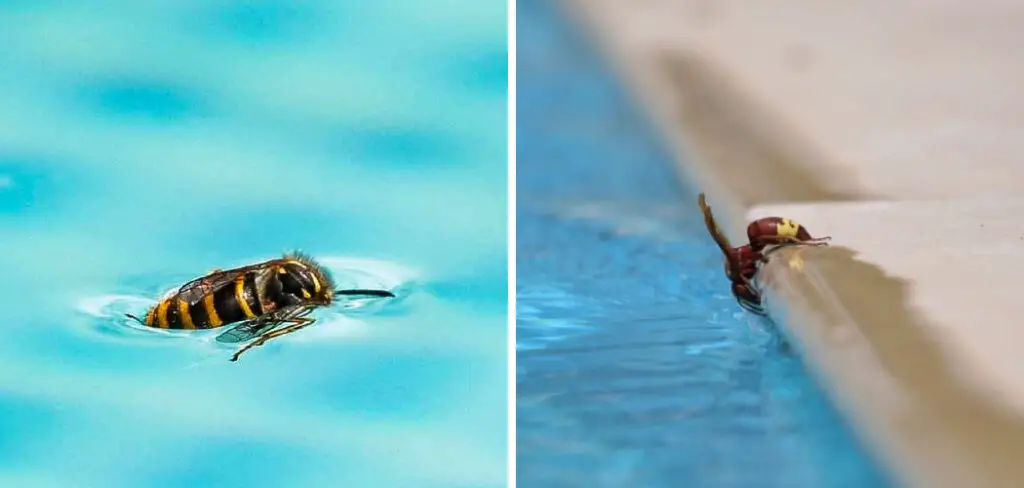
Fortunately, there are effective strategies to deter wasps while maintaining a safe and enjoyable environment for everyone. This guide explores the key aspects of how to deter wasps from pool.
Why Wasps Are Attracted to Your Pool
Understanding why wasps are drawn to your pool is the first step in managing their presence. Wasps are naturally attracted to water sources, and pools offer an abundant supply, especially during dry or hot weather. They need water to stay hydrated and to regulate the temperature within their nests. Additionally, the scent of pool chemicals can sometimes mimic natural minerals or pheromones that attract them.
Bright poolside areas also tend to include sugary drinks, food, or floral scents from nearby plants, which can serve as an additional lure for wasps searching for sustenance. Recognizing these factors helps in creating strategies to reduce their appeal.
Immediate Steps to Deter Wasps
- Remove Food and Drink Residues – Clean up any spills, crumbs, or leftover food near the pool area. Wasps are attracted to sweet and sugary substances, so keeping the area free of these lures is essential.
- Cover Trash Bins – Ensure all garbage bins around the pool are tightly sealed. Open or overflowing trash can attract wasps searching for scraps.
- Use Decoy Nests – Hanging fake wasp nests in the vicinity can discourage actual wasps from building nests nearby, as they prefer to avoid areas where other colonies might exist.
- Provide Alternative Water Sources – Place a shallow dish of water with small stones or floating sticks away from the pool to direct their focus elsewhere and keep them hydrated without risking pool intrusion.
- Deploy Natural Repellents – Scents like peppermint oil, citronella, or cloves can act as natural deterrents. Spray diluted solutions in areas around the pool to keep wasps at bay without using harsh chemicals.
Taking these immediate actions can help create a more enjoyable and safe pool environment while minimizing the presence of wasps.
10 Methods How to Deter Wasps from Pool
1. Remove Attractive Scents and Sugary Residue
Wasps are highly attracted to sweet smells. This includes not just fruit and soda, but also floral-scented body lotions, shampoos, perfumes, and even sunscreen. To deter them from the pool area, encourage swimmers to use unscented personal care products when enjoying the water.
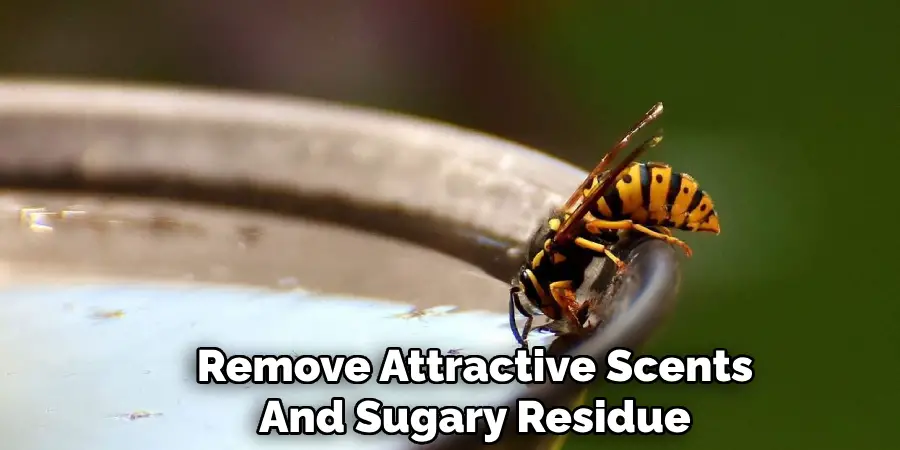
Clean up spills or residue from sugary drinks promptly, and make sure trash bins are tightly sealed. Avoid placing fruit platters or juice containers near the pool. Keeping the area scent-neutral makes it less inviting to wasps in search of food.
2. Offer an Alternative Water Source Away from the Pool
Wasps need water to regulate their body temperature and nourish their colonies. One way to keep them from your pool is by offering a more convenient water source elsewhere in your yard.
Place a shallow dish filled with water and a few small pebbles for perching in a shaded, remote area away from the pool. You can even mix a small amount of sugar into the water to make it more appealing than your pool. This tactic draws wasps away while keeping them hydrated—beneficial for the ecosystem and your comfort.
3. Hang Decoy Nests to Discourage Colonization
Wasps are territorial and typically avoid building nests close to others. By hanging decoy wasp nests around the perimeter of your pool area or outdoor structures, you can trick them into staying away.
These decoys can be purchased online or made using paper bags shaped into the form of a nest. Place them in visible spots such as under eaves, near fence posts, or tree branches. For best results, put them up early in the season before nests are established.
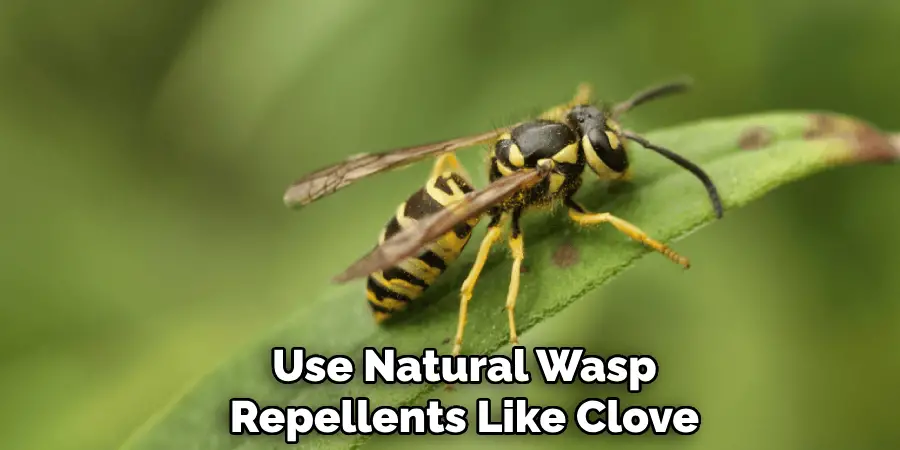
4. Use Natural Wasp Repellents Like Clove, Peppermint, and Lemongrass
Essential oils such as peppermint, clove, geranium, and lemongrass are known to repel wasps. You can create a simple DIY spray by mixing 10–15 drops of each essential oil with water and a few drops of dish soap in a spray bottle.
Spray the mixture around seating areas, doorways, umbrellas, and the pool deck. Not only is this a non-toxic solution, but it also leaves behind a pleasant scent for people while deterring wasps from landing or hovering nearby.
5. Cover or Relocate Trash Bins and Compost Piles
Garbage and compost attract wasps due to the scent of decaying organic matter and sugary remnants. To reduce wasp activity, make sure trash cans have tightly fitting lids and are placed as far from the pool as possible. If you have a compost pile, cover it or keep it in a sealed container. Regularly rinse out outdoor bins to remove sticky residues. A clean, odorless trash area is far less likely to draw in curious or foraging wasps.
6. Eliminate Standing Water Around the Yard
Beyond your pool, other water sources like bird baths, clogged gutters, or plant saucers can also attract wasps. Be sure to drain any unnecessary standing water regularly to make your property less appealing. Fix leaky hoses or faucets that create damp zones. By removing alternative water sources, you reduce the chance of wasps lingering around your yard and eventually discovering your pool as a primary hydration spot.
7. Plant Wasp-Repelling Herbs Around the Pool
Certain plants act as natural deterrents to wasps and other insects. Consider planting herbs such as basil, mint, thyme, and citronella around your pool deck or in nearby containers.
These aromatic plants not only beautify the area but also create an olfactory barrier that wasps dislike. Lavender and eucalyptus are also excellent options for poolside planting. Create a ring of these plants to help form a natural defense line that blends seamlessly with your landscaping.
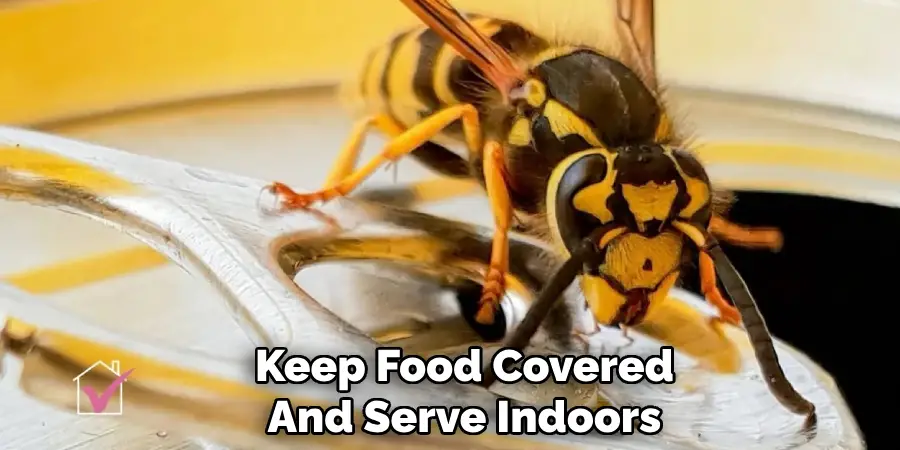
8. Keep Food Covered and Serve Indoors When Possible
If you’re entertaining by the pool, wasps will be drawn to open plates of meat, sweets, and drinks. To reduce temptation, keep food and drinks covered with mesh domes or plastic wrap. Serve meals indoors when feasible, and limit snacking in poolside areas.
After eating, clean up crumbs and spills immediately and place used cups and utensils in covered bins. Making food inaccessible removes a major attraction for wasps and encourages them to move elsewhere.
9. Install Wasp Traps Strategically Away from the Pool
Wasp traps are an effective way to lure and capture these pests, reducing the population around your home. Commercial traps use bait to attract wasps inside, where they can’t escape.
Alternatively, you can make DIY traps using soda bottles filled with sugar water, fruit juice, or a drop of meat. Cut off the bottle’s top, invert it into the base, and tape it in place. Hang these traps around the edge of your yard, not right next to the pool, to draw wasps away from the swimming area.
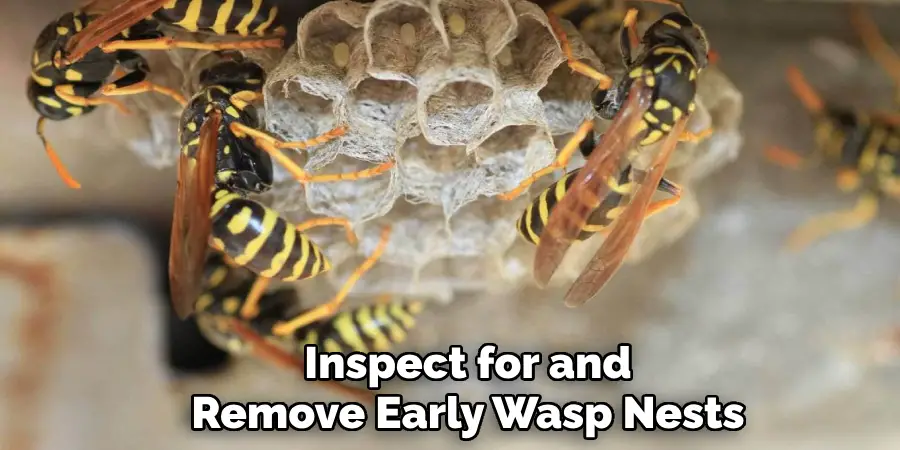
10. Inspect for and Remove Early Wasp Nests
Regularly inspect the area around your home, eaves, fences, sheds, and under patio furniture for signs of new wasp nests, especially during early spring. If a nest is small—about the size of a golf ball—you can remove it safely at night when wasps are less active.
Use a long-handled broom or spray it with a natural insecticide labeled for wasp removal. For larger nests or if you’re unsure, call a professional exterminator. Early removal prevents colonies from growing and multiplying around your pool.
Safety Considerations
When dealing with wasps, it is crucial to prioritize your safety. Always wear protective clothing, such as long sleeves, pants, gloves, and closed-toe shoes, to reduce the risk of stings. A hat and protective eyewear can also shield your face and eyes.
Avoid wearing scented products like perfumes or lotions, as these can attract wasps. Make sure children and pets are kept away from the area when attempting to remove a nest.
If you are using insecticides, carefully follow the instructions on the label, ensuring proper ventilation and avoiding exposure to harmful chemicals. Most importantly, if you have a known allergy to wasp stings, avoid direct contact altogether and rely on professionals for assistance.
Maintenance and Upkeep
After successfully removing a wasp nest, it’s crucial to take steps to prevent future infestations. Regularly inspect your property for early signs of nest building, especially during the spring and summer months when wasps are most active. Seal any cracks or crevices in walls, roofs, and outdoor structures where wasps could establish a nest.
Keep outdoor areas clean and free of food scraps, sugary drinks, and garbage, as these attract wasps. Maintaining a clean yard by trimming overgrown vegetation can also deter wasps from nesting nearby. For added protection, consider installing wasp traps or using natural repellents in areas prone to infestations. Staying proactive in monitoring and maintaining your space will minimize the risk of future wasp-related issues.
Conclusion
Wasps may be a part of nature, but that doesn’t mean they have to dominate your backyard oasis. By combining smart landscaping, natural deterrents, and proactive sanitation, you can significantly reduce the chances of wasps invading your pool area.
From using decoy nests and essential oils to managing water and food sources, each method contributes to creating a less hospitable environment for these unwanted guests. Thanks for reading, and we hope this has given you some inspiration on how to deter wasps from pool!

About
Outdoor Fixes is a distinguished figure in the world of Diy design, with a decade of expertise creating innovative and sustainable Diy solutions.
His professional focus lies in merging traditional craftsmanship with modern manufacturing techniques,
fostering designs that are both practical and environmentally conscious. As the author of diy,
outdoorfixes delves into the art and science of outdoorfixes-making, inspiring artisans and industry professionals alike.
Education RMIT University
(Melbourne, Australia) Associate Degree in Design (Outdoor Fixes) Focus on sustainable design, industry-driven projects,
and practical craftsmanship. Gained hands-on experience with traditional and digital manufacturing tools, such as CAD and CNC software.
Nottingham Trent University
(United Kingdom) Bachelor’s in outdoorfixes.com and Product Design (Honors) Specialized in product design with a focus on blending creativity with production
techniques. Participated in industry projects, working with companies like John Lewis and Vitsoe to gain real-world insights.
Publications and Impact
In diy, Outdoor Fixes his insights on indoor design processes, materials, and strategies for efficient production.
His writing bridges the gap between artisan knowledge and modern industry needs, making it a must-read for both budding designers and seasoned professionals.