
Nothing ruins a summer afternoon quite like staring into a swimming pool that looks cloudy, stagnant, or just plain uninviting. The secret to sparkling, safe water isn’t just about dumping in expensive chemicals; it is fundamentally about movement. Circulation is the heartbeat of your pool system, ensuring that sanitizers are evenly distributed and debris is effectively filtered out before it can settle.
Without proper flow, you create “dead zones” where algae thrives and bacteria multiply, no matter how much chlorine you add. If you are battling persistent algae blooms or hazy water, the solution likely lies in optimizing how water moves through your system. Learning how to increase pool circulation is the single most effective way to upgrade your maintenance routine, save money on chemicals, and ensure your backyard oasis remains pristine all season long. Let’s dive into the mechanics of pool flow and get your water moving efficiently.
Proper pool circulation is essential for maintaining clean and healthy water. When water flows effectively, it helps distribute chemicals evenly, prevents debris from settling, and reduces areas where algae and bacteria can thrive. Understanding how to improve your pool’s circulation system not only simplifies maintenance but also extends the life of your pool equipment. By making a few adjustments and keeping your system in peak condition, you can enjoy crystal-clear water with less effort and fewer headaches.
Tools and Materials

To improve your pool’s circulation, having the right tools and materials is crucial. Here is a list of essentials you may need:
- Pool Skimmer Net – For removing surface debris and preventing clogs in the system.
- Pool Brush – To scrub walls and floors, ensuring no algae or buildup disrupts circulation.
- Vacuum System – Whether manual or automatic, to clean areas where debris tends to settle.
- Water Test Kit – To monitor chemical balance, as poorly balanced water can affect circulation and equipment performance.
- Replacement Filters – For maintaining optimal filtration and supporting efficient water flow.
- Pool Pump and Motor – Ensuring these components are in good working condition will improve overall circulation.
- Lubricants – Used to maintain seals and moving parts in your pool equipment.
- PVC Pipes and Fittings – For repairing or upgrading plumbing as needed.
Having these tools and materials on hand will enable you to tackle any issues with your pool’s circulation system effectively and with ease.
Step-by-Step Guide on How to Increase Pool Circulation
Step 1: Angle Your Return Jets Correctly
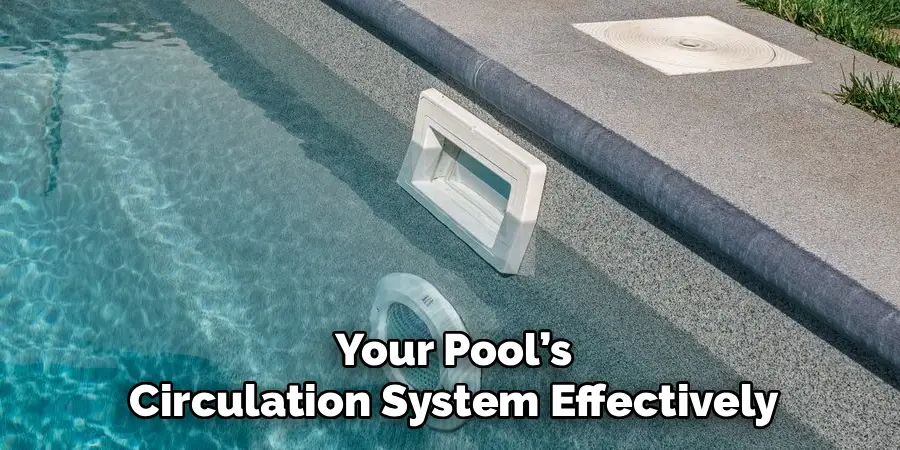
The journey to better water flow often begins with the simplest adjustment: the positioning of your return jets. Many pool owners mistakenly point their jets straight toward the center of the pool or, worse, upward to create a bubbling brook effect. While this might look relaxing, it is terrible for circulation. The most effective strategy is to angle your return jets downwards at a 45-degree angle and slightly to the side, creating a circular flow pattern. This specific orientation forces the clean, filtered water to the bottom of the pool, stirring up sediment and debris that would otherwise settle on the floor. By creating a vortex-like motion, you ensure that the entire body of water rotates, eventually bringing that suspended debris to the surface where the skimmer can capture it.
Step 2: Clean the Skimmer Baskets
It might seem obvious, but a clogged skimmer basket is the number one culprit for poor flow rates. Your pump has to work significantly harder to pull water through a basket packed with leaves, bugs, and twigs, which drastically reduces the overall turnover rate of your pool. You should make it a habit to check your skimmer baskets daily, especially during seasons with heavy leaf fall or after storms. When the basket is full, the resistance in the suction line increases, causing the pump to starve for water. This not only hurts circulation but can also cause the pump to overheat and fail prematurely. By keeping these baskets clear, you allow the water to move freely into the filtration system, maintaining the hydraulic efficiency necessary for keeping the water clear and chemical-rich.
Step 3: Clear the Pump Strainer Basket
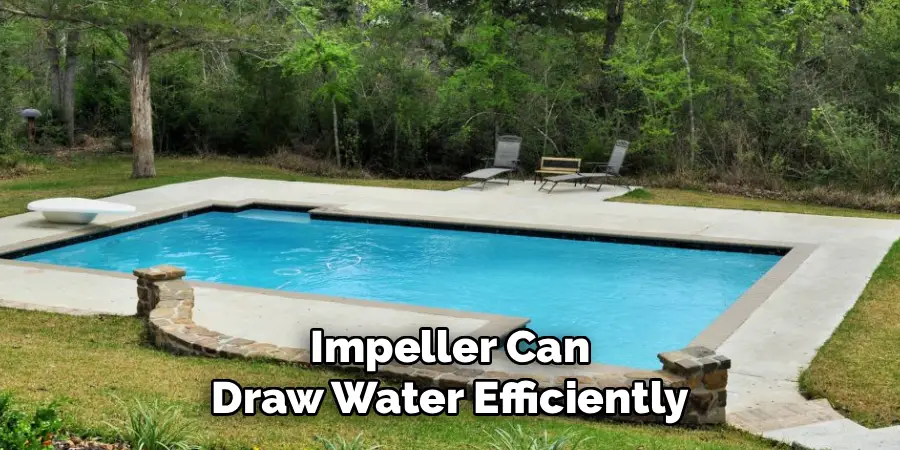
Just past the skimmer, the water travels to the pump itself, which houses another critical basket known as the pump strainer. This is your second line of defense against debris, catching smaller items that managed to slip past the skimmer. If this strainer becomes clogged, the impact on circulation is immediate and severe. You will notice a significant drop in pressure at the return jets, indicating that the flow has been strangled. To clean this, turn off the pump, release the pressure, open the lid, and remove the debris. It is a slightly more involved process than cleaning the skimmer, but it is vital for maintaining optimal pressure. A clean pump basket ensures that the impeller can draw water efficiently, maximizing the gallons per minute your system pushes back into the pool.
Step 4: Backwash or Clean Your Filter Regularly
Your filter is the heart of the cleaning system, but as it does its job trapping dirt and contaminants, it slowly becomes restrictive. As pressure inside the filter tank rises, the flow rate of water returning to the pool drops. For sand and DE (diatomaceous earth) filters, this means you need to backwash the system when the pressure gauge reads 8-10 PSI above its clean starting level. Backwashing reverses the flow of water to flush out the trapped dirt. For cartridge filters, you must remove the elements and spray them down thoroughly with a garden hose. Ignoring a dirty filter is like trying to breathe through a straw; the harder the pump has to push against the resistance of the dirt, the slower the water moves, leading to stagnation and poor sanitation distribution throughout the swimming area.
Step 5: Check and Optimize Water Levels
The physical water level in your pool plays a surprisingly critical role in how well your system circulates. If the water line is too low, the skimmer acts like a drain sucking in air instead of water. This causes the pump to lose its prime, leading to cavitation, which sounds like gargling rocks and stops circulation entirely. Conversely, if the water level is too high, the skimmer cannot create the surface tension needed to pull in floating debris effectively. The ideal water level is right at the halfway point of the skimmer opening. This “Goldilocks” zone ensures the pump is fully fed with water while maximizing the skimming action that removes surface contaminants before they can sink. Maintaining this level prevents flow interruptions and keeps the hydraulic system running smoothly.
Step 6: Run Your Pump Longer
Sometimes the issue isn’t a blockage or a broken part, but simply a lack of runtime. Many homeowners try to save on electricity bills by running their pool pump for only a few hours a day. However, if the water isn’t turning over completely at least once (ideally twice) every 24 hours, you aren’t circulating enough to prevent algae growth. In the heat of summer, when UV rays consume chlorine rapidly and algae spores are most active, you likely need to run your pump for 8 to 12 hours a day. Variable speed pumps are excellent for this, as they can run at a lower RPM for longer periods, consuming less energy while keeping the water in constant motion. Extending the runtime ensures that every gallon of water passes through the filter multiple times daily.
Step 7: Brush the Pool Walls and Floor Weekly

Physical agitation is a form of manual circulation that is often overlooked. Even with perfect jet placement, dead spots can form in corners, on steps, or behind ladders where water movement is minimal. Algae loves these stagnant areas. By brushing the walls, floor, and steps of your pool at least once a week, you mechanically disrupt these micro-environments. You are essentially pushing the stagnant, algae-prone water out into the main body of the pool where the circulation system can pick it up and filter it. Brushing also lifts fine dust and sediment into suspension, allowing the main drain and skimmers to pull it into the filter. Think of brushing as the manual assist that helps your automatic circulation system reach the places it naturally misses.
Step 8: Open the Main Drain Valve
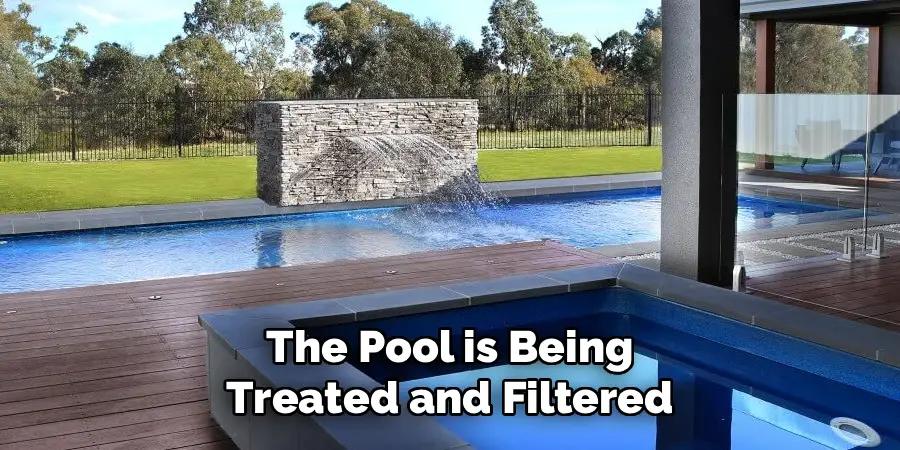
Most inground pools are equipped with a main drain located at the deepest point of the pool floor. However, many pool owners keep the valve to the main drain partially or fully closed, relying heavily on the skimmers. To maximize vertical circulation—pulling water from the bottom as well as the top—you should adjust your intake valves to draw from both the skimmers and the main drain. A common recommended setting is roughly 70% skimmer and 30% main drain. This creates a vertical loop of water movement, pulling colder, chemical-depleted water from the bottom and mixing it with the freshly chlorinated water from the returns. Engaging the main drain eliminates the stratification of water layers and ensures the entire volume of the pool is being treated and filtered.
Step 9: Use Tennis Balls to Absorb Surface Oils
While this step doesn’t mechanically push water, it significantly improves the efficiency of the circulation you do have. Surface oils from sunscreen, cosmetics, and natural body oils create a slick film on the water that can clog filter cartridges and sand beds much faster than dirt alone. By throwing a few clean tennis balls into the skimmer basket, you introduce a material that naturally absorbs these oils. The fuzzy texture of the tennis ball traps the grease before it hits the filter media. By preventing the filter from getting gummed up with oily residue, you maintain higher flow rates for longer periods between cleanings. It is a simple, low-tech hack that preserves the hydraulic efficiency of your system and keeps the water moving freely.
Step 10: Trim Surrounding Vegetation
External factors can heavily influence your pool’s internal circulation. If you have large trees, bushes, or overhanging branches near the water, you are fighting a losing battle against debris. Leaves and pollen that fall into the water place a massive load on the skimmers and pump basket, leading to frequent clogging and reduced flow. By aggressively trimming back vegetation around the pool perimeter, you reduce the amount of material entering the system in the first place. Less debris means your baskets stay clear longer, your filter runs more efficiently, and your circulation isn’t constantly interrupted by blockages. Keeping the airspace above and around your pool clear acts as preventative maintenance for your circulation system, ensuring consistent, unimpeded water flow.
Common Pool Maintenance Mistakes
Proper pool maintenance is essential for ensuring a clean and safe swimming environment, yet many pool owners unknowingly make mistakes that can lead to long-term issues. These oversights might seem minor initially, but they can compromise water quality, damage pool equipment, and increase maintenance costs over time. Recognizing and avoiding these common errors can save both time and money while keeping your pool in optimal condition.

One of the most frequent mistakes pool owners make is failing to clean their filters regularly. As water circulates through the pool, the filter traps dirt, debris, and other impurities, preventing them from re-entering the water. Over time, these captured particles accumulate and can clog the filter, reducing its effectiveness. Without routine cleaning, filters can become so obstructed that they cause inefficient water flow or even damage to the pump. To avoid this issue, it’s crucial to follow a regular cleaning schedule and replace filters as needed.
Frequently Asked Questions
How Many Hours a Day Should I Run My Pool Pump?
The ideal runtime depends on the size of your pool and the pump’s horsepower, but a general rule is to circulate the entire volume of water at least once every 24 hours. During the peak swimming season or summer heat, this typically translates to running the pump for 8 to 12 hours daily. If you have a variable speed pump, you can run it at a lower speed for 24 hours a day, which is often more energy-efficient and provides superior, constant circulation compared to short bursts at high speed.
Why Is My Pool Pressure Gauge Reading High?
A high pressure reading on your filter gauge is a clear indicator that the filter media is dirty and resisting water flow. As dirt accumulates in the sand, DE grids, or cartridge pleats, it becomes harder for water to pass through, causing pressure to build up inside the tank. This directly reduces the speed of water returning to the pool. To fix this, you need to backwash the filter (for sand or DE models) or remove and clean the cartridges. A general rule is to clean the filter when pressure rises 8-10 PSI above normal.
Does Using a Solar Cover Affect Circulation?
Using a solar cover does not mechanically stop the pump from moving water, but it can create issues with surface circulation. When the cover is on, the skimmers cannot effectively pull debris off the surface of the water because the cover blocks the flow. Additionally, the cover traps heat and prevents gas exchange, which can consume chlorine faster in the top layer of water. It is recommended to remove the solar cover for a few hours each day while the pump is running to allow the water to breathe and the skimmers to do their job effectively.
What Is the Benefit of Angling Return Jets Downward?
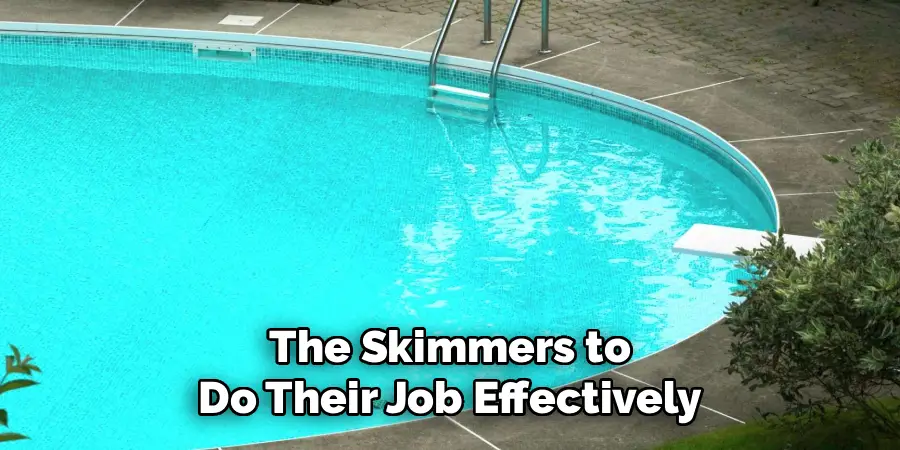
Angling return jets downward creates a circular, tumbling motion in the water known as a vortex. If jets point up, they only move the top layer of water, leaving the bottom stagnant where algae and bacteria love to grow. By pointing them down and to the side (usually counter-clockwise), you force clean, chlorinated water to the bottom of the deep end. This stirs up sediment and debris that has settled on the floor, lifting it into the water column so it can eventually be caught by the main drain or skimmer, ensuring the entire pool is clean.
Can a Robotic Pool Cleaner Help with Circulation?
Yes, absolutely. While their primary job is scrubbing and vacuuming, robotic pool cleaners are excellent supplemental circulation devices. As they move around the pool, they pump filtered water out of their own discharge vents, which helps mix the chemicals and water in the deeper parts of the pool that standard jets might miss. They act as a mobile main drain, constantly stirring up the water and preventing dead spots. Using a robotic cleaner regularly can significantly improve overall water clarity and chemical distribution.
Conclusion
Achieving crystal clear, healthy water is rarely about adding more chemicals; it is almost always about moving the water you already have more effectively. Circulation is the engine that drives filtration and sanitation. Without it, your pool becomes a stagnant pond rather than a refreshing retreat. By implementing these ten strategies—from the simple act of angling your jets and cleaning baskets to the routine of brushing walls and managing filter pressure—you can dramatically improve the health of your pool. You will use fewer chemicals, spend less time fighting algae, and enjoy clearer water. Now that you understand **

About
Outdoor Fixes is a distinguished figure in the world of Diy design, with a decade of expertise creating innovative and sustainable Diy solutions.
His professional focus lies in merging traditional craftsmanship with modern manufacturing techniques,
fostering designs that are both practical and environmentally conscious. As the author of diy,
outdoorfixes delves into the art and science of outdoorfixes-making, inspiring artisans and industry professionals alike.
Education RMIT University
(Melbourne, Australia) Associate Degree in Design (Outdoor Fixes) Focus on sustainable design, industry-driven projects,
and practical craftsmanship. Gained hands-on experience with traditional and digital manufacturing tools, such as CAD and CNC software.
Nottingham Trent University
(United Kingdom) Bachelor’s in outdoorfixes.com and Product Design (Honors) Specialized in product design with a focus on blending creativity with production
techniques. Participated in industry projects, working with companies like John Lewis and Vitsoe to gain real-world insights.
Publications and Impact
In diy, Outdoor Fixes his insights on indoor design processes, materials, and strategies for efficient production.
His writing bridges the gap between artisan knowledge and modern industry needs, making it a must-read for both budding designers and seasoned professionals.