
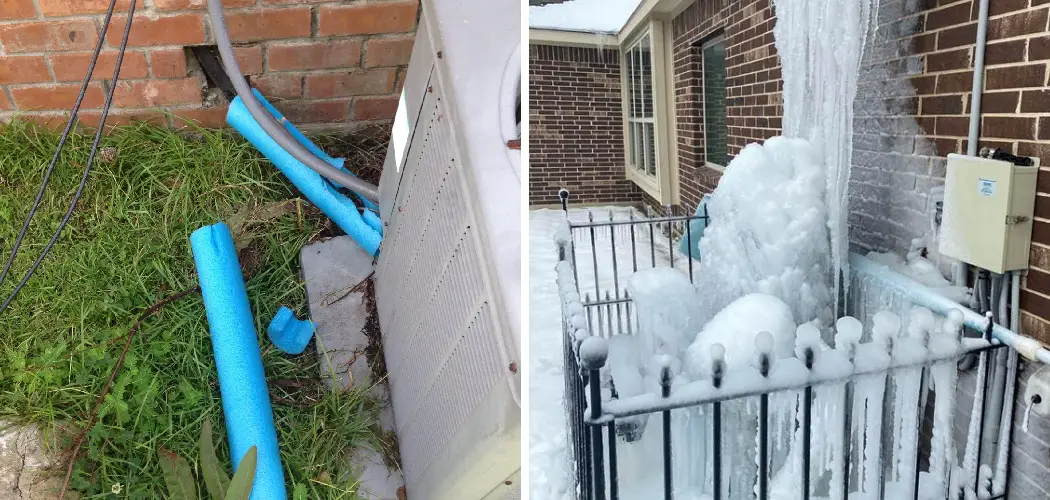
For pool owners, the arrival of a severe winter storm brings a unique kind of anxiety. While others worry about icy roads, a pool owner’s attention is fixed on the equipment pad. The sound of a weather alert announcing a hard freeze can trigger visions of burst pipes, cracked filters, and flooded backyards.
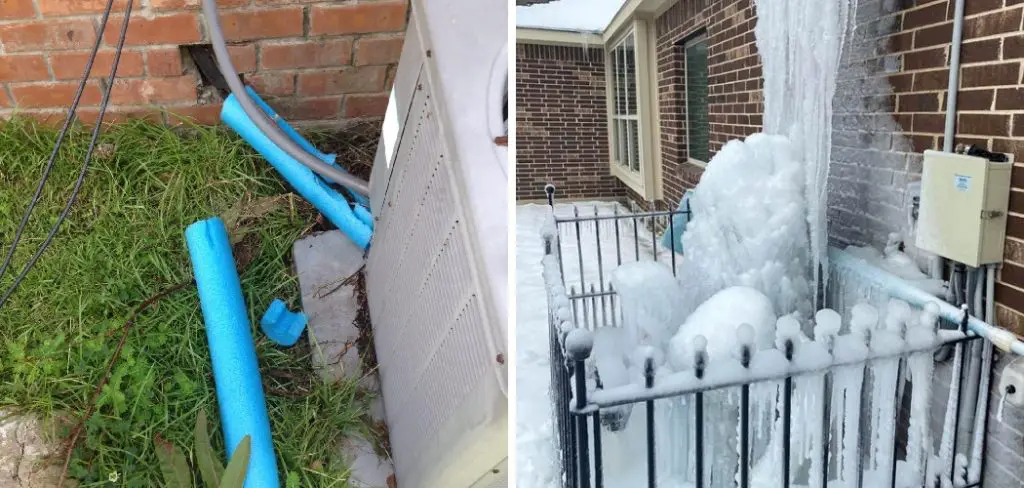
These fears are not unfounded; freeze damage is one of the most expensive and destructive issues a swimming pool can face, often leading to repairs costing thousands of dollars.
The good news is that preventing this damage is entirely possible with a bit of knowledge and preparation. You don’t have to be a victim of winter weather. This guide will provide actionable, preventative strategies and emergency procedures on how to keep pool pipes from freezing, allowing you to rest easy knowing your valuable investment is protected during the coldest nights of the year.
Understanding Why Pool Pipes Freeze
To effectively fight against freeze damage, it helps to understand the powerful forces of nature at play. The problem isn’t just that the water gets cold; it’s about what happens when it turns solid.
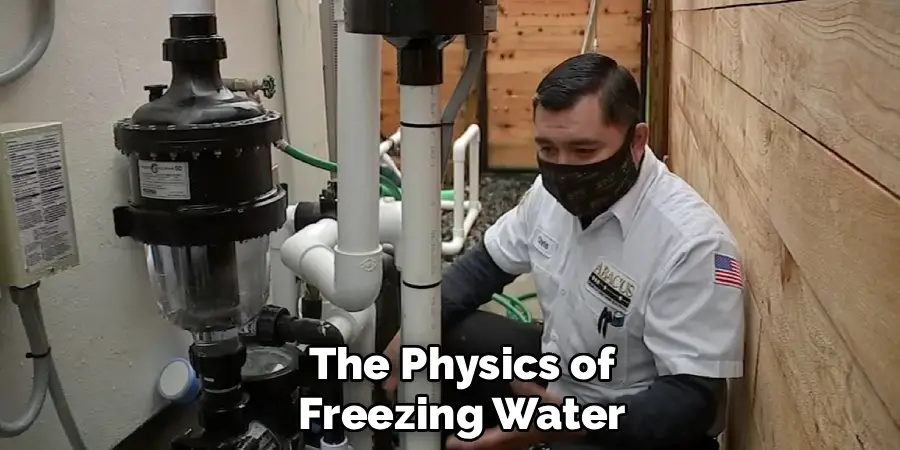
The Physics of Freezing Water
When water freezes into ice, its molecules arrange themselves into a crystalline lattice structure, causing it to expand by about 9%. While that might not sound like much, this expansion exerts an immense amount of pressure—upwards of 2,000 pounds per square inch (psi). Your pool’s plumbing, typically made of rigid PVC, is not designed to flex or withstand that kind of internal force. When water trapped inside a pipe freezes, the expanding ice has nowhere to go, and it will crack the pipe or even burst the housing of your pump and filter.
Vulnerable Areas in Your System
Not all parts of your pool are equally at risk. The main body of water in the pool is so large that it is highly unlikely to freeze solid. The real danger lies in the plumbing and equipment. The most vulnerable components are the exposed, above-ground pipes on your equipment pad. Your pump, filter, and heater are also highly susceptible because they contain intricate parts and housings where water can become trapped. Any section of pipe that is not buried below the local frost line can freeze and break if water is left standing inside it.
Immediate Prevention: Keep the Water Moving
The single most important rule for preventing freeze damage is simple: moving water freezes much more slowly than standing water. This principle is your first and most effective line of defense during a cold snap.
The Flow Defense
As long as water is circulating through your pipes and equipment, it is constantly being replaced by slightly warmer water from the main body of the pool. This continuous movement makes it incredibly difficult for ice crystals to form. For this reason, the most common strategy for protecting a pool during a short-term freeze is to run the main circulation pump 24/7. This simple action can be enough to get your system through a cold night unscathed.
Automating Freeze Protection
Many modern pool automation systems come equipped with a built-in freeze sensor. This small, invaluable device monitors the ambient air temperature. When the temperature drops to a preset level (typically around 38°F), the system automatically overrides the regular timer schedule and turns on all the pumps. This ensures your pool protects itself even if you are away from home or asleep. If your system has this feature, ensure it is enabled and functioning before winter arrives.
6 Step-by-Step Guide on How to Keep Pool Pipes from Freezing
When you know a freeze is on the way, being proactive is key. Following these steps can make the difference between a normal morning and a disastrous one.
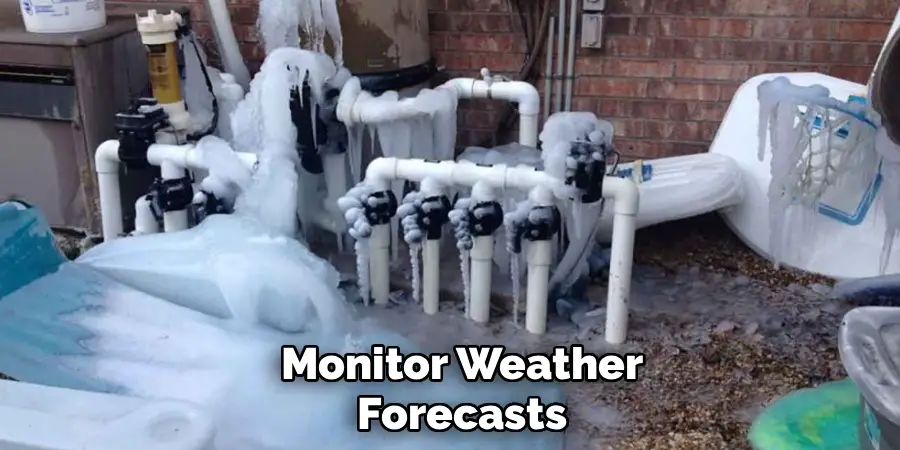
Step 1: Monitor Weather Forecasts
Stay ahead of the weather. Set up alerts on your phone or make a habit of checking the forecast during the winter months. Knowing that a hard freeze (temperatures below 28°F for several hours) is coming gives you the time you need to prepare your equipment and take preventative measures. Don’t wait until the temperature is already dropping.
Step 2: Clear Debris from Skimmers and Drains
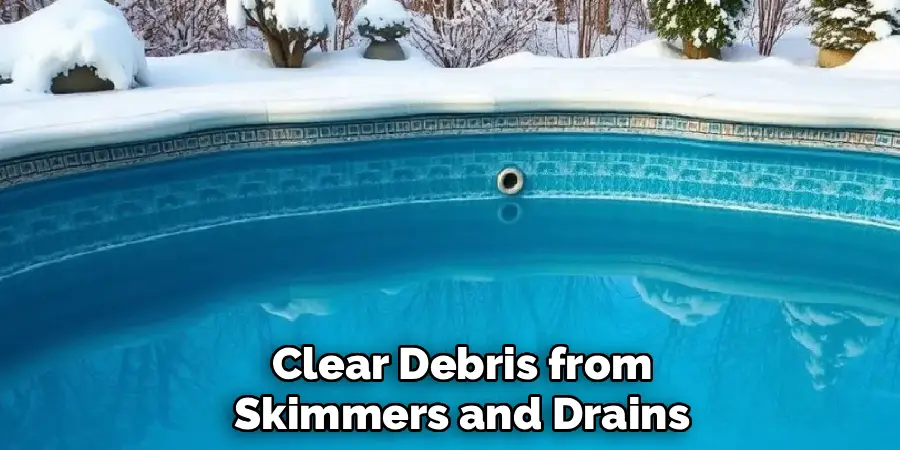
Your strategy of keeping the water moving is useless if the water can’t move. A clogged skimmer or pump basket can stop water flow entirely, creating a standing column of water in the pipes that will freeze rapidly. Before the freeze hits, walk around your pool and thoroughly clean out all the skimmer baskets. Then, turn off your pump and clean out the pump’s strainer basket.
Step 3: Run All Pumps Continuously
This is the most critical step. During the entire duration of the freeze event, your main filter pump must be running. If you have any auxiliary pumps for features like waterfalls, fountains, or in-floor cleaning systems, they should be running as well. This ensures that water is flowing through every single pipe connected to your pool. The small cost of electricity to run the pumps for a day or two is negligible compared to the cost of repairing freeze damage.
Step 4: Open All Valved Lines
Go to your equipment pad and inspect your valves. If you have plumbing lines for water features that are normally turned off, open those valves slightly. You want to ensure that at least a trickle of water is flowing through every part of your system. A common mistake is leaving a waterfall line closed; the standing water in that pipe can freeze and crack, even while the rest of the pool system is running fine.
Step 5: Insulate Exposed Plumbing
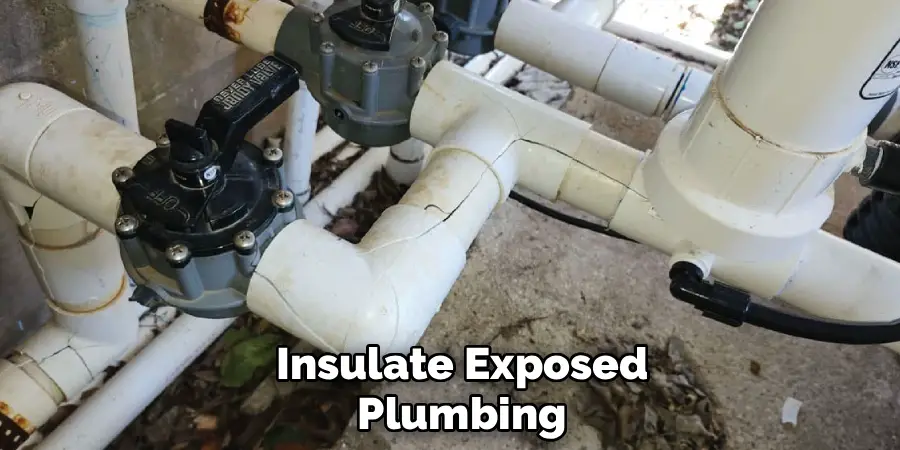
To give your system an extra layer of protection, wrap any exposed pipes with insulation. You don’t need to buy expensive materials. Old towels, blankets, or even foam pool noodles sliced open lengthwise work well. Secure the insulation with duct tape or bungee cords. This won’t stop the pipes from freezing indefinitely, but it will help them retain heat from the moving water and slow down the freezing process, buying you valuable time.
Step 6: Cover the Equipment Pad
Create a temporary tent over your pump, filter, and heater. You can do this by draping a large, heavy tarp or a few thick blankets over the equipment. The heat generated by the running pump motor will be trapped underneath this cover, creating a microclimate that can keep the air around your equipment several degrees warmer than the outside air. Just be careful not to completely block the motor’s ventilation ports; it still needs some air to avoid overheating.
Winterizing for Long-Term Protection
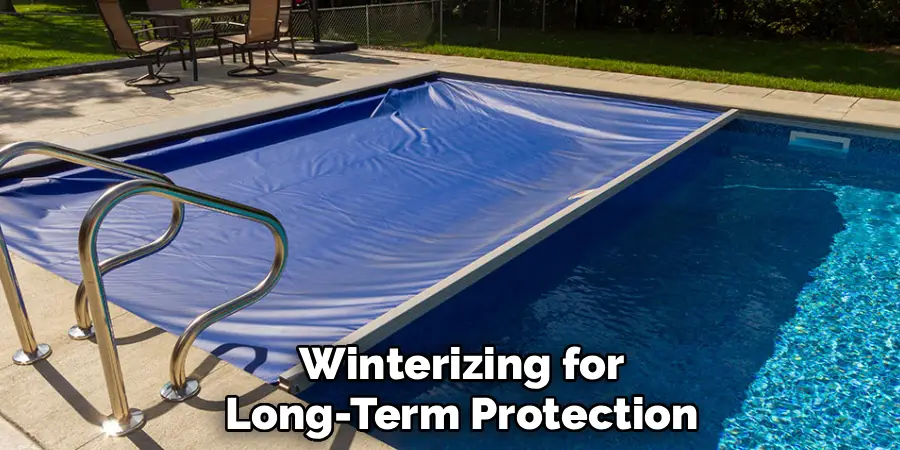
If you live in a climate where freezing temperatures are the norm for months, not just a few nights, running your pump all winter isn’t practical. In this case, you need to fully winterize or “close” the pool for the season.
Blowing Out the Lines
Winterizing involves removing all the water from the pipes and equipment so there is nothing left to freeze. This is typically done using a powerful air compressor or a specialized blower. Air is forced through the plumbing lines, pushing all the water out and back into the pool. This is a more complex process that requires knowledge of your specific plumbing configuration.
Using Gizzmos and Plugs
Once the lines are blown clear, they must be sealed off. Expansion plugs are inserted into the return jets to block water from re-entering the pipes from the pool. In the skimmer, a special threaded tube called a “Gizzmo” is installed. This device is designed to absorb the pressure from any water that happens to get in and freeze, collapsing inward to protect the expensive skimmer housing from cracking.
Dealing with Power Outages During a Freeze
A power outage during a hard freeze is the absolute worst-case scenario for a pool owner. Your primary defense—moving water—is gone. You must act quickly.
The Danger Zone
When the power goes out, the pumps stop. The water in your pipes is now standing still and vulnerable. Depending on how cold it is, you may only have a couple of hours before ice starts to form and damage begins. If the power outage is expected to be short, you can often get by with just insulating the pipes and covering the equipment. If the outage is prolonged, you must drain your equipment.
Draining the Equipment Manually
Locate the drain plugs on your equipment. Your pump, filter, and heater will each have one or more. They are usually small, threaded caps located at the lowest point of the equipment. Open the air relief valve on top of your filter to allow air in, then unscrew all the drain plugs. Water will gush out onto the pad. This empties the most expensive components of your system, protecting them from cracking.
Insulation Techniques for Exposed Pipes
Using Heat Tape
For pool owners in moderately cold climates who want an active solution, electric heat tape can be a great option. This product is a flexible heating element that you wrap around your most vulnerable pipes. When plugged into a GFCI-protected outlet, it provides a low level of consistent heat that prevents the pipe from freezing. It uses very little electricity and offers excellent peace of mind.
DIY Insulation Hacks
In an emergency, you can use common household items for insulation. Bubble wrap is a surprisingly effective insulator. Wrap it in several layers around your pipes and secure it with duct tape. Old blankets, towels, or even newspapers can be used in a pinch. The goal is to trap a layer of air around the pipe, which slows down heat loss.
Protecting the Pool Heater
Pool heaters are often the most expensive and most delicate piece of equipment on the pad. Their internal heat exchangers have small tubes that can be easily damaged by ice.
Draining the Heater Header
Your heater has drain plugs specifically for this purpose. Find them and open them to drain the water from the header and heat exchanger. It is better to have an empty heater than a cracked one. This should be a priority during a power outage.
Bypass Management
If your plumbing includes a heater bypass, you can use it to your advantage. During a freeze, you can keep the valves turned to bypass the heater while the main pump runs. Then, you can drain the heater independently without affecting the flow to the rest of the pool.
Common Myths About Freeze Protection
“The Pool Cover Keeps Pipes Warm”
This is a dangerous misconception. A solar cover or a winter safety cover protects the water in the pool itself, but it does absolutely nothing to protect the pipes and equipment sitting on the concrete pad several feet away. Do not rely on your pool cover for freeze protection.
“Antifreeze Goes in the Pool Water”
This is another critical misunderstanding. Pool antifreeze is a product used only when fully winterizing a pool. It is poured into the plumbing lines after they have been blown out with air to prevent any residual water droplets from freezing. You should never pour antifreeze into the main body of your pool while it is running.
Conclusion
The threat of a winter freeze can be stressful, but it doesn’t have to be a catastrophe. Preparation and vigilance are your most powerful tools. By understanding the risk and implementing a clear strategy, you can confidently protect your pool from the ravages of winter. Knowing how to keep pool pipes from freezing, whether by keeping the water in constant motion or by properly draining your equipment in an emergency, can save you from a world of headaches and thousands of dollars in repairs. Pay attention to the forecast, take action before the temperature drops, and ensure your backyard investment is safe and sound, ready for another season of fun when the warmth returns.

About
Outdoor Fixes is a distinguished figure in the world of Diy design, with a decade of expertise creating innovative and sustainable Diy solutions.
His professional focus lies in merging traditional craftsmanship with modern manufacturing techniques,
fostering designs that are both practical and environmentally conscious. As the author of diy,
outdoorfixes delves into the art and science of outdoorfixes-making, inspiring artisans and industry professionals alike.
Education RMIT University
(Melbourne, Australia) Associate Degree in Design (Outdoor Fixes) Focus on sustainable design, industry-driven projects,
and practical craftsmanship. Gained hands-on experience with traditional and digital manufacturing tools, such as CAD and CNC software.
Nottingham Trent University
(United Kingdom) Bachelor’s in outdoorfixes.com and Product Design (Honors) Specialized in product design with a focus on blending creativity with production
techniques. Participated in industry projects, working with companies like John Lewis and Vitsoe to gain real-world insights.
Publications and Impact
In diy, Outdoor Fixes his insights on indoor design processes, materials, and strategies for efficient production.
His writing bridges the gap between artisan knowledge and modern industry needs, making it a must-read for both budding designers and seasoned professionals.