
Nothing says summer quite like the smell of fresh-cut grass and the satisfying hum of a lawn mower hard at work. For many homeowners, mowing the lawn is a weekly ritual that keeps their property looking pristine and welcoming. But even the best equipment is only as good as your ability to use it properly. If you are standing in your driveway staring at a shiny red machine and wondering how to get it roaring to life, you aren’t alone.
Learning how to start a troy bilt lawn mower correctly is more than just a mechanical necessity; it’s the first step toward efficient lawn care. These machines are engineered for performance, but they rely on a specific sequence of actions to function safely and effectively. Whether you are a first-time homeowner or just upgrading your gear, mastering this simple process will save you frustration and ensure your mower lasts for seasons to come.
Let’s get that engine running so you can get back to what matters: enjoying your yard.
What are the Benefits?
Choosing a Troy-Bilt mower often means investing in reliability. These mowers are popular for good reason, and understanding their benefits can help you appreciate the machine you are working with.
- Durability You Can Trust: Troy-Bilt is known for rugged construction. Their engines and decks are designed to withstand tough terrain and long hours of operation without faltering.
- User-Friendly Design: Most models are built with the homeowner in mind. Features like ergonomic handles, easy-access oil dips, and straightforward starting mechanisms make them accessible to everyone, not just mechanics.
- Cutting Efficiency: A well-started Troy-Bilt delivers a clean, even cut. The blades and deck design work together to mulch or bag clippings effectively, promoting a healthier lawn.
- Versatility: Many models come with adjustable height settings and 3-in-1 capabilities (mulching, bagging, side discharge), giving you flexibility depending on the season and grass length.
What Will You Need?
Before you pull any cords or turn any keys, it is essential to have everything ready. Preparation prevents damage to the engine and ensures your safety.
- Fresh Gasoline: Ensure you have fresh, unleaded gasoline (usually 87 octane or higher). Old gas can clog the carburetor.
- Engine Oil: Check the manual for the specific type (often SAE 30), and ensure the reservoir is filled to the correct level.
- Safety Gear: Closed-toe shoes are non-negotiable. Eye protection and hearing protection are also highly recommended.
- A Level Surface: Always start your mower on a flat, clear surface like a driveway or a flat patch of grass to ensure stability.
- Your Owner’s Manual: While this guide covers general steps, your specific model might have unique quirks. Keep the manual handy just in case.

10 Easy Steps on How to Start a Troy Bilt Lawn Mower
Starting your mower doesn’t have to be a workout. Follow these steps sequentially to ensure a smooth start every time.
Step 1: Position the Mower on Flat Ground
Safety starts before the engine does. Place your Troy-Bilt mower on a flat, level surface. A driveway or sidewalk is ideal because short grass or uneven terrain can create resistance against the blade, making the pull-start significantly harder. Ensure there are no toys, rocks, or debris underneath or immediately in front of the mower. This prevents the blade from striking objects immediately upon starting, which could cause injury or damage the crankshaft.
Step 2: Check the Oil Level
Never start a cold engine without checking the oil. Unscrew the dipstick cap, usually located on the side of the engine. Wipe the stick clean with a rag, reinsert it fully, and then pull it out again to check the level. The oil should sit comfortably between the “Full” and “Add” marks. If it is low, add the recommended oil type slowly. Running an engine with insufficient oil can cause catastrophic seizure within minutes, ruining your machine.
Step 3: Fill the Fuel Tank
Remove the gas cap and check your fuel level. If you need to refuel, do so while the engine is cold. Use fresh gasoline that is less than 30 days old, as ethanol-blended fuels degrade quickly and can attract moisture. Fill the tank to just below the neck to allow for fuel expansion as the engine heats up. Be careful not to spill; if you do, wipe it up immediately and move the mower away from the spill zone before starting.
Step 4: Inspect the Spark Plug Wire
Locate the spark plug on the front of the engine. There is a thick black rubber wire that connects to it. Ensure this metal boot is firmly snapped onto the tip of the spark plug. Sometimes, vibrations from previous use can wiggle this connection loose. If it isn’t connected securely, the spark won’t reach the engine combustion chamber, and no amount of pulling the cord will get the mower to start.
Step 5: Engage the Safety Lever (Brake Bail)
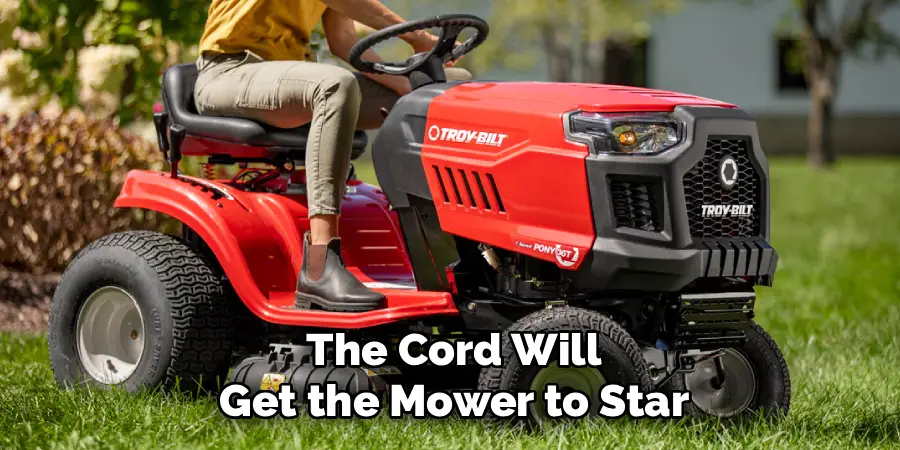
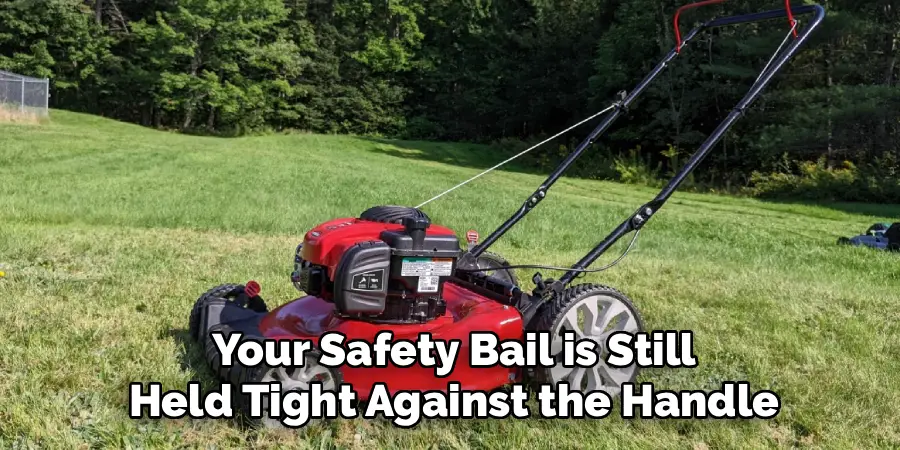
Troy-Bilt mowers, like most modern walk-behind mowers, feature a safety bar or “brake bail” on the handle. This is the metal bar that runs parallel to the main handle grip. You must pull this bar back and hold it flush against the handle. This disengages the engine brake and enables the ignition kill switch. If you let go of this bar at any point, the engine will stop immediately for safety. You must hold this throughout the starting process.
Step 6: Prime the Engine (If Applicable)
Check your engine for a primer bulb—a small red or black rubber button usually found near the air filter. If your model has one, press it firmly three times. This forces a small amount of gasoline directly into the carburetor, enriching the fuel-air mixture for a cold start. Do not over-prime (pressing it 5-10 times), as this can flood the engine, making it harder to start. If your mower has an “Auto-Choke” feature, you can skip this step.
Step 7: Adjust the Throttle (If Applicable)
Some Troy-Bilt models come equipped with a throttle lever. If yours has one, move the lever to the “Choke” or “Start” position (often indicated by a rabbit icon). This restricts airflow to create a fuel-rich mixture needed for ignition. Once the mower starts and warms up for a few seconds, you will eventually move this lever to the “Run” or “Fast” position. If you don’t have a throttle lever, your mower likely manages this automatically.
Step 8: Pull the Starter Cord
Stand behind the mower handle, keeping your feet firmly planted. Grab the starter rope handle with a firm grip. Pull the rope out slowly until you feel a slight resistance—this is the compression stroke engaging. Once you feel that resistance, give the rope a sharp, rapid, and fluid pull toward your shoulder. Don’t jerk it violently; a smooth, strong pull is best. Return the handle slowly to the engine housing rather than letting it snap back.
Step 9: Repeat if Necessary
If the mower doesn’t start on the first pull, don’t panic. It is common for cold engines to need two or three pulls. Repeat the pulling motion from Step 8. If you have pulled it five or six times with no luck, stop. You may have flooded the engine. Let it sit for a few minutes to allow the excess fuel to evaporate, then try again without priming. Check that your safety bail is still held tight against the handle.
Step 10: Let the Engine Warm Up
Once the engine roars to life, keep holding the safety bar. If you used a manual choke, slowly move the throttle lever from “Choke” to “Fast/Run” after the engine has run for a few seconds and sounds smooth. Let the mower idle for about a minute before engaging the cutting blades or pushing it into tall grass. This allows the oil to circulate fully and the engine to reach optimal operating temperature.
5 Things You Should Avoid
Even with the best instructions, bad habits can creep in. Avoiding these common errors will extend the life of your Troy-Bilt.
- Starting on Tall Grass: Never try to start the mower while it is sitting in deep, thick grass. The resistance on the blade can prevent the engine from turning over and may strain the starter cord mechanism.
- Using Old Fuel: Avoid using gas that has been sitting in a can in your garage for six months. Degraded fuel causes gum deposits in the carburetor, leading to expensive repairs.
- Ignoring the Air Filter: Don’t start the mower if the air filter is filthy or missing. A clogged filter starves the engine of air, while a missing one allows dust to destroy the internal cylinder walls.
- Tipping the Mower the Wrong Way: If you need to inspect the deck before starting, never tip the mower with the carburetor facing down. Oil can leak into the air filter and carburetor, causing smoke and starting issues.
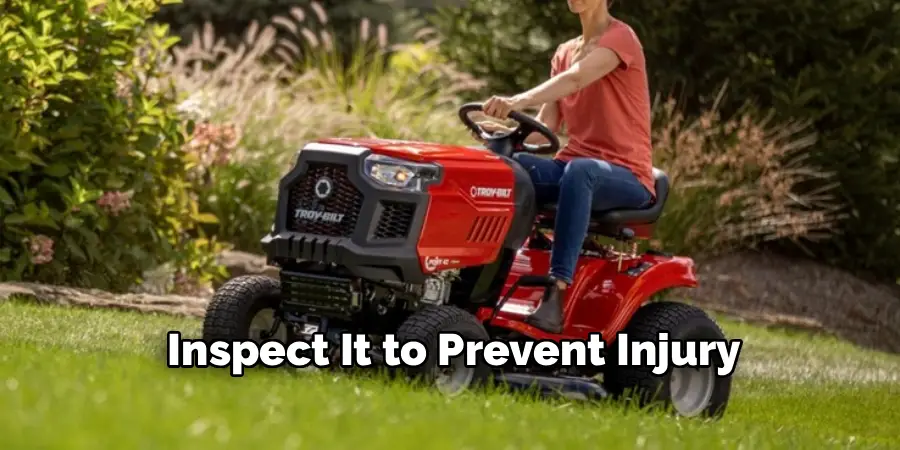
- Overlooking Vibrations: If the mower starts but vibrates excessively, do not use it. This usually indicates a bent blade or loose mounting bolt. Shut it down immediately and inspect it to prevent injury.
Conclusion
How to start a troy bilt lawn mower doesn’t need to be a frustrating trial of strength or patience.
By ensuring you have the right fluids, a safe environment, and following the ten steps outlined above, you can ensure a reliable start every time you head out to mow. Remember that regular maintenance, like checking the oil and using fresh fuel, plays a huge role in how easily your machine starts.
Treat your mower well, avoid common pitfalls, and it will reward you with years of dependable service and a beautiful lawn.

About
Outdoor Fixes is a distinguished figure in the world of Diy design, with a decade of expertise creating innovative and sustainable Diy solutions.
His professional focus lies in merging traditional craftsmanship with modern manufacturing techniques,
fostering designs that are both practical and environmentally conscious. As the author of diy,
outdoorfixes delves into the art and science of outdoorfixes-making, inspiring artisans and industry professionals alike.
Education RMIT University
(Melbourne, Australia) Associate Degree in Design (Outdoor Fixes) Focus on sustainable design, industry-driven projects,
and practical craftsmanship. Gained hands-on experience with traditional and digital manufacturing tools, such as CAD and CNC software.
Nottingham Trent University
(United Kingdom) Bachelor’s in outdoorfixes.com and Product Design (Honors) Specialized in product design with a focus on blending creativity with production
techniques. Participated in industry projects, working with companies like John Lewis and Vitsoe to gain real-world insights.
Publications and Impact
In diy, Outdoor Fixes his insights on indoor design processes, materials, and strategies for efficient production.
His writing bridges the gap between artisan knowledge and modern industry needs, making it a must-read for both budding designers and seasoned professionals.