

Maintaining healthy vegetable plants requires diligent protection against various bugs that can cause significant damage. These pests harm the plants by chewing on leaves and stems, reducing overall yield and introducing harmful diseases.
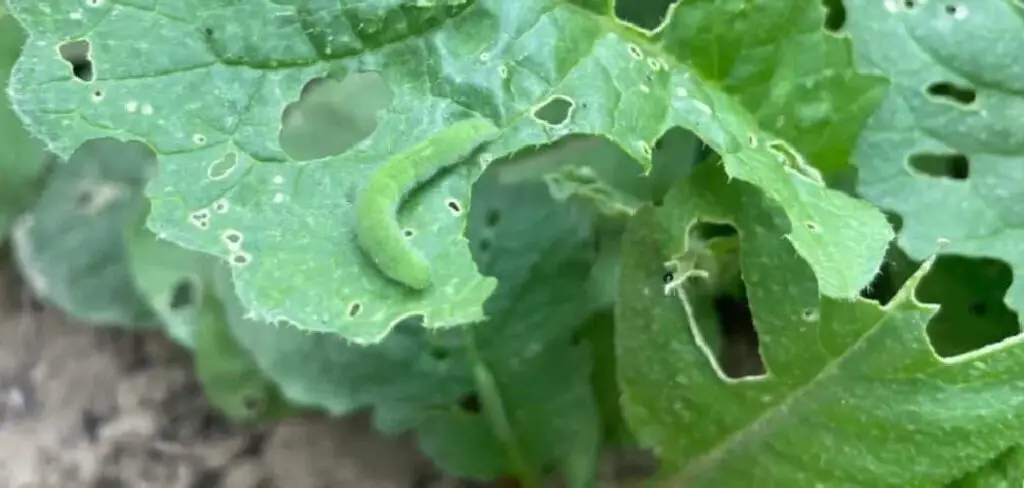
Leaf damage is one of the most visible signs of pest activity, often leading to reduced photosynthesis and stunted plant growth. Additionally, bugs can transmit plant diseases like bacterial wilt and mosaic viruses, further compromising plant health.
Understanding how to stop bugs from eating vegetable plants is crucial for achieving a productive garden. Effective bug control methods include cultural practices such as crop rotation and companion planting, physical barriers like row covers, the introduction of beneficial insects, and the careful use of chemical pesticides. Implementing these strategies ensures robust and healthy vegetable plants, yielding a bountiful harvest.
Identifying Common Garden Pests
Types of Pests
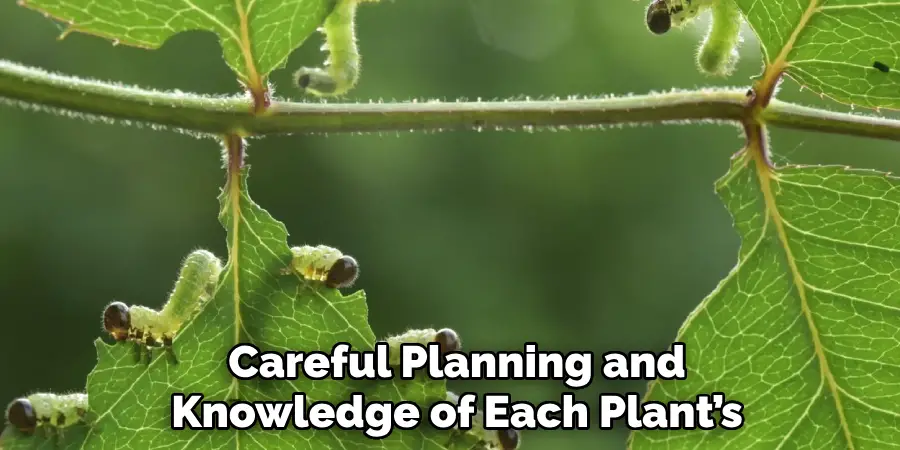
Common vegetable garden pests can cause extensive damage if not managed properly. Aphids are tiny, soft-bodied insects that cluster on new growth, causing leaves to curl and yellow. Caterpillars, including those of moths and butterflies, chew large holes in leaves and can quickly defoliate plants.
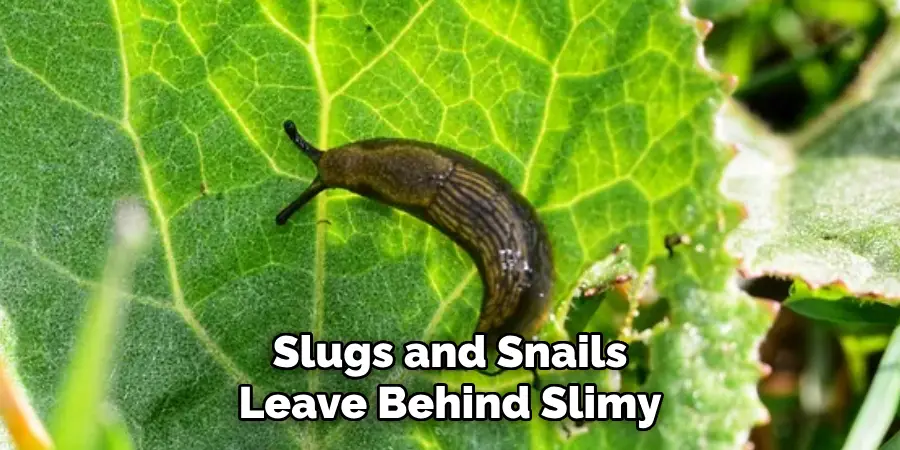
Beetles, such as the Colorado potato beetle, have distinct striped shells and are notorious for chomping on foliage. Slugs and snails leave behind slimy trails and noticeable irregular holes in leaves, often attacking tender seedlings. Recognizing these pests and their specific signs of damage is essential for timely intervention and control.
Pest Identification Techniques
Accurate pest identification is a critical first step in managing garden pests effectively. Examining the undersides of leaves and stems with a magnifying glass can help spot small insects like aphids or mites. Noting the type of damage, such as chewed leaves or sticky residue, provides clues about the culprit.
Utilizing resources like gardening books or online databases can also aid in identifying garden pests. These resources offer detailed pictures and descriptions, facilitating accurate identification and enabling gardeners to implement the most appropriate control measures swiftly.
How to Stop Bugs from Eating Vegetable Plants: Cultural Control Methods
Crop Rotation
Crop rotation is an essential cultural practice to disrupt pest life cycles and prevent infestations. By systematically changing the types of crops planted in specific areas of the garden each season, gardeners can avoid the buildup of pests and diseases that tend to target particular plants.
This method confuses pests that rely on the continuous presence of their preferred hosts. Effective crop rotation involves grouping plants into families and rotating them every 3-4 years. For instance, following a legume crop with a brassica crop disrupts pest patterns and encourages healthier, more resilient plants.
Companion Planting
Companion planting is the strategic arrangement of different plant species within proximity to each other to enhance growth, deter pests, and improve biodiversity. Plants like marigolds and basil are excellent companions; marigolds release natural chemicals that repel nematodes and other harmful insects, while basil can deter flies and mosquitoes.
This diversity creates a balanced ecosystem, attracting beneficial insects and providing natural pest control. The benefits of companion planting extend beyond pest control, as it can also improve soil health and yield. Careful planning and knowledge of each plant’s interactions make companion planting a sustainable pest management strategy.
Proper Plant Spacing and Hygiene
Ensuring proper plant spacing is crucial for air circulation, which helps prevent fungal diseases and reduce pest habitats. Overcrowded plants create a humid environment that is conducive to pests. To promote a healthier garden, space plants according to their specific needs, allowing enough room for growth and airflow.
Regular garden maintenance, such as removing dead leaves and debris, also helps reduce pest habitats. Keeping the garden clean and well-ventilated can significantly deter pests from establishing themselves. Regularly inspecting and cleaning gardening tools can further prevent the spread of pests and diseases, ensuring a thriving and productive vegetable garden.
How to Stop Bugs from Eating Vegetable Plants: Physical Control Methods
Hand-Picking and Traps
One of the simplest and most immediate ways to manage garden pests is through hand-picking and traps. Hand-picking involves manually removing pests from plants such as beetles, caterpillars, and slugs. This method is particularly effective for large or easily visible pests.
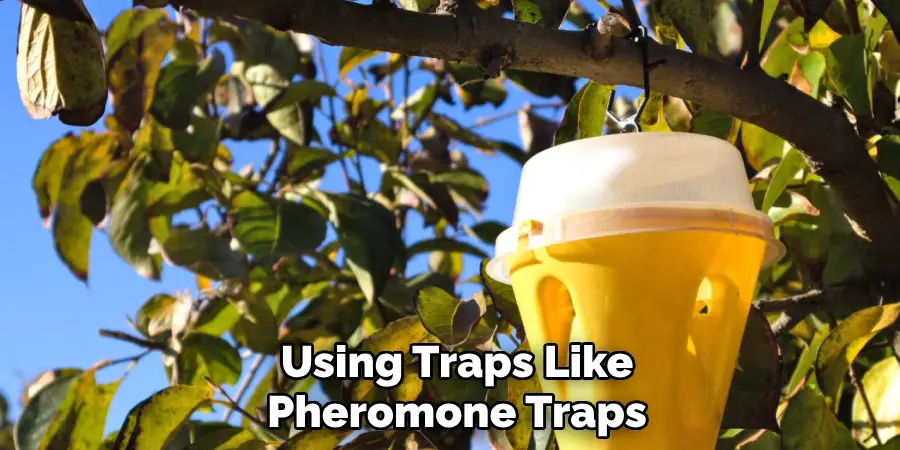
Best practices for hand-picking include inspecting plants early in the morning or late in the evening when pests are most active and disposing of the removed pests by drowning them in soapy water. Additionally, using traps like pheromone traps for moths or beer traps for slugs can help reduce pest populations without chemicals.
Barriers and Row Covers
Using physical barriers such as netting and row covers effectively protects vegetable plants from pests. These barriers create a physical separation between plants and insects, preventing pests from laying eggs or feeding on the plants.
To install row covers, use hoops or stakes to support the cover material over your plants, ensuring the edges are securely anchored to the ground to prevent pests from entering. Materials like lightweight garden fabric or fine mesh can be used as they allow light and water to penetrate while keeping pests out. Proper installation ensures continuous protection throughout the growing season.
Mulching
Mulching serves as both a weed suppressant and a pest deterrent, offering multiple benefits for garden health. Organic mulching materials like straw, wood chips, or compost can create a physical barrier that helps prevent soil-dwelling pests from reaching plant stems.
Mulch also retains soil moisture and regulates temperature, fostering a hospitable environment for beneficial organisms. To apply mulch, spread a 2-3 inch layer around the base of plants, ensuring it doesn’t touch plant stems to prevent rot. Regularly replenishing mulch maintains its effectiveness in pest control and contributes to a healthier garden ecosystem.
Biological Control Methods
Introducing Beneficial Insects
Introducing beneficial insects into the garden is a highly effective method for managing pests without chemical solutions. Ladybugs and lacewings are among the most popular beneficial insects, known for their voracious appetite for aphids, mites, and other harmful pests.
To attract and introduce these helpful insects, plant various flowering plants such as dill, fennel, and yarrow, which provide nectar and pollen. Beneficial insects can also be purchased from garden suppliers and released into the garden early in the morning or late in the evening when they are less active. This practice creates a natural balance, reducing pest populations sustainably.
Natural Predators and Parasites
Encouraging natural predators and parasites in the garden can effectively manage pest populations. Birds, frogs, and predatory insects like dragonflies are invaluable allies in controlling pests. To attract these predators, create a welcoming habitat by providing bird feeders, birdbaths, and nesting boxes.
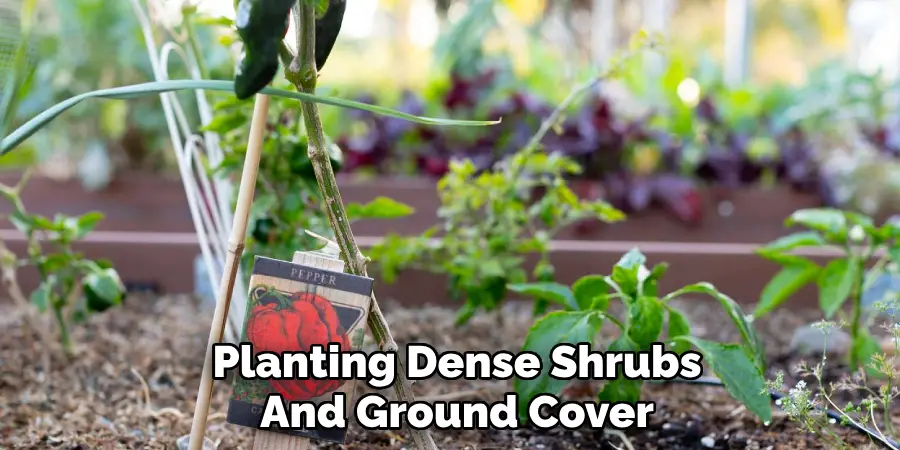
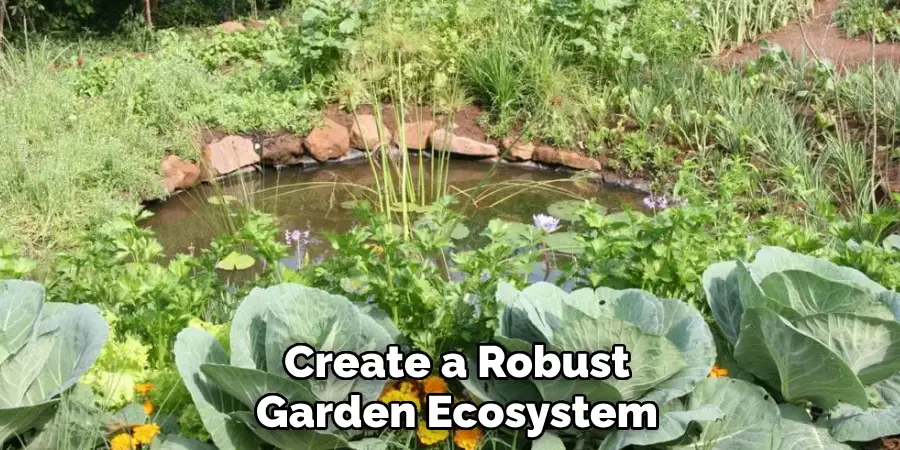
Additionally, water features such as small ponds should be installed to attract frogs. Planting dense shrubs and ground cover can offer shelter for these natural predators. Creating a pesticide-free environment ensures these beneficial creatures thrive, establishing a balanced ecosystem where pest problems are naturally controlled, reducing the need for chemical interventions.
Using Organic Pesticides
Organic pesticides offer a safe and environmentally friendly alternative to conventional chemical sprays. Neem oil and insecticidal soap are effective organic options that target many pests without harming beneficial insects. Neem oil, derived from the neem tree, disrupts insect growth and reproduction, while insecticidal soap works by penetrating the insect’s outer layer, causing dehydration.
When applying these organic pesticides, follow the instructions carefully and use protective gear to avoid skin contact. Apply during the early morning or late evening to minimize the impact on beneficial insects and avoid spraying during the day’s heat to prevent plant damage. Regular monitoring and targeted application ensure effective pest control while preserving garden health.
Chemical Control Methods
Selecting the Right Pesticide
Choosing the appropriate chemical pesticide is crucial for effectively managing specific garden pests while minimizing unintended harm. Start by correctly identifying the pest to target and then select a specifically labeled pesticide to control that pest.
Reading the label thoroughly is essential, as it provides information on the active ingredients and their modes of action, ensuring that the pesticide is both effective and suitable for your garden’s needs. Active ingredients such as pyrethroids, neonicotinoids, or organophosphates vary in their effectiveness against different pests, so understanding these specifics can enhance pest control while limiting environmental impact.
Safe Application Practices
Applying chemical pesticides safely is paramount to protect plants, beneficial insects, and yourself. Always follow the manufacturer’s guidelines for mixing, applying, and disposing of pesticides. Use protective gear such as gloves, masks, and long-sleeved clothing to avoid skin contact and inhalation of chemicals.
Apply pesticides during calm weather conditions to prevent drift and ensure thorough coverage of the target pests. Avoid applying during high temperatures or direct sunlight to reduce the risk of plant damage. Keeping the application methods precise and adhering to safety instructions guarantees an efficient pest control strategy that maintains a healthy and productive garden environment.
Monitoring and Maintenance
Regular Inspections
Frequent checks in your garden are crucial for early pest detection and effective management. Regularly inspect plants for signs of pest activity, such as holes in leaves, discolored foliage, or visible insects. Use a magnifying glass for a closer look at smaller pests that may be hidden under leaves or on stems.
Keeping a detailed record of pest activity and control measures allows you to track the effectiveness of your pest management strategies and make necessary adjustments. Consistent monitoring helps identify potential issues before they escalate, ensuring a healthier and more productive garden.
Maintaining Plant Health
Ensuring that your plants are well-watered, adequately fertilized, and properly pruned is essential for maintaining overall plant health and resilience to pest attacks. Healthy plants are better equipped to withstand pest damage and recover more quickly.
Water plants deeply and consistently to promote strong root growth, and use organic fertilizers to provide essential nutrients. Pruning improves air circulation and reduces the chances of fungal infections, which can attract pests. By prioritizing plant health through these practices, you create a robust garden ecosystem that is less prone to pest infestations and more likely to thrive throughout the growing season.
Conclusion
In conclusion, understanding how to stop bugs from eating vegetable plants relies on a combination of strategies, including encouraging beneficial insects, employing natural predators and parasites, using organic pesticides, and selecting the right chemical controls when necessary.
Emphasizing integrated pest management ensures a balanced approach, minimizing harm to the environment and beneficial species. Regular monitoring and maintaining plant health are key practices that support early pest detection and effective management.
By following these outlined practices, gardeners can foster a healthy and productive garden, providing robust yields while minimizing the impact of pests.

About
Outdoor Fixes is a distinguished figure in the world of Diy design, with a decade of expertise creating innovative and sustainable Diy solutions.
His professional focus lies in merging traditional craftsmanship with modern manufacturing techniques,
fostering designs that are both practical and environmentally conscious. As the author of diy,
outdoorfixes delves into the art and science of outdoorfixes-making, inspiring artisans and industry professionals alike.
Education RMIT University
(Melbourne, Australia) Associate Degree in Design (Outdoor Fixes) Focus on sustainable design, industry-driven projects,
and practical craftsmanship. Gained hands-on experience with traditional and digital manufacturing tools, such as CAD and CNC software.
Nottingham Trent University
(United Kingdom) Bachelor’s in outdoorfixes.com and Product Design (Honors) Specialized in product design with a focus on blending creativity with production
techniques. Participated in industry projects, working with companies like John Lewis and Vitsoe to gain real-world insights.
Publications and Impact
In diy, Outdoor Fixes his insights on indoor design processes, materials, and strategies for efficient production.
His writing bridges the gap between artisan knowledge and modern industry needs, making it a must-read for both budding designers and seasoned professionals.