
The main drain of a swimming pool plays a crucial role in maintaining proper water circulation and ensuring the cleanliness of your pool. However, a leaking main drain can disrupt this balance, leading to water loss, chemical imbalances, and even structural damage.
Knowing how to tell if pool main drain is leaking can save you time and money by allowing you to address the issue early before it escalates into costly repairs.
This guide will walk you through the signs of a leaking main drain, the tools needed for detection, and effective methods to confirm and fix the problem. Whether you’re a pool owner troubleshooting a possible issue or simply looking to maintain your pool’s efficiency, this detailed guide will help you every step of the way.
Understanding the Role of the Main Drain
What Is the Main Drain?
The main drain, typically located at the bottom center of your pool, is a vital component of the filtration and circulation system. It pulls water from the pool’s floor, ensuring consistent circulation and keeping debris and dirt from settling. This ensures that the pool’s water remains clean and safe for swimming.
Importance of a Leak-Free Main Drain
A leak in the main drain can disrupt the pool’s functionality in several ways. It increases water consumption, raises heating and chemical usage, and can cause damage to the surrounding soil and pool structure.
Left unattended, these problems can lead to expensive repairs and even pool foundation instability. Maintaining a leak-free main drain is essential for protecting both your pool and your budget.
Common Signs of a Main Drain Leak
Physical Signs Around the Pool
Main drain leaks often manifest as visible symptoms around the pool area. Check for wet patches or water pooling near the pool edges, as these could point to a leak beneath the surface. Cracks in the pool walls or the area around the drain may also indicate water escaping.
Water Chemistry Changes
If your pool’s water chemistry is hard to stabilize, it might be due to a leaking drain. Frequent drops in chlorine or pH levels without significant use or rainwater dilution could signal water loss and dilution through a leak. Additionally, monitor stabilizer levels to see if they fluctuate abnormally.
Increased Water Loss
Most pools lose water naturally due to evaporation, but significant, unexplained water loss often points to a leak. Measuring your pool’s water levels over several days can help confirm if the rate of water loss exceeds normal evaporation.
Tools and Supplies for Leak Detection
Essential Tools
To detect a possible main drain leak, start with simple tools like:
- Pool skimmers or measuring sticks: To monitor water levels accurately.
- Leak detection dye: A brightly colored dye helps visualize water movement near suspected leak points.
- Measuring tape: To take accurate measurements of water loss.
Advanced Tools (Optional)
For complex cases, advanced equipment can prove useful, such as:
- Submersible cameras: These allow you to visually inspect hard-to-reach drain areas.
- Electronic leak detectors: Detect subtle changes in pressure within the pool system.
Safety Gear for Leak Detection
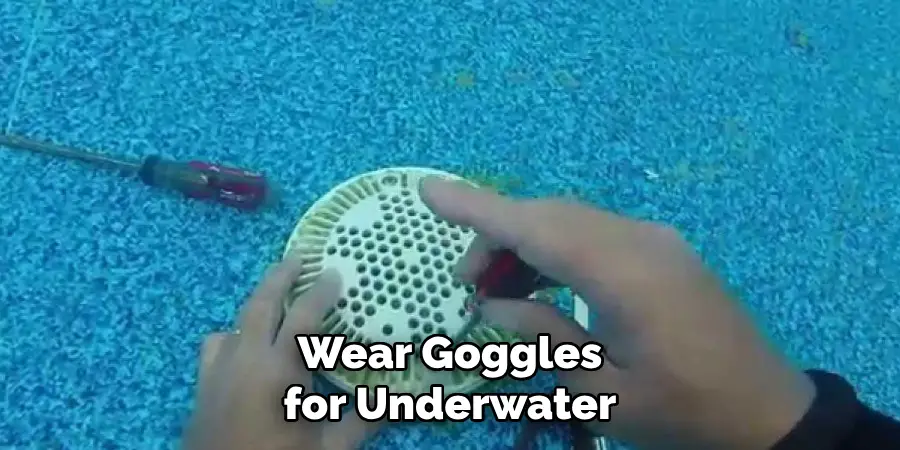
Safety is crucial when inspecting your pool. Wear goggles for underwater visibility, protective gloves, and non-slip shoes to prevent accidents around wet surfaces.
How to Tell If Pool Main Drain Is Leaking: DIY Tests
Bucket Test for Measuring Water Loss
This test helps distinguish between normal evaporation and a true leak:
- Fill a bucket with water and place it on the pool’s steps, ensuring the water levels inside the bucket match the pool’s level.
- Leave the bucket for 24-48 hours without disturbing it.
- Compare the water levels inside the bucket to the pool. If the pool water level drops significantly more, you likely have a leak.
Dye Test Around the Main Drain
Dye testing is a reliable way to locate leaks around your drain:
- Turn off pool circulation to keep the water still.
- Drop a few drops of leak detection dye near the main drain.
- Observe if the dye gets drawn into the drain, signaling water escaping through a leak.
Pressure Test
For more advanced skill sets, a pressure test can help verify leaks in your pool plumbing. This involves sealing off sections of the plumbing system and monitoring pressure drops. If you’re unfamiliar with this process, it’s best to consult a pool professional for accurate results.
Professional Leak Detection Methods
When to Consult a Specialist
DIY methods won’t always resolve the issue, particularly for deep or complex leaks. Call a professional if:
- The leak remains undetected despite testing.
- You notice structural damage around the pool.
- You lack the tools or expertise needed for certain repair techniques.
Advanced Detection Techniques
Professionals leverage sophisticated methods to pinpoint leaks, such as:
- Hydrostatic pressure testing: A method that detects pressure inconsistencies to locate leaks.
- Infrared and sonar equipment: Used to scan for seepage or weak points in the pool infrastructure.
Fixing a Pool Main Drain Leak
Temporary Repairs
For minor leaks, apply underwater epoxy or repair putty directly to the damaged area. These solutions provide a temporary fix, buying time until a permanent repair can be scheduled. Ensure the products are pool-safe to avoid contaminating the water.
Permanent Repairs
For major leaks, full drainage and repair may be necessary. This can involve patching a specific section of the drain or even replacing it entirely, depending on the severity of the damage. Work with a licensed contractor to guarantee durable results.
When to Replace the Main Drain
If the damage proves extensive, a complete replacement may be the most cost-effective option. While more expensive upfront, replacing the drain can save you from recurring issues and maintenance costs in the future.
Preventive Measures for Avoiding Main Drain Leaks
Regular Pool Maintenance
Keep your pool in great shape with routine checks. Inspect the main drain and surrounding areas for any wear and tear, especially after heavy usage months. Keeping drains clear of debris prevents unnecessary strain and damage.
Protecting Pool Plumbing
Avoid aggressive pool cleaning or techniques that stress your plumbing system. Winterize your pool properly during colder months to prevent freezing, which can damage pipes and drains.
Detecting and Resolving Plumbing Issues
Be on the lookout for leaks or drainage issues. If you notice any changes in water levels, pool cleanliness, or filtration efficiency, call a professional immediately to address any potential plumbing problems. Keep up with regular maintenance to prevent larger issues from arising.
Common Mistakes When Identifying or Fixing Main Drain Leaks
Misinterpreting Surface Water

Don’t mistake rainwater runoff or over-watering of lawns for leaks. Test thoroughly before concluding that water levels indicate a break in the drain system.
Overlooking Structural Issues
Structural damage around the main drain is a telltale sign of leaks, but is often ignored. Ignoring these early warning signs can lead to more severe and costly damage.
Improper Repairs
DIY fixes may not provide a lasting solution, particularly if incompatible materials are used. Incorrectly applied sealants can worsen the problem, so professional consultation is always recommended for significant repairs.
Benefits of Addressing Main Drain Leaks Promptly
Preserving Pool Integrity
Repairing leaks early protects the structural foundation of your pool and minimizes the risk of long-term damage, such as soil erosion or wall instability.
Water Conservation and Cost Savings
A fixed leak saves gallons of water daily, lowering consumption and reducing chemical and electricity costs tied to replenishing and reheating the pool.
Prevention of Secondary Damage
A leaking main drain can also cause secondary damage, such as the infiltration of dirt and debris or the growth of algae. Addressing the issue quickly prevents these secondary damages from occurring, which can save time and money on cleaning and maintenance.
Frequently Asked Questions
How Can I Detect a Main Drain Leak?
Signs of a main drain leak may include continuous water level drops, unusually high water bills, or visible air bubbles in the pool’s return lines. A professional leak detection service can confirm and locate the issue.
Is It Safe to Use My Pool If the Main Drain Is Leaking?
While minor leaks may not pose immediate danger, using the pool with a significant main drain leak could lead to further structural damage or unsafe conditions. Prompt repairs are advised.
How Much Does It Cost to Fix a Main Drain Leak?
The cost varies based on the extent and location of the damage. Simple repairs may cost a few hundred dollars, whereas extensive fixes could reach into the thousands. Consult a pool professional for an accurate estimate.
Can I Repair a Main Drain Leak Myself?
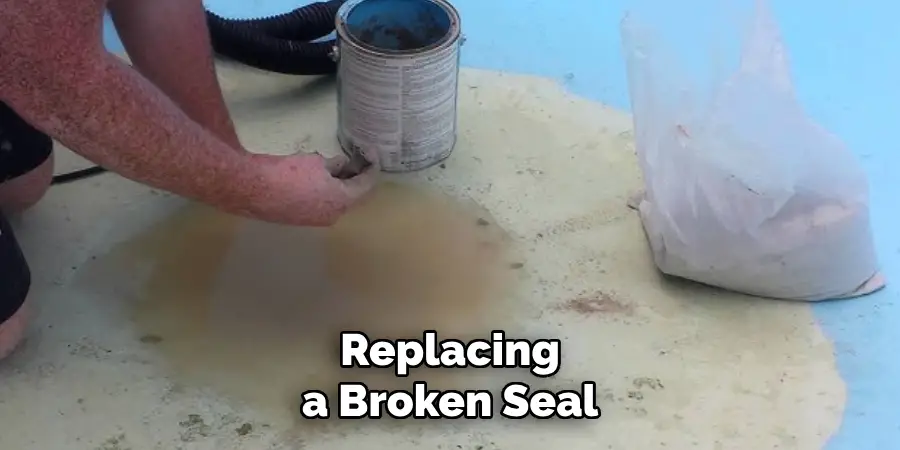
Minor fixes, like replacing a broken seal, might be manageable for a skilled DIYer. However, more complex issues often require specialized tools and expertise, making professional assistance the recommended course of action.
Conclusion
Knowing how to tell if pool main drain is leaking is an invaluable skill for ensuring the longevity and functionality of your swimming pool.
By recognizing signs like unusual water loss, performing DIY tests like the bucket or dye test, and consulting professionals for advanced diagnostics, you can protect your investment from costly damages. Regular maintenance and a proactive approach to repairs will keep your pool leak-free and enjoyable for years to come!

About
Outdoor Fixes is a distinguished figure in the world of Diy design, with a decade of expertise creating innovative and sustainable Diy solutions.
His professional focus lies in merging traditional craftsmanship with modern manufacturing techniques,
fostering designs that are both practical and environmentally conscious. As the author of diy,
outdoorfixes delves into the art and science of outdoorfixes-making, inspiring artisans and industry professionals alike.
Education RMIT University
(Melbourne, Australia) Associate Degree in Design (Outdoor Fixes) Focus on sustainable design, industry-driven projects,
and practical craftsmanship. Gained hands-on experience with traditional and digital manufacturing tools, such as CAD and CNC software.
Nottingham Trent University
(United Kingdom) Bachelor’s in outdoorfixes.com and Product Design (Honors) Specialized in product design with a focus on blending creativity with production
techniques. Participated in industry projects, working with companies like John Lewis and Vitsoe to gain real-world insights.
Publications and Impact
In diy, Outdoor Fixes his insights on indoor design processes, materials, and strategies for efficient production.
His writing bridges the gap between artisan knowledge and modern industry needs, making it a must-read for both budding designers and seasoned professionals.