
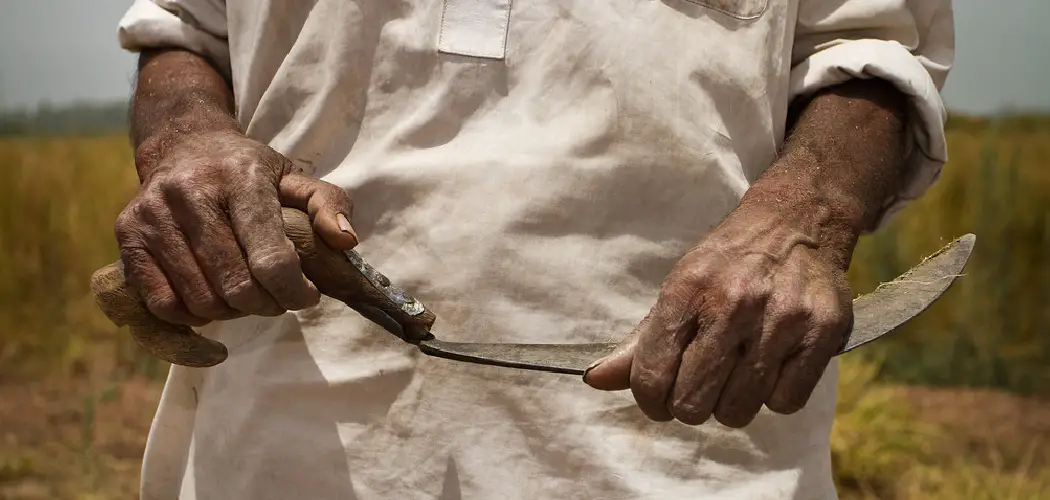
In a world filled with noisy power tools, there is a certain satisfaction that comes from using a simple, effective hand tool. The sickle, with its iconic curved blade, is one of the oldest agricultural implements in human history, used for millennia to harvest grains and clear vegetation.
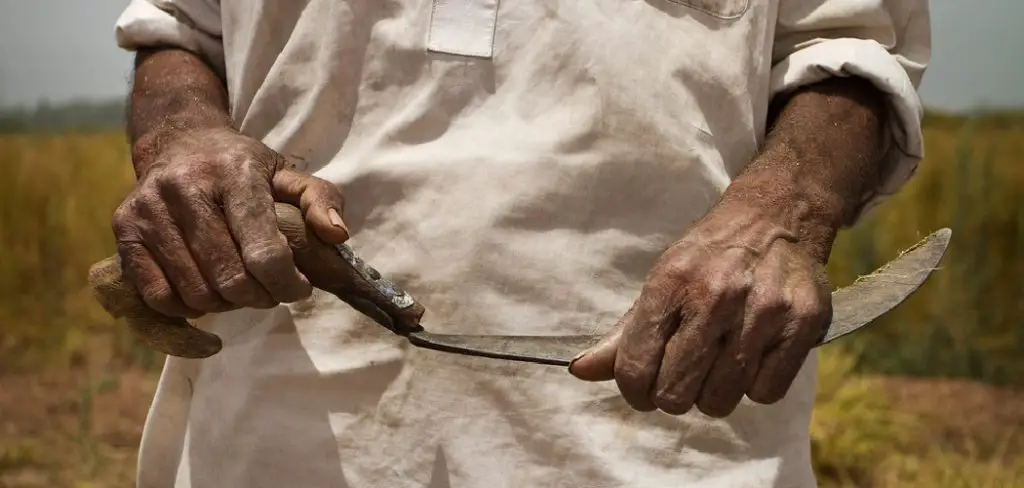
Far from being an obsolete relic, this tool offers a quiet, precise, and surprisingly efficient alternative to weed whackers for managing overgrown areas in the modern garden. Its C-shaped blade is designed to gather and cut in a single, fluid motion, making it perfect for clearing tall weeds, harvesting ornamental grasses, or cutting cover crops.
Many gardeners are intimidated by its sharp, hooked blade, but learning how to use a sickle is a straightforward skill that unlocks a new level of connection with your garden. This guide will demystify the process, focusing on safety and proper technique to help you wield this ancient tool with confidence.
Safety First
Before getting into the specifics of how to use a sickle, it’s important to prioritize safety. The sharp edge and hooked shape of the blade can be dangerous if not handled properly. Here are some tips to keep in mind:
- Always wear protective gloves while using a sickle.
- Keep your fingers and hands away from the cutting edge.
- Make sure your footing is secure before making any cuts.
- Never swing the sickle towards yourself or others.
- Store the sickle in a safe place when not in use.
By following these safety precautions, you can ensure that your experience with using a sickle will be both efficient and
Step-by-Step Guide on How to Use a Sickle
Step 1: Prioritize Safety and Wear Proper Gear
Before you make a single cut, safety must be your top priority. A sickle is an extremely sharp tool designed for slicing, and it demands respect. Always wear a pair of thick, sturdy gardening gloves to protect your hands.
Long pants and closed-toe shoes or boots are also essential to guard against accidental contact with the blade or flying debris. Most importantly, never use a sickle when children or pets are nearby.
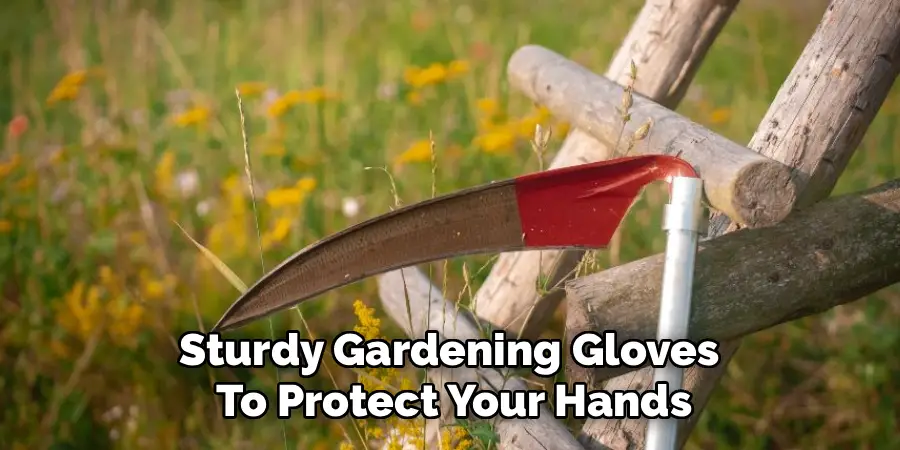
Be constantly aware of the position of your free hand and your legs in relation to the blade’s path. By establishing a safety-first mindset from the very beginning, you create a secure environment where you can focus on your work without risking injury.
Step 2: Establish a Secure Stance
Proper body mechanics are crucial for both safety and efficiency. Stand with your feet planted firmly on the ground, about shoulder-width apart, to create a stable base. If you are right-handed, you will likely be cutting from right to left, so your left foot might be slightly forward. Bend at your knees and hips, keeping your back relatively straight.
This posture allows you to use your core and leg muscles to power the swing, reducing strain on your back and arms. Avoid hunching over from the waist, as this is a recipe for back pain. A strong, balanced stance gives you control over the tool and ensures your movements are deliberate and predictable.
Step 3: Grip the Tool and the Vegetation Correctly
How you hold both the tool and the material you are cutting is fundamental. Grip the sickle’s handle firmly but without tension; a white-knuckle grip will lead to fatigue. Hold it as you would a small saw. With your non-dominant hand (the one with the glove), reach forward and gather a manageable bundle of the grass or weeds you intend to cut.
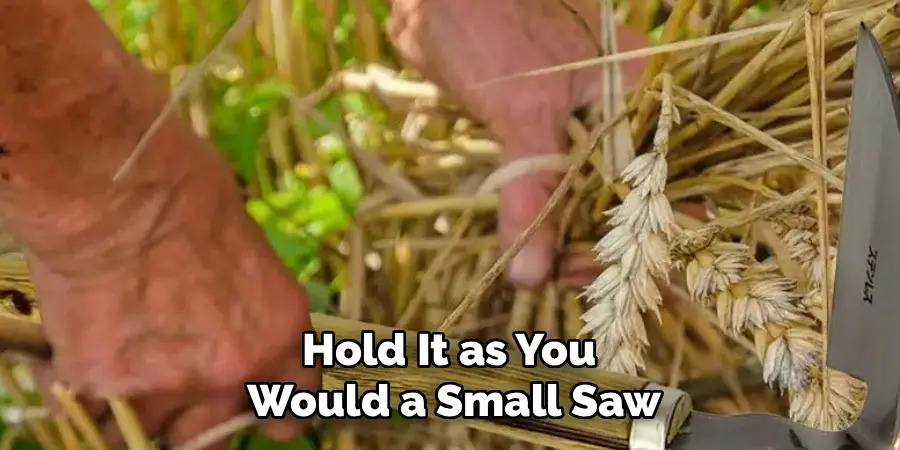
Grip the stalks firmly, several inches above the ground. Crucially, your gripping hand should be positioned well behind the intended cutting path. This action of gathering the stalks creates tension, which allows the sickle’s blade to slice through them cleanly rather than just pushing them over.
Step 4: Execute the Pulling Cut
The power of a sickle comes from a pulling motion, not a hacking or chopping one. Position the curved blade at the base of the bundle of vegetation you are holding, with the sharp edge facing you. The “heel” of the blade (the part closest to the handle) should make the initial contact.
In a single, smooth, and decisive motion, pull the sickle back towards your body, drawing it through the stalks. The C-shape of the blade will naturally gather and slice the stems as you pull.
Do not swing the tool wildly like a machete. The cut should be controlled and powered by your arm and shoulder, with your body providing stability.
Step 5: Work in Rhythmic, Manageable Sections
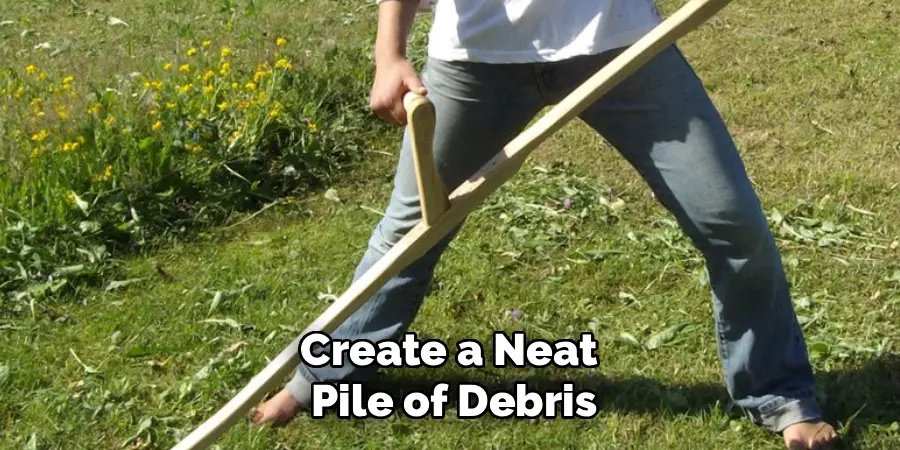
Do not try to clear a massive area with one giant swing. The most effective technique is to work methodically in small, overlapping sections. Gather a comfortable handful of weeds, make your cut, and then drop the cut material into a pile behind you. Take a small step forward or sideways and repeat the process.
This creates a rhythm that is both efficient and less tiring than making random cuts all over the patch.
By working in a consistent pattern, you ensure that you clear the area thoroughly and create a neat pile of debris that is easy to collect later. This systematic approach is a core part of learning how to use a sickle for large tasks.
Step 6: Adapt Your Technique for Different Tasks
While the basic pulling cut remains the same, you can adapt your technique for various gardening jobs. For clearing dense patches of weeds, you might use a shorter, quicker slicing motion. For harvesting delicate herbs or grains, a more gentle and precise pull is required to avoid shattering seeds.
You can also use just the tip of the sickle to hook and cut individual nuisance weeds that are growing close to your prized plants, offering a level of precision that a string trimmer cannot match. Understanding these subtle variations will make your sickle one of the most versatile tools in your shed.
Step 7: Clean and Sharpen Your Blade After Use
Your work is not finished when the last weed is cut. A sharp tool is a safe and effective tool, so proper maintenance is essential. After each use, wipe down the blade to remove any plant sap and moisture, which can lead to rust. Use a rag and some rubbing alcohol or a specialized cleaner. Periodically, you will need to sharpen the edge.
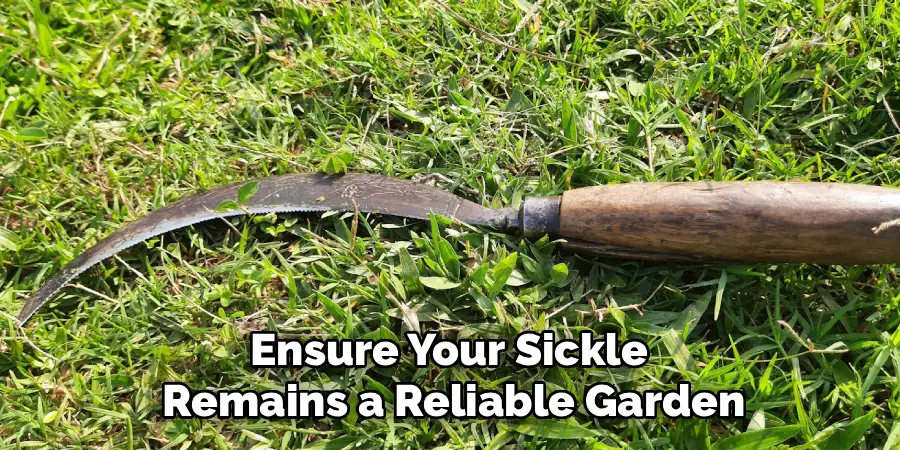
You can do this with a whetstone or a fine-toothed metal file. Hold the sickle securely and run the stone or file along the beveled edge of the blade, always moving away from your body. A few minutes of maintenance after each job will ensure your sickle remains a reliable garden companion for years.
Frequently Asked Questions
What Is the Difference Between a Sickle and a Scythe?
The primary difference is size and use.
- Sickle: A one-handed tool with a short handle and a C-shaped blade. It is used while kneeling or bending for precise tasks like clearing weeds around plants or harvesting small plots of grain.
- Scythe: A two-handed tool with a very long, slightly curved blade attached to a long, bent handle. It is used while standing upright to mow large areas of grass or grain fields efficiently.
Is a Sickle Dangerous to Use?
Any sharp tool has the potential to be dangerous if used improperly. However, with the right precautions, a sickle is a safe tool. The key is to always wear protective gloves, maintain awareness of your free hand’s position, and use a controlled pulling motion rather than a wild swing.
Never rush, and always store the tool with a protective sheath over the blade when not in use.
Which Type of Sickle Is Best for Weeding?
For general weeding, a Japanese-style sickle (often called a kama) is highly recommended. They typically have a thin, very sharp steel blade that slices through weeds with minimal effort. Look for one with a comfortable wooden handle. A serrated sickle is also an option; it grips fibrous stems well but can be more difficult to sharpen than a smooth-bladed version.
Can You Use a Sickle on Woody Stems?
A sickle is designed for cutting non-woody, herbaceous material like grasses, weeds, and grain stalks. While it can handle some thicker stems, it is not the right tool for cutting woody shrubs, tree branches, or thick briars.
Using it on such material can damage the blade and is an inefficient use of your energy. For woody growth, you should use loppers, a pruning saw, or shears.
How Do I Sharpen My Sickle?
Sharpening is best done with a whetstone or a fine mill file.
- Secure the sickle firmly in a vise or on a stable surface.
- Identify the beveled edge (usually only on one side).
- Place your whetstone or file at the same angle as the bevel.
- Push the sharpening tool along the blade’s curve, from the handle towards the tip, always moving away from the sharp edge.
- Repeat until a sharp edge is restored.
Conclusion
The sickle is far more than just a historical artifact; it is a practical, powerful, and peaceful tool that can transform how you manage your garden. By focusing on a safe stance, a firm grip, and the correct pulling motion, you can clear overgrown areas with an efficiency that is both surprising and deeply satisfying.
This manual method connects you to the task at hand, free from the noise, fumes, and mechanical fuss of power equipment. It encourages a more mindful and deliberate approach to gardening. Now that you have a clear understanding of how to use a sickle, you are ready to pick up this timeless tool and discover the quiet confidence that comes from mastering an ancient and effective skill.

About
Outdoor Fixes is a distinguished figure in the world of Diy design, with a decade of expertise creating innovative and sustainable Diy solutions.
His professional focus lies in merging traditional craftsmanship with modern manufacturing techniques,
fostering designs that are both practical and environmentally conscious. As the author of diy,
outdoorfixes delves into the art and science of outdoorfixes-making, inspiring artisans and industry professionals alike.
Education RMIT University
(Melbourne, Australia) Associate Degree in Design (Outdoor Fixes) Focus on sustainable design, industry-driven projects,
and practical craftsmanship. Gained hands-on experience with traditional and digital manufacturing tools, such as CAD and CNC software.
Nottingham Trent University
(United Kingdom) Bachelor’s in outdoorfixes.com and Product Design (Honors) Specialized in product design with a focus on blending creativity with production
techniques. Participated in industry projects, working with companies like John Lewis and Vitsoe to gain real-world insights.
Publications and Impact
In diy, Outdoor Fixes his insights on indoor design processes, materials, and strategies for efficient production.
His writing bridges the gap between artisan knowledge and modern industry needs, making it a must-read for both budding designers and seasoned professionals.