
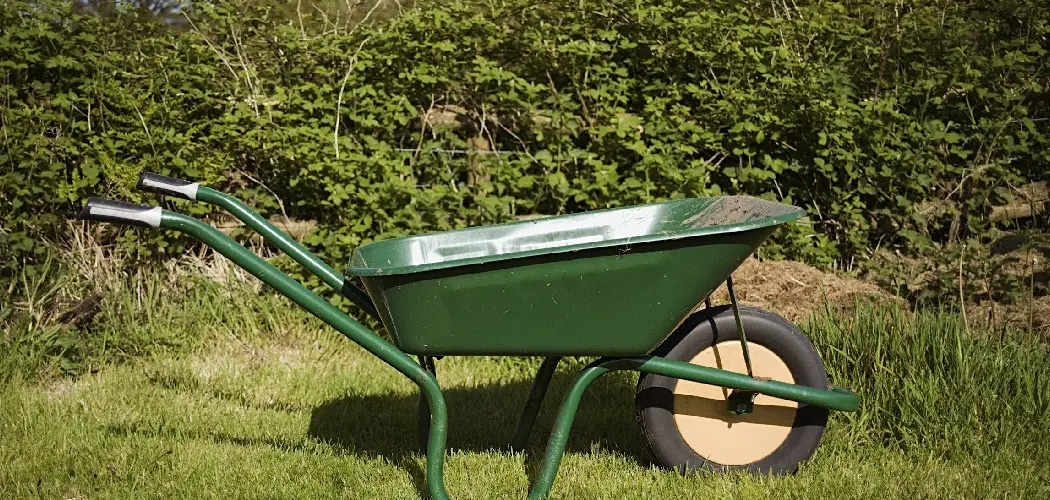
A wheelbarrow is perhaps the most iconic and indispensable tool in any gardener’s arsenal. It transforms heavy, back-breaking chores into manageable tasks, allowing you to move mountains of mulch, soil, rocks, or debris with relative ease. Yet, despite its simple design—a tray, a wheel, and two handles—many people struggle to operate it efficiently. Improper technique can lead to tipped loads, strained muscles, and frustrating spills that double your workload. Using this tool correctly is about more than just brute strength; it requires physics, balance, and a bit of know-how.
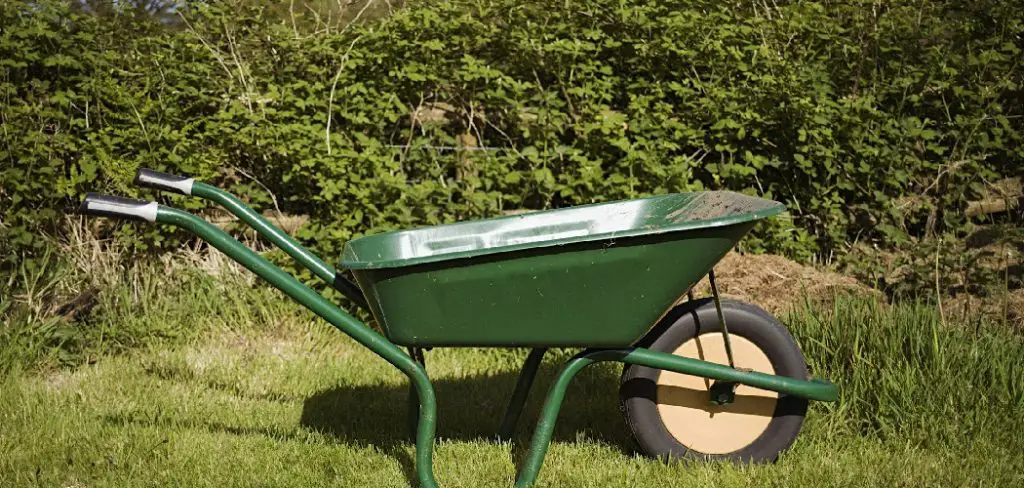
Whether you are a first-time homeowner tackling a landscaping project or a seasoned gardener looking to save your joints, understanding the mechanics of hauling is essential. This guide is designed to teach you how to use a wheel barrow like a professional, ensuring you can transport heavy loads safely, maintain your balance on uneven terrain, and keep your garden projects rolling smoothly from start to finish.
A wheelbarrow is an essential tool for any gardener or homeowner. It can save you time and effort by allowing you to transport heavy loads with ease. But to use it effectively, there are a few things you need to keep in mind.
Choose the Right Wheelbarrow
There are different types of wheelbarrows available in the market, each designed for specific purposes. Before buying one, consider the type of terrain you will be using it on and the weight of your expected loads. A lightweight plastic wheelbarrow may be suitable for light gardening tasks, while a heavy-duty steel one may be better for construction work. Make sure to choose one with a sturdy frame, comfortable handles, and durable wheels.
Load It Correctly
Proper loading of a wheelbarrow is essential to avoid tipping over or straining your back. Begin by placing the heaviest items at the bottom of the tray, closest to the wheel. This will help keep the weight centered and prevent it from toppling over. Use bungee cords or straps to secure any loose items in place if needed.
How to Use a Wheel Barrow: A Step-by-Step Guide
Step 1: Inspect the Tire and Hardware Before Use
Before you load a single pound of dirt, you must ensure your equipment is road-worthy. A flat or soft tire is the enemy of efficiency, making a light load feel twice as heavy and significantly harder to push. Check the tire pressure and inflate it to the manufacturer’s recommended level, which is usually stamped on the sidewall.

While you are down there, inspect the axle to ensure it spins freely without grinding. Check the handles for cracks or splinters that could cause injury, and verify that the bolts connecting the tray to the frame are tight. A wobbly wheelbarrow is unstable and dangerous. Taking five minutes to perform this safety check ensures that your tool works with you, not against you, preventing mid-task breakdowns and potential accidents.
Step 2: Position the Wheel Barrow for Easy Loading
Strategic placement is a crucial part of efficient hauling. Park your wheelbarrow on flat, stable ground whenever possible to prevent it from tipping over as you add weight. If you are working on a slope, always position the tool perpendicular to the incline rather than pointing up or down, which invites gravity to take over.
Orient the front of the tray toward the direction you intend to move, saving you the effort of awkward turns with a full load. If you are shoveling material from a pile, place the barrow close enough to minimize your reach but far enough to give you room to swing the shovel comfortably. This setup minimizes physical strain and streamlines the loading process significantly.
Step 3: Load Heavy Items First
The most common mistake beginners make is tossing items into the tray randomly. Physics dictates that for optimal balance and leverage, you must distribute weight correctly. Place the heaviest items—such as large rocks, bags of concrete, or dense soil—directly over the wheel axis at the front of the tray.
This placement transfers the bulk of the weight into the tire rather than your arms and back. If you place heavy items near the handles, you act as the fulcrum and have to lift that weight yourself. By centering the load forward, you let the wheel do the heavy lifting, making the barrow feel surprisingly light and maneuverable. This weight distribution strategy is fundamental to mastering how to use a wheel barrow without exhausting yourself.

Step 4: Balance the Load Evenly Side-to-Side
Once you have the weight forward, you must address lateral stability. An unbalanced load will fight you every step of the way, constantly pulling the handles to one side and threatening to tip over. As you fill the tray, distribute materials evenly between the left and right sides. If you are carrying oddly shaped items like firewood or paving stones, stack them neatly and centrally.
Avoid piling material too high, as a high center of gravity makes the unit top-heavy and unstable on corners. If you have a lot to move, it is far better and safer to make two manageable trips with stable loads than one precarious trip where you risk losing control and dumping everything onto the lawn.
Step 5: Use Proper Lifting Technique
When it is time to move, your body mechanics are just as important as the tool itself. Stand between the handles with your feet shoulder-width apart to create a solid base. Bend at your knees and hips, keeping your back straight, rather than bending over at the waist. Grasp the handles firmly with both hands.
As you prepare to lift, drive upwards with your legs, engaging your glutes and hamstrings. Keep your arms straight and locked rather than bent; this transfers the lifting force directly to your shoulders and core structure rather than relying on bicep strength. By lifting with your legs and keeping your arms extended, you minimize strain on your lower back and maintain better control over the load.
Step 6: Navigate Terrain with Smooth Momentum
Once the legs are removed from the ground and you are supporting the load, start moving with steady, deliberate steps. Keep your eyes up and focused on the path ahead, scanning for bumps, roots, or soft spots that could jolt the wheel. Maintain a comfortable walking pace; rushing increases the risk of losing control.
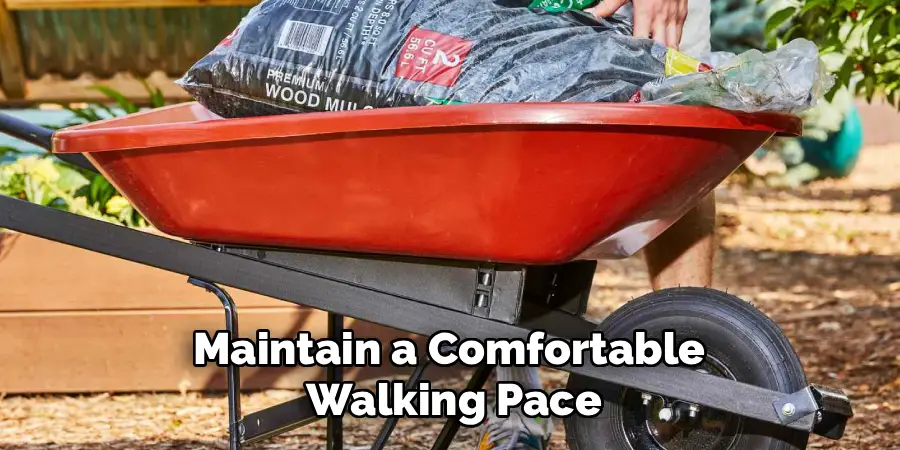
If you encounter a bump or a curb, gain a little momentum before hitting it, and push through squarely. Avoid turning sharply while moving fast, as this shifts the center of gravity abruptly. Instead, slow down and make wide, gradual turns. If you feel the barrow starting to tip, do not try to save it by wrenching your back. It is safer to let the load dump than to sustain an injury fighting gravity.
Step 7: Dump the Load Safely and Controlled
Arriving at your destination brings you to the final maneuver: unloading. Position the wheelbarrow exactly where you want the material to go. If you are dumping loose material like mulch or soil, tip the barrow forward steadily until the front nose guard touches the ground.
Then, lift the handles in a smooth arc, pivoting on the front wheel and nose guard, until the material slides out. Give the handles a little shake to dislodge any remaining debris. If you are unloading heavy items like bricks, do not dump them, as they can break the tray or bounce dangerously. Lower the handles gently back to the ground and unload these items by hand. This controlled finish ensures precise placement and prevents damage to your equipment.
Frequently Asked Questions
What Is the Best Tire Pressure for a Wheelbarrow?
Most standard wheelbarrow tires should be inflated to between 25 and 30 PSI (pounds per square inch). However, you should always check the specific rating stamped on the side of your tire.
- Under-inflation: Makes the barrow hard to push and unstable.
- Over-inflation: Can cause the tire to burst under a heavy load or bounce excessively on rough terrain.
- Solid Tires: Consider upgrading to a solid, flat-free tire if you work in areas with thorns or nails.
How Do I Maintain Wooden Wheelbarrow Handles?
Wooden handles are comfortable but prone to weathering. To keep them in top shape:

- Sand Rough Spots: Use medium-grit sandpaper to remove splinters or peeling varnish.
- Apply Oil: Rub boiled linseed oil into the wood once a season. This penetrates the grain, preventing it from drying out, cracking, or rotting.
- Store Indoors: Keep the wheelbarrow in a shed or garage to protect the wood from rain and UV damage.
Can I Use a Wheelbarrow for Mixing Concrete?
Yes, a wheelbarrow is an excellent vessel for mixing small batches of concrete.
- Use a Hoe: A garden hoe is the best tool for mixing the water and powder.
- Clean Immediately: This is crucial. Wet concrete is easy to wash out; dried concrete is permanent. Hose it out and scrub with a stiff brush the moment you empty the load.
- Plastic vs. Steel: A steel tray is generally more durable for mixing concrete than plastic.
What Is the Difference Between a One-Wheel and Two-Wheel Barrow?
The number of wheels significantly changes how the tool handles.
- One-Wheel: The traditional style. It is extremely maneuverable and easy to turn in tight circles or pivot, but it requires more strength to balance side-to-side.
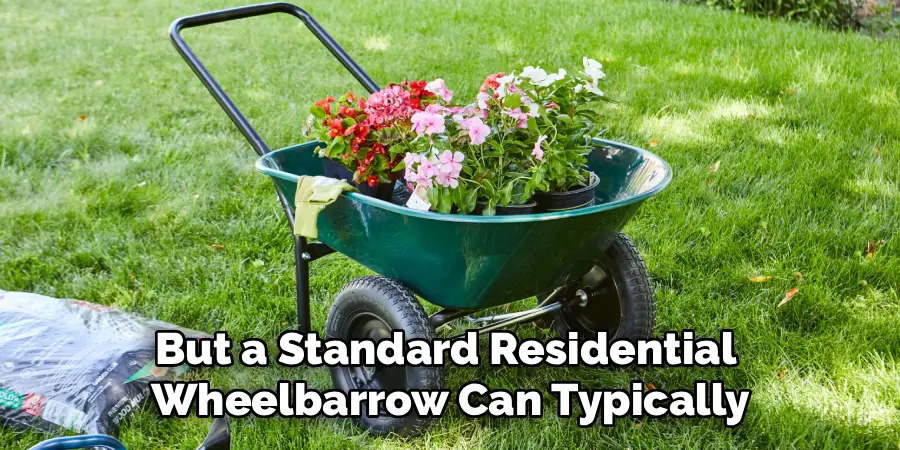
- Two-Wheel: Often called a garden cart. It is much more stable and unlikely to tip over, making it great for heavy loads on flat ground, but it is harder to turn and maneuver on uneven slopes.
How Much Weight Can a Wheelbarrow Hold?
Capacity varies by model, but a standard residential wheelbarrow can typically hold between 200 to 300 pounds. Heavy-duty contractor models can handle up to 500 pounds or more.
- Volume vs. Weight: Don’t confuse cubic feet (volume) with weight capacity. You can fill a tray with dry leaves (high volume, low weight) easily, but filling it to the brim with wet gravel might exceed the weight limit and bend the axle.
Conclusion
Mastering the use of a wheelbarrow is a skill that pays dividends for a lifetime of gardening and home improvement. It changes the dynamic of yard work from a grueling physical test into a satisfying, productive workout. By prioritizing safety checks, understanding the physics of load distribution, and employing proper lifting techniques, you protect your body from injury and your equipment from damage.
A well-balanced load moved with steady momentum makes even the heaviest tasks feel manageable. Remember that the tool is there to do the work for you, but only if you use it wisely. Now that you have learned how to use a wheel barrow effectively, you can confidently tackle those mulch piles and soil bags, turning your landscaping vision into reality one load at a time.

About
Outdoor Fixes is a distinguished figure in the world of Diy design, with a decade of expertise creating innovative and sustainable Diy solutions.
His professional focus lies in merging traditional craftsmanship with modern manufacturing techniques,
fostering designs that are both practical and environmentally conscious. As the author of diy,
outdoorfixes delves into the art and science of outdoorfixes-making, inspiring artisans and industry professionals alike.
Education RMIT University
(Melbourne, Australia) Associate Degree in Design (Outdoor Fixes) Focus on sustainable design, industry-driven projects,
and practical craftsmanship. Gained hands-on experience with traditional and digital manufacturing tools, such as CAD and CNC software.
Nottingham Trent University
(United Kingdom) Bachelor’s in outdoorfixes.com and Product Design (Honors) Specialized in product design with a focus on blending creativity with production
techniques. Participated in industry projects, working with companies like John Lewis and Vitsoe to gain real-world insights.
Publications and Impact
In diy, Outdoor Fixes his insights on indoor design processes, materials, and strategies for efficient production.
His writing bridges the gap between artisan knowledge and modern industry needs, making it a must-read for both budding designers and seasoned professionals.