
Using Irish Spring soap to deter deer is an easy and effective method to protect your garden or yard from these persistent visitors. This guide will explore how to use irish spring soap to deter deer, how to use it effectively, and additional tips to maximize its impact.
By following these simple steps, you can keep your plants safe and enjoy a deer-free outdoor space without harmful chemicals or expensive solutions.
Importance of Deterring Deer from Gardens and Yards
Deterring deer from gardens and yards is crucial for several reasons. These animals, while majestic, can cause significant damage to vegetation, flowers, and crops. Deer have a voracious appetite and are known to consume a variety of plants, often stripping gardens bare in a single night.
This can be particularly devastating for gardeners who have invested time, effort, and resources into cultivating their landscape. Moreover, deer can carry ticks that transmit Lyme disease, posing a health risk to humans and pets.
By preventing deer from entering your garden or yard, you not only protect your plants but also reduce the likelihood of tick-borne illnesses and associated health issues. Hence, using effective deterrence methods like Irish Spring soap plays an essential role in maintaining both the beauty and safety of your outdoor space.
Why Irish Spring Soap Works
Irish Spring soap is an effective deer deterrent primarily due to its strong scent. Deer have an acute sense of smell and are typically deterred by unfamiliar or strong odors.
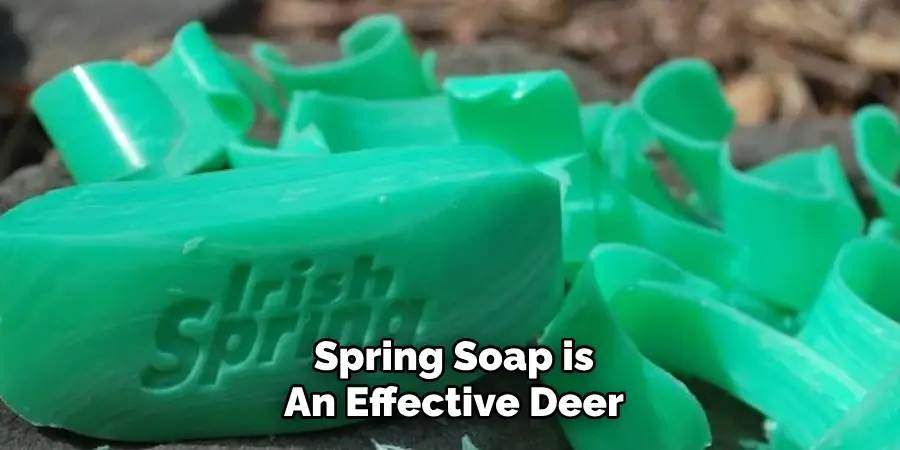
The potent fragrance of Irish Spring soap, which is pleasant to humans, is highly offensive to deer and other wildlife. When they encounter the soap’s smell, deer perceive it as a threat and tend to avoid the area. Additionally, the texture and composition of the soap make it long-lasting, ensuring that the pungent scent remains active for an extended period.
This method offers a humane and environmentally friendly way to protect your garden or yard, providing a continuous barrier without the need for harmful chemicals or elaborate installations.
10 Methods How to Use Irish Spring Soap to Deter Deer
1. Soap Shavings Around Plants
One of the simplest methods is to shave Irish Spring soap and sprinkle the shavings around the plants you wish to protect. Using a grater, create small soap shavings that can be easily scattered around the base of plants. The strong scent of the soap will create a perimeter that deters deer from approaching.
This method is particularly effective for garden beds and flower patches. Reapply the shavings after rain or heavy dew to maintain the scent’s potency. This approach ensures that the soap doesn’t interfere with plant growth or soil quality while providing a continuous barrier against deer.
2. Hanging Soap Bars
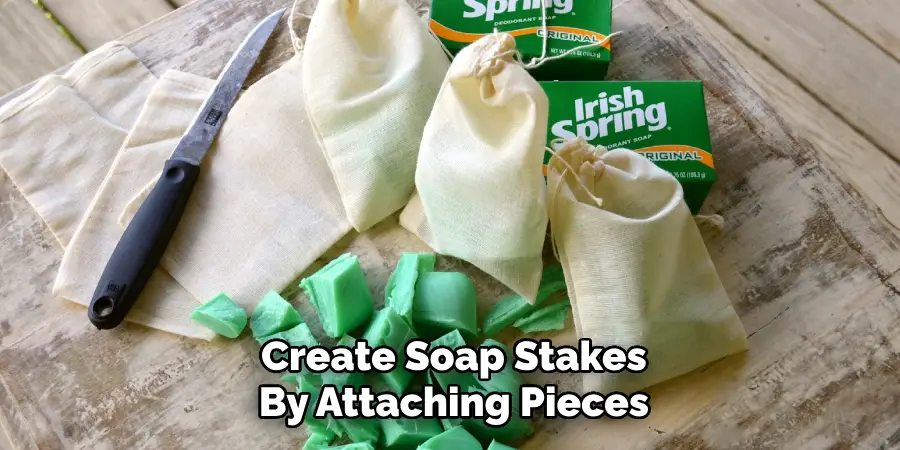
Another effective method is to hang whole bars of Irish Spring soap around your garden or property. Cut the soap bars into smaller pieces and place each piece in a mesh bag or an old sock. Hang these bags from tree branches, garden stakes, or fence posts at approximately deer nose height (about three to four feet off the ground).
The strong scent will create a deterrent zone. Position the soap bars at regular intervals around the perimeter and within the garden to maximize coverage. This method is durable and can withstand various weather conditions, ensuring long-lasting protection.
3. Soap Stakes
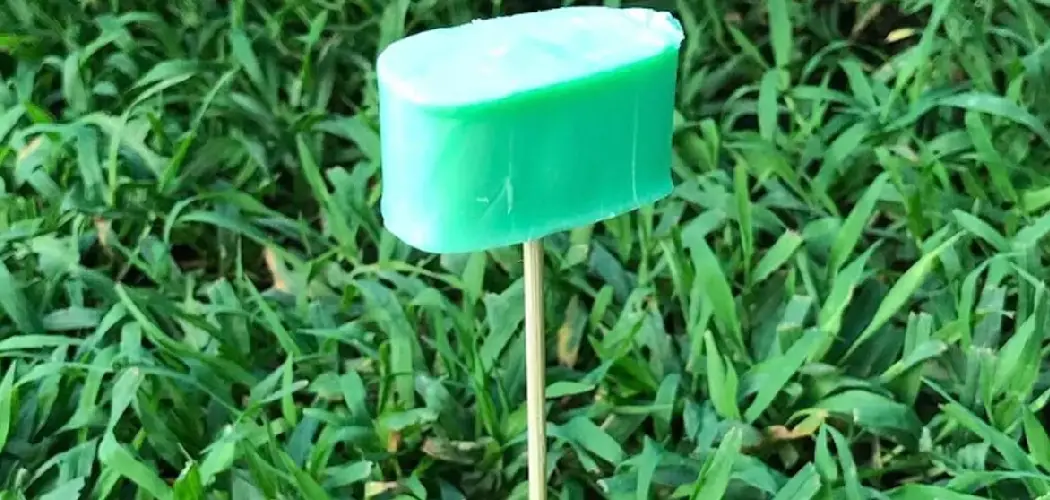
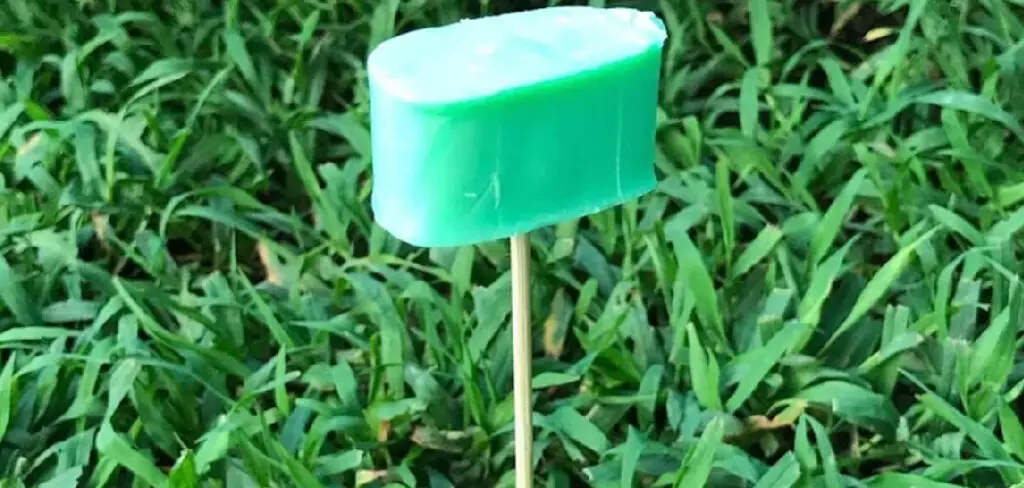
Create soap stakes by attaching pieces of Irish Spring soap to stakes and placing them strategically around your garden. Cut the soap into smaller chunks and secure each piece onto a wooden or plastic stake using zip ties or wire. Insert the stakes into the ground around plants, garden beds, and along pathways frequented by deer.
This method allows for easy repositioning and adjustment based on deer activity patterns. The elevated position of the soap ensures that the scent is carried by the wind, enhancing its effectiveness as a deterrent.
4. Soap and Water Spray
Make a homemade deer repellent spray using Irish Spring soap and water. Grate a bar of soap into fine shavings and dissolve them in a gallon of warm water. Pour the mixture into a spray bottle and apply it to plants, shrubs, and trees.
This method coats the foliage with a protective layer that emits the soap’s strong scent. Reapply the spray every two weeks or after heavy rain to maintain its effectiveness. This approach is particularly useful for large areas where hanging soap bars or placing stakes might not be practical.
5. Soap in Flower Pots
Place pieces of Irish Spring soap directly in flower pots and planters to protect potted plants from deer. Cut the soap into small cubes and place them at the base of the plants or hang them from the edges of the pots using mesh bags.
The proximity of the soap to the plants ensures that the scent is concentrated in the immediate area, deterring deer from approaching. This method is especially beneficial for decks, patios, and other areas where potted plants are commonly kept.
6. Soap in Garden Borders
Incorporate Irish Spring soap into your garden borders to create a scent barrier. Bury small pieces of soap along the edges of garden beds or pathways. Ensure that the soap is partially exposed to release its scent effectively.
This method creates a continuous barrier that deer are unlikely to cross. Combining this approach with other physical barriers, such as low fences or hedges, can enhance its effectiveness.
7. Soap in Netting
Wrap pieces of Irish Spring soap in netting or cheesecloth and place them around your garden. This method is similar to hanging soap bars but allows for more versatility in placement.
The netting protects the soap from direct exposure to the elements, prolonging its lifespan. Place the wrapped soap in garden beds, hang them from fences, or tuck them into shrubs. The flexibility of this method allows you to target specific areas where deer activity is most prevalent.
8. Soap in Bird Feeders
Deer are often attracted to bird feeders, where they can access easy food sources. To deter them, place pieces of Irish Spring soap around bird feeders. Secure the soap in mesh bags or small containers with holes and attach them to the feeder poles or nearby trees.

The strong scent will discourage deer from approaching the feeders while not deterring birds. This method helps protect both your garden and the food intended for birds, ensuring that deer do not develop a habit of frequenting your yard.
9. Soap in Mulch
Integrate Irish Spring soap into your mulch to create a scented barrier around plants. Grate the soap into fine shavings and mix them with your mulch before spreading it around the garden. The scent of the soap will be released gradually as the mulch breaks down, providing long-term protection.
This method is particularly effective for vegetable gardens and flower beds where deer are known to forage. The combination of mulch and soap shavings creates a physical and scent barrier that deters deer while benefiting soil health.
10. Soap in Garden Decorations
Incorporate Irish Spring soap into garden decorations to create aesthetically pleasing deterrents. Hide small pieces of soap in garden ornaments, statues, or decorative rocks.
This method allows you to maintain the visual appeal of your garden while incorporating effective deer deterrents. Place the decorated soap strategically around the garden, ensuring that the scent is distributed evenly.
Common Mistakes to Avoid
While utilizing Irish Spring soap as a deer deterrent is generally straightforward, there are several common mistakes that can reduce its effectiveness. To ensure optimal results, avoid the following pitfalls:
- Using Insufficient Soap: One of the most frequent errors is using too little soap to create an effective barrier. Ensure you use enough soap, especially in areas with high deer activity, to create a strong scent deterrent.
- Improper Placement: Positioning the soap too high or too low can diminish its impact. Place the soap at approximately deer nose height (three to four feet off the ground) to maximize its deterrence.
- Not Replacing Soap Regularly: Over time, the scent of the soap will fade due to weather exposure. Regularly check and replace the soap pieces to maintain their potency and ensure continuous protection.
- Relying Solely on Soap: While Irish Spring soap can be highly effective, it’s best used in combination with other deterrent methods such as fencing, plant selection, and repellant sprays for comprehensive protection.
- Ignoring Seasonal Adjustments: Deer behavior changes with the seasons. During periods of high activity, like spring and fall, increase the number of soap pieces or add additional deterrent methods to heighten protection.
- Using the Wrong Type of Soap: Not all soaps are created equal for this purpose. Ensure you use the original Irish Spring soap, as other variants or brands may not have the same repellent properties.

Conclusion
Each of these methods leverages the strong scent of Irish Spring soap to create a natural barrier against deer. By combining several of these approaches, you can maximize the effectiveness of the deterrent and protect your garden and property from deer damage.
Regular maintenance and reapplication of the soap are necessary to ensure continuous protection, especially after rain or extreme weather conditions. Thanks for reading, and we hope this has given you some inspiration on how to use irish spring soap to deter deer!

About
Outdoor Fixes is a distinguished figure in the world of Diy design, with a decade of expertise creating innovative and sustainable Diy solutions.
His professional focus lies in merging traditional craftsmanship with modern manufacturing techniques,
fostering designs that are both practical and environmentally conscious. As the author of diy,
outdoorfixes delves into the art and science of outdoorfixes-making, inspiring artisans and industry professionals alike.
Education RMIT University
(Melbourne, Australia) Associate Degree in Design (Outdoor Fixes) Focus on sustainable design, industry-driven projects,
and practical craftsmanship. Gained hands-on experience with traditional and digital manufacturing tools, such as CAD and CNC software.
Nottingham Trent University
(United Kingdom) Bachelor’s in outdoorfixes.com and Product Design (Honors) Specialized in product design with a focus on blending creativity with production
techniques. Participated in industry projects, working with companies like John Lewis and Vitsoe to gain real-world insights.
Publications and Impact
In diy, Outdoor Fixes his insights on indoor design processes, materials, and strategies for efficient production.
His writing bridges the gap between artisan knowledge and modern industry needs, making it a must-read for both budding designers and seasoned professionals.