

When maintaining your Intex pool, the strainer hole plug plays a crucial role in ensuring proper functionality and making certain tasks, like cleaning or repairs, more efficient. This small yet essential component is designed to temporarily block water flow through the strainer holes, allowing you to complete maintenance tasks without draining the pool.

This guide explores the key aspects of how to use strainer hole plug intex pool.
What is a Strainer Hole Plug in an Intex Pool?
A strainer hole plug is a specially designed accessory used in Intex pools to temporarily seal the openings of the strainer connectors. These plugs are typically made of durable rubber or plastic materials, ensuring a watertight seal when inserted into the strainer holes.
Their primary purpose is to prevent water from flowing out of the pool while performing maintenance tasks, such as cleaning the pump, replacing filters, or repairing components. By using a strainer hole plug, you can keep the water level in the pool intact, saving time and effort while extending the life of your pool system.
When to Use a Strainer Hole Plug
Strainer hole plugs are essential tools that should be used during various pool maintenance procedures. They are particularly useful when you need to service or replace equipment, such as the pool pump or filter, without draining the water. Additionally, strainer hole plugs come in handy during cold weather preparation to prevent water from entering and freezing within the system, which can lead to damage.
They are also beneficial for troubleshooting leaks, as blocking specific areas can help identify the source of the problem. Overall, using a strainer hole plug ensures efficient maintenance and protects your pool’s components from unnecessary wear and tear.
10 Methods How to Use Strainer Hole Plug Intex Pool
1. Use the Plug When Replacing or Cleaning the Filter Pump
One of the most common times to use the strainer hole plug is when you need to replace, upgrade, or clean your Intex filter pump. The strainer hole plug temporarily blocks water from flowing out of the intake and return ports. Before disconnecting the hoses, insert the plugs into the strainer holes on the inside wall of the pool.
This creates a watertight seal, allowing you to remove the hoses or pump unit without draining the pool. It prevents unnecessary water loss and makes the entire maintenance process easier and more efficient.
2. Insert the Plug During Hose Disconnection or Repair
If a hose becomes cracked, clogged, or disconnected, it’s important to stop water from gushing out of the openings in the pool wall. Inserting the strainer hole plug into the intake and return ports prevents your pool from losing gallons of water in seconds.
Always have a plug or two on hand for emergencies like this. Simply reach into the water and gently press the plug into the hole. It will snugly fit against the strainer or return fitting, buying you time to fix the hose without draining the pool.
3. Plug the Strainer Hole Before Winterizing the Pool
For those living in colder climates, winterizing your Intex pool is essential to protect it during the freezing months. The strainer hole plug is used to seal the intake and return holes before the pool is covered for winter. Once the hoses and pump are removed, insert the plugs to prevent debris, insects, and moisture from entering.
This method also helps avoid the formation of ice inside the pipe openings, which can cause cracking or permanent damage to the fittings.
4. Install the Plug While Changing Pool Accessories
If you plan to install accessories like a saltwater system, heater, or upgraded filter, you’ll need to temporarily stop water flow to prevent spillage during installation. The strainer hole plug makes this possible without draining the pool. Insert the plug into the intake and return fittings to stop water, disconnect the hoses, install your accessory, then remove the plug when you’re done.
This simple process avoids major water loss and ensures a clean, hassle-free upgrade.
5. Use the Plug When Applying Pool Chemicals
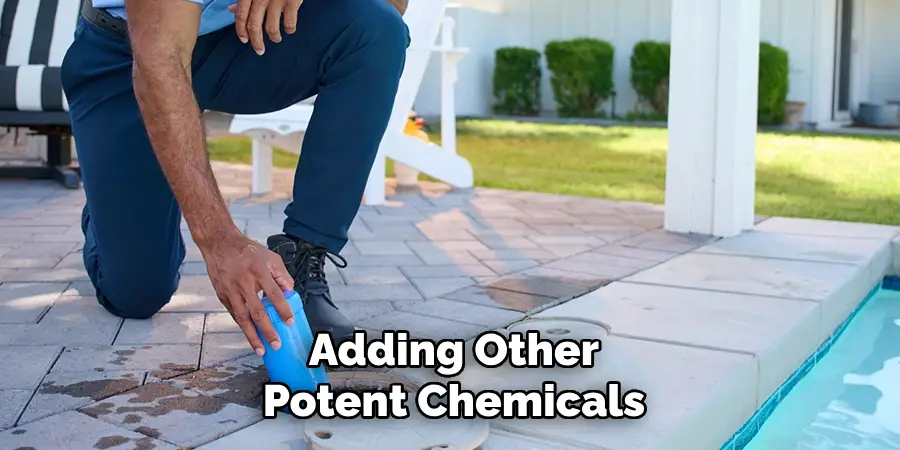
Sometimes it’s best to isolate the filtration system while shocking the pool or adding other potent chemicals. This prevents strong chemicals from flowing directly into the pump or filter, which could cause damage. Insert the strainer hole plug to block water from circulating temporarily.
Allow the chemicals to dissolve and distribute naturally before restarting the system. It’s a precautionary step that ensures the health of your pool equipment and the safety of your water chemistry.
6. Seal the Hole When Vacuuming the Pool Manually
Manual pool vacuums typically attach to the intake port using a hose. However, in some setups or during deep cleanings, it may be more efficient to block the standard intake and use a dedicated suction device. Plugging the strainer hole redirects suction to where it’s most effective.
This method increases vacuum efficiency by focusing the suction power, making your vacuuming sessions more effective at removing stubborn debris and dirt from the bottom of the pool.
7. Use During Leak Testing or Inspection
If you suspect your pool is leaking or want to test for weak seals around fittings, use the strainer hole plug to close off the intake and return lines during inspection. By sealing the pool internally, you isolate the system and can determine whether the problem lies within the plumbing or the pool liner. This method is especially useful when troubleshooting unclear leaks, as it allows for systematic elimination of potential sources.
8. Insert the Plug When Adjusting Water Level
Sometimes, you might want to manually adjust the water level in the pool—perhaps before a storm, after heavy rainfall, or during maintenance. Using the strainer hole plug prevents further drainage through the intake while you adjust levels manually with a siphon or bucket. It ensures you have control over water loss and that the pump doesn’t continue pulling water while you’re trying to bring it down to an optimal level.
9. Use the Plug When Backflushing or Cleaning Sand Filters
Although many Intex pools come with cartridge filters, some models or upgrades involve sand filter systems. During backflushing or deep cleaning, it’s sometimes helpful to plug the intake to prevent water from cycling through while cleaning the system. Insert the plug, carry out the backflushing process, then remove it when finished. This allows you to isolate the filter without affecting the main pool water and prevents accidental drainage.
10. Keep a Spare Plug for Emergencies

Even if you’re not performing maintenance, it’s wise to always keep a strainer hole plug nearby for emergencies. Accidents can happen: a hose can pop off, a fitting can crack, or the pump may suddenly fail. Being able to immediately plug the intake and return can prevent hours of cleanup and significant water loss. It’s a low-cost, high-value item that brings peace of mind and practical security to pool ownership.
Things to Consider When Using a Strainer Hole Plug
- Size Compatibility
Always ensure that the plug fits the dimensions of your pool’s strainer hole. Using the wrong size can result in leaks or the plug not staying in place, which could lead to water loss or equipment damage.
- Material Durability
Choose a plug made from durable, long-lasting materials that can withstand exposure to chemicals, water pressure, and sunlight over time. Rubber and heavy-duty plastic are popular choices for longevity.
- Ease of Use
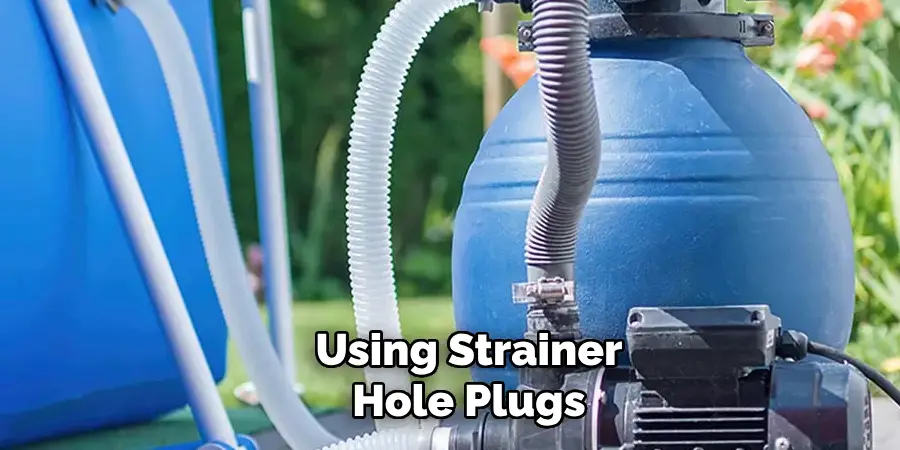
Look for a plug that is easy to install and remove. Complex designs can cause unnecessary frustration, especially during an emergency or routine maintenance.
- Chemical Resistance
Pool chemicals can wear down certain materials, so it’s important to select a plug designed to handle consistent exposure to chlorine and other commonly used cleaning agents.
- Storage Location
Keep strainer hole plugs stored in an easily accessible location near the pool. Quick access can be crucial during emergencies, saving time and reducing potential damage.
By keeping these considerations in mind, you can ensure proper functionality and reduce potential issues associated with using a strainer hole plug.
Common Mistakes to Avoid
When using strainer hole plugs, there are several common mistakes that can lead to inefficiencies or potential problems. One frequent error is not regularly inspecting the plug for wear and tear. Over time, exposure to chlorine and other chemicals can degrade materials, making them less effective and prone to failure. Another mistake is using a plug that is not the correct size or type for your pool’s requirements, which can result in leaks or improper sealing.
Additionally, storing plugs in damp or neglected areas can lead to premature aging or contamination, reducing their reliability when needed. Avoiding these mistakes will help extend the life of your strainer hole plug and ensure it performs effectively when required.
Conclusion
Though it may seem like a simple rubber or plastic stopper, the strainer hole plug is one of the most versatile and essential tools for managing an Intex above-ground pool. Whether you’re performing scheduled maintenance, handling emergencies, making upgrades, or preparing for winter, this tiny component plays a huge role in preventing water loss, maintaining system integrity, and making your pool easier to manage.
Thanks for reading, and we hope this has given you some inspiration on how to use strainer hole plug intex pool!

About
Outdoor Fixes is a distinguished figure in the world of Diy design, with a decade of expertise creating innovative and sustainable Diy solutions.
His professional focus lies in merging traditional craftsmanship with modern manufacturing techniques,
fostering designs that are both practical and environmentally conscious. As the author of diy,
outdoorfixes delves into the art and science of outdoorfixes-making, inspiring artisans and industry professionals alike.
Education RMIT University
(Melbourne, Australia) Associate Degree in Design (Outdoor Fixes) Focus on sustainable design, industry-driven projects,
and practical craftsmanship. Gained hands-on experience with traditional and digital manufacturing tools, such as CAD and CNC software.
Nottingham Trent University
(United Kingdom) Bachelor’s in outdoorfixes.com and Product Design (Honors) Specialized in product design with a focus on blending creativity with production
techniques. Participated in industry projects, working with companies like John Lewis and Vitsoe to gain real-world insights.
Publications and Impact
In diy, Outdoor Fixes his insights on indoor design processes, materials, and strategies for efficient production.
His writing bridges the gap between artisan knowledge and modern industry needs, making it a must-read for both budding designers and seasoned professionals.