
Keeping your Summer Waves pool clean and healthy requires regular maintenance, and the pool filter plays a crucial role in this process. The filter helps remove debris, dirt, and other impurities from the water, ensuring it stays clear and safe for swimming.
Understanding how to properly use and maintain your pool filter will not only extend its lifespan but also enhance your overall pool experience. This guide will walk you through the essential steps for how to use summer waves pool filter.
Types of Summer Waves Pool Filters
Summer Waves pools typically use two main types of filters: cartridge filters and sand filters. Each type has specific functions and benefits suited for different pool maintenance needs.
- Cartridge Filters
Cartridge filters are one of the most common options for Summer Waves pools. They use a replaceable cartridge made of pleated polyester material to trap debris and impurities. These filters are easy to install and maintain, requiring periodic cleaning and occasional cartridge replacement. They are ideal for smaller pools and are highly efficient at capturing fine particles.
- Sand Filters
Sand filters use a bed of specially graded sand to filter out debris and contaminants. Water flows through the sand, which traps impurities before circulating clean water back into the pool. Sand filters are durable and require less frequent maintenance, as the sand only needs to be replaced every few years. They are excellent for larger pools and can handle higher volumes of water effectively.
Understanding the type of filter used in your Summer Waves pool is essential for ensuring proper care and maximizing the efficiency of your pool’s filtration system.
Components of a Summer Waves Pool Filter System
A Summer Waves pool filter system is composed of several key components that work together to maintain clean and clear water. These components include:
- Pump – The pump is responsible for circulating water through the filtration system, ensuring continuous flow and efficient cleaning.
- Filter Tank – The filter tank houses the filtering medium, such as sand, cartridges, or diatomaceous earth, depending on the type of filter used.
- Filter Medium – This is the material that traps and removes debris and impurities from the water. The exact medium varies by filter type.
- Skimmer Basket – The skimmer basket collects larger debris, such as leaves and twigs, before the water enters the filter, preventing clogs and damage.
- Return Jet – The return jet directs the filtered water back into the pool, maintaining circulation and promoting even distribution of chemicals.
- Control Valve – The control valve allows you to switch between different functions of the filter system, such as filtering, backwashing, and rinsing.
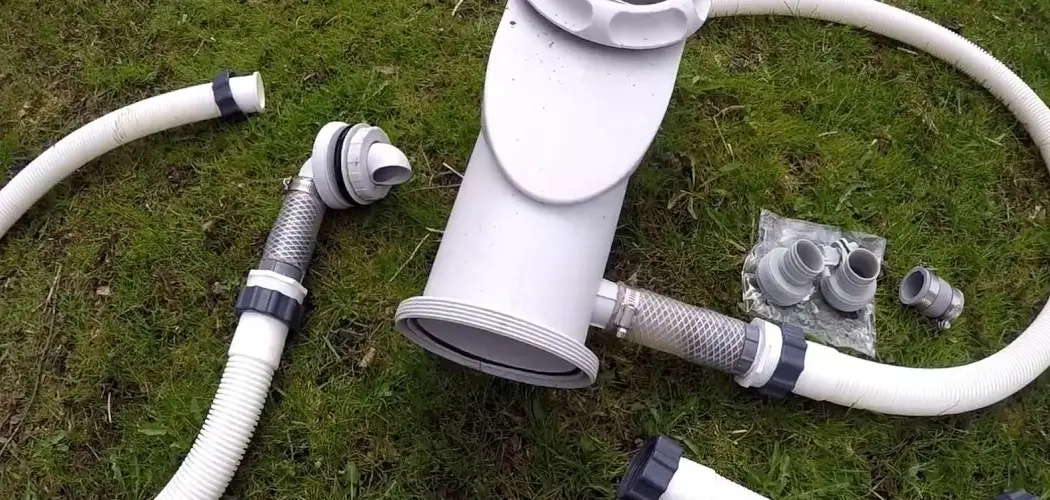
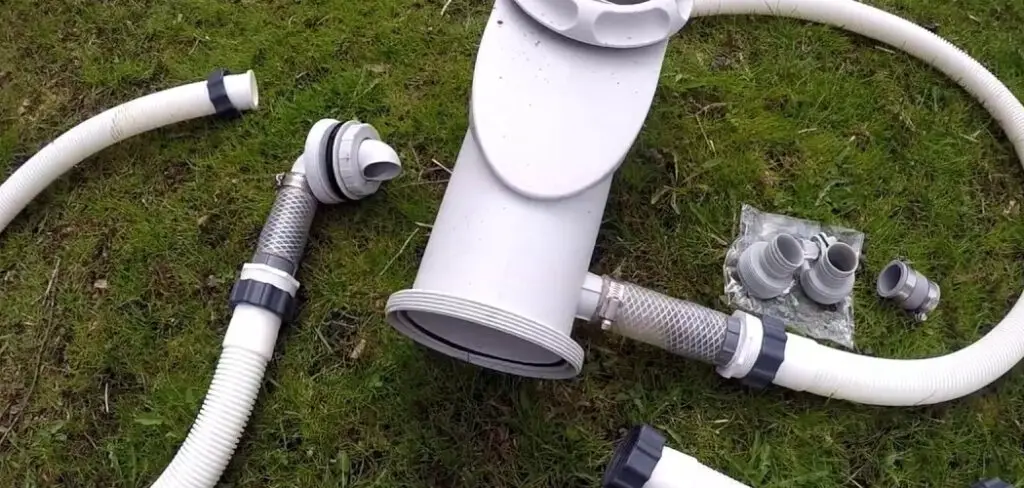
- Hoses and Fittings – These components connect the filter system to the pool and ensure a secure and leak-free setup.

Proper maintenance of each component is essential to keep your Summer Waves pool filter system functioning efficiently and to ensure your pool water stays clean and safe for swimming.
10 Methods How to Use Summer Waves Pool Filter
1. Assemble and Prime the Filter System Correctly
Before using your Summer Waves pool filter, ensure it’s assembled correctly. This involves connecting the filter pump to the pool inlet and outlet using the appropriate hoses. Once assembled, fill the filter housing with water (if applicable) to prime it. This helps prevent airlocks that can interfere with the pump’s ability to circulate water. For cartridge filters, insert the cartridge snugly into its compartment.
For sand filters, ensure the tank is filled with the correct type and amount of sand. Once everything is connected and primed, you’re ready to power on the unit.
2. Understand Your Filter Type (Cartridge vs. Sand)
It’s essential to know whether your Summer Waves pool uses a cartridge filter or a sand filter, as the operation and maintenance routines differ. Cartridge filters use a pleated paper element to trap particles and require regular rinsing. Sand filters use fine-grade silica sand to trap debris and require backwashing to clean. While cartridge systems are often simpler and better for small pools, sand filters are suitable for larger volumes and offer greater long-term efficiency.
Familiarize yourself with your system so you can use it properly and maintain it effectively.
3. Run the Filter for the Proper Duration Daily

To keep pool water healthy and crystal clear, it’s recommended to run your filter at least 8 hours a day during peak swimming season. This ensures that all water passes through the filtration system multiple times.
If the water is particularly dirty or has had heavy use (e.g., after a pool party), running the filter for up to 12 hours can provide additional cleaning. Use a timer if your filter system supports it to automate the process and save energy when the pool is not in use.
4. Clean or Replace the Cartridge Regularly
If your Summer Waves pool filter uses a cartridge, it must be cleaned regularly—typically once every 1 to 2 weeks, or more often with heavy use. Remove the cartridge and spray it thoroughly with a garden hose to remove trapped debris. Avoid using high-pressure washers as they can damage the pleats. If the cartridge appears worn, discolored, or can’t be fully cleaned, it’s time to replace it.
A clean cartridge ensures maximum water flow and filtration efficiency, improving water clarity and reducing strain on the pump.
5. Backwash Sand Filters as Needed
If your Summer Waves pool is equipped with a sand filter, you’ll need to backwash it when the pressure gauge indicates increased pressure or the water flow seems reduced. Backwashing reverses the water flow to flush out trapped debris from the sand. Turn the valve to the “Backwash” setting, power on the pump, and run it until the sight glass (if present) shows clear water—typically about 2–3 minutes.
Follow up by setting the valve to “Rinse” for 30 seconds to resettle the sand before returning to the “Filter” mode.
6. Maintain Proper Water Chemistry to Assist Filtration
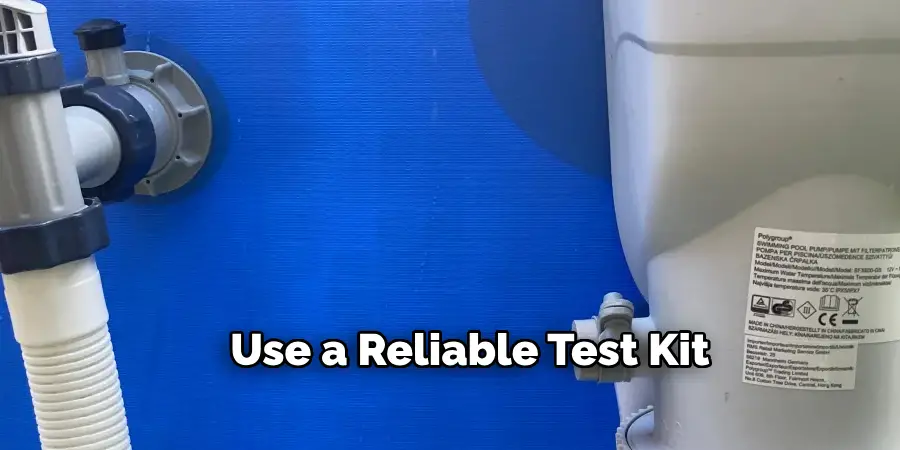
A pool filter alone can’t handle everything—it must be supported by proper water chemistry. Use a reliable test kit to keep pH, chlorine, alkalinity, and calcium hardness within recommended ranges. Balanced water prevents algae growth and scaling that can clog filters or reduce their effectiveness. For example, a low pH can corrode the filter housing, while high calcium hardness can cause scaling in sand filters.
Using the filter in conjunction with regular chemical maintenance ensures both water safety and filter longevity.
7. Inspect for Leaks and Airlocks Regularly
Even a perfectly installed filter can develop issues over time, such as leaks or air bubbles in the pump housing. Inspect hose connections and clamps weekly to ensure a tight seal. Bubbles in the return water or a gurgling sound may indicate an airlock.
Turn off the pump and re-prime the system if needed. Periodically tightening fittings and cleaning O-rings can prevent loss of suction and help your filter system work more efficiently throughout the season.
8. Position the Filter System on a Flat, Stable Surface
The placement of your Summer Waves filter pump matters more than you may think. Install the filter on a flat, level surface that’s free from standing water. Elevate the pump slightly if needed to avoid flooding or damage during heavy rain. Keeping it out of direct sunlight will also protect the plastic housing and prolong the lifespan of electrical components. Proper positioning ensures vibration-free operation and reduces wear on hoses and fittings.
9. Turn Off the Filter Before Adding Pool Chemicals
Whenever adding shock, algaecide, or other concentrated chemicals, turn off the filter pump and allow the chemicals to disperse with manual stirring or after a few hours of natural diffusion. This prevents concentrated chemicals from passing directly through the filter, which can damage the cartridge or alter the sand’s filtering properties.
Once the chemicals are adequately diluted, restart the filter to continue circulation and full dispersion. This process preserves the health of both the water and the filtration system.
10. Store the Filter Properly in the Off-Season
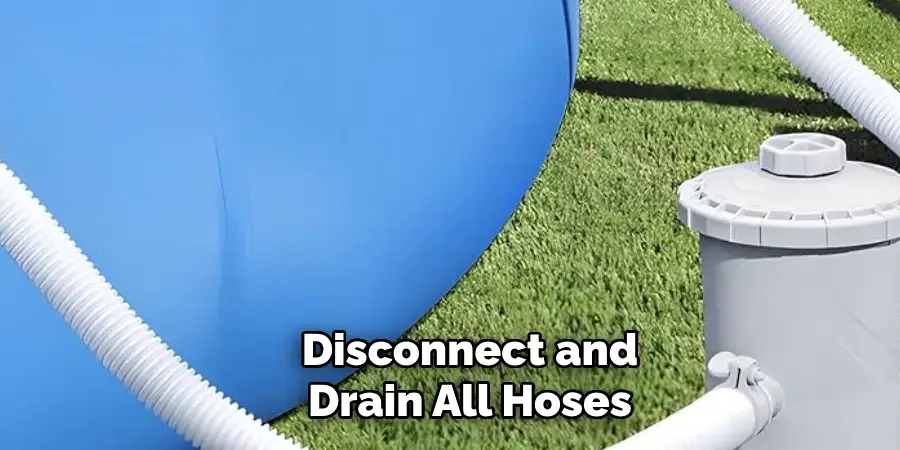
When pool season ends, it’s vital to properly store your Summer Waves filter to prevent damage. Disconnect and drain all hoses and the pump housing. For cartridge filters, remove and clean the cartridge thoroughly before storing it in a dry place.
For sand filters, backwash and rinse, then drain the tank completely. Store the entire filter system indoors or under a waterproof cover to protect it from frost and UV damage. Keeping the unit clean and dry through the off-season ensures it’s ready to go for next year.
Conclusion
Using your Summer Waves pool filter correctly involves more than just turning it on—it’s about understanding the equipment, supporting it with proper maintenance, and working in harmony with good pool chemistry.
From choosing the right filter type and cleaning or backwashing it regularly, to running it for the right duration and preparing it for winter, each of these methods ensures your pool stays crystal clear and inviting. Thanks for reading, and we hope this has given you some inspiration on how to use summer waves pool filter!

About
Outdoor Fixes is a distinguished figure in the world of Diy design, with a decade of expertise creating innovative and sustainable Diy solutions.
His professional focus lies in merging traditional craftsmanship with modern manufacturing techniques,
fostering designs that are both practical and environmentally conscious. As the author of diy,
outdoorfixes delves into the art and science of outdoorfixes-making, inspiring artisans and industry professionals alike.
Education RMIT University
(Melbourne, Australia) Associate Degree in Design (Outdoor Fixes) Focus on sustainable design, industry-driven projects,
and practical craftsmanship. Gained hands-on experience with traditional and digital manufacturing tools, such as CAD and CNC software.
Nottingham Trent University
(United Kingdom) Bachelor’s in outdoorfixes.com and Product Design (Honors) Specialized in product design with a focus on blending creativity with production
techniques. Participated in industry projects, working with companies like John Lewis and Vitsoe to gain real-world insights.
Publications and Impact
In diy, Outdoor Fixes his insights on indoor design processes, materials, and strategies for efficient production.
His writing bridges the gap between artisan knowledge and modern industry needs, making it a must-read for both budding designers and seasoned professionals.