
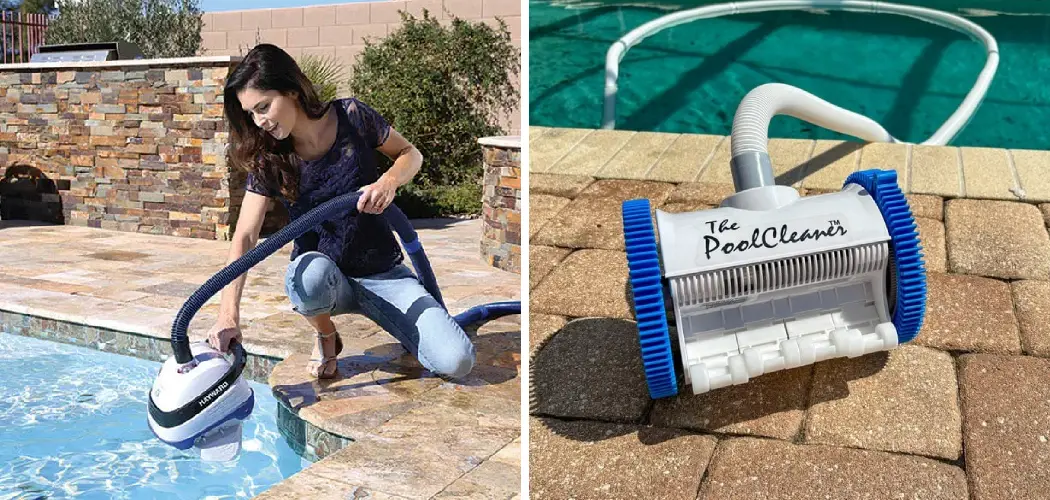
Keeping your Hayward pool clean and free of debris is essential for maintaining clear, healthy water and prolonging the life of your pool equipment.
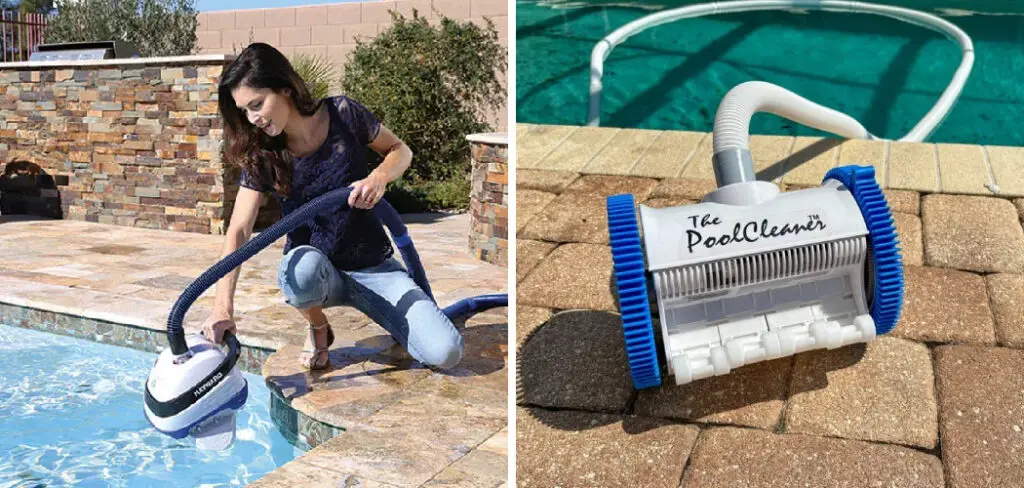
Vacuuming your pool regularly is a crucial part of this maintenance process. This guide will provide you step-by-step instructions for how to vacuum a hayward pool.
Importance of Regular Vacuuming
Regular vacuuming is vital to ensuring your Hayward pool remains in optimal condition. Not only does it remove dirt, debris, and algae that can accumulate on the pool floor, but it also helps maintain balanced water chemistry by reducing the buildup of organic material.
Consistent cleaning prevents stains and damage to the pool surface, which can save you costly repairs in the long run. Additionally, a clean pool enhances filtration efficiency and promotes better circulation, keeping the water safe and enjoyable for all swimmers. By making vacuuming a routine part of your pool maintenance, you can extend the life of your pool equipment and enjoy crystal-clear water all season long.
Types of Hayward Pool Vacuums
Hayward offers a wide variety of pool vacuums designed to meet the needs of different pool owners. Each type of vacuum is tailored to provide efficient cleaning while simplifying pool maintenance. Here are the main types of Hayward pool vacuums:
- Suction-Side Pool Vacuums
These vacuums connect directly to your pool’s filtration system and use its suction power to collect dirt and debris. Suction-side vacuums are an affordable and effective option for regular cleaning, ideal for removing small particles and maintaining overall pool cleanliness.
- Pressure-Side Pool Vacuums
Powered by the water pressure from your pool’s pump, pressure-side vacuums are great for collecting larger debris like twigs and leaves. They often feature an independent debris collection bag, reducing strain on your pool’s filtration system.
- Robotic Pool Vacuums
Robotic vacuums are the most advanced option, operating independently of your pool’s filtration system. These self-contained devices are powered by electricity, featuring intelligent programming and powerful suction to efficiently clean both the pool floor and walls.
- Manual Pool Vacuums
Ideal for spot cleaning and smaller pools, manual vacuums require user operation via a telescopic pole. While labor-intensive, they offer precision cleaning for areas that need extra attention.
Choosing the right Hayward pool vacuum depends on your pool’s size, debris levels, and your preference for manual or automated cleaning. Each type is designed to deliver reliable performance, ensuring that your pool stays sparkling clean with minimal effort.
10 Methods How to Vacuum a Hayward Pool
1. Understand the Type of Hayward Pool System You Have
Before you start vacuuming, it’s important to determine whether your Hayward pool uses a manual vacuum, a suction-side automatic cleaner, or a robotic cleaner. Each method has different setup requirements and maintenance techniques.
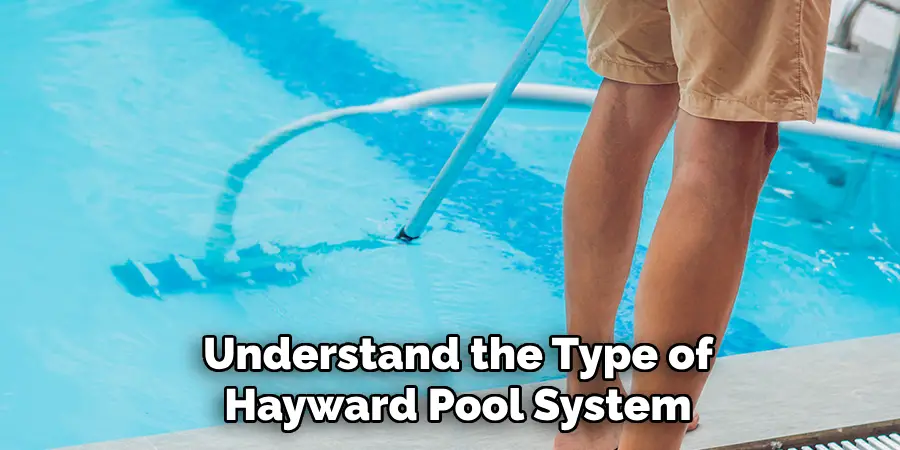
A manual vacuum typically attaches to the pool’s skimmer through a hose, while automatic suction cleaners connect via the filtration system and work passively. Robotic cleaners operate independently. Understanding your specific Hayward equipment will help you follow the correct steps and avoid damaging the system.
2. Gather and Inspect Your Vacuum Equipment
For manual vacuuming, you’ll need a telescopic pole, a vacuum head, a vacuum hose, and a skimmer adapter or vacuum plate. Ensure all components are clean and free of cracks or clogs.
Attach the vacuum head to the pole securely, and check that the hose doesn’t have holes or stiffness that could reduce suction. A well-maintained set of equipment ensures consistent suction power and thorough cleaning. Hayward’s components are typically modular and user-friendly, making setup straightforward if all parts are in good condition.
3. Prime the Vacuum Hose to Avoid Air in the System
One common mistake is forgetting to remove air from the vacuum hose before connecting it to the skimmer. Submerge the entire hose in the pool, allowing water to fill it and push out all air.
You’ll know the hose is fully primed when no more bubbles rise from the vacuum head. An air-free hose ensures uninterrupted suction and prevents your Hayward pump from pulling in air, which can lead to poor performance or damage to the filtration system.
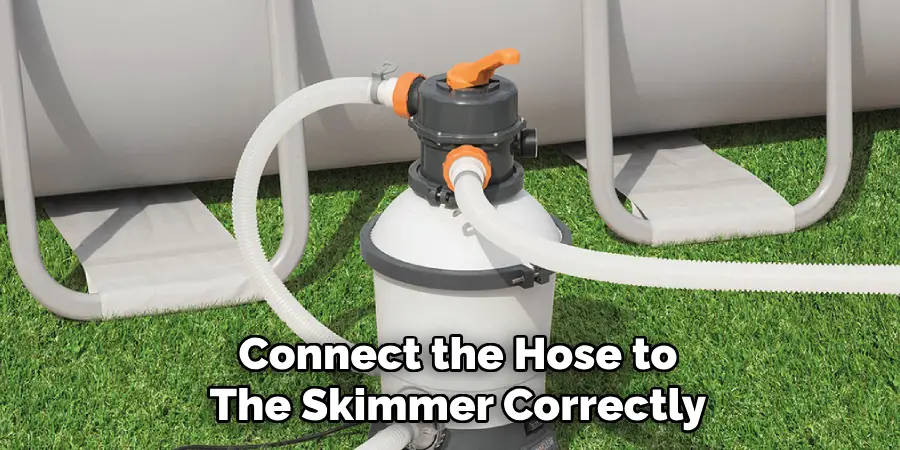
4. Connect the Hose to the Skimmer Correctly
Once primed, connect the vacuum hose to your pool’s skimmer using a Hayward vacuum plate or by removing the skimmer basket and inserting the hose directly into the suction port.
Make sure the pump is running during this process. If using a multiport valve, turn it to the “filter” setting unless debris is particularly heavy, in which case “waste” may be more appropriate. A secure connection creates a strong suction, allowing the vacuum to pick up debris effectively.
5. Vacuum Slowly and Methodically for Best Results
When vacuuming manually, move the vacuum head slowly across the pool floor in overlapping rows. Fast movements stir up debris rather than capturing it, especially fine particles like sand or algae.
Begin at the shallow end and work your way to the deep end to keep stirred-up debris from settling in cleaned areas. Methodical vacuuming maximizes cleanliness and reduces the need for repeat passes. Take your time to cover the entire floor, steps, and corners where debris tends to collect.
6. Monitor the Pressure Gauge and Clean the Filter as Needed
While vacuuming, keep an eye on your filter’s pressure gauge. If the pressure rises significantly, it means the filter is getting clogged with debris. Pause vacuuming and backwash your sand or DE filter, or clean the cartridge if your system uses one.
Neglecting this can reduce suction and strain the pump. Hayward filters typically come with clear backwash instructions, so follow them closely to maintain optimal performance. Regular filter maintenance ensures a consistent vacuuming experience.
7. Use the “Waste” Setting for Heavy Debris
If your pool has excessive dirt, algae, or leaves—especially after a storm or long period without cleaning—use the multiport valve’s “waste” setting. This bypasses the filter and sends dirty water directly out of the pool, preventing clogs.
You’ll need to refill the pool afterward, but it’s often the best method for removing dense debris. This technique is particularly useful during early-season cleanups or after treating algae blooms. Make sure to monitor water levels and refill as needed to avoid exposing the skimmer line.
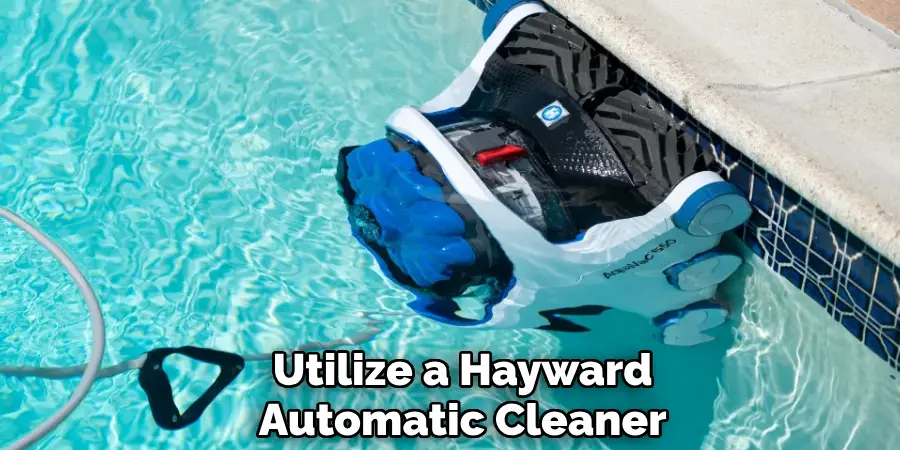
8. Utilize a Hayward Automatic Cleaner for Daily Maintenance
If you own a Hayward automatic pool cleaner like the AquaNaut or PoolVac, you can minimize manual vacuuming. These devices connect to the suction line or operate independently (robotic versions) and clean the pool automatically on a schedule.
While they don’t replace occasional deep manual vacuuming, they are excellent for maintaining cleanliness between major cleanups. Empty their debris bags or baskets regularly to keep them working efficiently. These tools save time and reduce wear on your filtration system.
9. Clean Walls and Steps After Vacuuming the Floor
Once the floor is vacuumed, use a wall brush to clean the pool’s walls and steps. Debris often sticks to these surfaces and can quickly resettle on the floor. Some vacuum heads come with brushes to help loosen debris as you clean, but brushing manually afterward ensures nothing is left behind. Direct loosened debris toward the vacuum head or main drain. Regular brushing prevents algae buildup and keeps your pool interior looking fresh.
10. Rinse and Store Equipment Properly
After vacuuming is complete, rinse all your equipment—vacuum head, hose, pole, and skimmer plate—with fresh water to remove chlorine and prevent material degradation.
Coil the hose loosely to avoid kinks, and store everything in a shaded area away from direct sun. Proper storage extends the life of your equipment and ensures it’s ready for the next use. For automatic systems, clean the filter or debris chamber and check for wear to keep them operating at peak efficiency.
Maintenance and Upkeep
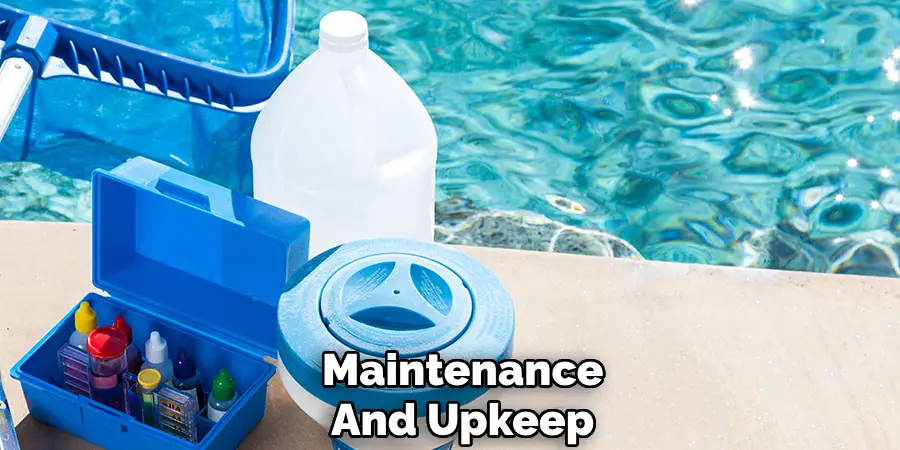
Regular maintenance is critical to ensuring the longevity and efficiency of your pool equipment. Start by inspecting all tools and components for signs of wear, such as cracks, frayed hoses, or loose connections, and replace damaged parts promptly. Keep the vacuum head brushes and wheels free of debris to maintain smooth operation and optimal performance.
For filters, adhere to the manufacturer’s recommended cleaning schedule, whether it involves backwashing or replacing cartridges. Additionally, check O-rings and seals for proper lubrication to prevent leaks. By dedicating a consistent routine to equipment care, you can avoid costly repairs and enjoy a consistently clean and safe pool.
Conclusion
Vacuuming a Hayward pool doesn’t have to be a tedious task. With the right equipment, proper technique, and consistent attention, your pool can remain crystal clear throughout the season. Whether using manual tools or relying on a Hayward automatic vacuum, each of these ten methods ensures that every corner of your pool is addressed.
From priming hoses to maintaining filters, understanding your system’s operation helps you avoid issues and enjoy clean, inviting water all summer long. Thanks for reading, and we hope this has given you some inspiration on how to vacuum a hayward pool!

About
Outdoor Fixes is a distinguished figure in the world of Diy design, with a decade of expertise creating innovative and sustainable Diy solutions.
His professional focus lies in merging traditional craftsmanship with modern manufacturing techniques,
fostering designs that are both practical and environmentally conscious. As the author of diy,
outdoorfixes delves into the art and science of outdoorfixes-making, inspiring artisans and industry professionals alike.
Education RMIT University
(Melbourne, Australia) Associate Degree in Design (Outdoor Fixes) Focus on sustainable design, industry-driven projects,
and practical craftsmanship. Gained hands-on experience with traditional and digital manufacturing tools, such as CAD and CNC software.
Nottingham Trent University
(United Kingdom) Bachelor’s in outdoorfixes.com and Product Design (Honors) Specialized in product design with a focus on blending creativity with production
techniques. Participated in industry projects, working with companies like John Lewis and Vitsoe to gain real-world insights.
Publications and Impact
In diy, Outdoor Fixes his insights on indoor design processes, materials, and strategies for efficient production.
His writing bridges the gap between artisan knowledge and modern industry needs, making it a must-read for both budding designers and seasoned professionals.