
If your backyard has started to look a little tired, the most workable approach is usually the simplest one: clear the clutter first, deal with weeds and overgrowth next, then prune, mow, wash down the hard surfaces, and top up mulch where the soil has thinned out. After that, regular weekly upkeep tends to matter more than any one deep-clean day. It helps keep the space usable and may save you from bigger, more expensive fixes later.
A well-kept backyard can do more than look nice from the kitchen window. For many people, it becomes the part of the home where ordinary life happens: coffee in the morning, kids running through the grass, a chair pulled into the shade at the end of the day. None of that requires perfection. It does, however, require some attention.
That is often the part people resist. Yard work can feel endless, especially once the grass gets too long or the patio starts collecting leaf stains, dirt, and forgotten clutter. Still, a basic routine makes the whole thing less daunting. When the work is broken into clear steps on how to clean and maintain a backyard, the yard is easier to manage, and it is much more likely to stay pleasant through the season rather than sliding into a once-a-year cleanup project.

Tools and Materials You’ll Need
Before you get started, it helps to gather what you actually need instead of making five trips back to the garage. That sounds obvious, but it is usually where momentum disappears. A small stack of basic tools is enough for most routine backyard cleanup jobs.
- Heavy-duty trash bags and a wheelbarrow
- Gardening gloves and safety glasses
- A sturdy rake and a push broom
- Pruning shears and loppers
- A lawnmower and an edge trimmer
- A pressure washer or a high-pressure garden hose nozzle
- Fresh mulch and weed control treatments
7 Simple Step-By-Step Guidelines on How to Clean and Maintain a Backyard
Step 1: Clear Away Debris and Clutter
Start with the mess you can see. Fallen branches, leaves caught along the fence line, toys left in the grass, broken pots, unused planters, and any furniture that has drifted out of place should be picked up before you do anything else. There is no point mowing around obstacles or trying to assess a yard that is still covered in visual noise. A wheelbarrow helps here. So do trash bags that do not split halfway to the curb.
This first pass changes the feel of the yard almost immediately. It may not solve the deeper maintenance issues, but it gives you a clean field of view. You can spot bare patches in the lawn, weeds pushing through the beds, uneven edging, and moss on the pavers. It also lowers the chance of damaging your mower or trimmer on a hidden stick, rock, or toy. In practical terms, clearing the space is less about aesthetics than access. You need room to see what is going on before you can fix it.
Step 2: Tackle Weeds and Overgrown Plants
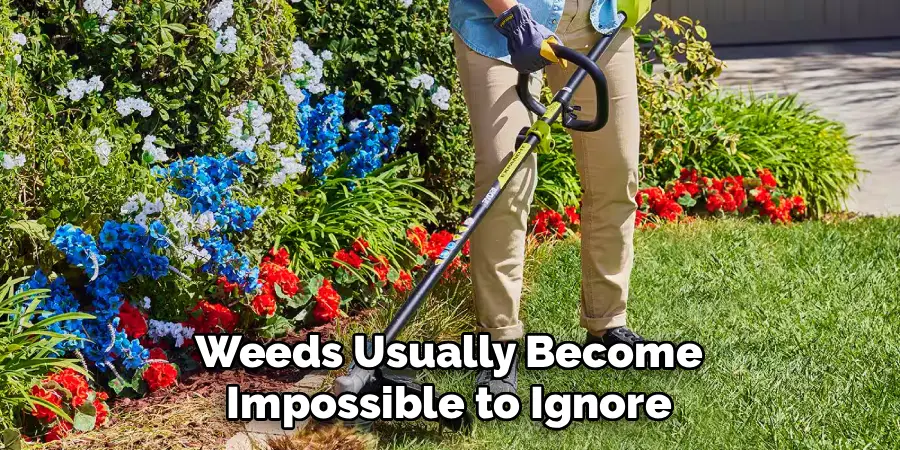
Once the clutter is gone, weeds usually become impossible to ignore. They compete with surrounding plants for water, light, and soil nutrients, but the more immediate issue is that they make the whole yard look unmanaged, even when everything else is more or less fine. Pulling them by hand is often the cleanest option for small areas, especially if you can remove the root rather than snapping the stem at the surface and calling it done.
Larger patches may need a weed-control product, whether commercial or natural, though care matters here. Overspray can damage the plants you are actually trying to keep. The National Gardening Association has noted that dealing with weeds early in the growing season can reduce the workload later, which fits with what most gardeners learn the annoying way: postpone weeding for two weeks, and the job tends to double. After removal, smooth the soil with a rake and take stock of the bed. Some spaces may need fresh planting. Others just need breathing room.
Step 3: Prune Trees and Shrubs
Shrubs and small trees often drift into neglect because they do not seem urgent until suddenly they do. A branch blocks a path. Another presses against the siding. Lower growth gets shaded out. At that point, pruning is less about shaping and more about correction. Use clean, sharp shears or loppers to remove dead, damaged, or diseased growth first. Those cuts matter more than cosmetic ones.
You will often hear that cuts should be made at a 45-degree angle, and in many cases, that guidance is useful because it may help with healing and water runoff. Even so, technique depends somewhat on the plant and the branch structure, so restraint is usually better than aggressive trimming. Good pruning opens the plant up. It lets in light and improves air movement, which can reduce the conditions in which fungal problems tend to develop. If a large limb is hanging over the roof or anywhere near power lines, stop there and call an arborist. Some jobs are not DIY jobs, no matter how many yard tools you own.
Step 4: Mow and Edge the Lawn
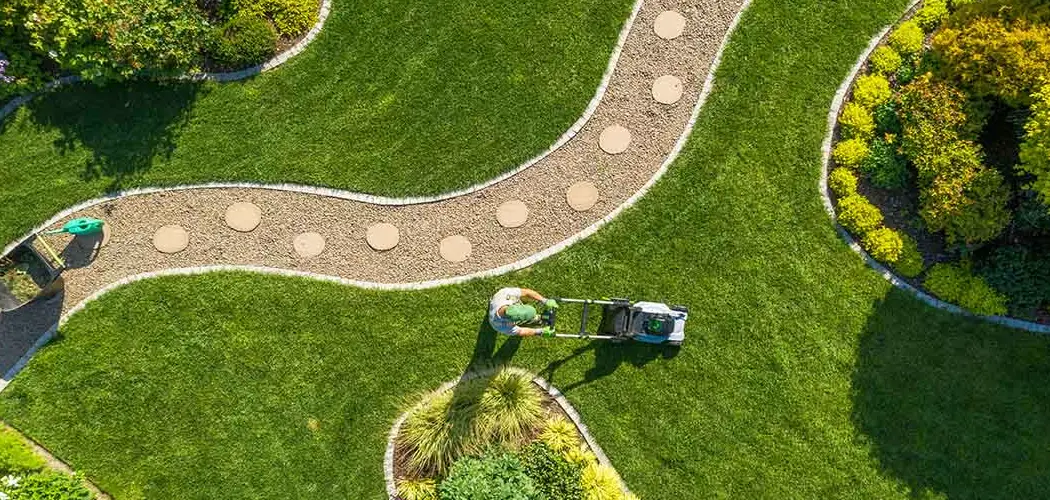
For better or worse, the lawn is what most people notice first. A freshly mowed yard can make the whole backyard look cared for, even if the flower beds still need work. The key is not to scalp it. Set the mower height for your grass type and avoid cutting more than one-third of the blade length at once. Going too short stresses the lawn, weakens root growth, and may create the exact kind of thin, weedy look people are trying to avoid.
Mow in slightly overlapping passes so you do not leave strips behind. Then edge along sidewalks, driveways, patios, and beds. This is a small detail, but it changes the visual line of the space in a surprisingly noticeable way. The yard starts to look deliberate rather than merely cut. Grass clippings can be left on the lawn if they are light and evenly spread, since they return some nitrogen to the soil. If the clippings are heavy or damp, though, bag them. A thick layer can smother healthy grass instead of feeding it.

Step 5: Clean Patios and Hardscapes
Hard surfaces collect grime slowly enough that people stop seeing it. Then one day the patio looks gray instead of tan, the deck feels slippery, and the walkway has that dark film that suggests rain plus shade plus too much neglect. Start with a broom. Sweep away leaves, dust, and loose dirt before adding water to the situation, or you will just create mud and push it around.
A pressure washer is useful for concrete, stone, and many outdoor surfaces, but it needs a little care. Keep the nozzle moving. Too much pressure in one spot can mark concrete or rough up wood. If you do not have a washer, warm water, mild dish soap, and a stiff brush can still do a respectable job, just with more effort. Pay close attention to shaded corners where algae or moss may be building up. That is not only unattractive; it can become slick enough to be a safety issue. Once everything dries, put the furniture back where it belongs and take a minute to notice the difference. Clean hardscapes tend to make the entire yard feel reset.
Step 6: Refresh Mulch and Soil
Mulch fades. It breaks down, washes out, and gradually stops doing the job you expected it to do. Beds that once looked defined start to look patchy or thin, especially after a hot summer. Adding a fresh layer, usually around two inches, can sharpen the look of the yard quickly. More importantly, it helps the soil hold moisture, moderates the temperature around roots, and makes it harder for weed seeds to establish themselves.
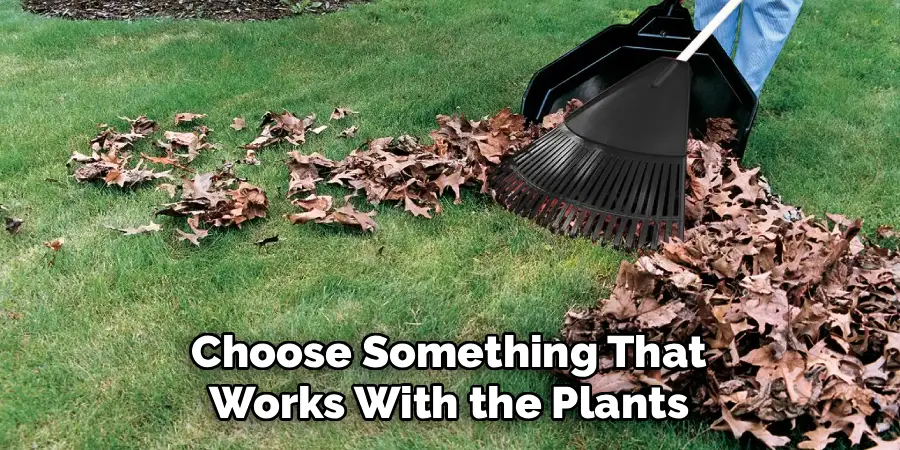
Before spreading new mulch, loosen the top layer of soil lightly with a hand cultivator if the area is compacted. You are not trying to disturb established roots; just opening the surface a bit so water and air can move in more easily. This part is easy to skip, though it often improves the result. As for mulch color, choose something that works with the plants and the house rather than whatever looks darkest in the bag. Dyed mulch can look unnaturally stark in some settings. A quieter choice is often better.
Step 7: Set Up a Regular Maintenance Schedule
This is the unglamorous part, and probably the most important. A single weekend of intense cleanup can rescue a backyard, but it will not keep it that way for long. What helps is a short, repeatable routine: mow as needed, pull weeds before they spread, sweep hard surfaces, check beds, water when conditions call for it. None of these tasks takes much time on its own. Left alone for a month, they become a chore people dread.
Your schedule should shift with the season. Summer may call for closer attention to watering and mowing. Fall usually means leaves, seed drop, and cleanup around beds and drains. The point is not to maintain a picture-perfect landscape at all times. Most people do not need that, and many do not want it. The aim is steadier than that. Keep the yard functional, pleasant, and under control so it is ready when you actually want to use it, whether that means a barbecue with friends or ten quiet minutes outside before work.
Following these steps on how to clean and maintain a backyard will not only keep your yard looking beautiful and functional, but it can also save you money in the long run.
Common Mistakes to Avoid
One of the most common mistakes is overwatering. It seems helpful, but too much water can encourage shallow roots and create conditions where fungal issues are more likely. Dull mower blades are another problem.
They tear grass instead of cutting it cleanly, which leaves frayed brown tips and can make an otherwise healthy lawn look stressed. Tool care gets ignored too often as well. Dirty pruners and shears may spread disease from plant to plant, and neglected equipment rarely lasts as long as it should.
Do You Need To Use Professionals?
For routine work, most homeowners can manage perfectly well on their own. Mowing, light pruning, weeding, debris removal, and surface cleaning are usually straightforward if you have the time and basic equipment. That said, there is a point where self-reliance becomes false economy.
If a tree is large, unstable, or close to utility lines, bring in a professional. The same goes for major drainage problems, grading issues, or structural hardscaping such as retaining walls. Those jobs require more than effort; they require training, tools, and judgment. Paying for skilled help in those cases may cost more upfront, but it could prevent damage to the property or a serious injury. Not every backyard problem is a weekend project, and there is no virtue in pretending otherwise.

How Much Will It Cost?
Backyard maintenance costs vary quite a bit depending on the size of the space and what you already have in the shed or garage. For a typical season, basic supplies such as yard bags, mulch, and weed treatment often fall somewhere in the $50 to $150 range. If you need to buy equipment, the number rises quickly. A decent lawnmower and string trimmer can easily cost $300 to $800 as an initial investment.
Professional maintenance is a separate category. Weekly or routine service often runs between $100 and $250 per visit, though local labor rates and yard size will affect that figure. In other words, upkeep can be relatively affordable if you handle it yourself and build the tool collection slowly. Outsourcing everything is convenient, but convenience has a price.
Frequently Asked Questions
Q1: How Often Should I Mow My Lawn During The Summer?
A1: In most cases, once a week is a reasonable baseline during the active summer growing season. If your area gets frequent rain or the lawn has been fertilized heavily, you may find that every four to five days is more realistic. Growth rate matters more than the calendar, so watch the grass itself. As a rule, avoid removing more than one-third of the blade height in a single cut.
Q2: What Is The Best Time Of Day To Water My Backyard Plants?
A2: Early morning, usually between 6:00 AM and 10:00 AM, is generally the best window. Water has time to soak into the soil before the heat of the day speeds up evaporation, and foliage is less likely to stay wet for long periods. Late-night watering is less ideal because damp leaves sitting in darkness can encourage fungal problems.
Q3: How Can I Keep Weeds From Coming Back In My Garden Beds?
A3: A two-inch to three-inch layer of organic mulch is one of the most effective ways to suppress weed growth in garden beds. Some homeowners also use permeable landscape fabric underneath as added protection, though results can vary depending on the bed and planting style. Just as important, pull weeds while they are small. Once they go to seed, the problem tends to multiply.
Sustaining Your Outdoor Sanctuary
Keeping a backyard in good shape does not require obsession, but it does ask for consistency. If you have the right tools, a sensible order of operations, and a maintenance routine you will actually follow, the work becomes much more manageable. Start with the visible mess.
Prune what needs pruning. Cut the lawn properly. Clean the surfaces you use. Then keep going, a little at a time. That is usually how an outdoor space stays not perfect, but genuinely livable. Thanks for reading this guide on how to clean and maintain a backyard.

About
Outdoor Fixes is a distinguished figure in the world of Diy design, with a decade of expertise creating innovative and sustainable Diy solutions.
His professional focus lies in merging traditional craftsmanship with modern manufacturing techniques,
fostering designs that are both practical and environmentally conscious. As the author of diy,
outdoorfixes delves into the art and science of outdoorfixes-making, inspiring artisans and industry professionals alike.
Education RMIT University
(Melbourne, Australia) Associate Degree in Design (Outdoor Fixes) Focus on sustainable design, industry-driven projects,
and practical craftsmanship. Gained hands-on experience with traditional and digital manufacturing tools, such as CAD and CNC software.
Nottingham Trent University
(United Kingdom) Bachelor’s in outdoorfixes.com and Product Design (Honors) Specialized in product design with a focus on blending creativity with production
techniques. Participated in industry projects, working with companies like John Lewis and Vitsoe to gain real-world insights.
Publications and Impact
In diy, Outdoor Fixes his insights on indoor design processes, materials, and strategies for efficient production.
His writing bridges the gap between artisan knowledge and modern industry needs, making it a must-read for both budding designers and seasoned professionals.