

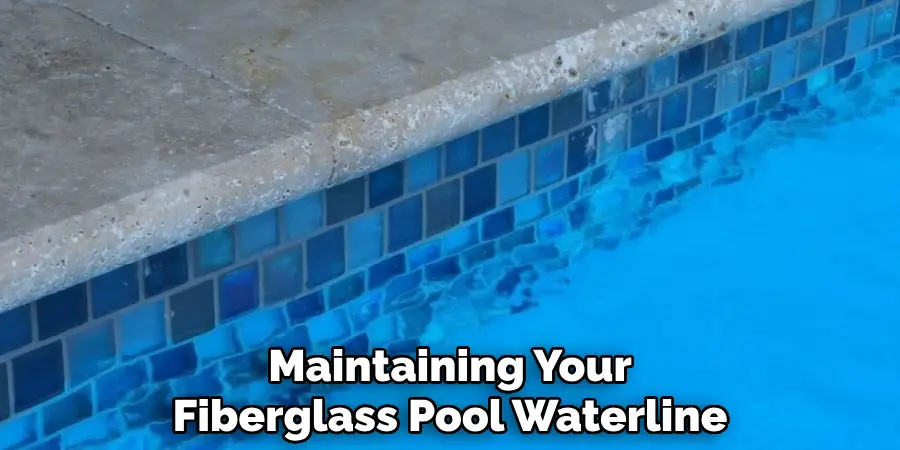
Keeping your fiberglass pool’s waterline clean is an essential part of pool maintenance. Over time, oils, minerals, and debris can accumulate along the waterline, creating unsightly stains and potentially affecting the pool’s surface.

Regular cleaning not only maintains the pool’s appearance but also helps prevent long-term damage and extends the life of your pool. With the right tools and techniques, cleaning the waterline can be a simple and effective task. This guide explores the key aspects of how to clean fiberglass pool waterline.
What Causes Waterline Stains on Fiberglass Pools?
Waterline stains on fiberglass pools are generally caused by a combination of organic and inorganic materials that accumulate at the water’s surface. Common culprits include body oils, sunscreen, and lotions that are introduced into the pool by swimmers. Additionally, minerals such as calcium and metals like copper or iron from the water can harden and create chalky or discolored deposits along the waterline.
Environmental debris, such as leaves, pollen, and dirt, can also contribute to staining, particularly if the pool is not regularly cleaned. Over time, these substances adhere to the fiberglass surface, creating stubborn stains that require proper attention and maintenance to remove.
Supplies You’ll Need
To effectively remove stains from a fiberglass pool, having the right supplies on hand is essential. Here are the key items you’ll need:
- Pool Brush – A nylon brush specifically designed for fiberglass pools to avoid scratching the surface.
- Stain Remover – A pool-safe stain removal product formulated for fiberglass surfaces, often containing ascorbic acid or other safe cleaning agents.
- Pool Vacuum – To clean up debris and residue left behind after treating stains.
- Protective Gloves – To safeguard your hands while handling cleaning chemicals.
- Pool Water Testing Kit – To monitor and adjust the pool’s pH and chemical balance before and after cleaning.
- Soft Cloth or Sponge – For gentle scrubbing of smaller stained areas.
- Algaecide (if needed) – To manage any algae growth contributing to discoloration.
Having these supplies ready will help streamline the cleaning process and maintain the fiberglass pool’s pristine appearance.
10 Methods How to Clean Fiberglass Pool Waterline
1. Rinse the Waterline with Fresh Water Before Scrubbing
The first and simplest step in maintaining a clean fiberglass pool waterline is to rinse the area with clean water. Using a garden hose with a spray nozzle, gently wash down the waterline to loosen and remove surface debris, dust, or pollen.
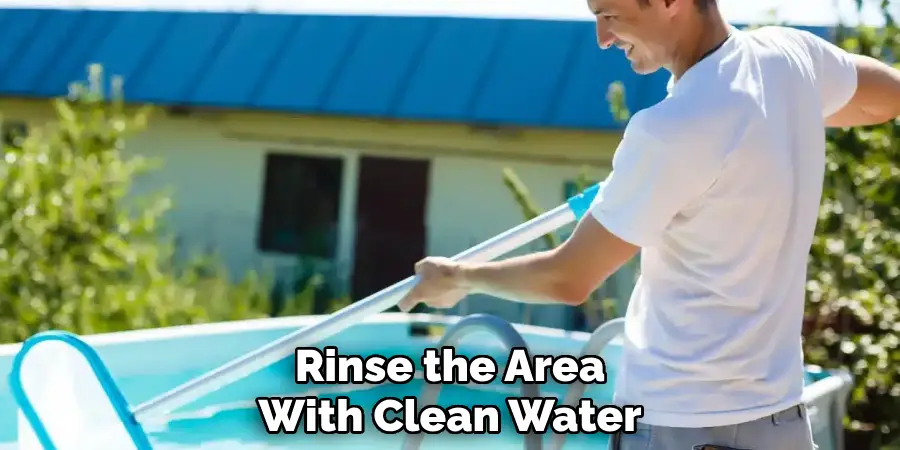
This step is crucial because it softens dried residues and prevents abrasives like sand or grit from scratching the fiberglass during scrubbing. Rinsing also gives you a clear visual on what areas need deeper cleaning and what might already come off with minimal effort.
2. Use a Non-Abrasive Sponge and Pool-Approved Cleaner
Fiberglass surfaces are durable yet sensitive to scratching and chemical damage. For regular cleaning, use a non-abrasive sponge or soft cloth with a pool-safe cleaner specially designed for fiberglass.
These cleaners gently dissolve oils, lotions, and dirt without dulling the glossy gel coat surface. Avoid using household cleaners with ammonia or bleach, as these can harm the finish and upset water chemistry. Work in sections, scrubbing gently in a circular motion, and rinse each area after cleaning to prevent residue buildup.
3. Tackle Oils and Scum with Enzyme-Based Cleaners
The waterline often attracts body oils, sunscreens, and lotions that create a sticky scum line over time. One of the most effective ways to manage this issue is to use an enzyme-based pool cleaner.
These biological agents break down organic contaminants naturally and safely without damaging the fiberglass or altering water balance. Apply the enzyme cleaner with a cloth or directly into the water per the product instructions. Regular use can prevent buildup before it becomes a visible problem.
4. Scrub with a Magic Eraser or Melamine Sponge for Stubborn Spots
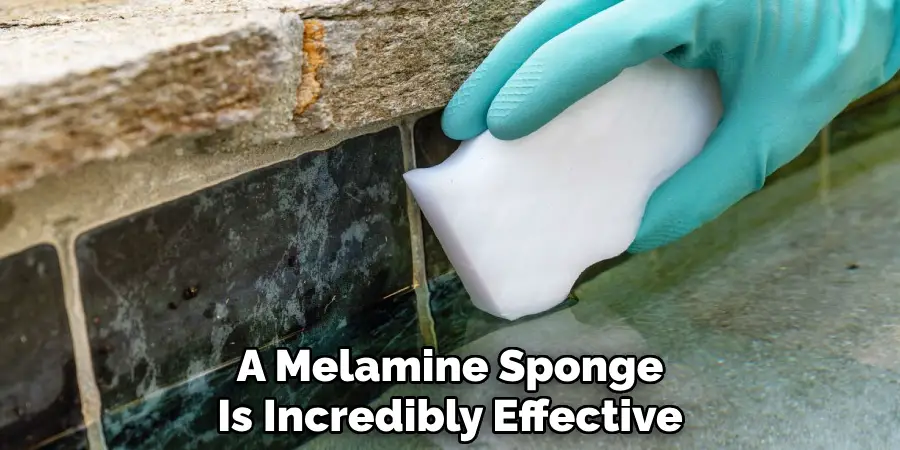
When dealing with tough stains or stubborn scum marks, a melamine sponge (Magic Eraser) is incredibly effective. Lightly dampen the sponge and rub it over the waterline, focusing on areas with visible discoloration or buildup.
These sponges lift grime without the need for harsh chemicals or abrasive pads. However, be gentle and avoid prolonged scrubbing in one area to preserve the smooth fiberglass surface. Always test in a small, inconspicuous spot before full use.
5. Use a White Vinegar Solution for Calcium Deposits
Hard water often leads to calcium buildup or scale along the waterline. To tackle this, use a natural solution made from equal parts white vinegar and warm water. Apply it with a spray bottle or sponge and allow it to sit on the affected area for 5–10 minutes to dissolve the mineral deposits.
Afterward, scrub with a soft brush or cloth and rinse thoroughly. Vinegar is effective, safe, and environmentally friendly, making it a great alternative to chemical descalers.
6. Employ a Pool Tile Brush or Soft-Bristled Brush
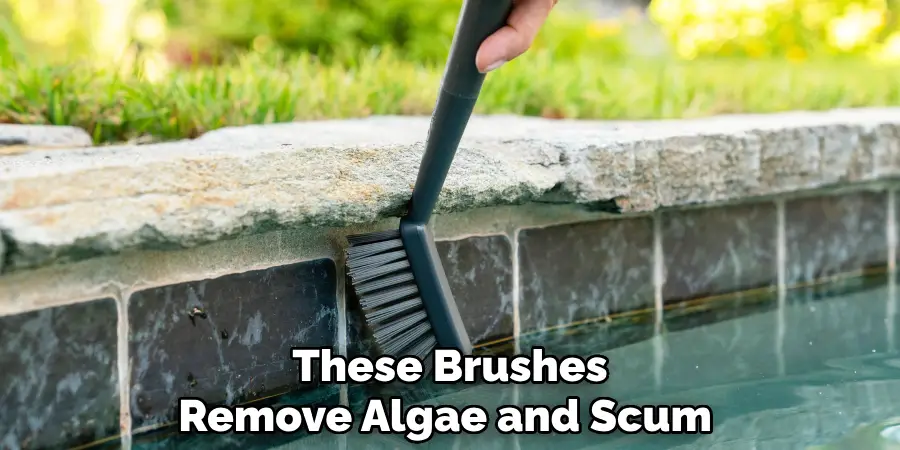
For textured or tough-to-clean waterline areas, a soft-bristled brush or pool tile brush can help. Designed to be gentle yet effective, these brushes remove algae and scum without scratching the fiberglass. Choose one with an ergonomic handle for better grip and reach.
Use gentle strokes and avoid wire or abrasive brushes, which can damage the gel coat. Brushing also helps dislodge buildup from corners or uneven areas where a cloth can’t reach easily.
7. Try a Commercial Waterline Cleaner for Deep Stains
If natural solutions aren’t doing the trick, consider using a commercial waterline cleaner formulated for fiberglass pools. These products are specifically designed to remove algae, scum, and mineral stains without harming the pool’s surface. Always read the label carefully and follow the manufacturer’s directions.
Apply with a sponge, wait for the recommended dwell time, and rinse well. Be sure to wear gloves and avoid using these cleaners during times of high pool usage, as some may require temporary swimmer restrictions.
8. Adjust Water Chemistry to Prevent New Buildup
Keeping the pool water balanced is just as important as physical cleaning. Imbalanced water—particularly high calcium hardness, pH, or alkalinity—can lead to scale deposits and staining along the waterline.
Use test strips or digital testers at least twice a week to monitor your pool’s chemistry. Adjust pH to stay within the range of 7.2 to 7.6, and maintain calcium levels between 200–400 ppm. Balanced water reduces the rate of buildup and prolongs the results of your waterline cleaning.
9. Use a Pool Cover to Minimize Dirt and Contaminants
Prevention is often the best cleaning method. When your pool is not in use, covering it with a pool cover can dramatically reduce debris, dust, and organic matter that would otherwise stick to the waterline. A good-fitting cover also prevents water evaporation and chemical imbalance, indirectly reducing residue formation. Regularly remove and clean the cover to prevent cross-contamination from cover debris falling into the pool when removed.
10. Incorporate Waterline Cleaning into Weekly Maintenance
The most effective way to maintain a sparkling fiberglass pool waterline is to make it part of your weekly pool maintenance routine. Set aside time each week to inspect the waterline, wipe down any noticeable marks, and apply a quick spot cleaning where needed. This consistent approach prevents buildup from becoming unmanageable and helps catch problems like algae or mineral scale early. Combining visual inspections with brushing, rinsing, and spot-cleaning ensures your waterline always stays in top shape.
Things to Consider When Maintaining Your Fiberglass Pool Waterline
- Use the Right Cleaning Tools
Ensure you have non-abrasive cleaning tools, such as soft sponges or brushes specifically designed for fiberglass surfaces. Abrasive materials can scratch the waterline and damage the pool’s finish over time.
- Choose Appropriate Cleaning Solutions
Opt for cleaning products that are safe for fiberglass pools. Harsh chemicals or acidic cleaners may erode the surface or cause discoloration, so always check product labels and conduct a spot test beforehand.
- Monitor Water Chemistry
Imbalanced water chemistry can lead to algae growth, mineral buildup, or staining at the waterline. Regularly testing and balancing pH, chlorine levels, and other chemicals minimizes these risks and ensures the longevity of the pool’s surface.
- Address Issues Promptly
If you spot early signs of discoloration, scaling, or dirt buildup, act immediately. Delaying cleaning can make these problems harder to remove and potentially lead to permanent damage.
- Be Gentle on the Finish
Avoid excessive scrubbing or pressure, as this can wear down the gel coat of a fiberglass pool over time. Gentle, consistent care is key to maintaining its appearance and functionality.
Conclusion
Cleaning the waterline of a fiberglass pool doesn’t need to be a daunting task. By following these ten detailed methods—ranging from simple rinses and soft scrubs to vinegar solutions and commercial products—you can tackle scum, stains, and mineral deposits effectively without damaging your pool’s finish.
Regular maintenance, the use of safe and appropriate tools, and attention to water chemistry will keep your fiberglass waterline bright, clean, and inviting all season long. Ultimately, a clean waterline not only enhances the pool’s aesthetic but also contributes to a more hygienic and enjoyable swimming environment. Thanks for reading our blog post on how to clean fiberglass pool waterline! We hope you found it helpful and informative.

About
Outdoor Fixes is a distinguished figure in the world of Diy design, with a decade of expertise creating innovative and sustainable Diy solutions.
His professional focus lies in merging traditional craftsmanship with modern manufacturing techniques,
fostering designs that are both practical and environmentally conscious. As the author of diy,
outdoorfixes delves into the art and science of outdoorfixes-making, inspiring artisans and industry professionals alike.
Education RMIT University
(Melbourne, Australia) Associate Degree in Design (Outdoor Fixes) Focus on sustainable design, industry-driven projects,
and practical craftsmanship. Gained hands-on experience with traditional and digital manufacturing tools, such as CAD and CNC software.
Nottingham Trent University
(United Kingdom) Bachelor’s in outdoorfixes.com and Product Design (Honors) Specialized in product design with a focus on blending creativity with production
techniques. Participated in industry projects, working with companies like John Lewis and Vitsoe to gain real-world insights.
Publications and Impact
In diy, Outdoor Fixes his insights on indoor design processes, materials, and strategies for efficient production.
His writing bridges the gap between artisan knowledge and modern industry needs, making it a must-read for both budding designers and seasoned professionals.