
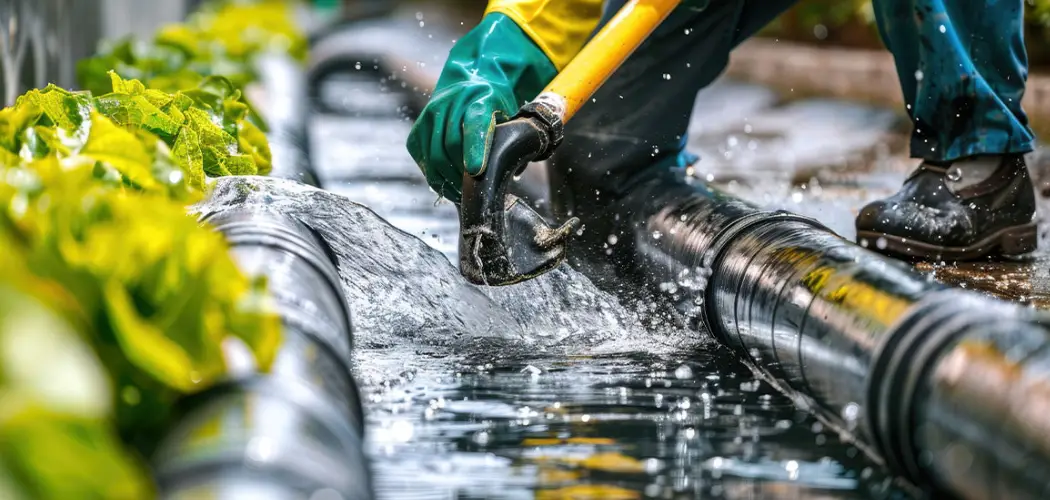
Pairing a pressure washer gun with a standard garden hose can transform your everyday watering tool into a powerful cleaning apparatus.
This simple connection gives you the focused, high-pressure spray of a pressure washer gun without needing the entire bulky pressure washer unit. It’s a fantastic solution for light to medium-duty cleaning tasks, such as washing your car, cleaning outdoor furniture, or rinsing off a dusty patio.
By learning this straightforward process on how to connect pressure washer gun to garden hose, you can unlock a new level of cleaning efficiency with equipment you likely already own.
What are the Benefits?
Connecting a pressure washer gun directly to your garden hose offers several compelling advantages. It’s a quick and practical way to upgrade your cleaning capabilities.
First, you gain significant efficiency. The specialized nozzles on a pressure washer gun create a concentrated stream of water that is far more effective at dislodging dirt and grime than a standard hose nozzle. This means you can clean surfaces faster and with less physical effort.
Second, it can lead to better water conservation. While it may seem counterintuitive, the high-pressure stream often requires less water overall to achieve the same cleaning result. The forceful spray does most of the work, reducing the need to douse an area for an extended period.
Finally, you get superior cleaning results. The increased pressure helps to lift stubborn messes that a regular garden hose spray simply can’t handle. This makes it an ideal setup for tasks that require a bit more power but don’t justify setting up a full-scale pressure washer. It’s a convenient middle ground that delivers professional-looking results.
What Will You Need?
Before you begin, gathering the right tools and materials will ensure the process is smooth and leak-free. You won’t need much, and most items are readily available at any hardware store.
Here is a list of the necessary equipment:
- Pressure Washer Gun: This is the main component. Ensure it has a standard threaded inlet that can accept an adapter.
- Garden Hose: A standard, good-quality garden hose without any leaks or significant kinks. A 5/8-inch diameter hose is most common and works well.
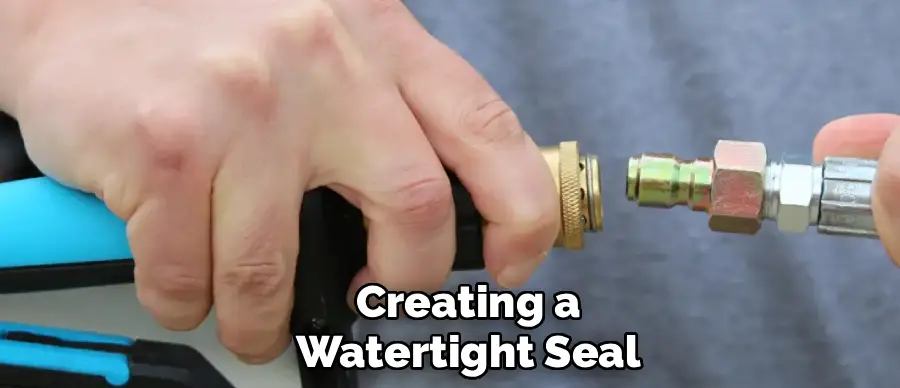
- Hose Adapters/Connectors: This is the most critical part. You will likely need a quick-connect set. This typically includes a female quick-connect plug for the gun and a male quick-connect socket that screws onto the garden hose. A common combination is a 3/4″ GHT (Garden Hose Thread) female to 3/8″ male quick-connect for the hose, and a 3/8″ female quick-connect for the gun’s inlet.
- Thread Seal Tape (Teflon Tape): This is essential for creating a watertight seal on all threaded connections to prevent leaks.
- Adjustable Wrench (Optional): Useful for tightening fittings, but be careful not to over-tighten and damage the threads.
10 Easy Steps on How to Connect Pressure Washer Gun to Garden Hose
Follow these steps carefully to create a secure and effective connection between your pressure washer gun and garden hose.
Step 1: Inspect Your Equipment
Before assembling anything, take a moment to inspect all your components. Check your garden hose for any cracks, holes, or brittleness that could cause leaks under pressure. Examine the pressure washer gun for any visible damage. Finally, ensure the threads on your gun, hose, and adapters are clean and free of debris.
Step 2: Turn Off the Water Supply
Go to your outdoor spigot or faucet and ensure the water is completely turned off. This prevents any unexpected sprays while you are connecting the components. It’s also a good idea to run the hose for a few seconds to drain any residual water before you start working.
Step 3: Apply Thread Seal Tape to the Hose
Take your thread seal tape and wrap it around the male threads on the end of your garden hose. Apply the tape in a clockwise direction (the same direction you will tighten the connector). Three to four wraps should be sufficient to create a good seal. This small step is crucial for preventing frustrating drips and leaks.
Step 4: Attach the Adapter to the Garden Hose
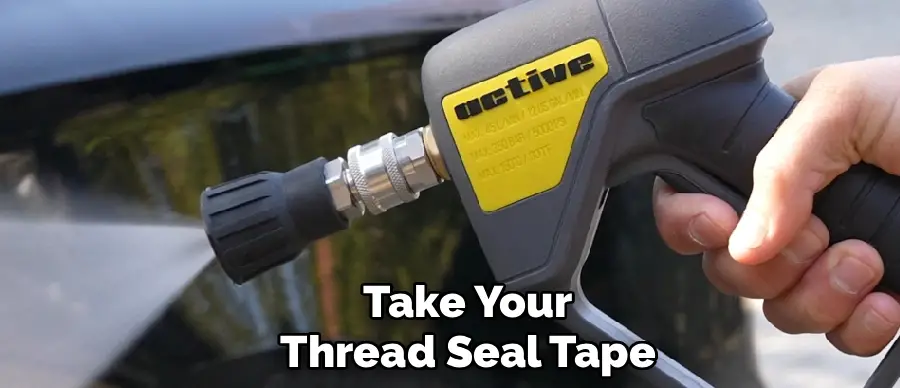
Now, take the appropriate adapter piece for the hose—typically the male quick-connect socket with a 3/4″ GHT female end. Screw this adapter onto the taped end of your garden hose. Hand-tighten it firmly. If it still feels loose, use an adjustable wrench to give it a gentle quarter-turn, but avoid over-tightening.
Step 5: Prepare the Pressure Washer Gun Inlet
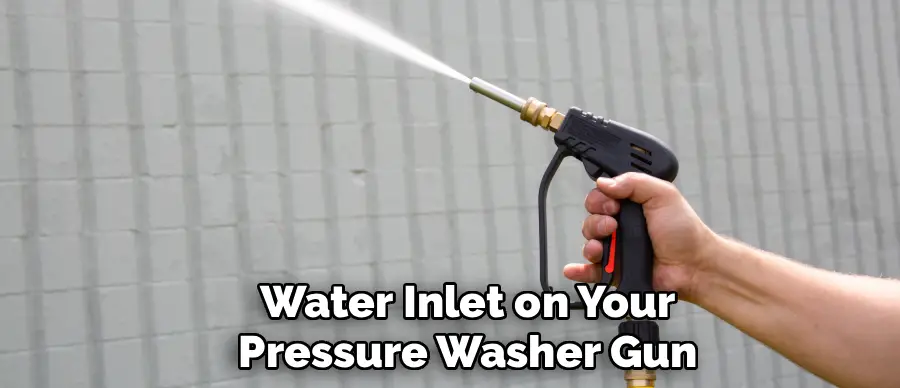
Next, locate the water inlet on your pressure washer gun. This is usually a male-threaded brass or metal fitting at the base of the handle. Just like with the garden hose, wrap this threaded inlet with thread seal tape in a clockwise direction. This will ensure the connection to its adapter is also watertight.
Step 6: Attach the Adapter to the Gun
Take the corresponding adapter for the gun—usually the female quick-connect plug. Screw this fitting onto the taped inlet of the pressure washer gun. Hand-tighten it securely. This piece will allow the gun to snap easily onto the hose’s quick-connect fitting.
Step 7: Connect the Hose and Gun
With both quick-connect fittings installed, you can now connect the two main components. Hold the pressure washer gun in one hand and the end of the garden hose in the other. Pull back the collar on the female quick-connect fitting (on the gun) and slide it over the male fitting on the hose. Release the collar; it should snap forward and lock into place with an audible click.
Step 8: Select and Attach a Nozzle
Your pressure washer gun is useless without a nozzle to shape the water stream. Select the appropriate nozzle tip for your cleaning task. Different colors usually indicate different spray angles (e.g., black for low pressure/soap, white for a wide spray, green for a general spray). Attach the nozzle to the end of the gun’s wand, ensuring it clicks securely into place.
Step 9: Turn on the Water and Check for Leaks
Walk back to your spigot and slowly turn the water on. As the hose fills with water, carefully inspect all connection points—where the hose connects to the spigot, where the adapter connects to the hose, and where the adapter connects to the gun. If you see any drips, turn the water off and tighten the leaking connection slightly.
Step 10: Test the Connection
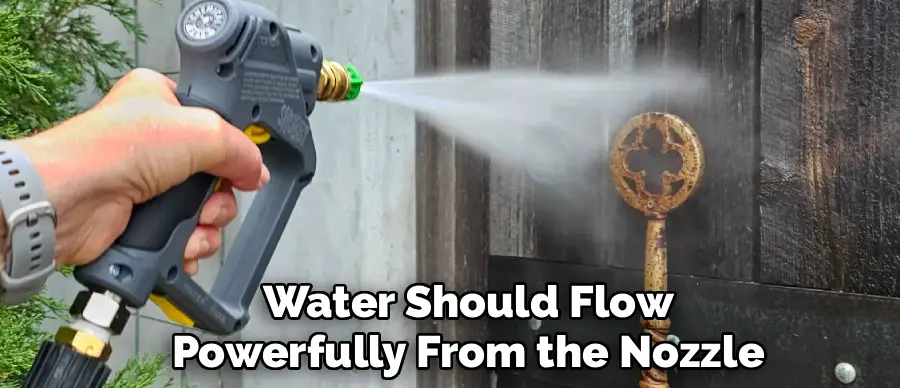
Once you’ve confirmed there are no leaks, point the pressure washer gun in a safe direction, away from people, pets, and windows. Squeeze the trigger. Water should flow powerfully from the nozzle. You can now begin your cleaning task. Remember that the pressure will be higher than a standard hose but lower than a gas or electric pressure washer.
5 Things You Should Avoid
To ensure the safety and longevity of your equipment, be mindful of these common mistakes.
- Over-tightening Fittings: Using excessive force with a wrench can strip the plastic or brass threads on your hose, gun, or adapters, causing permanent damage and leaks. Hand-tighten first, and only use a wrench for a slight final turn if necessary.
- Using Mismatched Adapters: Not all connectors are created equal. Trying to force fittings that aren’t compatible will result in a poor seal or damage the threads. Double-check that you have the correct adapters (e.g., 3/4″ GHT for the hose, 3/8″ NPT for the gun).
- Forgetting Thread Seal Tape: Skipping this simple step is the number one cause of leaks. Always use Teflon tape on all metal-to-metal or metal-to-plastic threaded connections to ensure a watertight seal.
- Leaving the System Pressurized: When you are finished cleaning, always turn off the water at the spigot and squeeze the trigger on the gun to release any remaining pressure in the hose. Storing the system under pressure can strain the hose and fittings over time.
- Pointing the Gun at People or Pets: Even without a full pressure washer unit, the stream from the gun is powerful enough to cause injury. Always practice safety and never point the nozzle at any living thing.
Frequently Asked Questions
- Can I Use Any Pressure Washer Gun With My Garden Hose?
Most pressure washer guns can be adapted, but you must use the correct connectors. The key is to match the gun’s inlet thread size (often 3/8″ NPT or M22) with an adapter that fits a standard 3/4″ garden hose thread (GHT). Check your gun’s specifications before buying adapters. - Will This Give Me the Same Power as a Real Pressure Washer?
No, this setup will not be as powerful as a dedicated electric or gas pressure washer. The pressure is determined by your home’s water pressure, typically 40-80 PSI. The gun and nozzle only focus that existing pressure into a stronger stream, making it more effective than a standard hose nozzle but much less powerful than a machine that generates 1500+ PSI. - Why is My Connection Leaking Even With Tape?
Leaks often happen due to a few issues. You may have cross-threaded the connection, so try unscrewing and carefully re-threading it. You might also have used too little or too much thread seal tape. Finally, check the rubber washer inside the female hose fitting, as a cracked or missing washer will always cause a leak.
Conclusion
How to connect pressure washer gun to garden hose is a simple yet effective way to boost your cleaning power for many household tasks.
By gathering the right adapters and following the steps outlined above, you can create a secure, leak-free connection in just a few minutes. This method provides a convenient and water-efficient solution for keeping your car, patio, and outdoor furniture looking their best.
So give it a try—you might be surprised at how much you can accomplish with this simple upgrade.

About
Outdoor Fixes is a distinguished figure in the world of Diy design, with a decade of expertise creating innovative and sustainable Diy solutions.
His professional focus lies in merging traditional craftsmanship with modern manufacturing techniques,
fostering designs that are both practical and environmentally conscious. As the author of diy,
outdoorfixes delves into the art and science of outdoorfixes-making, inspiring artisans and industry professionals alike.
Education RMIT University
(Melbourne, Australia) Associate Degree in Design (Outdoor Fixes) Focus on sustainable design, industry-driven projects,
and practical craftsmanship. Gained hands-on experience with traditional and digital manufacturing tools, such as CAD and CNC software.
Nottingham Trent University
(United Kingdom) Bachelor’s in outdoorfixes.com and Product Design (Honors) Specialized in product design with a focus on blending creativity with production
techniques. Participated in industry projects, working with companies like John Lewis and Vitsoe to gain real-world insights.
Publications and Impact
In diy, Outdoor Fixes his insights on indoor design processes, materials, and strategies for efficient production.
His writing bridges the gap between artisan knowledge and modern industry needs, making it a must-read for both budding designers and seasoned professionals.