
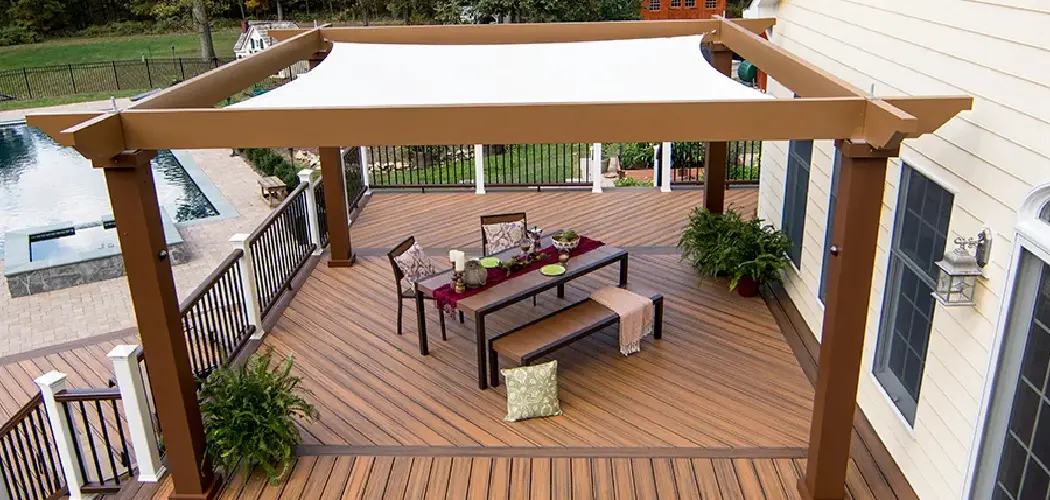
Transforming your pergola into a shaded oasis is easier than you might think. In this guide, we’ll explore various methods on how to cover a pergola for shade, from installing fabric canopies and retractable covers to growing lush, leafy vines.
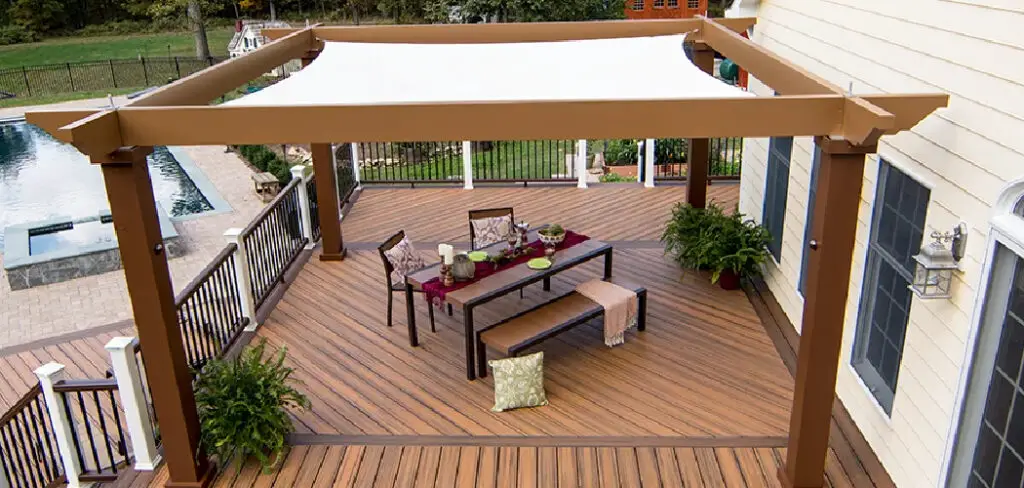
Whether you’re looking to create a cozy outdoor retreat or simply want to protect your space from the harsh sun, our step-by-step instructions and creative ideas will help you achieve a cool, inviting pergola perfect for relaxing and entertaining.
Understanding Pergola Shade Options
When it comes to shading your pergola, there are several options to consider, each with its own set of advantages. Here are the main types to help you decide which is best for your outdoor space:
Fabric Canopies
Fabric canopies are a versatile and aesthetically pleasing choice for pergola shade. Available in various colors and patterns, they can be adjusted to provide optimal coverage. Many fabric canopies are made from weather-resistant materials, ensuring durability through different seasons.
Retractable Covers
Retractable covers offer the flexibility of shade when you need it and an open view when you don’t. These covers can be manually or electronically operated and are ideal for those who want the convenience of adjusting shade levels throughout the day.
Vines and Climbing Plants
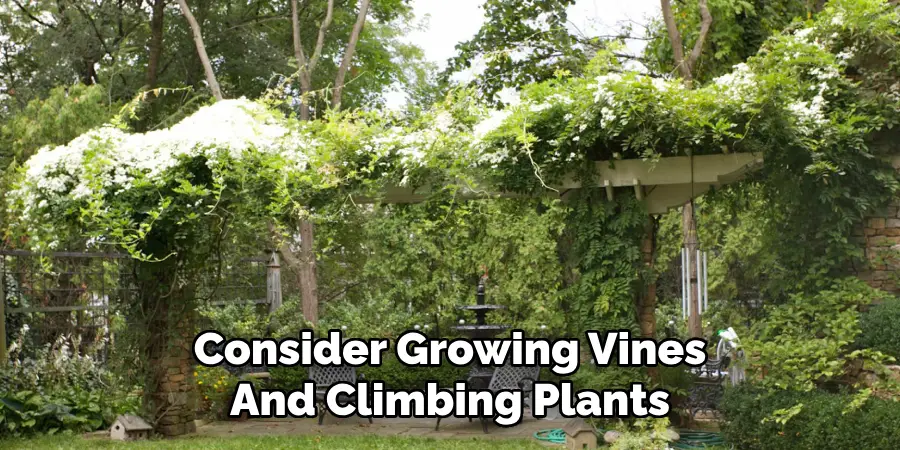
For a more natural and eco-friendly option, consider growing vines and climbing plants over your pergola. Varieties such as wisteria, grapevines, and ivy not only provide shade but also enhance the beauty and ambiance of your outdoor space. This option, however, requires regular maintenance and a bit of patience as the plants grow.
Types of Materials and Methods for Shading
Choosing the right materials and methods for shading your pergola can greatly affect its functionality and aesthetic appeal. Here are some common materials and methods used to create effective and attractive pergola shade:
Canvas
Canvas is a popular material for pergola canopies due to its durability and variety of design options. It is available in numerous colors and patterns, allowing you to complement your outdoor decor. Canvas canopies can be easily installed with grommets and ropes or tension rods for a clean, tailored look. Additionally, treated canvas options are resistant to water and UV rays, extending their lifespan.
Polycarbonate Panels
Polycarbonate panels are known for their strength and transparency. These panels can be clear or tinted to reduce glare and heat. They provide a solid, year-round shade solution that is tough enough to withstand harsh weather conditions. Polycarbonate panels are lightweight and can be easily installed atop the pergola frame with screws and brackets.
Shade Cloth
Shade cloth is a woven fabric designed to block a percentage of sunlight while allowing airflow. It is ideal for pergolas that need partial shade without compromising ventilation. Shade cloth is available in different densities, ranging from 30% to 90% shade coverage. Installation is straightforward, often requiring just clips or ties to secure the cloth to the pergola.
Bamboo or Reed Screens
Bamboo or reed screens offer a natural and tropical look for pergola shading. These materials are relatively inexpensive and easy to work with. They can be attached horizontally or vertically to the pergola frame using zip ties or wire. Bamboo and reed screens provide partial shade and allow light to filter through, creating a serene environment.
Pergola Curtains
Pergola curtains are a flexible and stylish shading option. Made from outdoor-grade fabric, these curtains can be drawn closed to provide complete shade and privacy or left open to enjoy the view. Pergola curtains are generally mounted on a rod with rings or hooks, making them easy to open and close as desired.
10 Methods How to Cover a Pergola for Shade
1. Using Outdoor Fabric or Shade Cloth
One of the most versatile and cost-effective ways to cover a pergola for shade is by using outdoor fabric or shade cloth. Available in various colors, patterns, and levels of opacity, outdoor fabrics and shade cloths can be draped over the top of the pergola or attached securely using grommets and hooks. For a more permanent solution, the fabric can be stapled or tied to the pergola’s beams. This method allows for flexibility in adjusting the amount of shade by choosing different fabric densities. Additionally, outdoor fabrics are often treated to be water-resistant and UV-protected, ensuring durability and longevity. This approach adds a touch of elegance and can be easily swapped out or removed for seasonal changes.
2. Installing Retractable Canopies
Retractable canopies offer a dynamic solution for shading a pergola, allowing for adjustable coverage depending on the weather and time of day. These canopies consist of durable fabric panels that can be extended or retracted along tracks installed on the pergola’s beams. The canopy can be manually operated with a pull cord or automatically with a motorized system. Retractable canopies are ideal for those who want the flexibility to enjoy both sun and shade. They are available in various colors and designs, enabling customization to match the outdoor décor. By providing adjustable coverage, retractable canopies enhance the usability of the pergola throughout different seasons and weather conditions.
3. Growing Climbing Plants
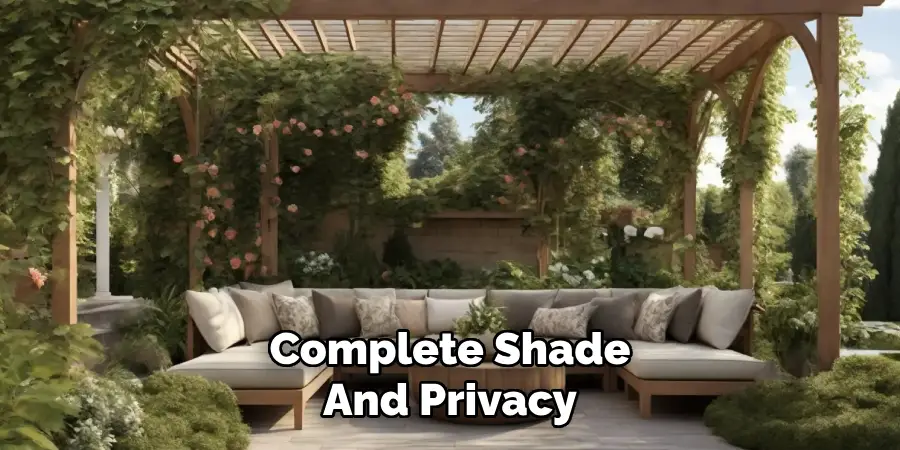
Incorporating climbing plants is a natural and aesthetically pleasing method to cover a pergola for shade. Plants such as wisteria, grapevines, honeysuckle, and clematis can be trained to grow over the pergola, creating a lush, green canopy. As these plants grow, their foliage and flowers provide dappled shade and contribute to a cooler microclimate underneath the pergola. This method not only adds natural beauty but also supports biodiversity by attracting pollinators like bees and butterflies.
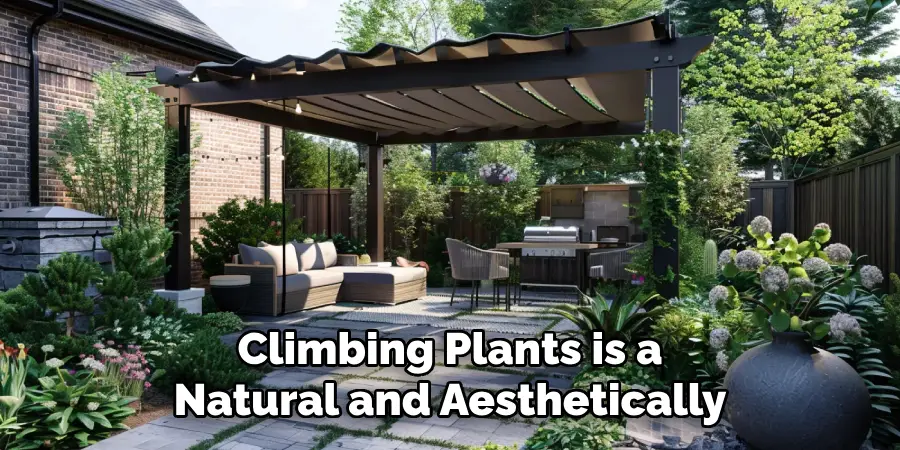
However, it requires patience and regular maintenance, including pruning and training the plants to ensure even coverage. Over time, a pergola covered with climbing plants can become a serene, green retreat.
4. Adding a Bamboo or Reed Roof
A bamboo or reed roof offers a rustic, tropical aesthetic while providing effective shade for a pergola. Bamboo or reed panels can be purchased and installed over the top of the pergola, either by tying them to the beams or securing them with screws or nails. These materials are naturally lightweight, making installation relatively straightforward. Bamboo and reed allow some light to filter through, creating a pleasant, diffused light effect underneath. Additionally, they are eco-friendly and biodegradable, making them a sustainable choice. Regular maintenance, such as checking for wear and replacing damaged sections, ensures the longevity of a bamboo or reed roof.
5. Using Lattice Panels
Lattice panels provide a structured and decorative option for shading a pergola. These panels, made from wood, vinyl, or metal, feature a grid pattern that offers partial shade while allowing air and light to pass through. Lattice panels can be attached to the top of the pergola beams, creating a patterned shade effect below. This method adds architectural interest and can be painted or stained to match the existing décor. Additionally, lattice panels can serve as a support structure for climbing plants, combining the benefits of both methods. The result is a versatile and visually appealing shade solution that enhances the overall design of the pergola.
6. Installing Sail Shades
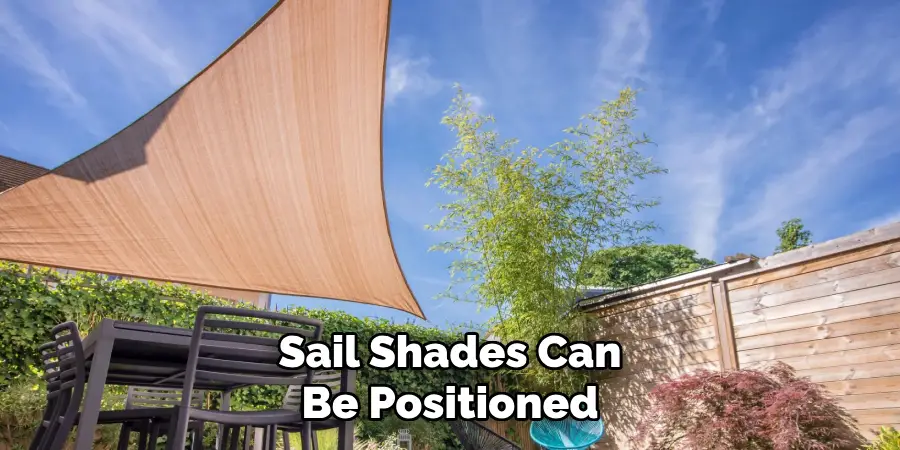
Sail shades are a modern and stylish way to cover a pergola for shade. These triangular or rectangular pieces of fabric are tensioned between anchor points, creating a sleek and dynamic appearance. To install sail shades over a pergola, one can use the existing structure as anchor points or install additional posts if necessary. The tensioned fabric provides significant shade and is typically made from UV-resistant materials, ensuring durability. Sail shades can be positioned in various configurations, overlapping multiple sails for increased coverage and visual interest. This method allows for creativity in design and can be easily adjusted or removed as needed.
7. Attaching Corrugated Plastic or Metal Panels
Corrugated plastic or metal panels offer a durable and weather-resistant option for covering a pergola. These panels can be cut to size and attached to the top of the pergola using screws and washers. Corrugated panels are available in various colors and finishes, allowing for customization to match the pergola’s style. Clear or translucent panels provide partial shade while allowing light to pass through, whereas opaque panels offer complete coverage. This method is particularly effective in regions with frequent rain or harsh sunlight, as the panels provide protection from the elements. Regular cleaning and maintenance of the panels ensure their longevity and continued effectiveness.
8. Creating a Wooden Slat Roof
A wooden slat roof combines functionality with a classic, timeless look. By attaching evenly spaced wooden slats across the top of the pergola, you can create a shaded area with a patterned light effect. The spacing between the slats can be adjusted to control the amount of shade provided. Wooden slats can be painted, stained, or left natural, depending on the desired aesthetic. This method offers durability and a cohesive look, especially if the pergola itself is made of wood. Regular maintenance, such as treating the wood to prevent rot and inspecting for damage, ensures the wooden slat roof remains in good condition.
9. Using Roll-Up Blinds or Curtains
Roll-up blinds or outdoor curtains provide a flexible and customizable option for shading a pergola. These can be mounted on the sides or the top of the pergola, allowing for adjustable coverage. Roll-up blinds can be pulled down to block the sun and rolled up when not needed, offering convenience and versatility. Outdoor curtains can be drawn closed for full shade and privacy or opened to let in light and air. Available in various fabrics, colors, and patterns, blinds and curtains can be chosen to complement the outdoor space’s design. This method adds a touch of elegance and can also provide wind protection and additional privacy.
10. Incorporating a Polycarbonate Roof
A polycarbonate roof is a durable and long-lasting option for covering a pergola. Polycarbonate sheets are lightweight, UV-resistant, and available in clear, tinted, or opaque options. These sheets can be cut to size and attached to the pergola’s framework using screws and sealant to ensure a watertight fit. A polycarbonate roof provides excellent protection from the sun while allowing some light to filter through, creating a bright yet shaded area underneath. This method is particularly effective in regions with variable weather, as it provides shade and rain protection. Regular cleaning and maintenance help keep the polycarbonate roof clear and functional.


About
Outdoor Fixes is a distinguished figure in the world of Diy design, with a decade of expertise creating innovative and sustainable Diy solutions.
His professional focus lies in merging traditional craftsmanship with modern manufacturing techniques,
fostering designs that are both practical and environmentally conscious. As the author of diy,
outdoorfixes delves into the art and science of outdoorfixes-making, inspiring artisans and industry professionals alike.
Education RMIT University
(Melbourne, Australia) Associate Degree in Design (Outdoor Fixes) Focus on sustainable design, industry-driven projects,
and practical craftsmanship. Gained hands-on experience with traditional and digital manufacturing tools, such as CAD and CNC software.
Nottingham Trent University
(United Kingdom) Bachelor’s in outdoorfixes.com and Product Design (Honors) Specialized in product design with a focus on blending creativity with production
techniques. Participated in industry projects, working with companies like John Lewis and Vitsoe to gain real-world insights.
Publications and Impact
In diy, Outdoor Fixes his insights on indoor design processes, materials, and strategies for efficient production.
His writing bridges the gap between artisan knowledge and modern industry needs, making it a must-read for both budding designers and seasoned professionals.