
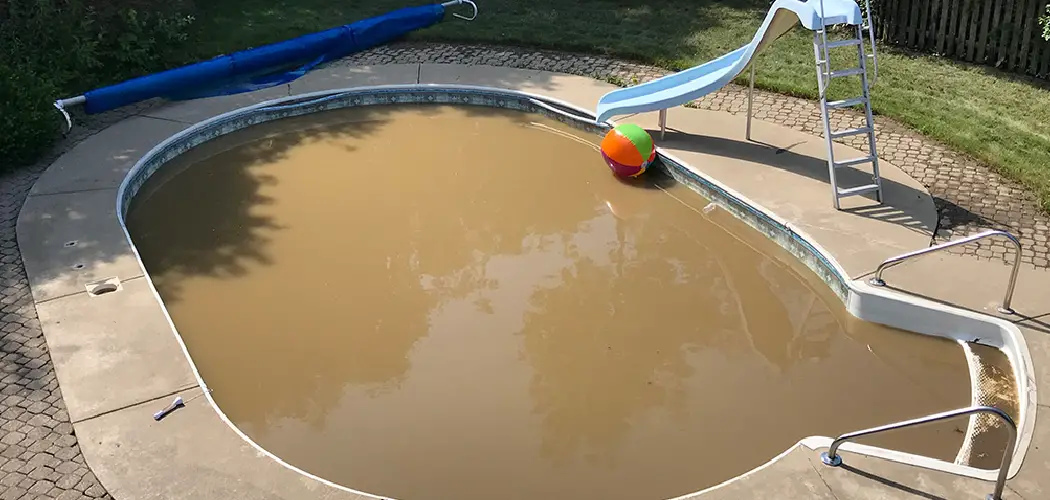
We’ve all been there. You’re hosting a fun pool party with friends, and someone steps in the water with muddy shoes! Now you are left trying to figure out how to get that pesky mud out of your pool. Don’t worry – this problem is fixable if you know what steps to take!
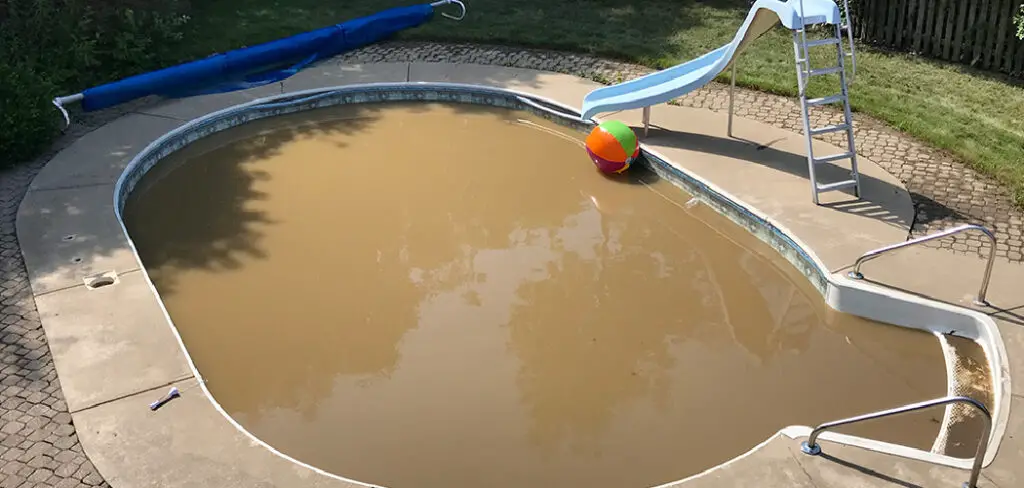
In this blog post, we’ll provide some simple do-it-yourself techniques for getting mud out of the pool without having to call in professional help.
We’ll cover different processes depending on the type and amount of sediment you have, as well as provide some additional tips for maintaining cleanliness long-term. By following our advice on how to get mud out of pool below, you can soon enjoy a refreshing dip in your crystal clear pool again!
Why May You Want to Get Mud Out of Pool?
1 . To Improve Pool Health
Pools are meant to be clean, clear and healthy. Allowing mud to accumulate in a pool is not only unpleasant but it poses health risks too. Mud contains bacteria, fungi and microscopic organisms that can cause sicknesses such as diarrhea, ear infections, or severe skin irritations.
Removing mud from your swimming pool will improve the water quality and reduce the chances of anyone falling ill after a swim.
2 . To Maintain Pool Cleanliness and Aesthetics
Mud can give your pool an unsightly appearance. It can also clog filters, pumps, and other pool equipment, making cleaning a daunting task. Removing mud from your pool not only improves the overall cleanliness but also enhances the visual appeal of your pool. This can help boost your enjoyment and relaxation while swimming.
3 . To Prevent Damage to Pool Equipment
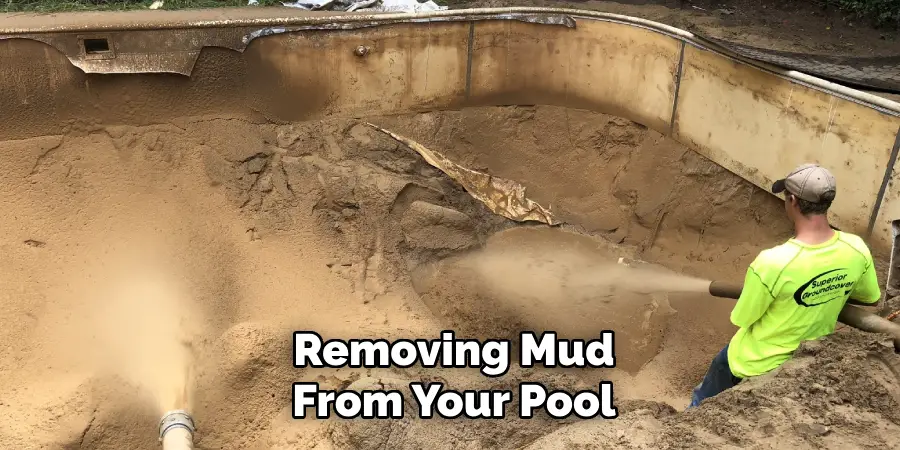
Mud is abrasive and can cause damage to pool equipment such as pumps, filters, and heaters. If not removed promptly, mud can also clog the filters leading to a reduced flow rate or even complete blockage.
This can result in expensive repairs or replacements of pool equipment. By regularly removing mud from your pool, you can prevent such damage and save money in the long run.
4 . To Avoid Slippery Surfaces
Mud can make the pool area slippery, increasing the risk of accidents or injuries. This is especially dangerous for small children or elderly individuals who may have difficulty maintaining their balance. Removing mud from the pool will provide a safer swimming environment for everyone.
11 Tips on How to Get Mud Out of Pool
1 . Using a Pool Skimmer
One of the easiest and most effective ways to remove mud from a pool is by using a pool skimmer. This net-like tool can easily collect debris, leaves, and even small particles of mud floating on the water’s surface.
2 . Vacuuming
For larger amounts of mud or stubborn dirt particles at the bottom of the pool, vacuuming may be necessary. It is essential to use a vacuum specifically designed for pools and to carefully follow the manufacturer’s instructions.
3 . Using a Clarifier
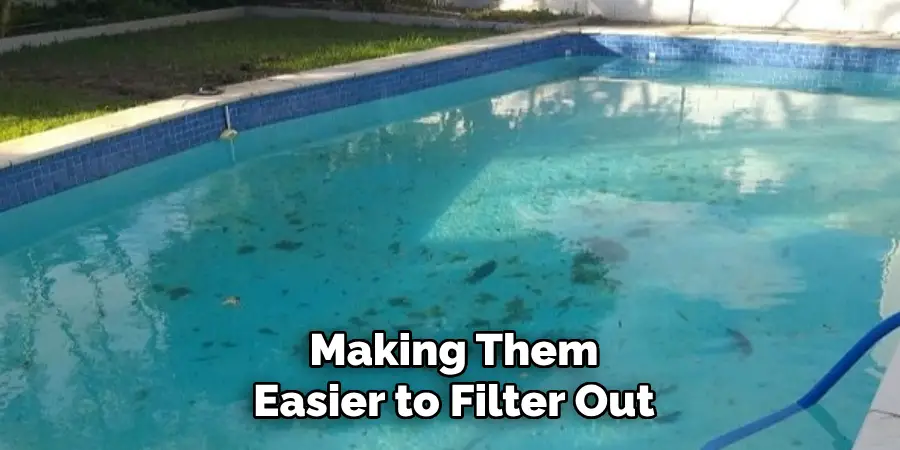
If the water in your pool appears cloudy after removing mud, you can use a clarifier to improve water clarity. This product helps to gather small particles together, making them easier to filter out. Also, make sure to regularly clean and backwash your pool filters.
4 . Shocking the Pool
Shocking your pool can help eliminate any remaining bacteria or contaminants from the mud. Choose a shock product specifically made for pools, and carefully follow the instructions for the best results.
5 . Using Algaecide
Mud can also introduce algae into your pool, which can quickly spread and turn your water green. Using an algaecide can help prevent this from happening, as well as control any existing algae growth.
6 . Removing Leaves or Debris Around the Pool
Leaves, twigs, or other debris around the pool area can easily fall into the water and contribute to muddy conditions. Regularly cleaning up around the pool can help prevent such debris from ending up in the water.
7 . Draining and Refilling the Pool
In severe cases where there is a large amount of mud or other contaminants in the pool, draining and refilling may be necessary. This should only be done as a last resort, as it can be time-consuming and wasteful. However, it can also be an opportunity to thoroughly clean and inspect the pool before refilling.
8 . Using Enzymes
Enzyme-based cleaners can help break down organic matter, such as mud, in your pool. They are safe for both humans and the environment and can be used regularly to prevent buildup of contaminants.
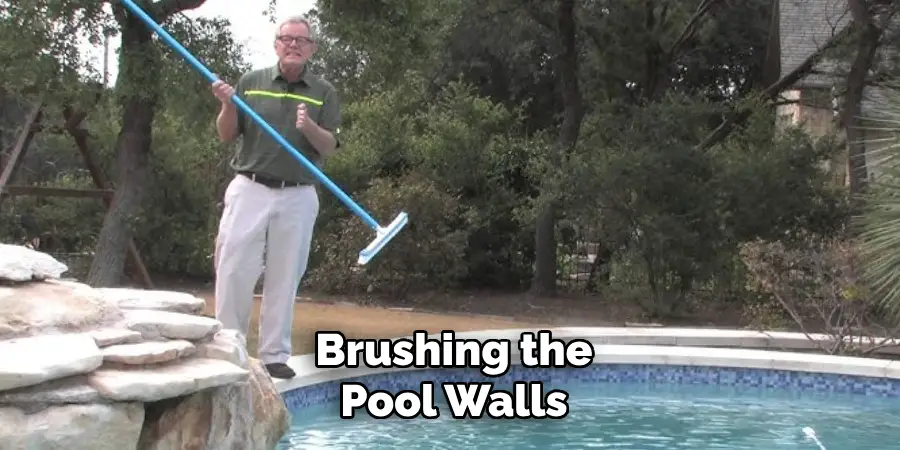
9 . Brushing the Pool Walls and Floor
Brushing the pool walls and floor can help loosen any stuck-on mud or dirt, making it easier to remove with a skimmer or vacuum. It is recommended to use a brush specifically made for pools to avoid damaging the surface.
10 . Regular Maintenance
Prevention is always better than cure. By regularly maintaining your pool, including balancing chemicals and keeping filters clean, you can help prevent the buildup of mud and other contaminants.
11 . Encouraging Proper Pool Use
Educating pool users, especially children, on the importance of keeping the pool clean and free of mud can also help prevent future incidents. Encourage them to rinse off before entering the pool and not to bring any outside dirt or debris into the water. This will help maintain a cleaner and healthier swimming environment.
Frequently Asked Questions
What Precautions to Take When Getting Mud Out of Pool?
When it comes to getting mud out of your pool, there are a few precautions you should take:
- Keep your pool clean and well-maintained to prevent substantial buildup of debris in the water.
- Regularly check and maintain proper chemical balance in your pool to keep it free from bacteria, algae and mold that thrive in mud.
- Use a leaf rake or skimmer net to remove any solid debris before attempting to get the mud out of your pool.
- Avoid using your pool vacuum to remove mud as it can clog and damage the machine.
Can I Drain My Pool to Get Mud Out?
Draining your pool completely is not recommended as it can cause damage to the pool structure and might also disturb any underground pipes or cables. It is best to try other methods of removing mud before resorting to draining the pool.
Also, in some areas, it is illegal to drain pool water onto the ground as it can contaminate nearby water sources. Also, draining your pool can be time-consuming and expensive as you will need to refill it with fresh water and rebalance the chemical levels.
How Do I Get Mud Out of Pool Without Draining?
One effective method to get mud out of your pool without draining is by using a flocculant or clarifier. These chemicals work by binding together particles in the water, making them heavier and easier to remove. After adding the flocculant, you will need to turn off your pool pump and let it sit overnight.
The next morning, you can use a pool vacuum or manually scoop out the clumped particles with a net. It may take several rounds of this process to completely clear the mud from your pool. Another method is to use a fine mesh pool filter to trap the particles as you vacuum.
Can I Use a Pressure Washer to Get Mud Out of Pool?
While it may seem like using a pressure washer would be an easy solution, it is not recommended for removing mud from your pool. The strong force of the water can cause damage to your pool’s lining or surface and also push the mud further into crevices making it harder to remove. It is best to stick with gentle methods such as vacuuming or using a pool filter.
How Much Does it Cost to Get Mud Out of Pool?
The cost of getting mud out of your pool will vary depending on the severity and size of the muddy area. If you choose to hire a professional pool cleaner, they may charge anywhere from $100-$500 for their services. If you opt to do it yourself, the cost will mainly be for any necessary chemicals or equipment needed.
However, the cost of not removing the mud can be much higher as it can cause damage to your pool’s structure and equipment if left untreated. It is important to address any muddy areas in your pool as soon as possible to prevent further complications and expenses.
Overall, the cost will vary but investing in regular maintenance and proper cleaning techniques can save you money in the long run.
So, it is best to take preventive measures and regularly clean your pool to avoid any major costs associated with removing mud. Remember to always follow safety precautions and consult a professional if you are unsure about the best method for getting mud out of your pool.

Conclusion
A pool filled with mud is not only unappealing but also poses health risks and can damage pool equipment. By following these tips, you can effectively remove mud from your pool and maintain a clean, safe and enjoyable swimming experience for everyone.
Now you know how to get mud out of pool! Remember to regularly check and maintain your pool’s cleanliness to prevent the buildup of contaminants. Also, make sure to educate pool users on proper pool use to help keep the water clean and clear. Keep these tips in mind and enjoy a perfect swimming experience every time!

About
Outdoor Fixes is a distinguished figure in the world of Diy design, with a decade of expertise creating innovative and sustainable Diy solutions.
His professional focus lies in merging traditional craftsmanship with modern manufacturing techniques,
fostering designs that are both practical and environmentally conscious. As the author of diy,
outdoorfixes delves into the art and science of outdoorfixes-making, inspiring artisans and industry professionals alike.
Education RMIT University
(Melbourne, Australia) Associate Degree in Design (Outdoor Fixes) Focus on sustainable design, industry-driven projects,
and practical craftsmanship. Gained hands-on experience with traditional and digital manufacturing tools, such as CAD and CNC software.
Nottingham Trent University
(United Kingdom) Bachelor’s in outdoorfixes.com and Product Design (Honors) Specialized in product design with a focus on blending creativity with production
techniques. Participated in industry projects, working with companies like John Lewis and Vitsoe to gain real-world insights.
Publications and Impact
In diy, Outdoor Fixes his insights on indoor design processes, materials, and strategies for efficient production.
His writing bridges the gap between artisan knowledge and modern industry needs, making it a must-read for both budding designers and seasoned professionals.