

A sparkling swimming pool is the crown jewel of any backyard, offering a refreshing escape and a perfect setting for summer gatherings. However, the mechanical heart of this oasis—the pumps, filters, heaters, and tangled web of PVC pipes—is often an eyesore that detracts from the serene atmosphere you have worked so hard to create.

These industrial-looking components are necessary for clean water, but they certainly do not contribute to a relaxing visual experience. Fortunately, you do not have to live with this visual clutter. There are numerous creative strategies available to camouflage these utilities without compromising their function or accessibility.
This comprehensive guide will teach you how to hide pool equipment using a variety of materials and landscaping techniques. By following our detailed steps, you can seamlessly blend these functional elements into your garden design, enhancing privacy and noise reduction while reclaiming the beauty of your outdoor living space.
A well-designed outdoor space is a harmonious blend of aesthetics and functionality. However, pool equipment, while essential, can often disrupt the visual appeal of your backyard. Unsightly pumps, filters, and heaters can detract from the tranquil ambiance you’ve worked hard to create.
Fortunately, there are versatile solutions to help you conceal these practical components without sacrificing their accessibility or performance. With the right approach, you can transform your space into a haven of beauty and utility.
8 Step-by-Step Guide on How to Hide Pool Equipment
Step 1: Assess Your Pool Equipment
Before you plant a single bush or build a fence, you must thoroughly evaluate the existing footprint of your pool machinery. Take precise measurements of the height, width, and depth of the entire equipment pad, including the filter tank, pump motor, heater, and any chlorinators. It is crucial to account for the necessary clearance space around each piece of equipment.

Pool technicians need ample room to access valves, clean baskets, and perform repairs, so enclosing the area too tightly will only lead to frustration later. Visualize the airflow requirements as well; heaters and pumps generate significant heat that must dissipate to prevent overheating. By mapping out these dimensions and access zones first, you ensure that your concealment solution is practical, safe, and sustainable for the long term.
Step 2: Choose Your Materials
Selecting the right materials is vital for creating a barrier that is both durable and visually appealing. Your choice should complement the existing architecture of your home and the style of your garden. If you have a modern home, sleek composite slats or horizontal wooden fencing might be the perfect fit.
For a more rustic or natural landscape, stone walls or dense shrubbery could be ideal. Consider the maintenance requirements of each material; wood may need annual staining, while vinyl or composite materials offer a low-maintenance alternative. Additionally, think about sound absorption. Solid materials like brick or stone are excellent at dampening the hum of the pool pump, whereas open lattice might let more noise escape but provides better airflow.
Step 3: Design a Ventilated Enclosure Structure
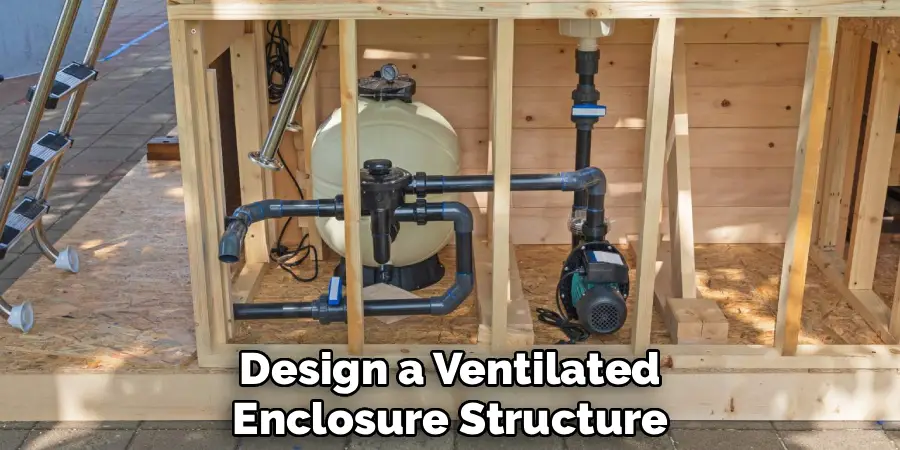
Proper ventilation is the most critical functional aspect of any pool equipment enclosure. Pumps and heaters work hard and can easily overheat if they are suffocated inside a solid box. When designing your structure, prioritize designs that allow for free air circulation.
This can be achieved by using louvers, lattice panels, or spacing fence boards with gaps between them. If you are building a roof over the equipment to protect it from the elements, ensure there is plenty of vertical clearance and open sides. A well-ventilated design extends the lifespan of your expensive machinery by keeping operating temperatures down. Balancing concealment with airflow is the key to a successful project that hides the ugly bits without causing mechanical failures.
Step 4: Construct a Simple L-Shaped Privacy Screen
One of the easiest and most effective ways to obscure pool equipment is by building a simple L-shaped privacy screen. This two-sided structure blocks the view from the most common vantage points—usually the pool deck and the house—while leaving the back entirely open for easy access.
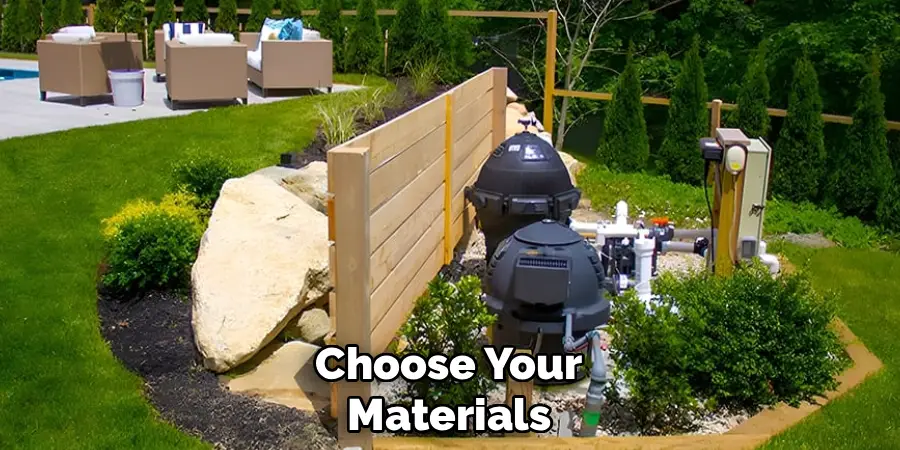
You can construct this using pre-made fence panels, privacy lattice, or custom horizontal slats. Dig post holes for the corner and end posts, securing them with concrete for stability against wind. Attach your chosen panels to the posts, ensuring they are high enough to hide the tallest piece of equipment. This method is cost-effective, requires minimal construction skills, and provides excellent screening without making the equipment area feel claustrophobic or difficult to service.
Step 5: Plant Evergreen Shrubs for a Natural Barrier
For those who prefer a softer, organic look, using living plants is a fantastic option. Evergreen shrubs are the gold standard here because they keep their leaves year-round, providing consistent coverage even in winter. Choose hearty, low-maintenance varieties like boxwood, holly, or arborvitae that grow dense enough to block the view. Plant them at a safe distance from the equipment pad—typically at least three feet away—to prevent branches from growing into the machinery and to allow room for maintenance. Regular pruning will be necessary to keep the hedge neat and prevent it from encroaching on the workspace. This “living wall” approach seamlessly integrates the utility area into the rest of your garden landscape.
Step 6: Use Ornamental Grasses
If you want a solution that adds movement and texture to your landscape, tall ornamental grasses are a superb choice. Varieties like Maiden Grass or Zebra Grass grow quickly and can reach heights of five to six feet, easily obscuring most pool pumps and filters. Unlike stiff hedges, grasses sway in the breeze, adding a calming, dynamic element to the poolside environment. They are also generally drought-tolerant and low-maintenance once established. However, be mindful that most grasses are deciduous and will need to be cut back in late winter or early spring. This means you will have a few weeks of visibility, but the rapid growth in spring quickly restores your privacy screen.
Step 7: Build a Custom DIY Wooden Box Cover
For smaller setups or individual components, a custom wooden box cover might be the best solution. This involves building a three-sided or four-sided box with a hinged lid that sits directly over the equipment. Use rot-resistant lumber like cedar or pressure-treated pine. The design must feature slatted sides or a lattice front to ensure maximum airflow. The hinged lid allows for quick access to the control panel or pump basket without removing the entire structure.
This method is particularly effective for muffling sound, as the wood helps absorb the high-pitched whine of the motor. You can stain or paint the box to match your deck or outdoor furniture, turning an eyesore into a stylish functional feature.
Step 8: Install Vinyl or Resin Privacy Panels
If you are looking for a solution that requires zero painting or staining, prefabricated vinyl or resin panels are an excellent investment. These panels are available at most home improvement stores and come in a variety of styles, from faux stone and brick to classic white fencing. They are lightweight, easy to install using metal ground stakes, and impervious to rot, termites, and water damage. Many systems are modular, allowing you to connect multiple panels to create a custom shape that fits your specific equipment layout. Maintenance is as simple as spraying them down with a garden hose occasionally. This is a quick weekend project that delivers immediate, professional-looking results with minimal effort.
Frequently Asked Questions
Can I Completely Enclose My Pool Pump to Reduce Noise?
You should never completely seal a pool pump inside an airtight box. The motor relies on air circulation to cool itself during operation. If you cut off the airflow, the motor will overheat and burn out, leading to expensive repairs. Instead, build an enclosure with sound-proofing materials like mass-loaded vinyl on the inside walls, but ensure you include ventilation gaps, louvers, or an open back side to allow heat to escape and fresh air to enter.
What Is the Best Distance Between Plants and Pool Equipment?
A general rule of thumb is to keep all plantings at least 3 feet (about 1 meter) away from the edge of your equipment pad. This buffer zone is crucial for several reasons. It allows service technicians enough room to work comfortably, prevents falling leaves and debris from clogging the motor vents, and ensures that roots do not disturb the plumbing pipes underground. Regular pruning is essential to maintain this gap.
Are There Specific Plants I Should Avoid Near Pool Equipment?
Yes, avoid plants that are messy, thorny, or have invasive root systems.
- Messy plants: Trees or shrubs that drop excessive berries, needles, or small leaves (like Crape Myrtles) can clog skimmer baskets and pump intakes.
- Thorny plants: Holly, roses, or cacti make maintenance painful for you and your pool technician.
- Invasive roots: Bamboo (unless in pots) and weeping willows can wreak havoc on underground PVC plumbing lines.

How Can I Hide Equipment Without Building a Permanent Structure?
If you cannot build a fence or wall, consider using portable privacy screens. Many retailers sell freestanding, hinged outdoor screens made of wicker, wood, or metal that are designed to hide trash cans or AC units. Another option is using large, tall potted plants arranged in a row. These solutions are temporary, movable, and often cheaper than permanent construction, making them perfect for renters or quick fixes.
Does Hiding the Equipment Make Maintenance Harder?
It certainly can if you do not plan correctly. The most common mistake is building an enclosure that is too tight or has no gate. To avoid this, always design your screen with a wide opening or a hinged gate. If you use a box cover, ensure the lid and front panel are removable. Prioritizing accessibility during the design phase ensures that hiding the equipment does not become a hindrance to weekly cleaning and maintenance tasks.
Conclusion
Transforming the look of your backyard by concealing unsightly machinery is one of the most rewarding improvements you can make as a pool owner. It shifts the focus back to the beauty of the water and your landscape, creating a more peaceful and polished environment.
Ensure that whatever method you choose not only blends seamlessly with your outdoor décor but also allows for convenient access when needed. Thoughtful planning and execution will result in a backyard oasis that feels cohesive and inviting, while still being practical and easy to maintain. By taking the time to creatively conceal pool equipment, you enhance the overall atmosphere of your outdoor space, turning it into an area you can genuinely enjoy and take pride in.

About
Outdoor Fixes is a distinguished figure in the world of Diy design, with a decade of expertise creating innovative and sustainable Diy solutions.
His professional focus lies in merging traditional craftsmanship with modern manufacturing techniques,
fostering designs that are both practical and environmentally conscious. As the author of diy,
outdoorfixes delves into the art and science of outdoorfixes-making, inspiring artisans and industry professionals alike.
Education RMIT University
(Melbourne, Australia) Associate Degree in Design (Outdoor Fixes) Focus on sustainable design, industry-driven projects,
and practical craftsmanship. Gained hands-on experience with traditional and digital manufacturing tools, such as CAD and CNC software.
Nottingham Trent University
(United Kingdom) Bachelor’s in outdoorfixes.com and Product Design (Honors) Specialized in product design with a focus on blending creativity with production
techniques. Participated in industry projects, working with companies like John Lewis and Vitsoe to gain real-world insights.
Publications and Impact
In diy, Outdoor Fixes his insights on indoor design processes, materials, and strategies for efficient production.
His writing bridges the gap between artisan knowledge and modern industry needs, making it a must-read for both budding designers and seasoned professionals.