
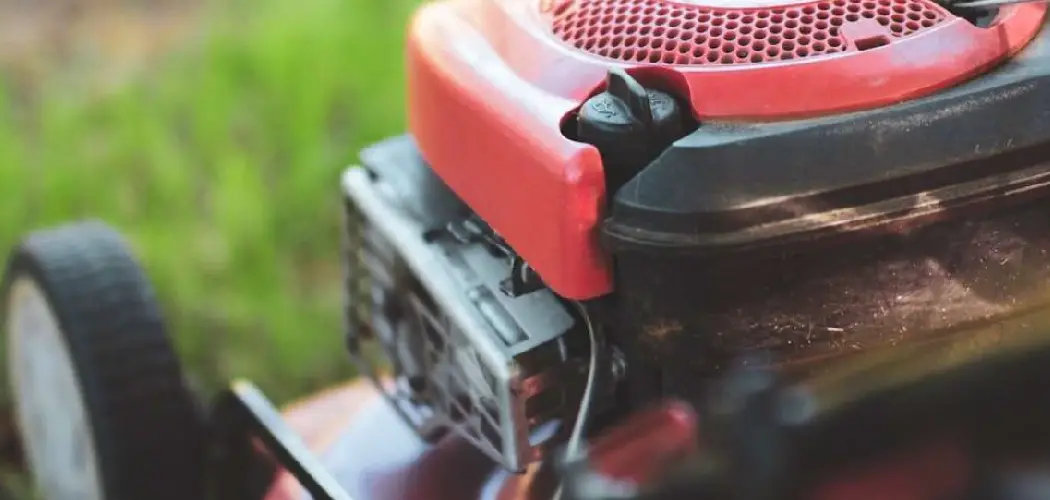
The roar of a gas-powered lawn mower is a classic sound of suburban life, but it is not always a welcome one. Whether you are trying to be considerate of your neighbors or simply want to protect your own hearing, a deafening machine can turn a simple chore into a noisy ordeal.

Many homeowners assume that a loud engine is just an unavoidable fact of life, but that is not always the case. Over time, parts can wear out, come loose, or get clogged, leading to a significant increase in operational noise. The good news is that you can often reduce this racket with some basic maintenance and a few clever adjustments.
This guide will provide a clear, step-by-step process showing you how to make a lawn mower quiet, helping you reclaim a bit of peace and quiet for your weekend yard work.
If you have ever mowed your lawn, you know how loud a lawn mower can be. It can make it difficult to have a conversation or enjoy the peacefulness of your backyard. However, having a loud lawn mower is not just an annoyance; it can also damage your hearing and disturb your neighbors.
While some may assume that loud engines are just an unavoidable fact of life, that is not always the case. Over time, parts can wear out, come loose, or get clogged, leading to a significant increase in operational noise. The good news is that you can often reduce this racket with some basic maintenance and a
Step-by-Step Guide on How to Make a Lawn Mower Quiet
Step 1: Inspect the Muffler
The single most important component for controlling engine noise is the muffler. Just like on a car, its job is to dampen the sound of the engine’s combustion. Start by performing a thorough visual inspection. Look for any cracks, holes, or significant rust that could allow sound to escape. Check that the muffler is securely attached to the engine block; loose mounting bolts can cause rattling and allow exhaust to leak at the connection point. If you find any damage, a simple repair will not suffice. The best course of action is to replace the muffler entirely. This is often the most effective method for quieting a machine that has suddenly become much louder than it used to be.

Step 2: Replace or Upgrade the Muffler
If your inspection reveals a faulty muffler, replacement is necessary. You will need to purchase a new muffler that is specifically designed for your lawn mower’s make and model to ensure a proper fit. For an even greater reduction in sound, you can look for an aftermarket “super quiet” muffler. These are engineered with more complex internal baffles to dampen sound more effectively than standard stock parts. Replacing the unit is typically a straightforward process that involves unbolting the old one and securing the new one in its place. This single upgrade can make a dramatic difference in the overall decibel level of your machine.
Step 3: Check and Balance the Blade
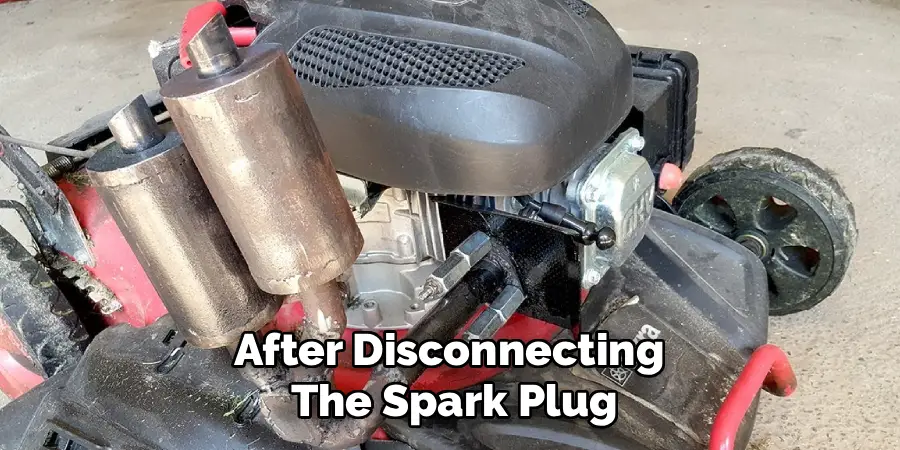
An often-overlooked source of noise and vibration is the mower blade itself. An unbalanced blade spins unevenly, causing the entire machine to shake violently, which creates a low, rumbling noise and puts stress on the engine shaft. After disconnecting the spark plug for safety, carefully remove the blade. Check it for bends, nicks, or other damage. A simple way to check the balance is to hang the blade on a nail on the wall; if it hangs level, it is balanced. If one side dips, you need to grind a small amount of metal off the heavier side until it balances. Sharpening the blade also helps, as a sharp blade cuts grass cleanly, reducing engine strain and the associated noise.
Step 4: Tighten All Bolts and Secure the Housing
Vibration is a major contributor to lawn mower noise. Over time, the constant shaking from the engine can cause bolts and screws all over the machine to loosen. This leads to rattling plastic covers, wobbly wheels, and vibrating handles. Take a few minutes with a wrench and screwdriver to go over the entire mower. Tighten the bolts that hold the engine to the deck, secure the handle assembly, and check any screws holding the plastic engine shroud or other covers in place. This simple maintenance task can eliminate many of the annoying rattles and buzzing sounds that add to the overall noise pollution, making for a smoother and quieter operation.
Step 5: Clean the Engine and Deck
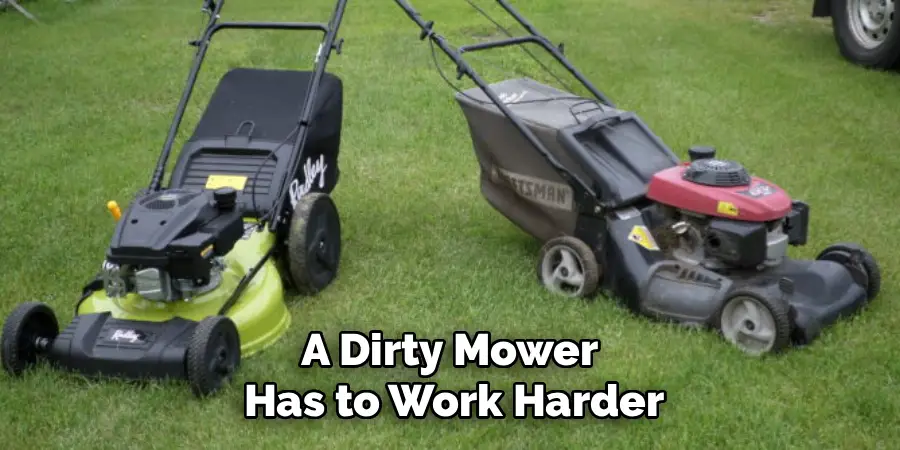
A dirty mower has to work harder, and a harder-working engine is a louder engine. Caked-on grass clippings under the deck can obstruct the blade’s rotation, causing drag and vibration. Similarly, a dirty engine covered in grass and debris cannot cool itself efficiently. This can lead to overheating, which makes the engine run less smoothly and more loudly. Regularly clean the underside of the mower deck with a putty knife or a pressure washer. Use a brush or compressed air to clear dirt and debris from the cooling fins on the engine block. A clean machine runs more efficiently, which in turn helps to reduce its operational noise.
Step 6: Perform a Full Engine Tune-Up
A poorly running engine is an inefficient and loud engine. Performing a basic tune-up can restore its smooth operation. This includes changing the oil, cleaning or replacing the air filter, and replacing the spark plug. A clogged air filter starves the engine of oxygen, forcing it to labor and create more noise. Old oil provides poor lubrication, increasing friction and engine wear. A fouled spark plug leads to incomplete combustion, resulting in sputtering and backfiring. Following your owner’s manual for these simple maintenance tasks will ensure the engine is running at its peak efficiency, which is a crucial part of learning how to make a lawn mower quiet.

Step 7: Build a Sound-Absorbing Engine Cover
If you have addressed all the mechanical sources of noise and still find your mower too loud, you can take a more advanced approach by adding sound-dampening material. This method involves creating a custom box or cover lined with automotive sound-deadening mats, mass-loaded vinyl, or heat-resistant foam. This cover fits over the engine to absorb and block the mechanical noise. You must be extremely careful to leave adequate space for airflow to the engine’s cooling fins and ensure the exhaust is not blocked, as overheating or trapping exhaust fumes can be very dangerous. While more complex, this modification can significantly reduce the high-frequency sounds the engine produces.
Benefits of Regular Maintenance
Regular maintenance of an engine offers numerous benefits, ensuring its longevity and optimal performance. By routinely checking and servicing components such as air filters, spark plugs, and oil levels, you can prevent costly repairs caused by wear and tear over time. Maintenance helps to improve fuel efficiency, as a well-tuned engine consumes less fuel while delivering better power. Additionally, it enhances safety by reducing the likelihood of breakdowns or mechanical failures during operation. Regular care also allows for the early detection of potential issues, which can be addressed before they escalate into major problems. Ultimately, maintaining your engine not only saves money but also provides peace of mind and reliability.
Frequently Asked Questions
Can I Just Put a Car Muffler on My Lawn Mower?
While theoretically possible, it is not a good idea. Car mufflers are designed for much larger engines with different backpressure requirements. Attaching one to a small lawn mower engine could restrict exhaust flow too much, causing the engine to overheat, lose power, and potentially fail. It is always best to use a muffler specifically designed for your mower’s engine size and model.

How Much Quieter Is an Electric Mower Than a Gas Mower?
The difference is substantial. A typical gas lawn mower operates at around 95 decibels (dB), which is loud enough to cause hearing damage with prolonged exposure. In contrast, a battery-powered electric mower usually operates between 65 and 75 dB. This is a massive reduction, as the decibel scale is logarithmic. A 75 dB mower sounds roughly one-quarter as loud as a 95 dB mower.
Does the Type of Gas I Use Affect the Noise Level?
The type of gas itself does not significantly change the noise level. However, using old, stale gas can cause the engine to run poorly, sputter, and backfire, which does create more noise. Always use fresh gasoline (less than 30 days old) with the octane rating recommended in your owner’s manual. Adding a fuel stabilizer to your gas can is a great way to keep it fresh for longer.
Why Is My Lawn Mower Making a Loud Squealing Noise?
A high-pitched squeal is usually not related to the engine exhaust but to a failing part.
- Belt Issues: On a self-propelled mower, a worn or slipping belt can cause a loud squeal.
- Blade Spindle: A failing bearing in the blade spindle or a bent spindle can also produce this sound.
- Wheel Bearings: Worn-out wheel bearings could be the culprit as well.
You should stop using the mower immediately and inspect these parts, as a failure could be dangerous.
Will a Quieter Muffler Reduce My Mower’s Power?
It can, but usually not by a noticeable amount for residential use. Mufflers work by creating backpressure to slow down exhaust gases, which quiets them. A more restrictive, “super quiet” muffler might create slightly more backpressure, which can theoretically cause a very minor reduction in peak horsepower. However, for cutting a typical lawn, this difference is almost always negligible.
Conclusion
Taming the roar of your lawn mower is an achievable goal that pays dividends in peace and quiet for both you and your neighbors. The process begins with the most critical component—the muffler—but does not end there. By taking a holistic approach that includes balancing the blade, tightening loose parts, and performing regular engine maintenance, you can address the various sources of noise that contribute to the overall racket. A well-maintained machine is not only quieter but also more efficient and longer-lasting. Now that you have a clear roadmap on how to make a lawn mower quiet, you can confidently take on this project and transform your weekend chore into a much more pleasant experience.

About
Outdoor Fixes is a distinguished figure in the world of Diy design, with a decade of expertise creating innovative and sustainable Diy solutions.
His professional focus lies in merging traditional craftsmanship with modern manufacturing techniques,
fostering designs that are both practical and environmentally conscious. As the author of diy,
outdoorfixes delves into the art and science of outdoorfixes-making, inspiring artisans and industry professionals alike.
Education RMIT University
(Melbourne, Australia) Associate Degree in Design (Outdoor Fixes) Focus on sustainable design, industry-driven projects,
and practical craftsmanship. Gained hands-on experience with traditional and digital manufacturing tools, such as CAD and CNC software.
Nottingham Trent University
(United Kingdom) Bachelor’s in outdoorfixes.com and Product Design (Honors) Specialized in product design with a focus on blending creativity with production
techniques. Participated in industry projects, working with companies like John Lewis and Vitsoe to gain real-world insights.
Publications and Impact
In diy, Outdoor Fixes his insights on indoor design processes, materials, and strategies for efficient production.
His writing bridges the gap between artisan knowledge and modern industry needs, making it a must-read for both budding designers and seasoned professionals.