
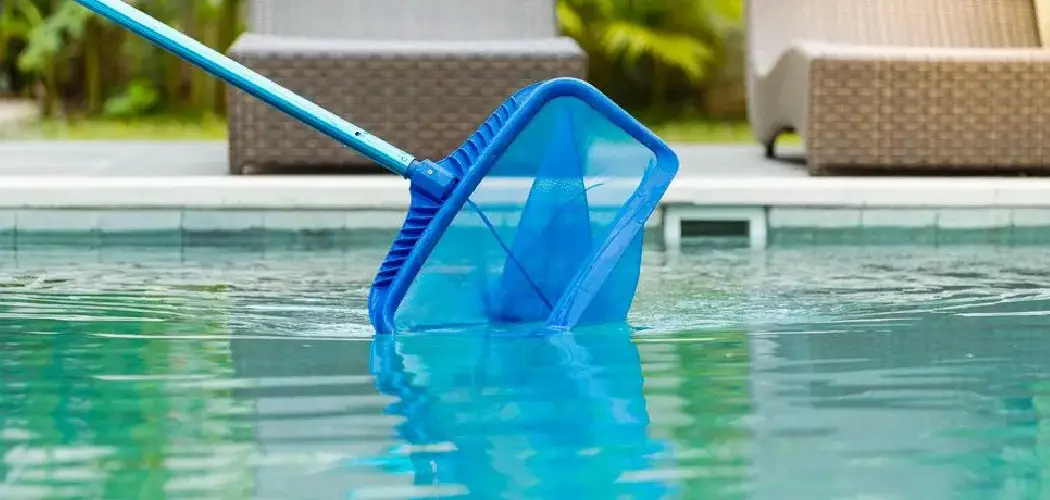
Your pool skimmer is the first line of defense against floating debris, tirelessly pulling leaves, bugs, and pollen from the water’s surface before they have a chance to sink and decay. When it works correctly, it is a silent, efficient guardian that keeps your pool looking pristine and reduces the strain on your filter system.
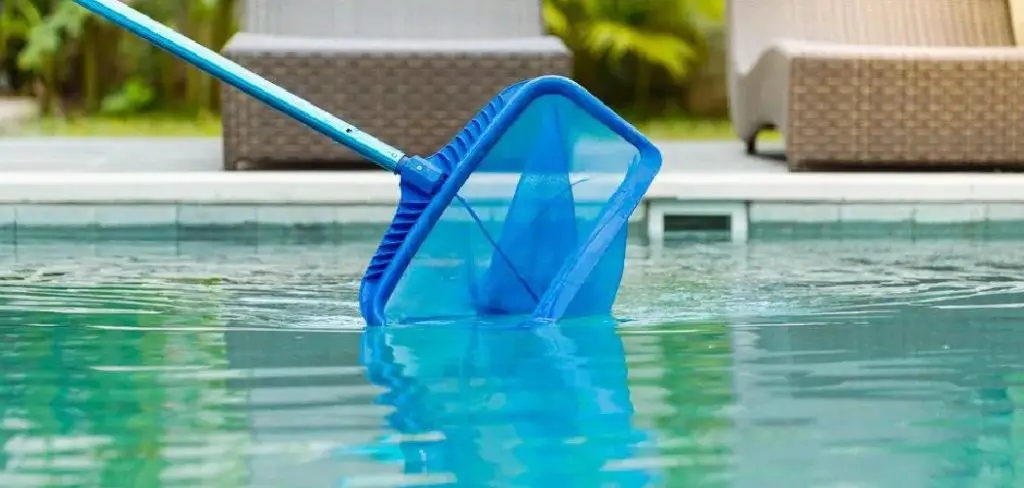
However, when its performance drops, you will quickly notice a film of debris collecting on the water, turning your backyard oasis into a less-than-inviting pond. Many pool owners assume a weak skimmer means an expensive pump problem, but often, simple maintenance is all that is needed.
This guide will show you how to make pool skimmer work better through a series of easy, actionable steps, restoring its suction power and ensuring a cleaner, healthier swimming environment.
A properly functioning pool skimmer is essential for maintaining crystal-clear water and reducing the workload on your pool’s filtration system. It efficiently removes debris like leaves, insects, and other contaminants before they sink to the bottom, keeping your pool inviting and clean. When the skimmer isn’t working effectively, not only does it make pool maintenance more challenging, but it can also lead to higher expenses in the long run. Thankfully, enhancing your skimmer’s performance doesn’t have to be complicated or costly.
Why Is Skimmer Performance Important?
Your pool skimmer plays a vital role in maintaining water quality and overall pool hygiene. By capturing surface debris before it sinks, the skimmer helps prevent the buildup of organic matter, which can lead to algae growth and bacterial contamination.
A well-functioning skimmer also reduces the strain on your filtration system, helping it last longer and operate more efficiently. Additionally, by keeping the water surface clear, the skimmer ensures a more enjoyable swimming experience, free from floating debris that can make the pool look unappealing.
Prioritizing skimmer performance not only saves you time and money but also contributes to a healthier and cleaner pool environment.
Step-by-Step Guide on How to Make Pool Skimmer Work Better
Step 1: Cleaning of the Skimmer Basket
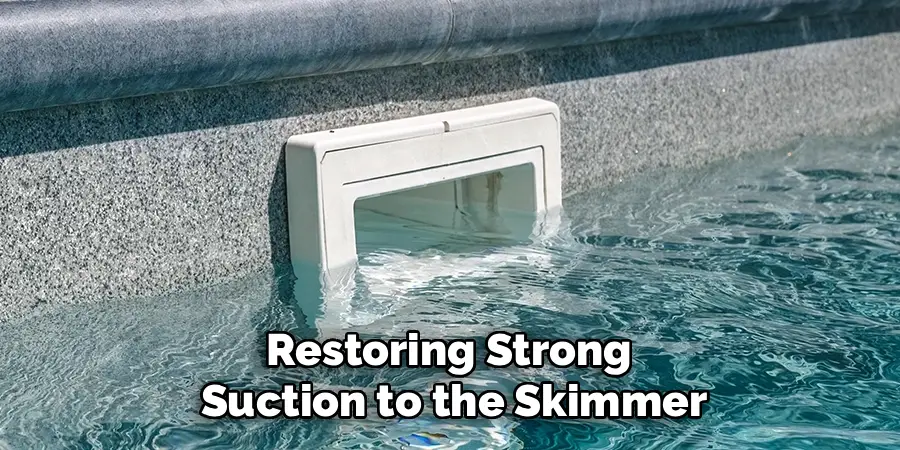
The most common cause of a poorly performing skimmer is also the easiest to fix: a full skimmer basket. This plastic basket is designed to catch large debris like leaves and twigs. Once it becomes clogged, water flow is severely restricted, which cripples the skimmer’s suction power.
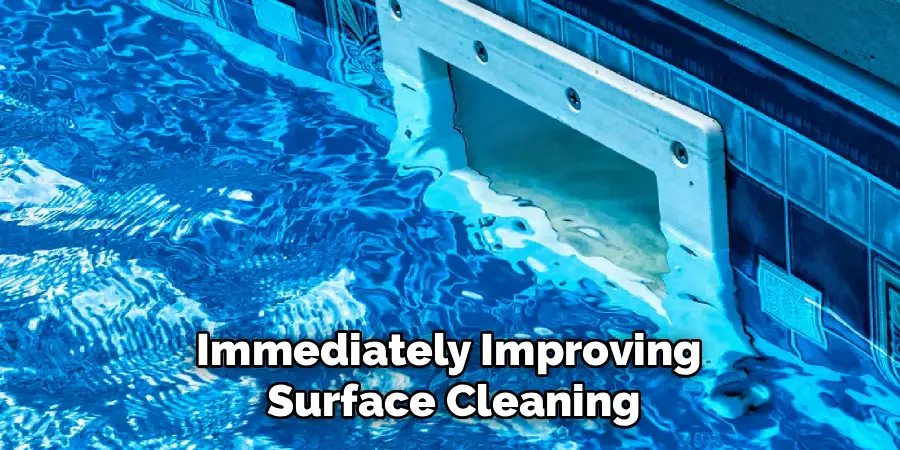
At least once a week, or more often after a storm, you must turn off your pool pump and remove the skimmer lid. Lift out the basket and empty its contents. Use a hose to give it a good rinse, dislodging any smaller bits of debris stuck in the mesh. A clean basket allows for maximum water flow to the pump, immediately improving surface cleaning.
Step 2: Ensure the Weir Door
The weir door is the small, floating flap at the mouth of your skimmer. It plays a crucial role in the skimming process. As the pump pulls water in, the weir door bobs and creates a current that draws surface water and debris into the basket more effectively.
It also prevents captured debris from floating back out into the pool when the pump is turned off. Check to ensure the weir door can move freely and isn’t stuck in an open or closed position.
Sometimes, a small twig or toy can get lodged in the hinge. A broken or missing weir door should be replaced immediately, as it is a simple, inexpensive part that dramatically boosts skimming efficiency.
Step 3: Check the Water Level
Your pool’s water level has a direct impact on the skimmer’s ability to do its job. For optimal performance, the water level should be about halfway up the skimmer’s opening. If the water is too high, the surface tension will be too great, and the skimmer will not be able to effectively pull in floating debris.
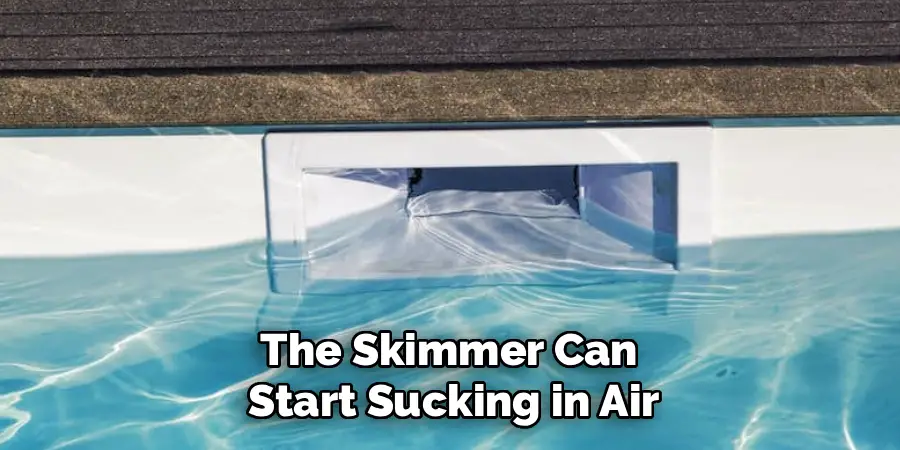
If the water level is too low, the skimmer can start sucking in air. This not only stops the skimming action but can also cause your pump to lose its prime, run dry, and suffer catastrophic damage. Regularly check your water level and add more water as needed to keep it in that perfect mid-skimmer range.
Step 4: Clean the Pool Pump Basket
If you have cleaned the skimmer basket and the suction is still weak, the next place to check is the pump’s own lint and hair pot. This is another basket located inside the pool pump, serving as a secondary defense to protect the pump’s impeller from being damaged by debris that gets past the skimmer.
To clean it, turn off the power to the pump at the circuit breaker. Relieve any pressure in the system using the air relief valve on your filter. Then, unscrew the clear pump lid, pull out the basket, and empty its contents. A clogged pump basket chokes the entire circulation system, drastically reducing the skimmer’s suction.
Step 5: Backwash or Clean Your Pool Filter
The entire circulation system is interconnected. If the final component in the line—the filter—is dirty and clogged, it creates back pressure that resists the flow of water. This resistance weakens the suction force of the pump, which in turn makes the skimmer less effective.
If you have a sand or D.E. filter, check the pressure gauge. If the pressure is 8-10 PSI above its clean starting pressure, it is time to backwash. If you have a cartridge filter, you will need to turn off the pump, remove the cartridges, and hose them down thoroughly. A clean filter allows the pump to pull water freely, restoring strong suction to the skimmer.
Step 6: Adjust the Suction Lines
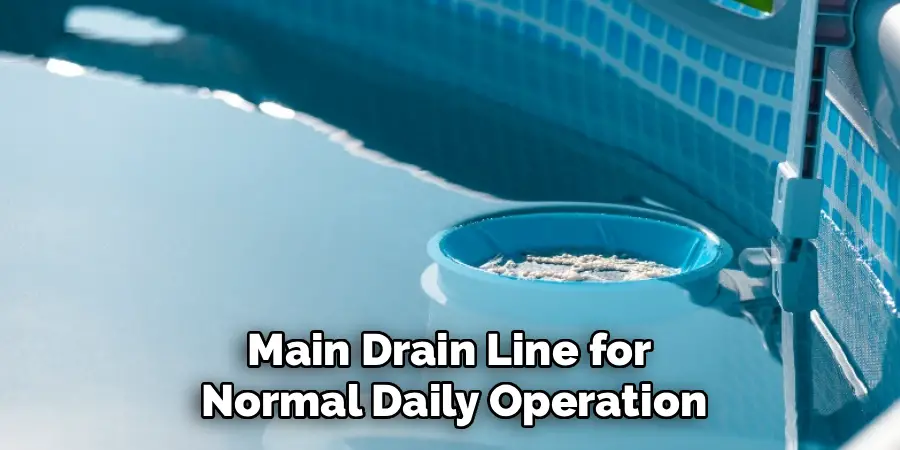
Many pools have more than one suction line running to the pump, typically one from the main drain at the bottom of the pool and one from the skimmer. These are often controlled by a diverter valve located near the pump.
To maximize surface cleaning, you can adjust this valve to pull more water from the skimmer and less from the main drain. By turning the valve handle, you can isolate the skimmer line, which will direct the pump’s full suction power to the surface.
This is an excellent strategy for clearing up a large amount of floating debris after a party or a windy day. Just remember to partially reopen the main drain line for normal daily operation.
Step 7: Look for and Clear Clogs in the Plumbing
If you have cleaned all the baskets and the filter, and suction is still poor, you may have a clog in the underground plumbing between the skimmer and the pump. This is more serious but can often be cleared without a professional.
One effective tool is a “Drain King” or a similar bladder-style hose attachment. You insert it into the skimmer pipe (at the pump end, with the pump off), and it uses water pressure to blast the clog back out into the pool where it can be netted.
This can dislodge stubborn blockages made of compacted leaves, small toys, or other debris that found its way into the line.
Step 8: Address Any Potential Air Leaks in the System
Air is the enemy of pool pump suction. If air is getting into the plumbing anywhere on the suction side (the lines leading to the pump), it will disrupt the vacuum and weaken the skimmer. The most common culprit is a bad o-ring on the pool pump lid.
Turn the pump on and look closely at the clear lid; if you see a stream of tiny bubbles or the water level inside is low, you likely have an air leak. Inspect the pump lid o-ring for cracks and wear. Lubricating it with a silicone-based o-ring lube or replacing it entirely is an easy and inexpensive fix that can dramatically restore skimmer performance.
Step 9: Aim Your Return Jets Correctly
The return jets are the fittings on the pool wall that push clean, filtered water back into the pool. How you position them can have a significant effect on your skimmer’s efficiency. By aiming the return jets slightly downwards and in a circular direction, you can create a gentle current on the water’s surface.
This current helps to push floating leaves and debris around the perimeter of the pool and guide it directly toward the mouth of the skimmer. It turns your entire pool into a giant, slow-moving whirlpool that essentially force-feeds debris to the skimmer, making its job much easier and more effective.
Step 10: Consider a Skimmer Enhancer or Accessory
If you have tried everything and want to give your system an extra boost, there are several products designed to improve skimming. A skimmer diverter, for example, is a small, plate-like accessory that attaches to your weir door and focuses suction over a wider area, increasing its effective range.
Another popular item is a “skimmer sock,” a fine mesh fabric sock that fits inside your skimmer basket. It catches very fine particles like pollen, dust, and hair that would normally pass through the basket and clog your filter, thereby keeping the entire system cleaner for longer. These small additions can fine-tune your skimming performance.
Common Issues That Impact Their Efficiency
While pool skimmers are essential for maintaining water clarity and cleanliness, they can encounter a range of common issues that impact their efficiency.
One frequent problem is clogging, often caused by debris like leaves, bugs, and other objects that accumulate in the skimmer basket. Over time, this can restrict water flow and put added stress on the pump. Another issue is inadequate suction, which may result from air leaks in the skimmer line or a blockage in the plumbing.
Lastly, cracks or damage to the skimmer body or weir can reduce its ability to function properly, leading to water loss or poor debris collection. Regular maintenance, such as clearing debris and inspecting for damage, is crucial to address these issues promptly and keep the skimmer operating optimally.
Frequently Asked Questions
Why Is My Skimmer Not Sucking at All?
If there is absolutely no suction, there are a few likely causes.
- The pump is not primed or has lost its prime due to an air leak or low water level.
- The skimmer line is completely clogged with debris.
- A valve is closed, completely blocking the skimmer line from the pump.
- The pump impeller is severely clogged or broken.
Always start by checking for obvious blockages and ensuring the pump is primed with water.
How Often Should I Clean My Skimmer Basket?
You should check and clean your skimmer basket at least once a week as part of your regular pool maintenance routine. However, during periods of heavy debris, such as in the fall when leaves are dropping or after a storm, you should check it daily. A full basket can restrict water flow and put unnecessary strain on your pool pump.
What Is the Flap on the Skimmer for?
That flap is called a weir door. It serves two important functions. First, it bobs in the water to create a stronger surface current, which helps pull debris into the skimmer more effectively. Second, when the pump shuts off, the weir door floats into a closed position, trapping the collected leaves and debris inside the basket and preventing them from floating back out into the pool.
Can a Skimmer Pull in Too Much Air?
Yes, and it is very damaging. If your pool’s water level drops below the skimmer opening, the skimmer will begin to suck in large amounts of air. This causes the pump to lose its prime (the solid column of water it needs to operate). The pump will then run dry, which can cause it to overheat and burn out its motor or melt its internal seals in a matter of minutes.
How Do I Know If I Have a Clog in My Skimmer Line?
A good test is to check the suction difference between your skimmer and your main drain. If you close the main drain line at the diverter valve and notice very little increase in suction at the skimmer, you likely have a clog in that underground pipe. You may also notice the pump basket does not fill up with water completely when only the skimmer line is open.
Conclusion
A powerful and efficient skimmer is fundamental to maintaining a beautiful, debris-free pool with minimal effort. While weak suction can seem like a complex problem, the solution often lies in simple, routine maintenance. By regularly cleaning baskets, maintaining the proper water level, ensuring your filter is clean, and checking for air leaks, you address the most common issues that hinder performance. A few strategic adjustments, like directing your return jets and managing your suction valves, can further optimize the entire system. Now that you have a comprehensive guide on how to make pool skimmer work better, you are empowered to take control of your pool’s circulation and enjoy a flawlessly clean surface all season long.

About
Outdoor Fixes is a distinguished figure in the world of Diy design, with a decade of expertise creating innovative and sustainable Diy solutions.
His professional focus lies in merging traditional craftsmanship with modern manufacturing techniques,
fostering designs that are both practical and environmentally conscious. As the author of diy,
outdoorfixes delves into the art and science of outdoorfixes-making, inspiring artisans and industry professionals alike.
Education RMIT University
(Melbourne, Australia) Associate Degree in Design (Outdoor Fixes) Focus on sustainable design, industry-driven projects,
and practical craftsmanship. Gained hands-on experience with traditional and digital manufacturing tools, such as CAD and CNC software.
Nottingham Trent University
(United Kingdom) Bachelor’s in outdoorfixes.com and Product Design (Honors) Specialized in product design with a focus on blending creativity with production
techniques. Participated in industry projects, working with companies like John Lewis and Vitsoe to gain real-world insights.
Publications and Impact
In diy, Outdoor Fixes his insights on indoor design processes, materials, and strategies for efficient production.
His writing bridges the gap between artisan knowledge and modern industry needs, making it a must-read for both budding designers and seasoned professionals.