
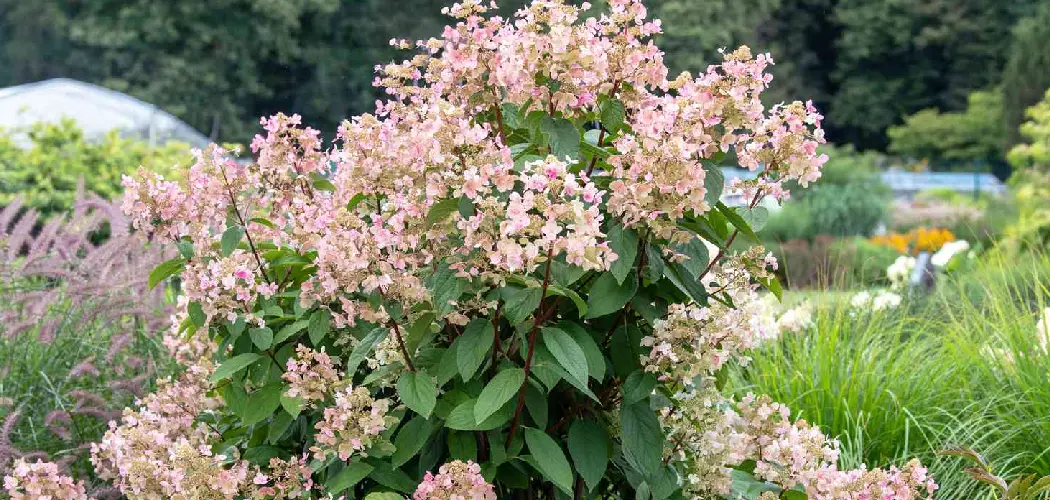
Gardening enthusiasts and homeowners alike know the joy of a well-maintained garden, but achieving the perfect blooms can sometimes feel challenging. Enter the Quick Fire Hydrangea—a resilient, stunning shrub that can elevate any garden with its rapid growth and beautiful flowers.
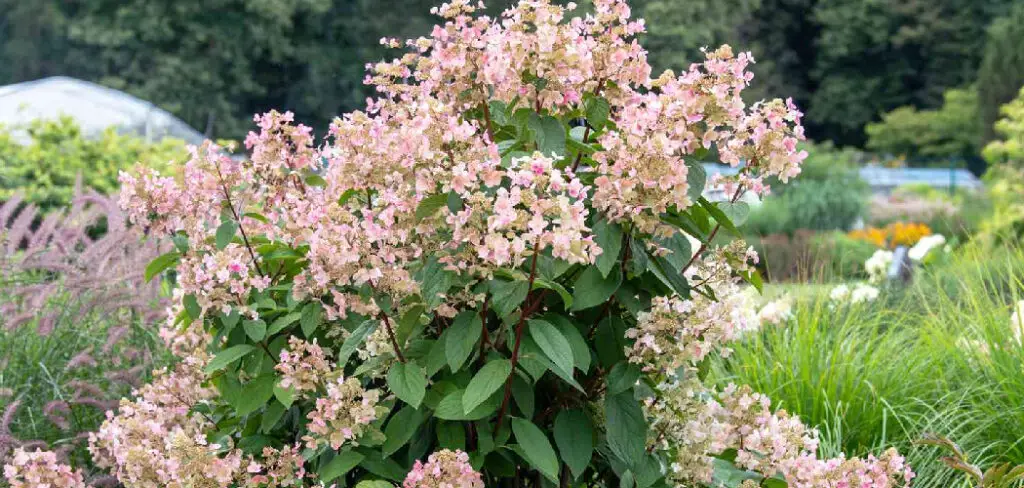
However, to keep it thriving and looking its best, proper pruning is essential. This blog post will guide you through how to prune quick fire hydrangea, including when to prune, how to do it, and tips to ensure a healthier plant and more vibrant blooms.
Why Pruning is Essential for Quick Fire Hydrangea
Pruning is more than just a gardening chore; it’s a vital practice that contributes to the health and aesthetics of your Quick Fire Hydrangea. By removing dead or unhealthy branches, you allow more sunlight and air to reach the inner parts of the plant, promoting healthier growth.
Additionally, proper pruning encourages more abundant and vibrant blooms, making your garden a true showstopper. Neglecting this task can lead to a tangled, overgrown shrub that not only looks untidy but also struggles to produce its signature blossoms.
Understanding Quick Fire Hydrangea
Before we dive into the specifics of pruning, it’s crucial to understand what makes Quick Fire Hydrangea unique. Known for its early blooming season and rapid growth, this variety of hydrangea can reach up to six feet in height and width.
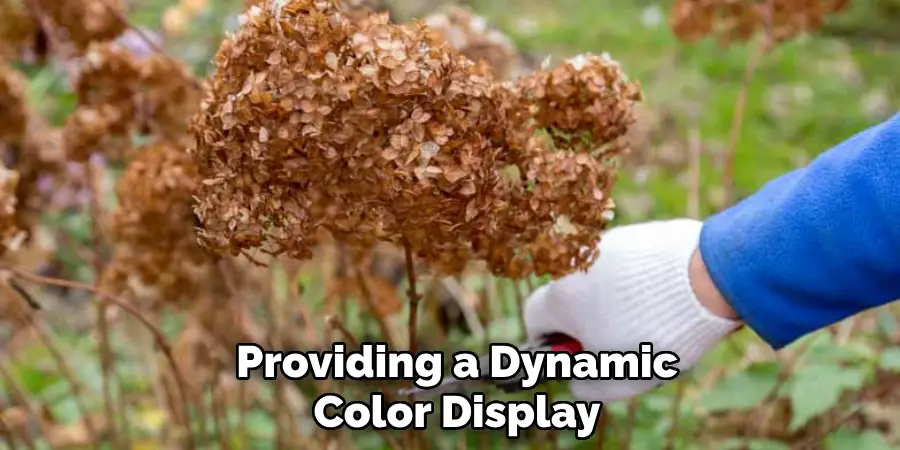
It boasts a cascade of white flowers that gradually turn pink, providing a dynamic color display throughout the season. Its hardiness makes it a favorite for many gardeners who want a low-maintenance yet visually striking plant.
The Best Time to Prune Quick Fire Hydrangea
Timing is everything when it comes to pruning Quick Fire Hydrangea. The ideal time to prune is during late winter or early spring before new growth begins. This timing ensures that you won’t accidentally remove any buds that will bloom in the coming season. Pruning at this stage also allows the plant to direct its energy towards producing new, healthy branches and flowers.
Late Winter Pruning
Late winter pruning ensures that you catch the plant while it’s still dormant. This is the safest time to remove dead wood and shape the plant without hindering its growth. It’s also easier to see the structure of the shrub without the leaves obstructing your view.
Early Spring Pruning
If you miss the late winter window, early spring is your next best option. Just be sure to prune before any significant new growth starts. This is usually indicated by swelling buds, which signal the plant’s readiness to burst into bloom.
Avoid Summer and Fall Pruning
While it might be tempting to tidy up your garden in the summer or fall, this is not the best time for pruning Quick Fire Hydrangeas. Pruning during these seasons can remove next year’s buds and lead to fewer flowers. Additionally, cuts made during this time may not heal properly, leaving the plant vulnerable to disease and pests.
Tools You’ll Need for Pruning
Having the right tools on hand can make the pruning process smoother and more effective. For Quick Fire Hydrangeas, you’ll need a pair of sharp pruning shears, loppers for thicker branches, and potentially a pruning saw if your plant is particularly large or mature. Make sure your tools are clean and sharp to avoid damaging the plant and to ensure clean cuts that will heal quickly.
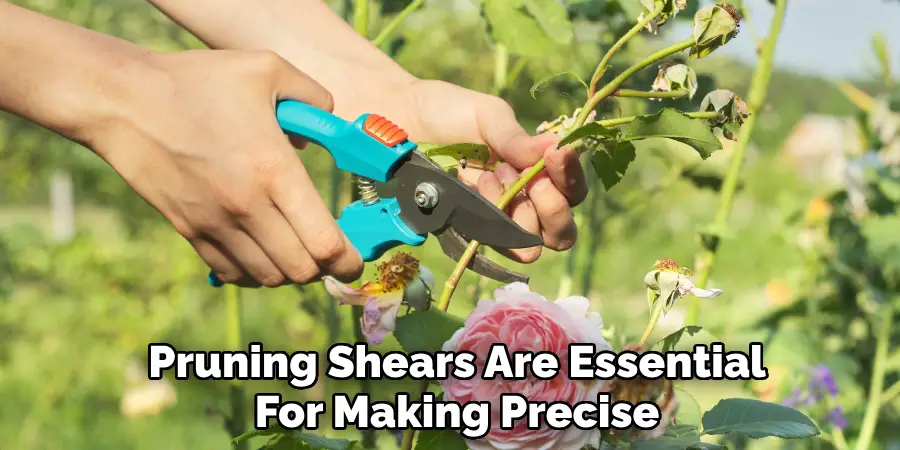
Pruning Shears
Pruning shears are essential for making precise cuts on smaller branches and stems. These will be your primary tool for most of the pruning tasks.
Loppers
Loppers are designed to cut through thicker branches that pruning shears can’t handle. They provide the leverage needed to make clean cuts through more substantial stems.
Pruning Saw
For the largest branches, a pruning saw might be necessary. This tool is especially useful for older, more established plants that have developed thicker stems over the years.
Step-by-Step Guide on How to Prune Quick Fire Hydrangea
Now that you know when to prune and what tools to use, it’s time to get down to the actual process. Follow these steps to ensure you’re pruning effectively and safely.
Step 1: Remove Dead and Damaged Wood
Start by identifying any dead or damaged branches. These can be removed at any time of the year, as they do not contribute to the plant’s health. Use your pruning shears or loppers to cut these branches back to the base.
Step 2: Thin Out the Plant
Next, thin out the plant by removing some of the older, thicker branches. This helps improve air circulation and light penetration, which are crucial for the plant’s overall health. Aim to remove about one-third of the oldest stems.
Step 3: Shape the Plant
Once you’ve thinned out the plant, shape it to your desired form. Focus on maintaining an open center to facilitate airflow and prevent disease. Trim back any overly long branches to maintain a balanced appearance.
Tips for Maintaining Healthy Quick Fire Hydrangeas
Pruning is just one part of maintaining healthy Quick Fire Hydrangeas. Here are some additional tips to keep your plant thriving:
Regular Watering
Quick Fire Hydrangeas prefer consistent moisture, especially during dry spells. Ensure the soil is well-draining to prevent root rot.
Mulching
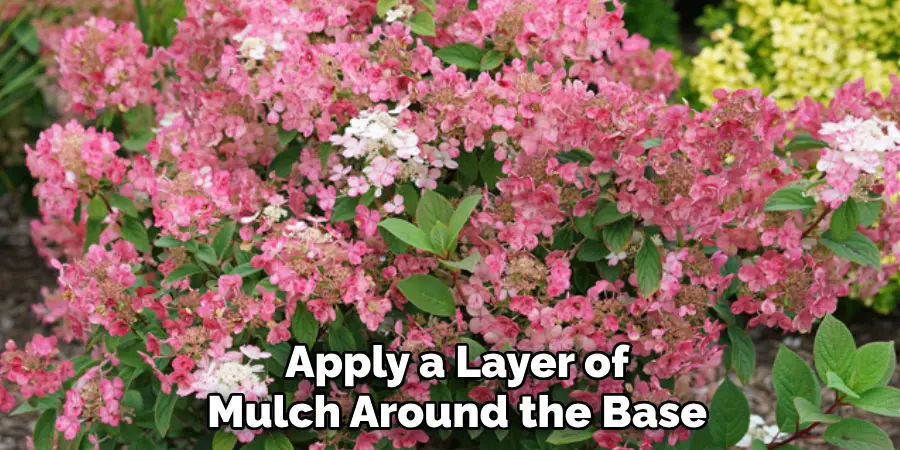
Apply a layer of mulch around the base of the plant to retain moisture and regulate soil temperature. Mulch also helps suppress weeds that might compete for nutrients.
Fertilizing
Feed your hydrangea with a balanced fertilizer in the spring to promote robust growth and vibrant blooms. Be cautious not to over-fertilize, as this can lead to excessive leafy growth at the expense of flowers.
Common Mistakes to Avoid When Pruning
Even experienced gardeners can make mistakes when pruning. Avoid these common pitfalls to ensure your Quick Fire Hydrangea remains healthy and beautiful.
Over-Pruning
It’s easy to get carried away, but over-pruning can weaken the plant and reduce its ability to produce flowers. Stick to the recommended guidelines for the best results.
Pruning at the Wrong Time
Pruning during the wrong season can result in fewer blooms and increased susceptibility to disease. Always aim for late winter or early spring for optimal results.
Using Dull Tools
Dull tools can crush and tear branches instead of making clean cuts, leading to increased risk of disease. Always ensure your tools are sharp and clean.
Encouraging More Blooms with Proper Pruning
Strategic pruning can significantly enhance the number of blooms your Quick Fire Hydrangea produces. By focusing on removing old wood and encouraging new growth, you create more opportunities for the plant to produce flowers.
Stimulate New Growth
Pruning encourages new, vigorous growth that is more likely to produce abundant blooms. This is especially important for older plants that may have become leggy or sparse.
Focus on Buds
When pruning, pay attention to where the buds are located. Cut just above a set of healthy buds to encourage more robust flowering in the new season.
Consistent Care
Regular, annual pruning ensures that your Quick Fire Hydrangea remains healthy and productive year after year. Consistency is key to maintaining a beautiful, blooming plant.
The Role of Pruning in Disease Prevention
Pruning plays a critical role in preventing diseases that can affect Quick Fire Hydrangeas. By removing dead or diseased wood, you reduce the chances of fungal infections and other issues that can compromise the plant’s health.
Improve Air Circulation
An open, well-pruned plant has better air circulation, which helps prevent fungal diseases. Good airflow dries out the foliage more quickly after rain, reducing the likelihood of infections.
Remove Infected Branches
If you notice any signs of disease, such as discolored leaves or stems, prune these parts immediately to prevent the spread to the rest of the plant.
Clean Tools
Always clean your pruning tools before and after use to prevent transferring diseases from one plant to another. A simple solution of bleach and water can effectively sterilize your tools.
Integrating Quick Fire Hydrangea into Your Garden Design
Quick Fire Hydrangea is not only a standout plant on its own but also integrates beautifully into various garden designs. Here are some ideas to help you incorporate this stunning shrub into your landscape.
Focal Point
Use Quick Fire Hydrangea as a focal point in your garden. Its striking blooms and rapid growth make it an eye-catching centerpiece.
Companion Planting
Pair Quick Fire Hydrangea with other flowering shrubs and perennials that complement its color and texture. Consider plants like hostas, daylilies, and ornamental grasses.
Hedge or Border
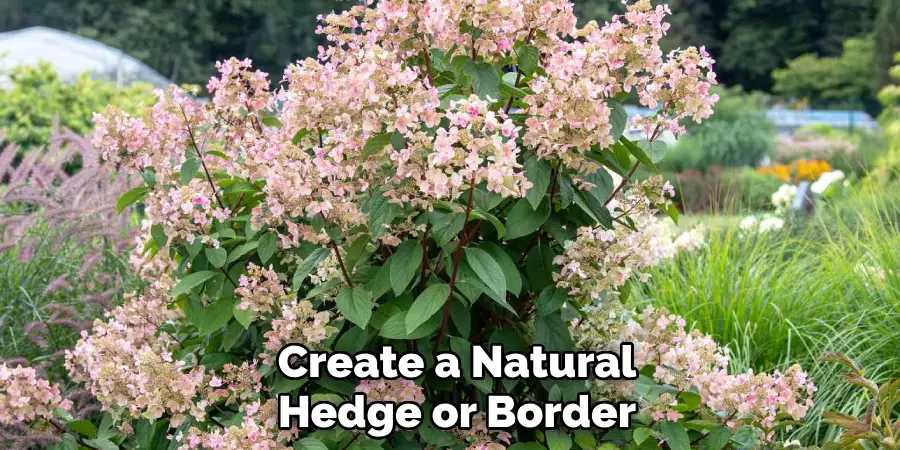
Plant Quick Fire Hydrangeas in a row to create a natural hedge or border. This not only adds visual interest but also provides privacy and structure to your garden.
Conclusion
Pruning your Quick Fire Hydrangea may seem daunting at first, but with the right knowledge and tools, it becomes a rewarding task that greatly benefits your garden. By following these guidelines, you’ll ensure your plant remains healthy, vibrant, and a true showstopper in your landscape.
Remember, gardening is both an art and a science.
Don’t be afraid to experiment and find what works best for your specific environment. And if you’re looking for more personalized advice, consider reaching out to local gardening clubs or professionals who can offer tailored recommendations. Thanks for reading, and we hope this has given you some inspiration on how to prune quick fire hydrangea!

About
Outdoor Fixes is a distinguished figure in the world of Diy design, with a decade of expertise creating innovative and sustainable Diy solutions.
His professional focus lies in merging traditional craftsmanship with modern manufacturing techniques,
fostering designs that are both practical and environmentally conscious. As the author of diy,
outdoorfixes delves into the art and science of outdoorfixes-making, inspiring artisans and industry professionals alike.
Education RMIT University
(Melbourne, Australia) Associate Degree in Design (Outdoor Fixes) Focus on sustainable design, industry-driven projects,
and practical craftsmanship. Gained hands-on experience with traditional and digital manufacturing tools, such as CAD and CNC software.
Nottingham Trent University
(United Kingdom) Bachelor’s in outdoorfixes.com and Product Design (Honors) Specialized in product design with a focus on blending creativity with production
techniques. Participated in industry projects, working with companies like John Lewis and Vitsoe to gain real-world insights.
Publications and Impact
In diy, Outdoor Fixes his insights on indoor design processes, materials, and strategies for efficient production.
His writing bridges the gap between artisan knowledge and modern industry needs, making it a must-read for both budding designers and seasoned professionals.