
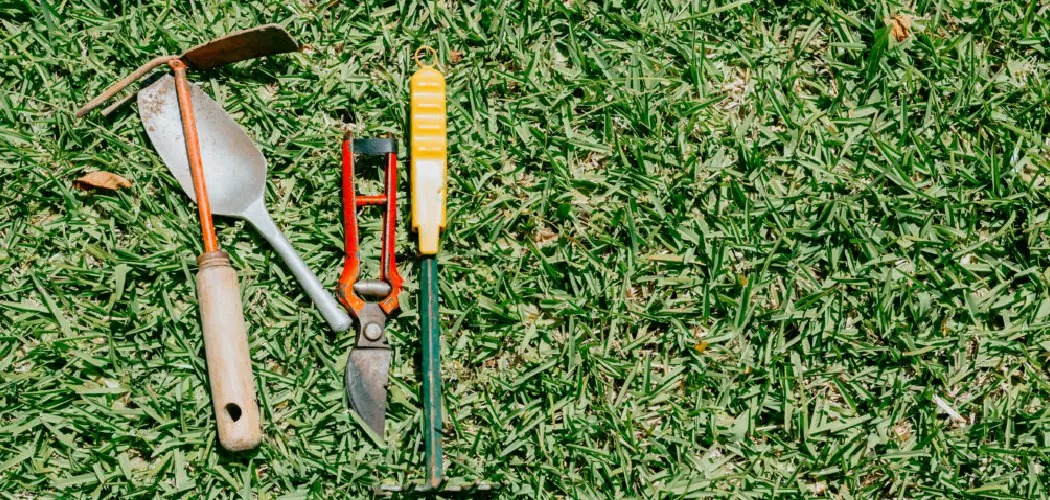
Of all the tools in a gardener’s shed, the humble hoe is one of the oldest and most effective. For centuries, this simple implement has been the key to maintaining a clean, weed-free garden without back-breaking labor. Yet, many new gardeners overlook it or use it incorrectly, resorting to tedious hand-pulling for every sprout that appears. A garden hoe is far more than just a weed chopper; it is a versatile tool for creating furrows, mounding soil, and breaking up surface crust.
Using it properly not only saves time and effort but also promotes a healthier garden by minimizing soil disturbance. This guide is designed for the beginner who wants to master this essential skill. We will explain the different types of hoes and provide a clear, step-by-step tutorial on how to use a garden hoe to transform your weeding chores from a dreaded task into a quick and satisfying activity.
The Different Types of Garden Hoes
Before we dive into the steps on how to use a garden hoe, it’s essential to understand the different types of hoes available. Each type has its unique purpose and design, making them suitable for different gardening tasks.
1. Standard Hoe
This is the most common type of garden hoe, also known as a “draw” or “eye” hoe. It features a long handle with a flat blade attached perpendicularly at the end.
This type of hoe is versatile and can be used for multiple tasks, such as weeding, cultivating, and creating furrows.
2. Scuffle Hoe
Also known as a “stirrup” hoe, this type features a blade that looks like a stirrup attached to the end of the handle. It is designed for shallow cultivation and weeding by chopping through soil while in a back-and-forth motion.
3. Warren Hoe
This type of hoe has a triangular-shaped blade with sharp edges on all three sides. The pointed tip makes it suitable for removing weeds from tight spaces and between plants without disturbing their roots.
4. Dutch Hoe
Also known as a “push” or “draw” hoe, this type features a flat rectangular blade attached horizontally to the handle. It is ideal for creating furrows and preparing beds for planting seeds.
Step-by-Step Guide on How to Use a Garden Hoe
Step 1: Choose the Right Hoe for the Job
Not all hoes are created equal. The first step to effective use is matching the tool to the task. The two most common types are draw hoes and scuffle hoes. A draw hoe, or paddle hoe, has a blade angled at 90 degrees to the handle and is used with a chopping or pulling motion. It is best for heavy-duty weeding and moving soil.
A scuffle hoe, also known as a stirrup or action hoe, has a blade that is parallel to the ground. It is designed to be pushed and pulled just below the soil surface to slice off young weeds at the root. For general-purpose weeding between rows, a scuffle hoe is often faster and less strenuous for beginners.
Step 2: Adopt the Proper Stance and Grip

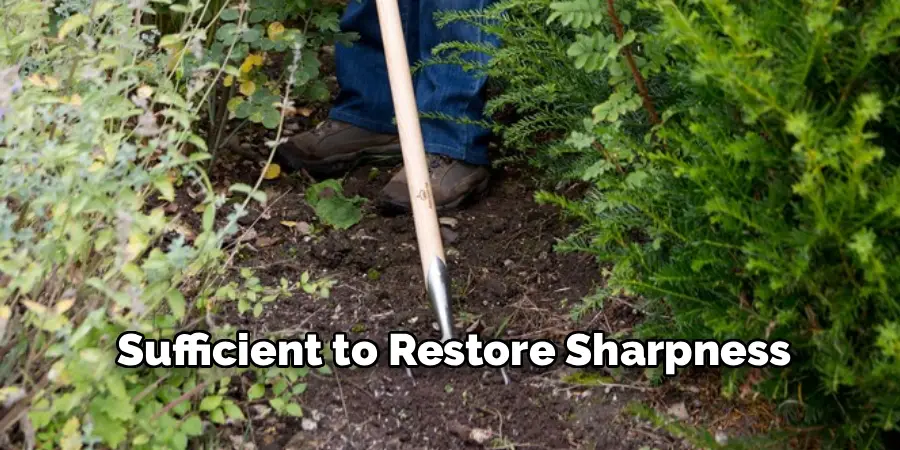
Using a garden hoe should not be a strain on your back. The key is to let the tool do the work by using proper body mechanics. Stand upright with a straight back, feet shoulder-width apart, and a slight bend in your knees. Hold the hoe with a comfortable grip, placing one hand near the top of the handle and the other about halfway down.
This two-handed grip gives you maximum control and leverage. Avoid hunching over or bending at the waist, as this will lead to fatigue and lower back pain. Your movement should come from your arms and core, not from straining your back. A relaxed, upright posture is fundamental to mastering how to use a garden hoe efficiently.
Step 3: The Scuffle Technique
The scuffle hoe is perfect for clearing out young, newly sprouted weeds. The technique is simple and fluid. Place the flat blade on the soil surface and use a push-and-pull motion, like you are mopping a floor. The sharpened edges of the blade will slice through the weed stems just below the soil line as you move it back and forth. You only need to penetrate the top inch of soil. This shallow cultivation effectively kills the weeds without bringing dormant weed seeds to the surface, which is a common problem with deep tilling. This method is incredibly fast and efficient for maintaining clear paths and areas between established plants.
Step 4: Mastering the Draw Hoe for Heavy Weeds
For larger, more established weeds or for tasks like creating planting furrows, the draw hoe is your tool of choice. Stand with the area you want to work on in front of you. Use a chopping motion to drive the blade into the ground just behind the weed, then pull the hoe toward you.
The blade will dig into the soil and dislodge the entire weed, root and all. This “chop and pull” motion is also ideal for mounding soil around the base of plants like potatoes or for digging shallow trenches for planting seeds. The draw hoe is a power tool that requires a bit more effort, but it is unmatched for heavy-duty tasks.
Step 5: Work When the Soil Is Dry
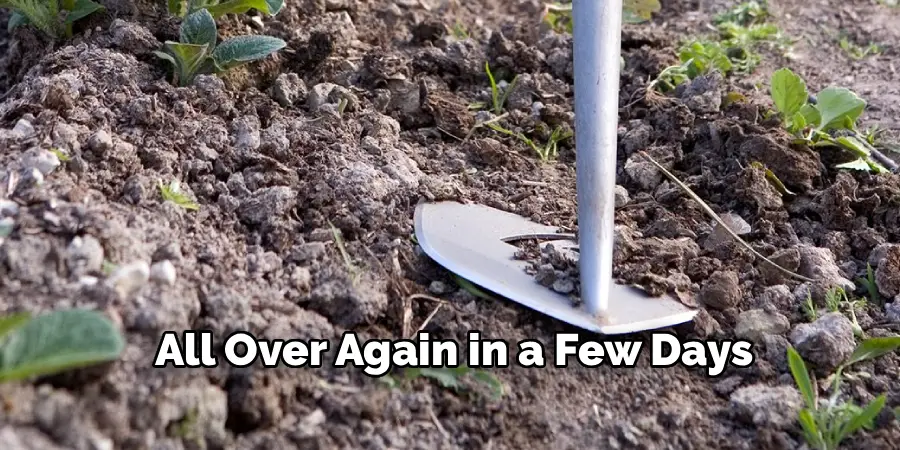
The best time to weed with a hoe is on a dry, sunny day when the soil is not damp or muddy. There are two main reasons for this. First, a hoe moves much more easily through dry, crumbly soil than through heavy, wet clay. Tugging a blade through mud is exhausting and messy. Second, when you slice off weeds in dry conditions, they will quickly wither and die on the hot soil surface. If you hoe in wet soil, the uprooted weeds have a much better chance of re-rooting themselves, meaning you will just have to do the job all over again in a few days. Timing your weeding correctly makes the task significantly more effective.
Step 6: Get Close to Plants with Precision
One of the biggest advantages of a hoe over a large tiller is its precision. You can carefully remove weeds growing just inches away from your precious vegetables or flowers without damaging their roots. For this delicate work, use the corners of your hoe blade. A triangular or diamond-shaped hoe is especially good for this. Use short, careful strokes to slice away the weeds in these tight spaces.
Pay close attention to the location of your plant’s main stem and shallow roots. This targeted approach allows you to keep the area immediately around your plants clean, reducing competition for water and nutrients and ensuring your crops get everything they need to thrive.
Frequently Asked Questions
What Is the Best Type of Garden Hoe for a Beginner?
For general weeding, a scuffle hoe (also called a stirrup, action, or hula hoe) is usually the best choice for a beginner. Its push-pull motion is intuitive, requires less physical strength than a traditional draw hoe, and is very effective on young weeds. It allows you to weed from an upright position, which helps prevent back strain, making it a comfortable and efficient tool for garden maintenance.
How Do I Sharpen My Garden Hoe?
Sharpening a hoe is simple and makes a huge difference.
- Secure the hoe in a vise or hold it firmly.
- Use a 10-inch mill file.
- Place the file on the cutting edge at the same angle as the factory bevel (usually 45 degrees).
- Push the file away from you in smooth, even strokes along the entire edge.
- Filing in one direction creates a cleaner edge. A few passes are usually sufficient to restore sharpness.
Should I Hoe When the Ground Is Wet or Dry?
Always try to hoe when the soil is relatively dry. A hoe glides more easily through dry, crumbly soil. More importantly, weeds that are uprooted in dry, sunny conditions will quickly desiccate and die. If you hoe wet soil, the uprooted weeds can easily re-root themselves, undoing all your hard work.
Can a Garden Hoe Be Used for More Than Just Weeding?
Yes, a garden hoe is a surprisingly versatile tool. A draw hoe is excellent for:
- Creating furrows: Drag the corner of the blade through the soil to make a shallow trench for planting seeds.
- Mounding soil: Pull soil up around the base of plants like potatoes or leeks (a process called “hilling”).
- Breaking up crust: Lightly chop the surface of compacted soil to improve water and air penetration.
What Is the Difference Between a Draw Hoe and a Scuffle Hoe?
The key difference is in the blade orientation and the motion used.
- Draw Hoe: Has a blade angled like a paddle. You use a chopping and pulling (drawing) motion toward your body. It is best for heavy weeds and moving soil.
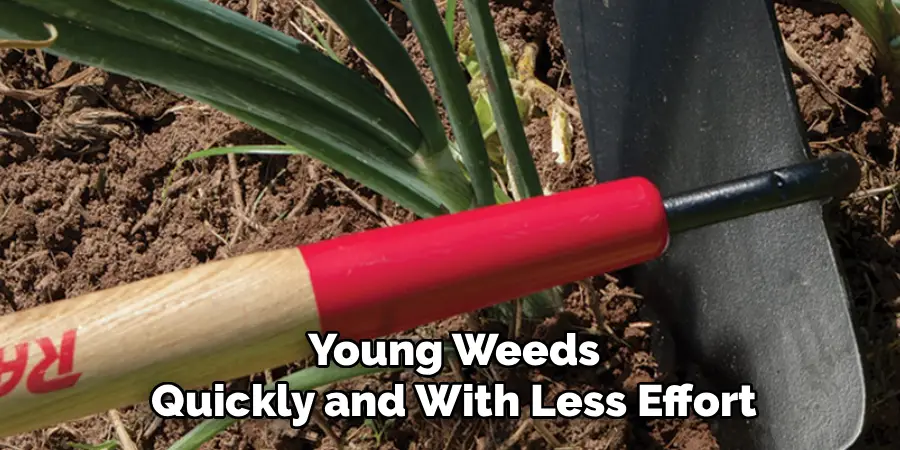
- Scuffle Hoe: Has a flat blade that skims below the surface. You use a push-and-pull motion. It is best for slicing off young weeds quickly and with less effort.
Conclusion
The garden hoe is a timeless tool for a reason: it works. By selecting the right type for your needs and adopting the proper techniques, you can turn a dreaded chore into a quick, effective, and almost meditative task. Remember to stand upright, let the tool do the work, and always hoe in dry conditions to ensure the weeds you cut stay gone. Maintaining a sharp, clean blade will make your efforts even more rewarding. With this knowledge of how to use a garden hoe, you are now equipped to manage your garden with confidence, keeping it pristine and productive while saving your back and knees from the strain of hand-weeding.

About
Outdoor Fixes is a distinguished figure in the world of Diy design, with a decade of expertise creating innovative and sustainable Diy solutions.
His professional focus lies in merging traditional craftsmanship with modern manufacturing techniques,
fostering designs that are both practical and environmentally conscious. As the author of diy,
outdoorfixes delves into the art and science of outdoorfixes-making, inspiring artisans and industry professionals alike.
Education RMIT University
(Melbourne, Australia) Associate Degree in Design (Outdoor Fixes) Focus on sustainable design, industry-driven projects,
and practical craftsmanship. Gained hands-on experience with traditional and digital manufacturing tools, such as CAD and CNC software.
Nottingham Trent University
(United Kingdom) Bachelor’s in outdoorfixes.com and Product Design (Honors) Specialized in product design with a focus on blending creativity with production
techniques. Participated in industry projects, working with companies like John Lewis and Vitsoe to gain real-world insights.
Publications and Impact
In diy, Outdoor Fixes his insights on indoor design processes, materials, and strategies for efficient production.
His writing bridges the gap between artisan knowledge and modern industry needs, making it a must-read for both budding designers and seasoned professionals.