
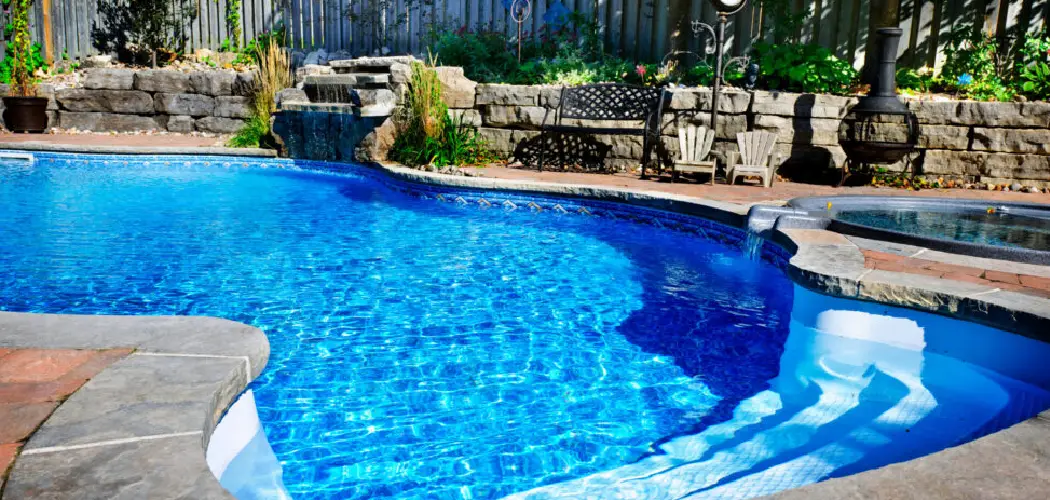
Maintaining an above ground pool can seem challenging, especially if you don’t have access to a vacuum. However, keeping your pool clean is essential to ensure safe and enjoyable swimming conditions.

By using alternative cleaning methods and basic tools, you can effectively remove debris, prevent algae buildup, and maintain water clarity without the need for a vacuum. This guide will walk you through the steps of how to clean an above ground pool without a vacuum efficiently.
Importance of Regular Cleaning
Regular cleaning of your above ground pool is crucial, not only for aesthetic purposes but also for the health and safety of swimmers. Neglecting pool maintenance can lead to the accumulation of dirt, leaves, and other debris, which can clog filters and promote the growth of harmful bacteria and algae. Additionally, unclean pool water may cause skin irritations, eye infections, or other health issues for those using it. By keeping up with a consistent cleaning schedule, you can ensure that the water remains clear, balanced, and safe to swim in, ultimately extending the lifespan of your pool and its equipment.
Tools and Supplies Needed
To maintain a clean and safe swimming pool, having the right tools and supplies is essential. Key items include a sturdy pool skimmer for removing leaves and debris from the surface, a pool vacuum for cleaning the floor and walls, and a pool brush for scrubbing stubborn dirt or algae. A reliable water testing kit is necessary to monitor the pH, chlorine, and alkalinity levels regularly.
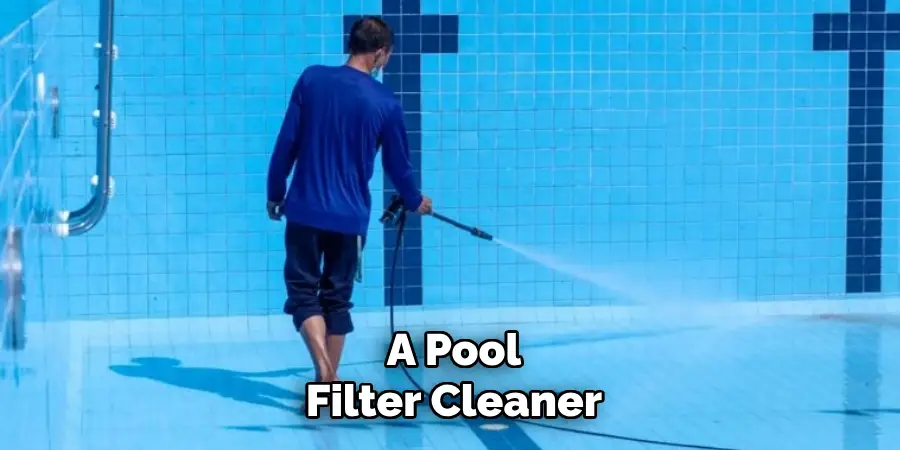
Additionally, stock up on essential chemicals such as chlorine, algaecides, and pH balancers to keep the water sanitized and balanced. For deeper cleaning, a pool filter cleaner and a pool cover are beneficial to reduce debris accumulation when the pool is not in use. Having these tools and supplies readily available will make pool maintenance more efficient and effective.
10 Methods How to Clean an above Ground Pool without a Vacuum
1. Use a Pool Skimmer Net to Remove Surface Debris Daily
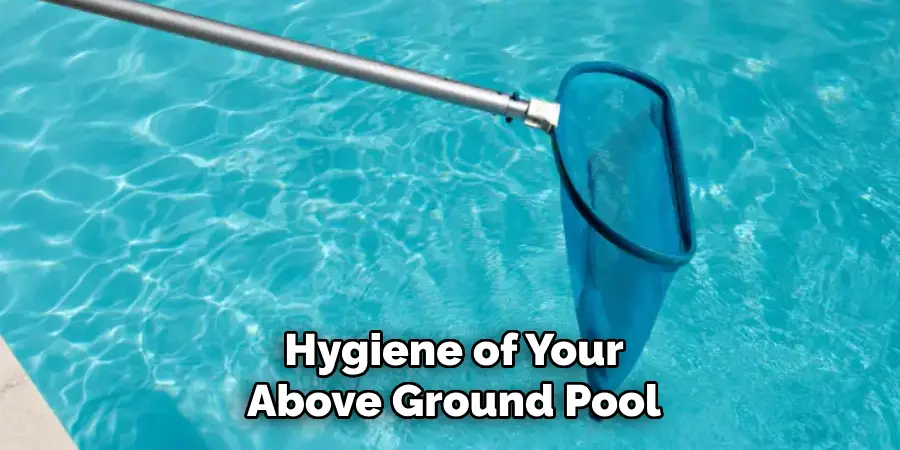
One of the most straightforward ways to keep your above ground pool clean without a vacuum is by using a pool skimmer net or leaf rake. These nets allow you to manually scoop out floating debris such as leaves, insects, and twigs from the water’s surface.
Because debris tends to accumulate quickly, especially in outdoor pools, daily skimming is crucial to prevent contaminants from sinking to the bottom and decomposing. Regular removal of surface debris also reduces strain on your pool’s filtration system and improves overall water clarity. A good quality skimmer net with a telescoping pole can extend your reach across the entire pool, making the task easier and more efficient.
2. Brush the Pool Walls and Floor Frequently
Without a vacuum to clean the pool floor, it’s important to regularly brush the pool’s surfaces to prevent dirt and algae buildup. Use a soft-bristle brush designed for vinyl or above ground pool liners to gently scrub the walls and floor. Brushing loosens algae, dirt, and biofilm, making it easier for your pool’s filtration system to remove suspended particles.
Aim to brush your pool at least twice a week, paying particular attention to the waterline, corners, and steps where algae commonly accumulate. Consistent brushing is vital for maintaining a clean pool environment and reducing the frequency of deep cleaning.
3. Employ a Pool Leaf Rake for Removing Debris from the Bottom
For heavier debris that has already settled on the pool floor, such as leaves, twigs, or pine needles, a pool leaf rake attached to a telescoping pole is invaluable.
This tool acts like a large net to scoop debris from the bottom without disturbing the pool liner. To use the leaf rake effectively, slowly drag it along the bottom, allowing the net to catch and lift debris to the surface where it can be removed with a skimmer net. This method requires patience and a systematic approach to ensure all areas of the pool floor are covered, but it is an excellent alternative to vacuuming.
4. Use a Pool Brush with a Pole to Agitate and Circulate Debris
Sometimes, loosening debris alone is not enough; you need to agitate the water to help suspended particles reach the filtration system. Using a pool brush attached to a long pole, vigorously scrub and stir the pool water, especially near the bottom.
This movement encourages fine particles and dirt to float up and be trapped by the skimmer or filter. Agitating the water also prevents stagnant spots where algae and bacteria thrive. Combine this method with regular filter maintenance to maximize water cleanliness.
5. Backwash or Clean the Filter Frequently
Even without vacuuming, your pool’s filtration system plays a critical role in removing small particles from the water. To keep it functioning optimally, perform regular backwashing (if you have a sand or DE filter) or cartridge cleaning according to your filter’s instructions. Backwashing reverses water flow to flush trapped dirt and debris out of the filter.
Cleaning or replacing cartridges removes accumulated grime, allowing water to circulate freely and increasing filtration efficiency. Frequent filter maintenance is especially important when vacuuming is not part of your cleaning routine.
6. Shock the Pool to Remove Organic Contaminants
Over time, organic contaminants such as sweat, oils, sunscreen, and bacteria accumulate in your pool water, creating cloudy water and encouraging algae growth. Shocking the pool—adding a large dose of chlorine or non-chlorine oxidizer—helps oxidize and break down these impurities.
Conduct pool shocking weekly or after heavy pool use. Always follow manufacturer instructions for dosage and safety precautions, and run your filtration system continuously for at least eight hours after shocking to circulate chemicals effectively. Regular shocking is a vital step in maintaining water clarity without vacuuming.
7. Use Enzyme-Based Cleaners to Break Down Oils and Organic Waste
Enzyme-based pool cleaners offer a chemical-free way to tackle oils, lotions, and other organic residues that can accumulate on pool surfaces and waterlines. These cleaners contain natural enzymes that digest organic matter, reducing greasy buildup and preventing the formation of scum lines.
Adding enzyme treatments weekly supports your pool’s filtration system by reducing the organic load, which helps keep the water cleaner for longer. Enzyme cleaners are gentle on pool liners and safe for swimmers, making them an excellent supplement to traditional chlorine treatments.
8. Maintain Proper Water Chemistry for Optimal Clarity
Chemical balance is fundamental to pool cleanliness, especially when you rely less on physical cleaning methods like vacuuming. Test your pool water at least twice a week using test strips or liquid kits to monitor pH, chlorine levels, alkalinity, and stabilizer. Maintaining a pH between 7.2 and 7.6 ensures chlorine remains effective, while proper alkalinity levels prevent pH fluctuations. Balanced water chemistry inhibits algae growth, prevents staining, and protects your pool liner. Adjust chemicals gradually and retest frequently to keep your water healthy and clear.
9. Cover Your Pool When Not in Use
Minimizing debris entering your pool is one of the best preventative measures you can take. Using a pool cover whenever your pool is not in use significantly reduces the amount of dirt, leaves, and insects that can accumulate. Pool covers also help maintain water temperature and reduce evaporation. Regularly clean and dry the cover to prevent mold and mildew buildup, and always secure it properly to avoid debris blowing underneath. A well-maintained pool cover reduces your cleaning workload and helps keep your pool water fresh.
10. Manually Spot Clean Stains or Algae Patches
If you notice specific stains or algae patches on your pool liner or walls, manual spot cleaning is essential. Use a soft cloth or sponge with a mild pool-safe cleaning solution to gently scrub affected areas. Avoid harsh chemicals or abrasive tools that could damage the liner. For algae patches, a brush combined with a targeted application of algaecide can be effective. Regular spot cleaning prevents stains from setting in and spreading, preserving the appearance and hygiene of your above ground pool.
Things to Consider When Maintaining Your Above Ground Pool
Proper maintenance of your above ground pool involves several key considerations to ensure its longevity and cleanliness. First, always monitor the water’s chemical balance using a reliable pool testing kit. Maintaining the correct pH and chlorine levels is critical to prevent bacteria growth and keep the water safe for swimmers.
Second, invest in quality pool equipment, such as a durable cover, a functional pump, and an efficient filtration system, to protect the pool from debris and extend its lifespan. Lastly, inspect your pool regularly for any signs of wear and tear, such as leaks or structural damage, and address issues promptly to avoid escalating repair costs. By staying proactive, you can enjoy a pristine and well-maintained pool for years to come.
Common Mistakes to Avoid
Maintaining a pool requires consistent effort, and avoiding common mistakes can save you time, money, and frustration. One frequent mistake is neglecting regular water testing. Without testing, it is difficult to balance chemicals properly, which can lead to cloudy water, algae growth, or even skin irritation. Another common misstep is overusing chemicals, which can damage pool equipment, deteriorate surfaces, and create an unpleasant swimming environment.
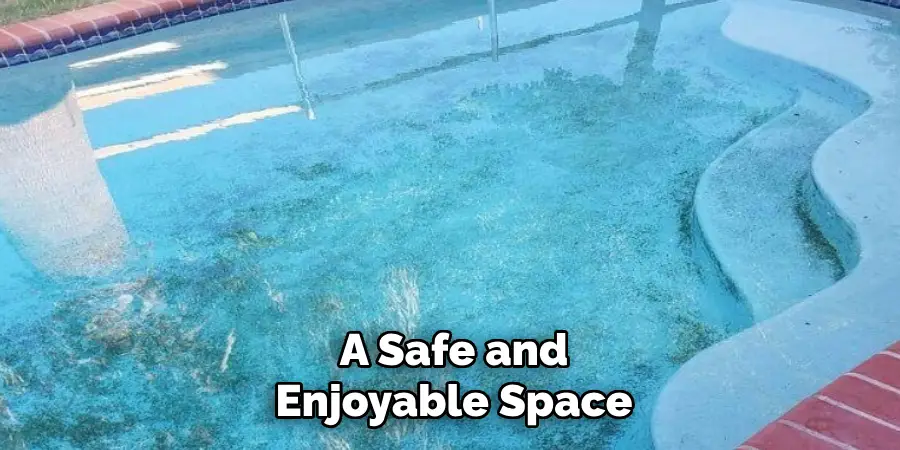
Additionally, failing to clean the pool filter regularly reduces its effectiveness and places unnecessary strain on the pump. Skipping routine maintenance tasks, such as brushing walls and skimming debris, can also lead to larger, more expensive issues down the line. By being mindful of these errors, you can ensure that your pool remains a safe and enjoyable space.
Conclusion
Cleaning an above ground pool without a vacuum may seem challenging, but by employing a combination of manual debris removal, thorough brushing, chemical maintenance, and preventative practices, you can maintain a sparkling, healthy pool all season long. Thanks for reading, and we hope this has given you some inspiration on how to clean an above ground pool without a vacuum!

About
Outdoor Fixes is a distinguished figure in the world of Diy design, with a decade of expertise creating innovative and sustainable Diy solutions.
His professional focus lies in merging traditional craftsmanship with modern manufacturing techniques,
fostering designs that are both practical and environmentally conscious. As the author of diy,
outdoorfixes delves into the art and science of outdoorfixes-making, inspiring artisans and industry professionals alike.
Education RMIT University
(Melbourne, Australia) Associate Degree in Design (Outdoor Fixes) Focus on sustainable design, industry-driven projects,
and practical craftsmanship. Gained hands-on experience with traditional and digital manufacturing tools, such as CAD and CNC software.
Nottingham Trent University
(United Kingdom) Bachelor’s in outdoorfixes.com and Product Design (Honors) Specialized in product design with a focus on blending creativity with production
techniques. Participated in industry projects, working with companies like John Lewis and Vitsoe to gain real-world insights.
Publications and Impact
In diy, Outdoor Fixes his insights on indoor design processes, materials, and strategies for efficient production.
His writing bridges the gap between artisan knowledge and modern industry needs, making it a must-read for both budding designers and seasoned professionals.