
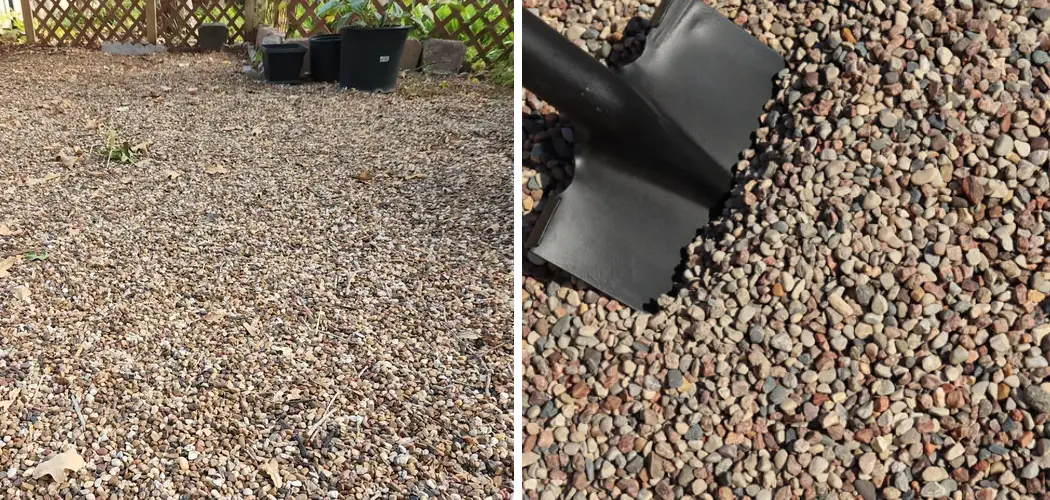
Transforming loose pea gravel into a solid and stable surface can enhance both the aesthetic and functional aspects of your outdoor spaces. Whether you’re creating a walkway, patio, or a decorative feature, ensuring that the pea gravel stays in place is crucial for a polished look and ease of use. In this comprehensive guide, we’ll explore the techniques and materials required to make pea gravel solid.
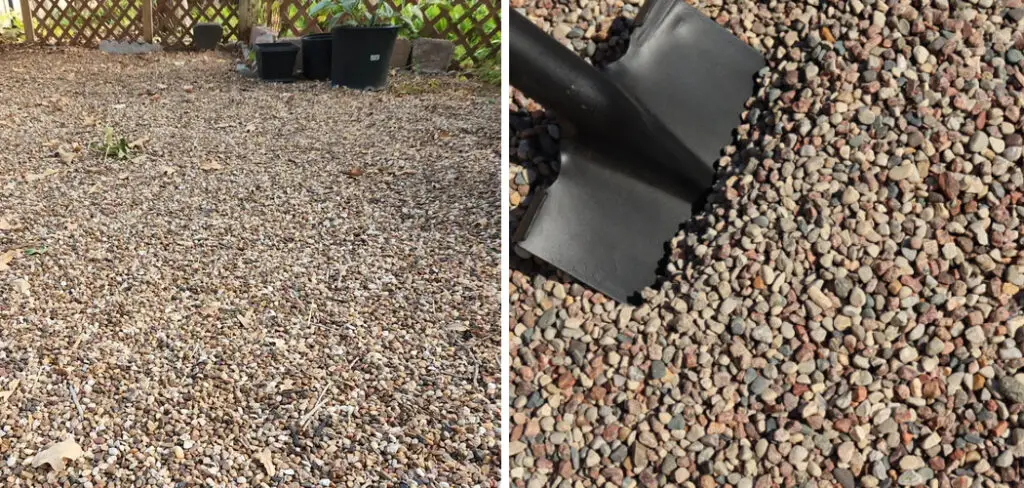
From understanding the underlying base preparation to exploring binding agents that provide cohesion without sacrificing the natural charm of pea gravel, we’ll navigate the steps and considerations involved.
Whether you’re a seasoned DIY enthusiast or a landscaping novice, learning how to make pea gravel solid unlocks the potential for creating durable and visually pleasing outdoor surfaces. Join us on this journey as we unveil the secrets to achieving a stable and long-lasting pea gravel installation.
Benefits of Solidifying Pea Gravel
There are many benefits to solidifying pea gravel, making it a popular choice for homeowners and contractors alike. In this section, we will explore the advantages of using this technique and why you should consider it for your next landscaping project.
Improved Stability
Pea gravel is known for its loose texture, which can make it difficult to walk on or drive over without disturbing the surface. By solidifying pea gravel, you can create a stable and durable surface that is perfect for high-traffic areas. This is especially beneficial for driveways, pathways, and other areas where people and vehicles will be moving around frequently.
Reduced Maintenance
One of the biggest advantages of solidified pea gravel is the reduced maintenance required to keep it looking good. Without solidification, pea gravel can easily shift and scatter, requiring frequent raking or re-leveling. However, once the gravel is solidified, it stays in place and requires minimal upkeep. This makes it an ideal choice for homeowners who want a low-maintenance landscaping option.
Enhanced Aesthetic Appeal
Pea gravel is a popular choice for its natural and rustic look. However, some people may find the loose texture less appealing and prefer a smoother surface. By solidifying pea gravel, you can create a more polished and uniform look while still maintaining its natural charm. This makes it a versatile option for both modern and traditional landscaping designs.
Weed Control
Another benefit of solidified pea gravel is that it helps control weed growth. With a compacted surface, it is more difficult for weeds to take root and grow. This can save you time and effort in weed removal, allowing you to enjoy your outdoor space without worrying about unsightly weeds.
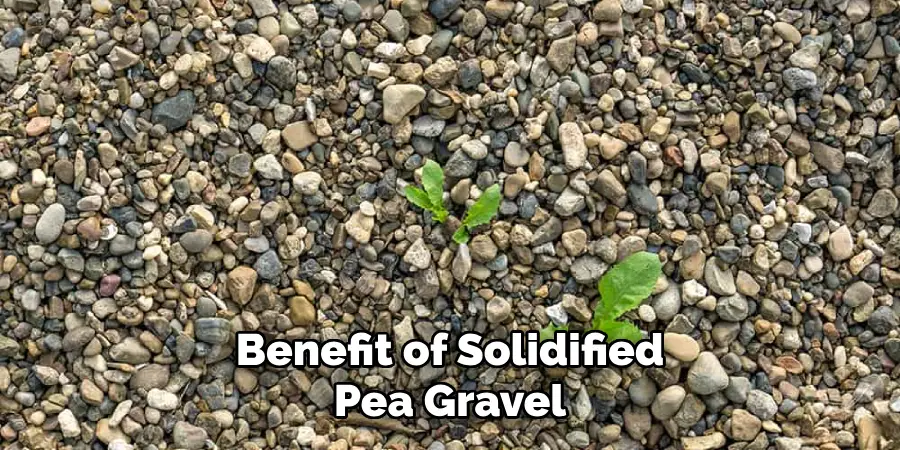
10 Methods How to Make Pea Gravel Solid
1. Compaction
Compaction is one of the most effective methods of making pea gravel solid. This process involves using a vibrating plate compactor to compress the gravel until it is tightly packed.
The compactor should be operated at a slow speed and in overlapping passes to ensure that the gravel is evenly compacted. Once the compaction process is complete, the gravel should be checked for any areas that still need to be filled in and compacted further.
2. Polymeric Sand
Polymeric sand can also be used to make pea gravel solid. This type of sand is made from a mixture of polymers and silica sand, which helps to bond the particles together when it’s wetted with water. When applied between the pea gravel, the polymeric sand will harden and create a solid surface that won’t shift or settle over time.
3. Geotextile Fabric
Geotextile fabric can also be used to make pea gravel solid. This type of fabric acts as a barrier between the soil and the stones, which prevents them from shifting or settling over time. It also helps to reduce weed growth by blocking out light and preventing water from reaching the soil beneath the stones.
4. Cement Mortar Mix
Cement mortar mix can also be used to make pea gravel solid. This type of mix consists of cement, sand, and water, which can be mixed together into a slurry-like consistency before being poured overtop of the pea gravel bedding layer. Once dry, this mixture will create a strong bond between each stone, making them less likely to shift or settle over time.
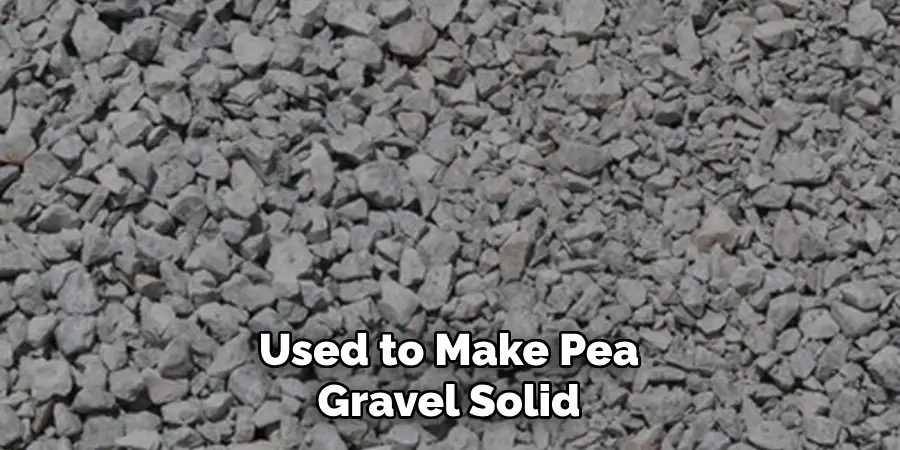
5. Gravel Stabilizer Grids
Gravel stabilizer grids are another effective method for making pea gravel solid. These grids are made from plastic or metal mesh and are designed to fit around each individual stone in order to keep them in place while allowing water drainage through their holes or slots.
Additionally, these grids help reduce weed growth by blocking out light from reaching any soil below them as well as preventing any roots from growing through them into your stone bedding layer above ground level
6. Concrete Pavers
Concrete pavers can also be used to make pea gravel solid if you want an aesthetically pleasing look for your landscape design project without sacrificing the stability or durability of the stones beneath them . These pavers come in various sizes and shapes, so you can choose whichever one best suits your project’s needs while still providing adequate support for your stones underneath them.
7. Plastic Edging
Plastic edging is yet another effective way of making pea gravel solid without sacrificing aesthetics for your landscape design project. This edging comes in various colors, shapes, and sizes, so you can find one that best suits your needs while still providing adequate protection against shifting or settling stones beneath it.
It should be installed along edges where two different materials meet, such as grass, mulch, or other types of stone beds.
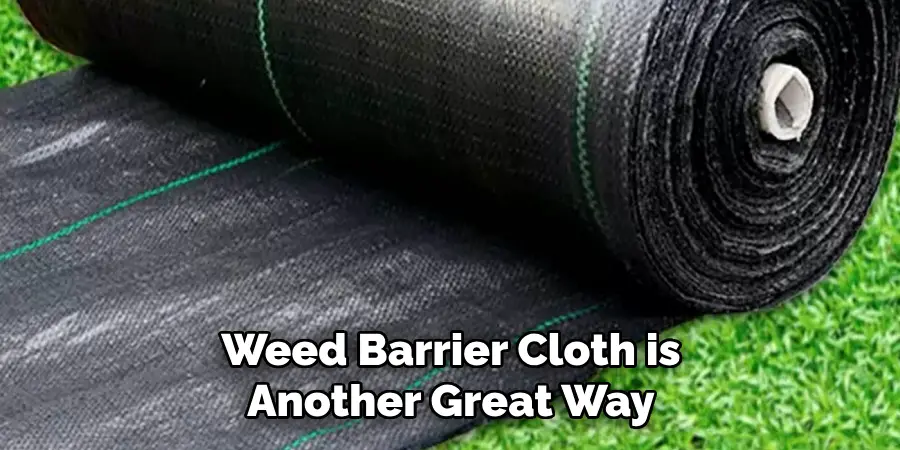
8. Weed Barrier Cloth
Weed barrier cloth is another great way of making sure that weeds don’t grow up through your stone beds while still allowing adequate drainage for rainwater runoff. It should be laid down underneath your stone beds before they are installed so that it provides an extra layer between any potential weeds growing up from beneath it and your stones on top.
9. Sealing Your Stones
Sealing your stones with a sealant such as acrylic polymer emulsion will help protect against staining caused by dirt, debris, mosses, lichens, etc., while also helping keep moisture away so that weeds don’t have anything to grow on top of them. This sealant should be applied every few years, depending on how much traffic goes across your stone beds on a regular basis.
10. Installing Curbing Around Your Stone Beds
Installing curbing around your stone beds is an excellent way of keeping everything contained within its designated area while still allowing adequate drainage away from those areas where you don’t want standing water accumulating after rainfall events occur.
Curbing comes in various colors, shapes, sizes, and styles, so you can easily find something that fits both aesthetically with what you have going on outside as well as functionally with what you need to be done for drainage purposes.
Things to Consider When Creating A Solid Pea Gravel Surface
Pea gravel is a popular choice for outdoor surfacing due to its affordability, versatility and natural appearance. Unlike other types of gravel, pea gravel features small, smooth pebbles that are perfect for walking or driving on without causing discomfort. These rounded stones also tend to shift less than jagged gravel, making them an ideal candidate for creating a solid surface.
If you’re thinking of using pea gravel for your outdoor space, here are some things to consider when creating a solid pea gravel surface:
1. Choose the Right Type of Pea Gravel
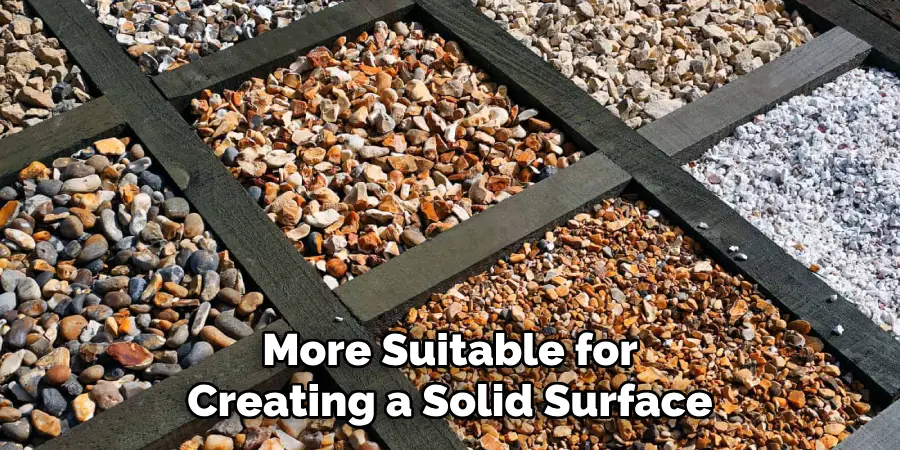
Not all pea gravel is created equal – some may be more suitable for creating a solid surface than others. When shopping for pea gravel, look for angular stones with varying sizes. This will help create a tighter, more interlocking surface when compacted.
2. Prepare the Area
Before laying down pea gravel, it’s important to properly prepare the area. This includes removing any existing grass or vegetation, leveling the ground, and creating a stable base layer using crushed stone or sand.
3. Compact Thoroughly
To create a solid pea gravel surface, it’s crucial to compact the material thoroughly. This will help prevent shifting and settling over time. Use a mechanical compactor or hand tamper to achieve optimum compaction.
4. Add Weed Barrier
Pea gravel is porous and can allow weeds to grow through if not properly maintained. To avoid this issue, lay down a weed barrier before adding the pea gravel. This will help keep your surface looking neat and prevent unwanted plants from taking root.
Conclusion
To summarize, creating a solid surface that is safe and reliable with pea gravel can be done by using garden fabric underlayment, non-porous rocks such as marble or granite, and crushed rock dust on top.
With the right materials in place for these steps mentioned above, your pea gravel will hold up to changing weather conditions. Not only will you have a secure surface with this method, but you’ll also get the visual effect of beautiful stones that won’t need intense maintenance.
So don’t delay – start taking the steps today towards making your pea gravel surfaces more reliable and visually pleasing! And if you’re looking for more insights into how to make pea gravel solid, look no further – click here to learn more about what we can offer regarding expert advice on how to make pea gravel solid.

About
Outdoor Fixes is a distinguished figure in the world of Diy design, with a decade of expertise creating innovative and sustainable Diy solutions.
His professional focus lies in merging traditional craftsmanship with modern manufacturing techniques,
fostering designs that are both practical and environmentally conscious. As the author of diy,
outdoorfixes delves into the art and science of outdoorfixes-making, inspiring artisans and industry professionals alike.
Education RMIT University
(Melbourne, Australia) Associate Degree in Design (Outdoor Fixes) Focus on sustainable design, industry-driven projects,
and practical craftsmanship. Gained hands-on experience with traditional and digital manufacturing tools, such as CAD and CNC software.
Nottingham Trent University
(United Kingdom) Bachelor’s in outdoorfixes.com and Product Design (Honors) Specialized in product design with a focus on blending creativity with production
techniques. Participated in industry projects, working with companies like John Lewis and Vitsoe to gain real-world insights.
Publications and Impact
In diy, Outdoor Fixes his insights on indoor design processes, materials, and strategies for efficient production.
His writing bridges the gap between artisan knowledge and modern industry needs, making it a must-read for both budding designers and seasoned professionals.