
If you want to decorate a backyard for a party, begin with two things: a clear visual direction and an honest look at the space you actually have. From there, divide the yard into areas for eating, sitting, and moving around, then build the mood with lighting, comfortable seating, and decor that makes sense for the weather. Budget and safety matter more than people sometimes expect, so they should shape the plan from the start rather than get tacked on at the end.
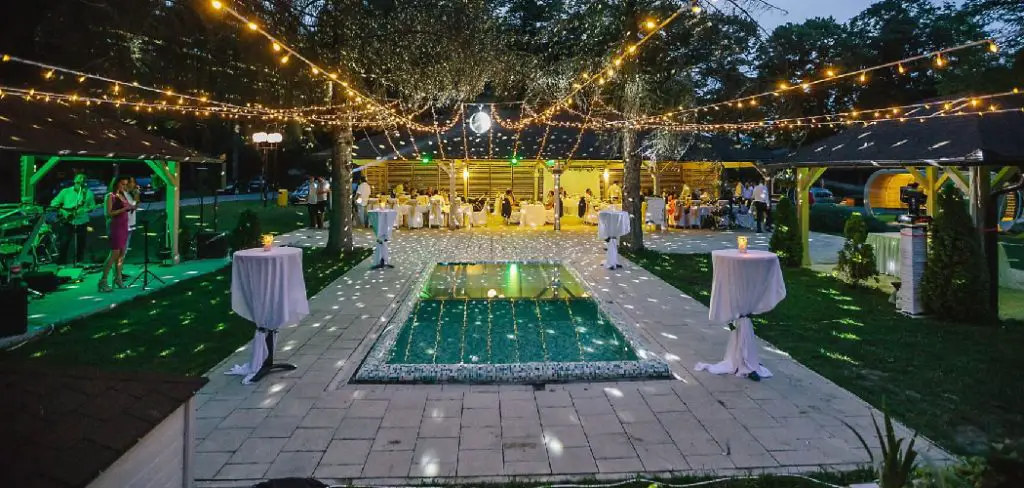
Hosting outside sounds easy in theory. Put out a few chairs, hang some lights, and call it done. In practice, though, a backyard party tends to work best when the setup feels considered, even if it looks effortless. Guests notice when the space makes sense. They also notice when it does not—when the drink table blocks the walkway, when no one can see their plate after sunset, when every chair is lined up like a waiting room.
Good backyard decor does more than make the space look festive. It sets the tone, yes, but it also quietly manages movement. It can reduce crowding near the grill or drinks station, make conversation areas feel more inviting, and help the night unfold with less friction. That bit is easy to underestimate until you are the one trying to solve problems mid-party with a roll of tape and a flashlight. In this guide on how to decorate a backyard for a party, we will discuss some simple yet effective ways to create a functional and enjoyable party space in your own backyard.
Plan the Party Theme
A theme gives you something to edit against. Without one, it is very easy to buy a little of everything and end up with a yard that feels busy rather than welcoming. The theme does not need to be elaborate, and in many cases it probably should not be. A tropical setup, a garden dinner, or a simple cocktail-style evening can all work, provided the choices feel consistent.
It also helps to work with the yard instead of against it. A leafy, slightly informal space may lend itself to something relaxed and natural. A cleaner patio with modern furniture might suit a more pared-back look. The point is not to force a concept that looks good in a photo but feels odd in the actual setting. Once the overall direction is in place, decisions about color, linens, serving pieces, and lighting usually become easier. Not effortless, exactly, but less random.
Assess the Backyard Space
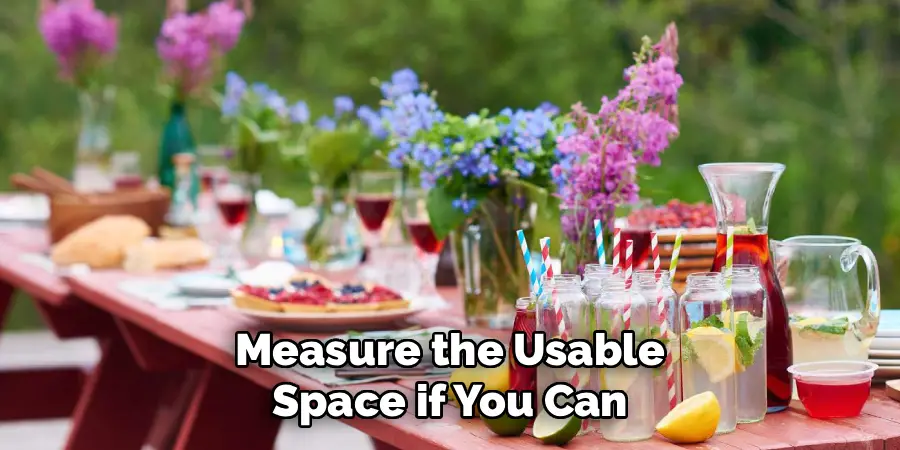
Before buying decorations, pause and look at the yard as it really is. Not the ideal version of it. The real one. Measure the usable space if you can, especially if you are inviting a larger group. People tend to underestimate how quickly a backyard feels crowded once tables, chairs, coolers, and serving stations are in place.
Take note of what is already there. A patio, a large tree, a fence line, or a built-in fire pit may already be doing some visual work for you. At the same time, problem areas matter just as much: sloped ground, soft grass, exposed cords, fragile planting beds, awkward corners, and limited outlet access. These details may seem minor while planning, but they often determine whether the layout feels smooth or improvised. A realistic reading of the space will shape where furniture should go, where guests are likely to gather, and what the yard can comfortably support.
7 Simple Step-By-Step Guidelines on How to Decorate a Backyard for a Party
Step 1: Define Your Layout and Activity Zones
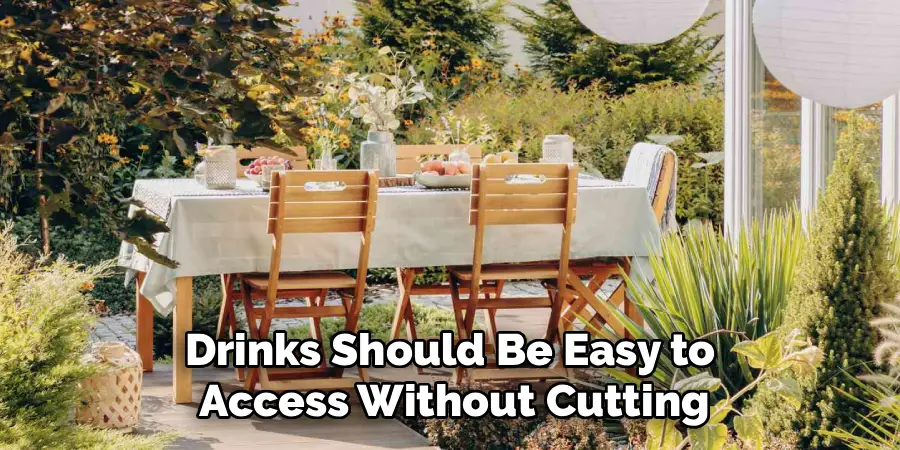
One of the easiest ways to make an outdoor party feel organized is to create clear zones. That does not mean turning the yard into a floor plan with strict boundaries. It just means giving each part of the space a purpose. Dining should feel separate from lounging. Drinks should be easy to access without cutting through the main seating area. If people will dance, play games, or stand and talk, leave room for that too.
This is where placement matters more than decoration. A rug beneath a seating cluster can signal a lounge area without a single sign or label. Cocktail tables naturally attract guests who prefer to stand and mingle. Even light can define space; a brighter corner near the buffet reads differently from a dimmer seating area meant for conversation. Done well, the layout encourages people to move around instead of bunching up near the back door, which is what often happens when there is no clear structure at all.
Step 2: Set Up Ambient and Task Lighting
Lighting tends to shape the atmosphere more than almost anything else, especially if the party runs into the evening. During daylight, a yard may look perfectly complete. Then sunset hits, and suddenly the entire setup feels unfinished. That shift comes fast.
Start with ambient lighting—the broad, soft layer that makes the whole yard feel warm and usable. String lights are popular for a reason. Draped across a fence, woven through branches, or suspended between poles, they add enough glow to make the space feel alive without becoming harsh. Warm white bulbs usually work better than cooler tones, which can make an outdoor gathering feel a little sterile.
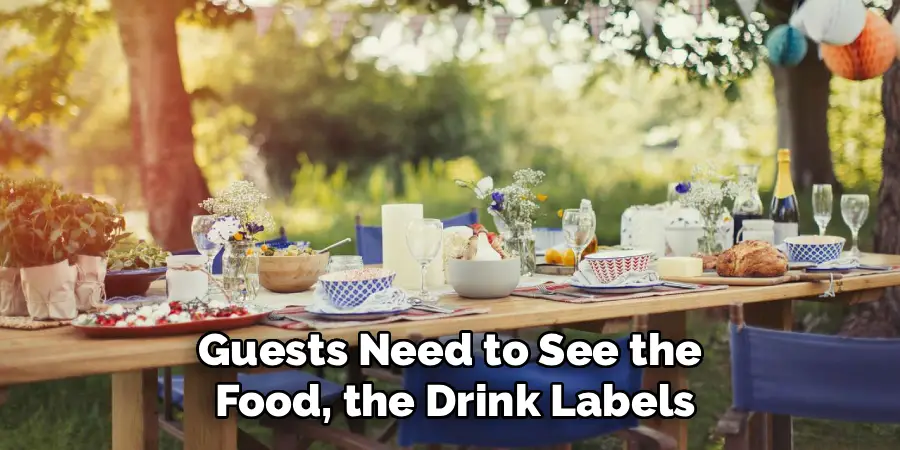
After that, think practically. Guests need to see the food, the drink labels, the steps, and the path to the restroom. That is where task lighting comes in. Lanterns, solar stake lights, and small battery-powered lamps can help in targeted areas without flattening the mood. The goal is visibility, not brightness for its own sake. Floodlights may solve one problem while creating another.
Step 3: Arrange Comfortable and Functional Seating
Seating affects how long people stay in one place and how easily they talk to one another. If every chair faces the same direction or sits around one formal table, the party can start to feel stiff. That may be fine for a dinner, but less so for a casual backyard gathering where guests tend to move in and out of conversation.
A mix usually works best. Standard patio chairs can be paired with benches, poufs, floor cushions, or a loveseat if you have one. Different seating types make the space feel more relaxed and allow people to choose what is comfortable for them. Not everyone wants to perch on a barstool all evening.
If outdoor furniture is limited, indoor pieces may help, as long as the weather looks dependable and you are willing to carry them back in later. Dining chairs, small side tables, and even an armchair can work surprisingly well in a backyard setup. Group seats in small clusters rather than long rows. Four to six chairs around a low table often create a better conversation zone than one large arrangement spread too thin across the yard.
Step 4: Create a Central Focal Point
Most party spaces benefit from one area that draws the eye right away. It gives the setup some visual gravity. Otherwise, the yard can feel scattered, as though all the decorative effort has been distributed evenly and therefore diluted.
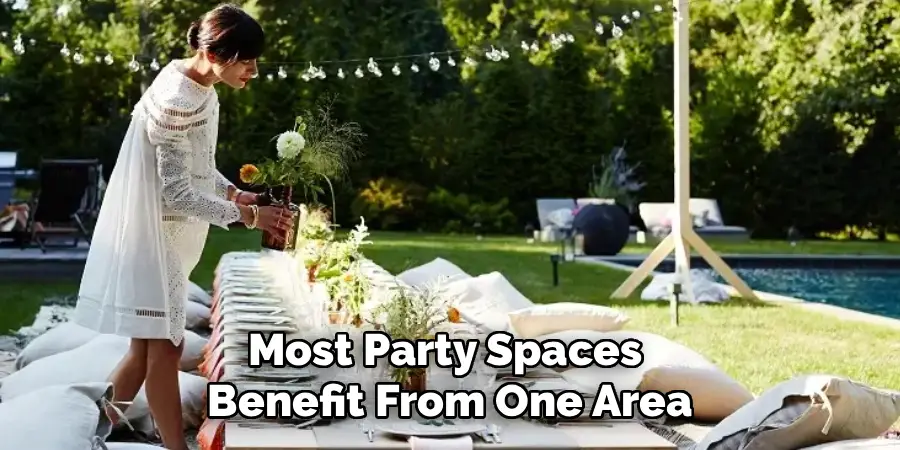
That focal point might be a dessert table, a fire pit, a bar setup, or a spot intended for photos. It does not need to be dramatic, but it should feel intentional. In some backyards, the focal point already exists. A pergola, fountain, mature tree, or even a well-placed patio can serve that purpose with very little added effort.
The trick is to emphasize what is already strongest. Fabric, lanterns, or string lights can help frame an existing feature and make it feel central to the event. This is often more effective than adding a completely separate decorative installation, especially in smaller yards where too many competing elements can make the space feel cluttered rather than festive.
Step 5: Add Table Centerpieces and Linens
Tables are where guests spend a lot of their time, actually interacting with the setup, so they deserve more attention than they sometimes get. Linens can soften outdoor surfaces that otherwise feel hard or unfinished. A table runner, cloth, or even simple fabric napkins can shift the mood quite a bit, particularly on picnic tables or metal patio furniture.
Centerpieces are useful, though they are one of the easiest places to overdo things. Tall arrangements often look nice in isolation,n but can become irritating once people sit down and try to talk across them. Lower pieces tend to work better. Tealights in small glass holders, bowls of seasonal fruit, or short vases with local flowers give the table some life without getting in the way.
There is also a practical question here: how much maintenance will the table decor require once guests arrive? The best centerpieces do not need constant adjusting. Outdoor parties come with enough unpredictability already.
Step 6: Incorporate Natural Elements and Florals
Because the party is already outside, it usually makes sense to lean into the setting rather than treat it as a blank room with grass. Plants and florals can help the decor feel connected to the yard instead of pasted onto it. Potted greenery, small flower arrangements, and trailing branches can soften edges, fill sparse corners, and tie the setup together.
This does not need to be expensive. Nursery plants can work well for walkways or patio edges, and they often do more visually than smaller disposable decorations. If the budget is tight, cuttings from your own garden may be enough. Branches, herbs, broad leaves, or simple flowers in mixed jars can look thoughtful precisely because they are a little imperfect.
There is a balance to strike, though. Natural decor is appealing when it feels loose and grounded in the space. If every surface is covered in greenery, the effect can tip from inviting to overdone. A few well-placed elements usually carry more weight than an excess of filler.
Step 7: Provide Shade and Weather Protection
Decor matters less if guests are physically uncomfortable. That may sound obvious, but it is one of the first things people forget when they get focused on appearance. A beautiful setup in direct afternoon sun can become unusable very quickly. The same goes for a chilly evening with nowhere to warm up.
For daytime events, shade should cover the main areas where people will sit, eat, or linger. Umbrellas, canopies, and shade sails can all help, depending on the yard and the scale of the party. The goal is not to cover every inch of the lawn. It is to protect the spaces people are most likely to use.
As temperatures drop later on, comfort details matter just as much. Blankets in a basket near lounge seating are practical, but they can also look good if they suit the rest of the setup. Patio heaters may be worth considering for cooler nights, especially if the gathering is meant to last several hours. Weather planning is not the glamorous part of decorating, but it often determines whether guests stay relaxed or start looking for an excuse to leave early. Following these steps on how to decorate a backyard for a party will help create a welcoming and comfortable atmosphere for guests to enjoy.
Budget-Friendly Decoration Ideas
A backyard party does not have to be expensive to feel thoughtful. In fact, some of the best details are the least costly. Glass jars reused as candle holders or vases can work beautifully, especially after dark. Paper lanterns, streamers, or hanging decorations add color quickly and do not demand much money. They may not last forever, but for a single event, that is often enough.
Borrowing is also worth considering before renting or buying. Extra chairs, folding tables, serving trays, and outdoor rugs often sit unused in garages and basements. Asking friends or neighbors can save a surprising amount. The result may look a bit eclectic, but that is not necessarily a flaw. In many backyard settings, a slightly mixed look feels more natural than a perfectly matched one.
Common Mistakes to Avoid
Some problems show up at almost every outdoor gathering. Lightweight decorations that are not secured properly can end up halfway across the yard after one gust of wind. Bug control is another issue people tend to address too late, usually after guests have started swatting at mosquitoes. A few citronella candles or a discreet insect-repellent station can make a noticeable difference.
Overfilling the yard is a common misstep, too. More furniture does not automatically mean better hosting. Sometimes it just narrows the pathways and makes the space awkward to move through. Lighting can go wrong in the opposite direction. Relying on one bright source often creates glare and deep shadows at once, which is not especially flattering or useful. A layered setup generally works better than one all-purpose fix.
Safety and Practical Considerations
Safety may not be the most exciting part of planning, but it should shape the setup in fairly direct ways. Extension cords for speakers or lighting should be taped down or routed carefully so they do not become tripping hazards once it gets dark. Fire pits need more clearance than people sometimes assume, particularly around dry grass, low branches, or synthetic outdoor fabrics.
It is also sensible to keep basic emergency items nearby. A fire extinguisher, or at minimum a heavy blanket, can provide some peace of mind if flame or heat is part of the setup. If there is a pool that will not be in use, make that obvious. Physical barriers are best where possible. At the very least, guests should be able to see the edge clearly in low light. These are not decorative details, exactly, but they affect how safely the space functions, which matters just as much.
Party Cleanup and Aftercare
Cleanup tends to go better when it has been planned in advance rather than left as a future problem. A few well-placed trash and recycling bins around the yard can reduce a lot of post-party mess. Guests are more likely to use them if they are easy to spot and not overflowing by mid-evening.
It also helps if those bins do not look completely out of place. Lidded containers or covered baskets often blend into the setup better than loose plastic bags tied to a chair. Once the party ends, bring in cushions, linens, and electronics before dew or overnight weather gets to them. Larger cleanup tasks—moving furniture back, sweeping the patio, checking for stray cups in the flower beds—can usually wait until morning, when you are less tired and less likely to resent your own event planning.
Frequently Asked Questions
Q1: What Is The Best Way To Light A Backyard For A Party?
A1: In most cases, the best approach is layered lighting. Use string lights overhead for general glow, add smaller light sources near food and drink areas, and mark paths or steps so guests can move safely. Warm bulbs usually create a more relaxed atmosphere than bright white floodlights, which can feel too severe for a social setting.
Q2: How Can I Keep Bugs Away From My Outdoor Party?
A2: No single method works perfectly, but a combination often helps. Citronella candles or tiki torches around the perimeter may reduce mosquitoes, and repellent wipes in a small basket are a thoughtful addition for guests who want them. Mesh food covers are also useful if food will be sitting out for any length of time.
Q3: How Do I Decorate A Very Small Backyard For A Party?
A3: Small yards benefit from restraint. Use vertical space where possible by hanging lights or decorations from fences and walls, and avoid bulky items that eat up the floor area. Furniture that seats several people at once, such as benches, can help. Keeping the palette relatively simple may also make the space feel calmer and a bit more open.
Ready to Host Your Next Gathering
Decorating a backyard for a party is partly about appearance, but not only that. It is also about comfort, movement, mood, and the practical realities of hosting people outside. When the layout makes sense, the lighting is usable, and the space feels welcoming, guests tend to settle in without thinking much about why.
That is probably the point. The best backyard parties rarely feel overdesigned. They feel easy, even when a fair amount of planning went into them. If you take the time to shape the space thoughtfully, your yard can become the kind of setting people remember—not because every detail was elaborate, but because the whole evening simply worked. Thanks for reading this guide on how to decorate a backyard for a party.

About
Outdoor Fixes is a distinguished figure in the world of Diy design, with a decade of expertise creating innovative and sustainable Diy solutions.
His professional focus lies in merging traditional craftsmanship with modern manufacturing techniques,
fostering designs that are both practical and environmentally conscious. As the author of diy,
outdoorfixes delves into the art and science of outdoorfixes-making, inspiring artisans and industry professionals alike.
Education RMIT University
(Melbourne, Australia) Associate Degree in Design (Outdoor Fixes) Focus on sustainable design, industry-driven projects,
and practical craftsmanship. Gained hands-on experience with traditional and digital manufacturing tools, such as CAD and CNC software.
Nottingham Trent University
(United Kingdom) Bachelor’s in outdoorfixes.com and Product Design (Honors) Specialized in product design with a focus on blending creativity with production
techniques. Participated in industry projects, working with companies like John Lewis and Vitsoe to gain real-world insights.
Publications and Impact
In diy, Outdoor Fixes his insights on indoor design processes, materials, and strategies for efficient production.
His writing bridges the gap between artisan knowledge and modern industry needs, making it a must-read for both budding designers and seasoned professionals.