
A pool door alarm is a vital safety feature for any home with a swimming pool, designed to prevent tragic accidents by alerting you when a door leading to the pool area is opened. While these alarms are crucial for safety, there may be specific situations where you temporarily need to disable one, such as for maintenance, a planned pool party, or if the alarm is malfunctioning and causing false alerts.
This guide on how to disable pool door alarm provides a detailed walkthrough on how to safely and temporarily disable a pool door alarm. It is essential to understand that disabling this safety device, even for a short period, carries significant risks. Always prioritize safety and ensure other protective measures are in place before proceeding. This information is intended for responsible homeowners who need to manage their alarm systems while maintaining a secure environment for their families and guests.

Understanding Pool Door Alarms
Pool door alarms are specialized security devices mandated by law in many regions for homes with residential swimming pools. Their primary function is to sound a loud, piercing alarm whenever a door or gate that provides direct access to the pool area is opened. This immediate alert is designed to notify adults that a potential hazard has been accessed, giving them critical seconds to intervene before an accident, particularly a drowning, can occur. These alarms are a key component of a layered safety approach, which also includes pool fences, safety covers, and adult supervision.
The importance of these alarms cannot be overstated, especially in households with young children, non-swimmers, or pets. Drowning is a leading cause of accidental death for young children, and many of these incidents happen silently and quickly in backyard pools. A pool door alarm acts as an unwavering electronic guardian, providing a constant alert system that works even when human supervision might be momentarily distracted. Creating an audible barrier, it helps prevent unsupervised access to the pool, significantly reducing the risk of a tragedy. They are not just a convenience; they are a life-saving necessity.
Tools and Materials You May Need
Apart from installing a pool door alarm, there are several other tools and materials that can enhance the safety of your backyard pool. These include:
Pool Fence:
A barrier around the perimeter of your pool that prevents access by young children or pets.
Safety Cover:
A sturdy cover that can be placed over your pool when not in use to prevent accidental falls. It should be made of a durable material that can support the weight of a child or pet.
Pool Covers:
Covers that are placed over the pool water to keep debris out and reduce the risk of drowning. These covers come in different types such as mesh, solid, and automatic covers. They can also serve as a safety measure if they are strong enough to support the weight of a child.
Alarms:
Alarms can be installed on doors and windows leading to the pool area, as well as in the pool itself. These alarms will sound if anyone enters the pool area or falls into the water. There are various types of alarms available, such as surface wave sensors, sub-surface disturbance sensors, and infrared motion detectors.
Pool Gates:
Gates should be self-closing and latching with a lock that is out of reach for young children. This ensures that even if a child manages to open the gate, they will not be able to enter the pool area unsupervised.
Some pool gates also come equipped with an alarm system, which will sound if the gate is opened. This is an extra layer of protection to prevent children from accessing the pool without adult supervision.
It is important to regularly check and maintain all pool gates to ensure they are functioning properly and remain secured at all times.
8 Simple Step-By-Step Guidelines on How to Disable Pool Door Alarm
Step 1: Identify Your Alarm Type and Consult the Manual
The first and most critical step is to identify the specific type of pool door alarm you have. Alarms generally fall into two categories: battery-powered or hardwired into your home’s electrical system. Battery-powered models are typically standalone units attached directly to the door and frame, while hardwired systems may be integrated with your home security system. Look for a brand name or model number on the alarm’s casing. Once you have this information, locate the user manual. This document is the definitive guide for your device and will contain precise instructions from the manufacturer on how to properly operate it, including any built-in bypass or deactivation features.
The manual will detail whether your alarm has a temporary bypass button, a specific code to enter on a keypad, or a switch to turn it off. Following the manufacturer’s instructions is the safest and most effective way to disable the alarm without causing damage or encountering unexpected issues. If you cannot find the physical manual, perform an online search using the brand and model number to find a digital PDF version. Rushing this step or attempting to guess the procedure can lead to damaging the unit or failing to disable it correctly, which could result in the alarm sounding continuously or failing to reactivate later.
Step 2: Utilize the Bypass or Pass-Through Feature
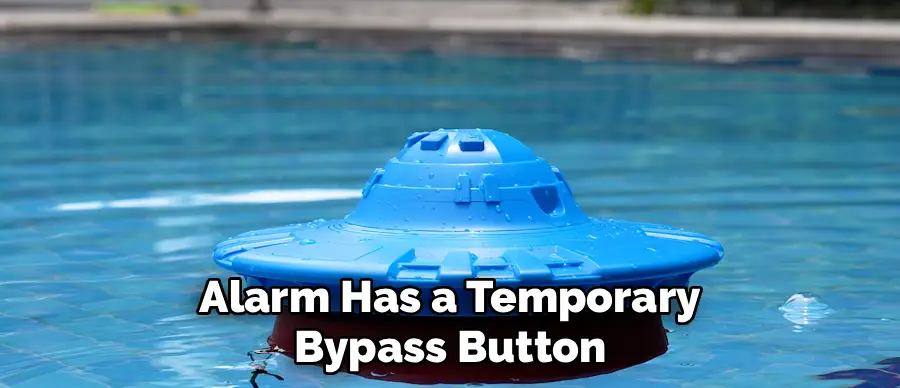
Many modern pool door alarms are equipped with a user-friendly bypass or pass-through feature. This function is specifically designed to allow adults to pass through the door without triggering the alarm, offering a convenient way to temporarily disable it for short periods. Typically, this involves pressing a button on the alarm unit or a nearby keypad just before opening the door. The alarm will emit a short beep or display a light to indicate it is in bypass mode, giving you a limited window of time, often between 10 to 15 seconds, to open and close the door.
This feature is ideal for situations like bringing groceries in from the patio or letting a pet out for a moment. It deactivates the alarm for a single pass-through and automatically re-arms itself once the door is closed, ensuring the safety system is immediately back in operation. Consult your user manual to confirm the exact procedure for your model, as the location of the button and the duration of the bypass window can vary. Using the bypass feature is always the preferred method for temporary deactivation, as it maintains the overall security of the pool area by ensuring the alarm is ready for the next event.
Step 3: Deactivate Using a Key or Code
For more extended deactivation, some pool door alarms, particularly those integrated into a larger home security system, are controlled by a key, a security code, or a remote control. A keyed system works much like a standard lock; inserting and turning the key will switch the alarm from armed to disarmed mode. This provides a secure method of control, as only individuals with a key can disable the system. This is a common feature on alarms that must comply with strict local building codes, offering a clear and physical way to manage the alarm’s status.
Alternatively, keypad-controlled alarms require you to enter a specific numerical code to disarm the unit. This code is often preset by the manufacturer but can usually be customized. This method is convenient as it doesn’t require a physical key, but it’s crucial to keep the code confidential to prevent unauthorized deactivation, especially by curious children. Some high-end systems may even offer a wireless remote, allowing you to arm and disarm the alarm from a distance. Always refer to your manual for the default code and instructions on how to change it if desired.

Step 4: Disconnect the Power Source (Battery-Powered Alarms)
If your alarm is a simple, battery-powered unit and does not have a bypass button, key, or code, you may need to disable it by removing its power source. First, identify the battery compartment. This is usually located on the main alarm unit and may be secured by a small screw or a simple sliding cover. Use the appropriate screwdriver to open the compartment if necessary. Be gentle to avoid stripping the screw or cracking the plastic casing. Once open, you will see the batteries that power the device.
Carefully remove the batteries from their contacts. This will immediately cut power to the alarm, deactivating it completely. It’s a good practice to place the batteries and the compartment cover in a safe and memorable location so you can easily find them when it’s time to reactivate the alarm. Remember that as long as the batteries are out, the alarm is completely non-functional, and the door will offer no audible alert when opened. This method should only be used when you need to keep the door open for an extended period and have other safety measures in place.
Step 5: Deactivate a Hardwired Alarm System
Disabling a hardwired pool door alarm is more complex and requires greater caution, as it is connected to your home’s electrical system. These alarms often have a dedicated switch on the main control panel of your home security system. Look for a switch or menu option labeled “Pool Alarm,” “Chime,” or similar. Your security system’s user manual is indispensable here, as it will provide a map of the control panel and explain how to navigate its menus to isolate and deactivate the specific zone connected to the pool door.
If you cannot deactivate the alarm through the main control panel, you may need to turn off the circuit breaker that supplies power to it. Your home’s breaker box should have a diagram indicating which breaker corresponds to which area or system. Look for a label for “Security System” or the room where the alarm is located. Before flipping the breaker, be aware that this will cut power to everything else on that circuit, which could include lights, outlets, or other important devices. This should be considered a last resort and performed with a clear understanding of what else will be powered down.
Step 6: Detach the Magnetic Sensor Components
Pool door alarms operate using a two-part magnetic sensor system: one part is mounted on the door frame, and the other is mounted on the door itself. When the door is closed, the two magnets are aligned, completing a circuit. When the door opens, the magnets separate, the circuit is broken, and the alarm is triggered. To temporarily disable the alarm without cutting power, you can manually keep this circuit closed. One way to do this is by carefully detaching one of the sensor components, usually the smaller magnet on the door.
Using a screwdriver, gently remove the screws holding the sensor in place. Once it’s detached, you can place it directly against the other sensor on the door frame, which will trick the system into thinking the door is still closed. Some people use tape to temporarily hold the detached sensor in place. This method allows you to open and close the physical door freely without triggering the alarm. However, be extremely careful not to damage the sensors or the wires they may be connected to. This is a practical solution for a pool party where guests will be going in and out frequently.

Step 7: Re-Engage and Test the Alarm System
Once the need for deactivation has passed, it is absolutely critical to re-engage the alarm and confirm that it is working correctly. Leaving a pool door alarm disabled creates a serious safety gap that could lead to a devastating accident. Begin by reversing the steps you took to disable it. If you removed the batteries, re-insert them, ensuring they are placed with the correct polarity. If you turned off a circuit breaker, switch it back on. If you detached a sensor, carefully screw it back into its original position on the door.
After re-engaging the power or components, you must test the alarm. Close the door completely and wait a moment for the system to arm itself; many alarms have a small delay. Then, open the door. A properly functioning alarm should sound immediately with its characteristic loud alert. If it does not, double-check your work. Are the batteries fresh? Are the sensors properly aligned? Is the system turned on at the main panel? Do not assume your pool area is secure until you have heard the alarm function as expected.
Step 8: Document and Communicate the Status
Throughout this process, clear communication and documentation are key safety practices. Before you disable the alarm, inform all other adults and responsible older children in the household that the alarm will be temporarily turned off and why. This ensures that everyone is aware of the change in safety status and can maintain extra vigilance, especially when children are present. Never disable a pool alarm without notifying others who share responsibility for pool safety.
After you have successfully re-engaged and tested the alarm, communicate that the system is back online and fully functional. It can also be helpful to place a small, temporary sign on the door itself while the alarm is disabled, such as “Pool Alarm Off. Supervise Children,” as a constant physical reminder. This extra step helps prevent anyone from mistakenly assuming the alarm is active. Keeping everyone informed ensures that there are no gaps in supervision and that the responsibility for safety is shared.
Following these steps on how to disable pool door alarm, it is also important to address the issue of what to do in case of an emergency. It is crucial to have a plan in place and make sure all adults and children know what to do in case someone falls into the pool or needs help while swimming.
One important rule to remember is never leave a child unsupervised near the pool, even if the door alarm is disabled. This includes leaving them with older siblings or other responsible adults who may not be paying close attention. It only takes a few seconds for a child to get into danger, so constant supervision is key.
Risks of Disabling Pool Door Alarms
Disabling a pool door alarm, even temporarily, is an action that must be approached with extreme caution due to the significant risks involved. The primary and most severe risk is the increased danger of unsupervised access to the pool area, which can lead to drowning. Drowning is silent and can happen in less than a minute. The alarm serves as a critical auditory alert that notifies caregivers the moment a door to the pool is opened, providing an opportunity to intervene. Without this alert, a child or non-swimmer could slip out unnoticed, with tragic consequences.
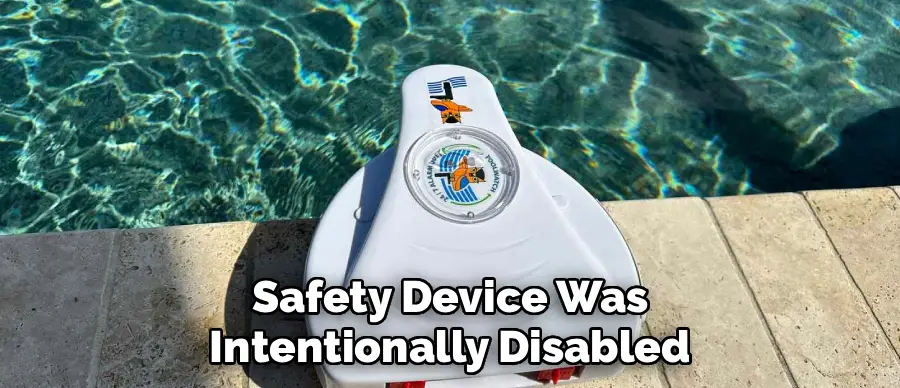
Furthermore, in many municipalities, pool alarms are required by law as part of residential building and safety codes. Disabling the alarm may put you in violation of these local ordinances, which could result in fines or other legal penalties, especially if an accident were to occur. It can also have serious implications for your homeowner’s insurance. In the event of a pool-related incident, an insurance company may deny a claim if it is discovered that a mandatory safety device was intentionally disabled. The temporary convenience gained by turning off the alarm is rarely worth the immense safety, legal, and financial risks.
Alternative Solutions for Pool Safety
- Use the alarm’s temporary bypass feature for quick entry and exit.
- Install a self-closing, self-latching gate around the pool perimeter as an additional barrier.
- Use a rigid, ASTM-certified pool safety cover when the pool is not in use.
- Designate a “Water Watcher,” an adult whose sole responsibility is to supervise the pool area.
- Install motion-sensing cameras that send alerts to your phone when activity is detected near the pool.
Seeking Professional Assistance and Advice
While this guide provides steps for disabling an alarm, pool safety is a complex and critical issue. If you are unsure about how to handle your alarm, if the system is malfunctioning, or if you are considering permanent changes to your pool safety setup, it is always best to seek professional assistance. A licensed pool safety expert or a qualified security system technician can provide invaluable advice tailored to your specific situation.
They can correctly diagnose issues with a faulty alarm, recommend and install the most appropriate safety devices for your home, and ensure all components are compliant with local laws. Professionals can also service hardwired systems safely, avoiding the risks associated with electrical work. Investing in professional advice ensures that your layered safety system is effective and properly maintained, providing true peace of mind.
How Much Will It Cost?
The cost of managing your pool door alarm can vary greatly depending on the task. If you are simply disabling the alarm temporarily using its built-in features, there is no cost involved. If the alarm is malfunctioning due to old batteries, the cost will be minimal—just the price of a new set of batteries, typically under $10. However, if the alarm system is broken and needs to be repaired or replaced, the costs can increase.
A new, basic battery-operated door alarm can cost between $30 and $60. For more advanced, hardwired systems integrated with home security, a service call from a technician might cost anywhere from $75 to $150 for the visit, plus the cost of any replacement parts. Seeking professional help to ensure your system is working correctly is a worthwhile investment in your family’s safety.
Frequently Asked Questions
Q1: Is It Illegal to Disable a Pool Door Alarm?
A1: In many regions, yes. Local and state building codes often mandate that homes with pools must have specific safety features, including door and gate alarms, that are operational at all times. Intentionally disabling a required safety device can be a violation of these codes, potentially leading to fines. It can also create significant liability for the homeowner in the event of an accident. It is crucial to check your local municipal regulations regarding pool safety requirements before disabling any alarm.
Q2: How Do I Stop My Pool Alarm from Beeping?
A2: A beeping pool alarm usually indicates a low battery or a system fault. The first step is to replace the batteries with a fresh set, as this is the most common cause. If the beeping continues after changing the batteries, consult your user manual. There may be a specific reset procedure you need to follow. If the issue persists, it could signify a malfunction in the sensor or the unit itself, in which case you should contact the manufacturer or a professional technician for assistance.
Q3: Can I Temporarily Bypass a Pool Alarm for a Party?
A3: Yes, this is one of the primary reasons for built-in bypass features. Many alarms have a “pass-through” or “temporary override” button that silences the alarm for a short period to allow entry and exit. For a party where guests will be going in and out frequently, you might consider using the sensor detachment method described in Step 6 or deactivating the system via its keypad or key, if available. However, if you do this, you must implement heightened supervision, such as appointing multiple designated “Water Watchers.”
Q4: What Should I Do if My Pool Alarm Goes Off for No Reason?
A4: False alarms can be caused by several factors. Check that the sensor magnets on the door and frame are properly aligned and are not loose; a slight misalignment can trigger the alarm. High winds or a poorly fitting door can also cause enough movement to set it off. Ensure the batteries are fresh and the contacts are clean. If you cannot identify the cause, there may be an internal fault with the alarm, and it may be time to consult a professional for repair or replacement.
Conclusion
Pool door alarms are an indispensable layer of protection for any home with a swimming pool. They provide a critical alert that can prevent a tragedy by stopping unsupervised access to the water. While there are legitimate reasons to temporarily disable an alarm, doing so must be a deliberate and cautious act, accompanied by heightened awareness and alternative safety measures. Understanding how your specific alarm works, using its built-in bypass features, and communicating with everyone in the household are key to managing it responsibly.
Ultimately, the goal is to maintain a safe environment at all times. After any period of deactivation, it is imperative to ensure the alarm is re-engaged and tested to confirm it is fully operational. Never underestimate the speed and silence with which a water-related accident can occur. By prioritizing safety and treating your pool alarm as the life-saving device it is, you can enjoy your pool with confidence and peace of mind. Thanks for reading this guide on how to disable pool door alarm.

About
Outdoor Fixes is a distinguished figure in the world of Diy design, with a decade of expertise creating innovative and sustainable Diy solutions.
His professional focus lies in merging traditional craftsmanship with modern manufacturing techniques,
fostering designs that are both practical and environmentally conscious. As the author of diy,
outdoorfixes delves into the art and science of outdoorfixes-making, inspiring artisans and industry professionals alike.
Education RMIT University
(Melbourne, Australia) Associate Degree in Design (Outdoor Fixes) Focus on sustainable design, industry-driven projects,
and practical craftsmanship. Gained hands-on experience with traditional and digital manufacturing tools, such as CAD and CNC software.
Nottingham Trent University
(United Kingdom) Bachelor’s in outdoorfixes.com and Product Design (Honors) Specialized in product design with a focus on blending creativity with production
techniques. Participated in industry projects, working with companies like John Lewis and Vitsoe to gain real-world insights.
Publications and Impact
In diy, Outdoor Fixes his insights on indoor design processes, materials, and strategies for efficient production.
His writing bridges the gap between artisan knowledge and modern industry needs, making it a must-read for both budding designers and seasoned professionals.