
Maintaining a clean and inviting swimming pool is essential for enjoying those warm, sunny days. Debris like leaves, dirt, and other small particles can quickly accumulate, turning your crystal-clear oasis into a murky pond. The Flowclear pool vacuum offers a straightforward and effective solution for keeping your pool floor and walls spotless, ensuring your water remains pristine for swimming.
This handy device is designed for ease of use, making pool maintenance less of a chore and more of a simple routine. By regularly using the Flowclear vacuum, you can significantly reduce the workload on your pool’s filtration system, extending its lifespan and improving overall water quality. This guide on how to use flowclear pool vacuum will walk you through everything you need to know, from initial setup to efficient operation, helping you achieve a perfectly clean pool with minimal effort.
Tools and Materials You May Need:
Before you begin the cleaning process, it’s helpful to gather all the necessary items in one place. This ensures a smooth and uninterrupted workflow. Here is a list of tools and materials you will likely need to operate your Flowclear pool vacuum effectively:
- Flowclear Pool Vacuum Kit (including vacuum head, pole sections, and debris bag)
- Standard Garden Hose
- Water Source (outdoor tap)
- Pool Skimmer Net (for large debris)
- Pool Test Strips or Kit
- Appropriate Pool Chemicals (if adjustments are needed post-cleaning)
- Protective Gloves (optional)
- Safety Goggles (optional)
8 Simple Step-By-Step Guidelines on How to Use Flowclear Pool Vacuum
Step 1: Assemble the Pool Vacuum
The first crucial step is to correctly assemble your Flowclear pool vacuum. Unpack all the components from the box and lay them out to ensure nothing is missing. The typical kit includes a vacuum head, several connectable sections of the aluminum pole, and a reusable debris collection bag. Begin by attaching the pole sections to one another.
They are usually designed to click or twist securely into place, forming a single long pole that allows you to reach all areas of your pool from the edge. Once the pole is fully assembled, connect it firmly to the designated socket on the vacuum head. You should feel a solid connection, indicating it is properly seated and will not detach during use.
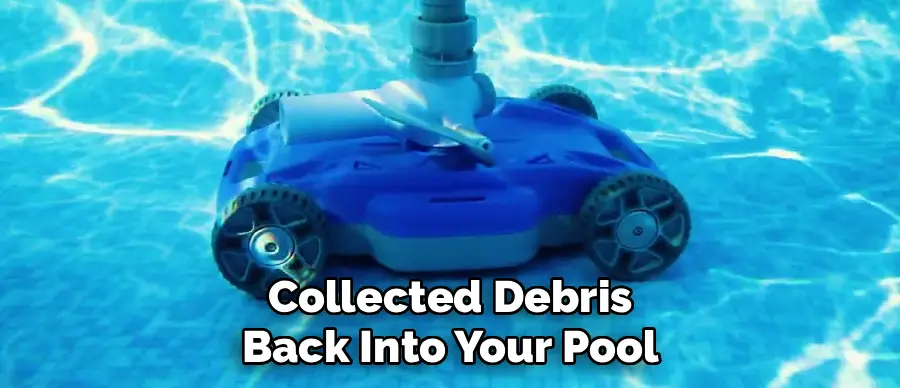
After the pole and head are connected, the next part is to attach the debris bag. This bag is specifically designed to trap leaves, twigs, dirt, and other sediment that the vacuum picks up. Locate the collar or attachment point on the vacuum head, which is often situated around the water outlet.
Slide the opening of the debris bag over this collar and secure it tightly, usually with a drawstring or a clip mechanism. Double-check that the bag is firmly attached so that it doesn’t come loose while you are cleaning, as this would release all the collected debris back into your pool, defeating the purpose of your hard work. A secure fit ensures that all waste is captured efficiently.
Step 2: Connect the Garden Hose
With the vacuum fully assembled, the next step is to connect a standard garden hose. The Flowclear pool vacuum operates using the power of water pressure from your hose, which creates a venturi effect to suck debris into the collection bag. Locate the hose connector on the vacuum head; it is a standard threaded fitting designed to match most garden hoses.
Before connecting, ensure your garden hose is long enough to comfortably reach every corner of your pool without being pulled too taut. This will give you the freedom of movement necessary to clean the entire pool surface without having to reposition the hose connection constantly.
Take the male end of your garden hose and screw it securely onto the vacuum head’s connector. Hand-tightening is usually sufficient to create a watertight seal, but you can give it a gentle turn with pliers if you notice any leaking. However, be careful not to overtighten, as this could damage the plastic threads on the vacuum head.
Once the hose is connected to the vacuum, connect the other end of the hose to your outdoor water spigot. Do not turn the water on yet. Ensure all connections are snug to prevent loss of water pressure, which is vital for the vacuum’s suction power. A secure connection at both ends is key to the tool’s performance.
Step 3: Submerge the Vacuum and Prime the Hose
Before you can start cleaning, you need to properly submerge the vacuum head in the pool and prime the system. Gently lower the entire assembled vacuum unit into the water, allowing the vacuum head to rest on the pool floor.
It is important to do this slowly to avoid stirring up the debris you intend to clean. Once the head is at the bottom, make sure the entire unit, including the lower part of the pole, is submerged. This ensures that the vacuum will be stable and ready for operation when you turn on the water. Keep the pole at a comfortable angle so you can easily maneuver it from the side of the pool.
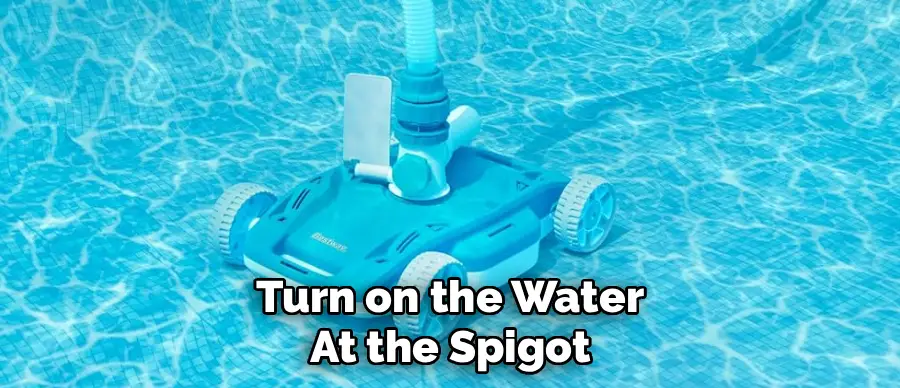
With the vacuum head in position, the next action is to turn on the water at the spigot. As water begins to flow through the hose, you will see air bubbles emerging from the vacuum head. This is the air from inside the hose being pushed out by the water. Keep the water running until the bubbles stop, which indicates that the hose is completely filled with water and primed.
This process is essential for creating the consistent water jet that powers the vacuum’s suction. You should feel a slight push from the pole as the water pressure builds. The debris bag will also start to inflate slightly with the water flow, signaling that the vacuum is now active and ready to start cleaning.
Step 4: Begin the Vacuuming Process
Now that your Flowclear vacuum is assembled, submerged, and primed, you can begin the actual cleaning process. Start at one end of the pool, preferably the shallow end, and work your way methodically towards the deep end.
This systematic approach ensures that you cover the entire pool floor and don’t miss any spots. Grip the pole firmly with both hands and guide the vacuum head slowly and deliberately across the pool floor. Use long, overlapping strokes, much like you would when vacuuming a carpet. Moving too quickly can stir up sediment and make it harder to capture, reducing the efficiency of your cleaning session.
The key to effective vacuuming is patience and a steady hand. Focus on areas where debris tends to accumulate, such as corners, steps, and around the ladder. As you move the vacuum head, you will see leaves, sand, and other debris being drawn into the vortex created by the water jet and collected in the debris bag.
Pay close attention to the clarity of the water around the vacuum head; if it becomes cloudy, you may be moving too fast. Slow down and allow the suction to do its job. For larger debris, you may need to pass over the area a few times to ensure it is fully collected.
Step 5: Maneuver the Vacuum Correctly
Properly maneuvering the Flowclear pool vacuum is essential for a thorough clean. The lightweight pole is designed for easy handling, allowing you to guide the vacuum head with precision. Use your body to help control the movement, walking along the edge of the pool as you clean different sections.
This is more effective and less tiring than trying to reach across the entire pool from a single standing position. Maintain a consistent, gentle pressure on the pole to keep the vacuum head flat against the pool floor. If you lift the head, you will break the suction, and debris may escape.
When you need to change direction or navigate around obstacles like pool ladders or toys, do so slowly and carefully. Tilting the pole allows you to angle the vacuum head into tight corners and along the curved edges where the floor meets the wall. Some Flowclear models come with brush attachments on the vacuum head, which are great for scrubbing away stubborn algae or dirt patches as you vacuum.
By using a combination of pushing, pulling, and gentle twisting motions, you can effectively clean every inch of your pool floor, leaving it looking immaculate. A smooth, controlled technique will always yield better results than rapid, jerky movements.
Step 6: Monitor and Empty the Debris Bag
As you vacuum, it is crucial to keep an eye on the debris collection bag. The bag has a finite capacity, and its effectiveness will decrease as it fills up. A full or overloaded bag will not only stop collecting new debris but can also cause the vacuum’s suction power to weaken significantly.
You will notice that the vacuum is no longer picking up dirt as effectively, or you may see a trail of fine particles being left behind. When you observe this, it is time to empty the bag. How often you need to do this depends on the amount of debris in your pool. A particularly dirty pool might require emptying the bag multiple times in a single cleaning session.
To empty the bag, turn off the water at the spigot first. Carefully lift the vacuum out of the pool, keeping the head level to avoid spilling the contents back into the water. Detach the debris bag from the vacuum head by loosening the drawstring or clip.
Turn the bag inside out over a trash can or compost pile and empty its contents. Rinse the bag thoroughly with the garden hose to remove any clinging fine sediment or algae. A clean bag will function much more efficiently. Once it’s clean, reattach it securely to the vacuum head, submerge the unit again, and resume your cleaning where you left off.

Step 7: Clean the Pool Walls and Steps
While the primary function of the Flowclear pool vacuum is to clean the pool floor, many models are also effective for cleaning vertical surfaces like walls and steps. After you have thoroughly vacuumed the floor, you can move on to these areas.
To clean the walls, position the vacuum head flat against the side of the pool. The water pressure from the hose will help hold it in place. Use slow, vertical strokes, moving from the bottom of the wall up to the waterline. Overlap each stroke slightly to ensure complete coverage. This process helps remove any biofilm or algae that may be starting to form.
Cleaning steps and benches requires a bit more finesse. These areas often have tight corners where debris loves to hide. Angle the vacuum head to fit into these nooks and crannies. The brushes on the vacuum head are particularly useful here for scrubbing away any stubborn grime.
Take your time on the steps, ensuring each tread and riser is clean. Cleaning these often-overlooked areas not only improves the appearance of your pool but also contributes to better overall water hygiene. A complete cleaning routine should always include the walls, steps, and any other submerged surfaces in addition to the floor.
Step 8: Final Rinse and Proper Storage
Once you are satisfied that your entire pool is clean, the final step is to properly clean and store your equipment. Turn off the water supply at the spigot and disconnect the garden hose from both the vacuum head and the spigot.
Lift the vacuum from the pool and give the entire unit—pole, head, and debris bag—a thorough rinse with fresh water from the hose. This removes any lingering pool chemicals, like chlorine or salt, as well as any fine sediment. Rinsing your equipment after each use is a critical maintenance step that prevents corrosion and degradation of the plastic and metal components over time.
After rinsing, disassemble the vacuum. Remove the debris bag, empty it one last time if needed, and allow it to air dry completely before storing to prevent mildew growth. Detach the pole sections and the vacuum head. Find a dry, sheltered location to store all the components, such as a garage, shed, or pool house.
Storing the equipment out of direct sunlight will protect the plastic parts from becoming brittle due to UV exposure. Proper cleaning and storage will ensure your Flowclear pool vacuum remains in excellent working condition for many seasons, always ready for the next cleaning session.
Following these steps on how to use flowclear pool vacuum, you can easily maintain a clean and healthy swimming pool throughout the year.
Safety Considerations
While using the Flowclear pool vacuum is a relatively safe activity, a few precautions will ensure a hazard-free experience. First, never operate the vacuum while people are swimming in the pool. Always be mindful of the garden hose, as it can become a trip hazard on the pool deck.
Keep the area clear and be aware of where the hose is at all times. If you are using an electric pool pump or filter system, ensure all electrical connections are safe, dry, and away from any potential splashes.
Do You Need To Use Professionals?
For the routine task of using a Flowclear pool vacuum, there is absolutely no need to hire a professional. This device is specifically designed for homeowners and is incredibly user-friendly. The assembly is intuitive, the operation relies on a simple garden hose, and the maintenance is straightforward. Following the step-by-step instructions provided in this guide is all you need to achieve a professional-level clean on your own.
Hiring a pool service for this task would be an unnecessary expense, as the Flowclear vacuum empowers you to maintain your pool’s cleanliness efficiently and affordably. Save the professionals for more complex issues like pump repair, liner replacement, or persistent chemical imbalances.

Frequently Asked Questions
Q1: Why Is My Flowclear Pool Vacuum Not Picking Up Debris?
A1: If your vacuum is not creating enough suction, there are a few common causes to check. First, ensure your garden hose is securely connected at both the spigot and the vacuum head, with no significant leaks. Low water pressure from your tap can also be a culprit, so make sure the spigot is turned on fully. Another likely reason is a full or clogged debris bag.
An overloaded bag obstructs water flow and kills suction. Empty and rinse the bag thoroughly to restore performance. Finally, check the water jets on the underside of the vacuum head to ensure they are not blocked by small stones or other debris.
Q2: How Often Should I Vacuum My Pool With the Flowclear?
A2: The ideal frequency for vacuuming your pool depends on several factors, including your local environment and how often the pool is used. As a general rule, vacuuming once a week is a good maintenance schedule to keep debris under control. However, if your pool is located near trees that shed leaves, or after a heavy storm or a windy day, you may need to vacuum more frequently. Regular vacuuming prevents debris from breaking down and affecting your water chemistry, so it is better to do it more often if you notice dirt accumulating quickly.
Q3: Can I Use the Flowclear Vacuum in an Inflatable or Above-Ground Pool?
A3: Yes, the Flowclear pool vacuum is perfectly suited for most types of above-ground pools, including inflatable and soft-sided models. Its lightweight design and plastic head make it safe to use on vinyl liners without the risk of causing punctures or tears, which can be a concern with heavier, more industrial-style vacuums. The adjustable pole length also makes it easy to handle in pools of various sizes and depths. It is an excellent and affordable choice for owners of Bestway, Intex, and other popular above-ground pool brands.
Q4: What Should I Do if the Debris Bag Gets a Hole in It?
A4: The debris bag is a critical component, and a hole will allow collected dirt to escape back into the pool. If you notice a small tear or hole, you might be able to perform a temporary repair using a waterproof patch kit. However, for a long-term solution, it is best to replace the bag.
Replacement debris bags for the Flowclear pool vacuum are widely available online and from pool supply retailers. Using a new, intact bag will ensure your vacuum operates at peak efficiency and that your cleaning efforts are not wasted.
Conclusion
The Flowclear pool vacuum is an invaluable tool for any pool owner seeking a simple, effective, and affordable way to maintain a clean swimming environment. Its clever design harnesses the power of your garden hose to make short work of leaves, dirt, and other unwanted debris. By following the detailed steps on how to use flowclear pool vacuum for assembly, operation, and maintenance outlined in this guide, you can easily keep your pool floor and walls sparkling clean throughout the swimming season.
Remember that regular cleaning is key to not only the appearance of your pool but also its overall health and the longevity of its filtration system. Proper use and care of your Flowclear vacuum will ensure it remains a reliable partner in your pool maintenance routine for years to come. With this device, you can spend less time cleaning and more time enjoying the crystal-clear water you deserve.

About
Outdoor Fixes is a distinguished figure in the world of Diy design, with a decade of expertise creating innovative and sustainable Diy solutions.
His professional focus lies in merging traditional craftsmanship with modern manufacturing techniques,
fostering designs that are both practical and environmentally conscious. As the author of diy,
outdoorfixes delves into the art and science of outdoorfixes-making, inspiring artisans and industry professionals alike.
Education RMIT University
(Melbourne, Australia) Associate Degree in Design (Outdoor Fixes) Focus on sustainable design, industry-driven projects,
and practical craftsmanship. Gained hands-on experience with traditional and digital manufacturing tools, such as CAD and CNC software.
Nottingham Trent University
(United Kingdom) Bachelor’s in outdoorfixes.com and Product Design (Honors) Specialized in product design with a focus on blending creativity with production
techniques. Participated in industry projects, working with companies like John Lewis and Vitsoe to gain real-world insights.
Publications and Impact
In diy, Outdoor Fixes his insights on indoor design processes, materials, and strategies for efficient production.
His writing bridges the gap between artisan knowledge and modern industry needs, making it a must-read for both budding designers and seasoned professionals.