
Finding little piles of pellets scattered across your grass can feel frustrating, especially after you have worked hard to keep your yard looking great. Deer love quiet, green spaces, and your lawn might be one of their favorite spots to graze and rest. The good news is that knowing how to clean deer poop from lawn surfaces is simpler than you might think, and you do not need fancy equipment to get the job done.
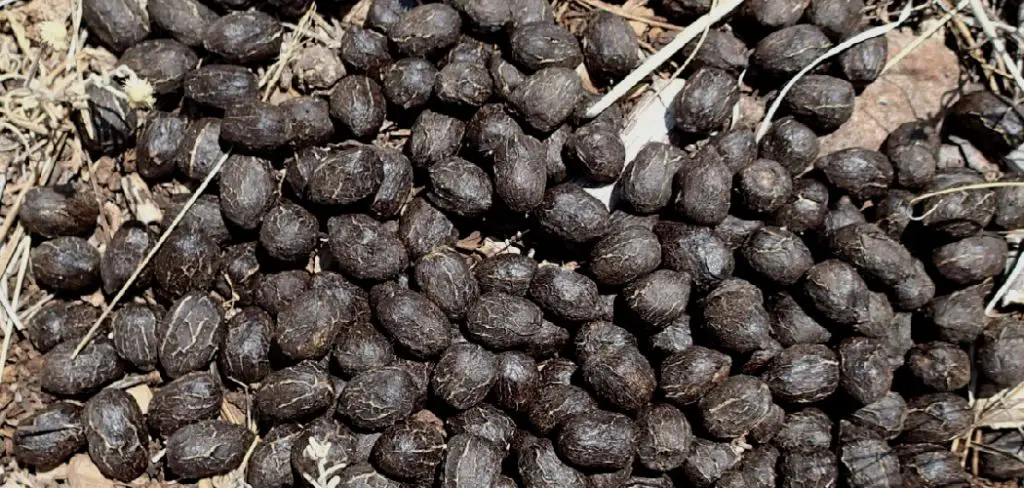
This guide walks you through everything from spotting droppings to keeping deer away for good. Whether you are a first-time homeowner or someone who has battled backyard wildlife for years, you will find practical steps that actually work. Deer droppings are not just an eyesore. They can carry bacteria and parasites that affect your family and pets, so removing them quickly matters for health and safety. By the end, you will feel confident handling cleanup like a pro and protecting the green space you care about.
Why Cleaning Deer Droppings Matters
Deer droppings might look harmless, but they can hide real risks. The waste may contain harmful bacteria such as E. coli, along with parasites and tick larvae that spread Lyme disease. Children and pets often play directly on the grass, which makes fast removal an important safety habit rather than a chore you can ignore.
Beyond health concerns, droppings damage your lawn by smothering grass and creating brown patches. Cleaning them up keeps your yard healthy, green, and pleasant to enjoy. Regular removal also discourages deer from returning, since a clean space feels less inviting to them. A little effort now saves you from bigger problems later, and it helps your lawn stay a place you are proud to show off.
Step-by-Step Guide to How to Clean Deer Poop From Lawn
Step 1: Gather the Right Supplies
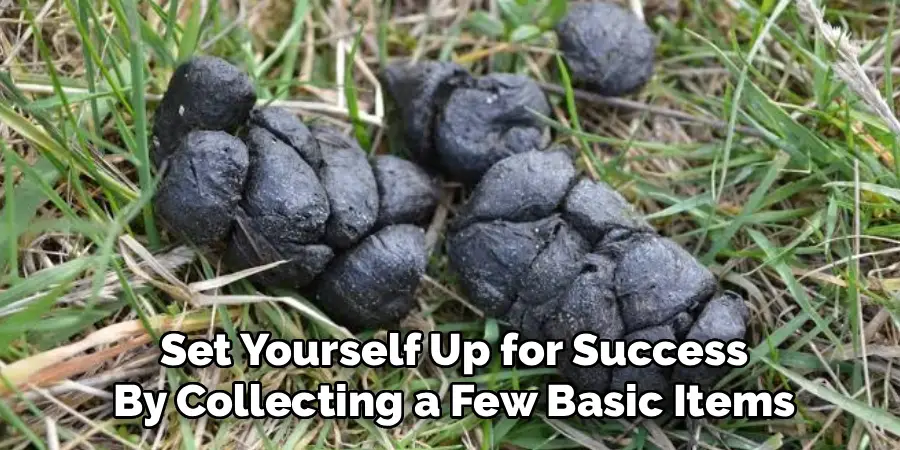
Before you head outside, set yourself up for success by collecting a few basic items. You will want disposable gloves, a small shovel or scoop, a sealed trash bag, and a face mask if you are sensitive to odors or dust. Having everything ready in one spot saves trips back and forth and keeps the task quick.
Choose tools you can dedicate to outdoor cleanup so you avoid mixing them with household items. A long-handled scoop helps protect your back, while sturdy gloves shield your hands from direct contact. Learning how to clean deer poop from lawn areas starts with smart preparation, and good supplies make the whole process safer and far less messy from the very beginning.
Step 2: Inspect Your Lawn Carefully
Walk your yard slowly and look for clusters of small, dark pellets, which usually appear in groups near feeding or resting spots. Deer often leave waste close to shrubs, garden beds, and shaded corners, so check those areas first. Spotting every pile before you start means you will not miss anything during cleanup.
Take note of patterns as you inspect. If you always find droppings in the same place, that information helps you plan prevention later. Try going out in the morning when light is soft and pellets are easier to see against the grass. A careful walk-through gives you a clear picture of the job ahead and keeps your cleanup organized.
Step 3: Scoop and Bag the Droppings
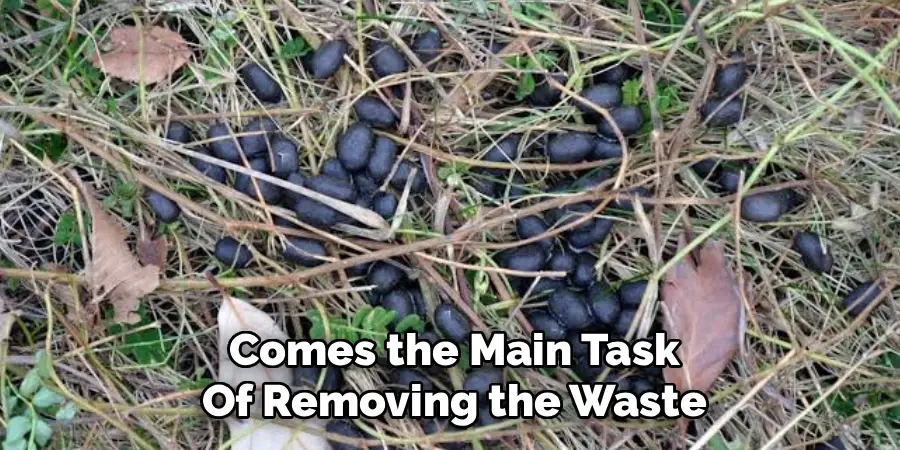
Now comes the main task of removing the waste. Put on your gloves, grab your scoop, and gently lift each pile without pressing it into the soil. Work methodically across your yard so you cover every spot you noted earlier. Drop the droppings straight into your sealed trash bag to avoid scattering them.
Move slowly and stay patient, since rushing can leave bits behind that attract pests. If pellets are stuck to the grass, a light flick with the scoop usually frees them. Once a section is clean, double-check it before moving on. Knowing how to clean deer poop from lawn turf properly means being thorough, because even small leftovers can spread bacteria and odor.
Step 4: Disinfect the Affected Area
After removing the visible waste, treat the spots where droppings sat. Mix a mild solution of water and vinegar, or use a pet-safe disinfectant, and lightly spray the affected grass. This step kills lingering bacteria and helps neutralize any smell that might attract more wildlife back to the same area.
Avoid soaking the lawn, since too much liquid can harm your grass roots. A gentle mist is enough to sanitize the surface. If you used harsh chemicals, rinse lightly afterward to protect both your turf and any curious pets. Disinfecting is an easy habit that adds a strong layer of protection, giving you peace of mind that your yard is truly clean and safe.
Step 5: Dispose of Waste Properly
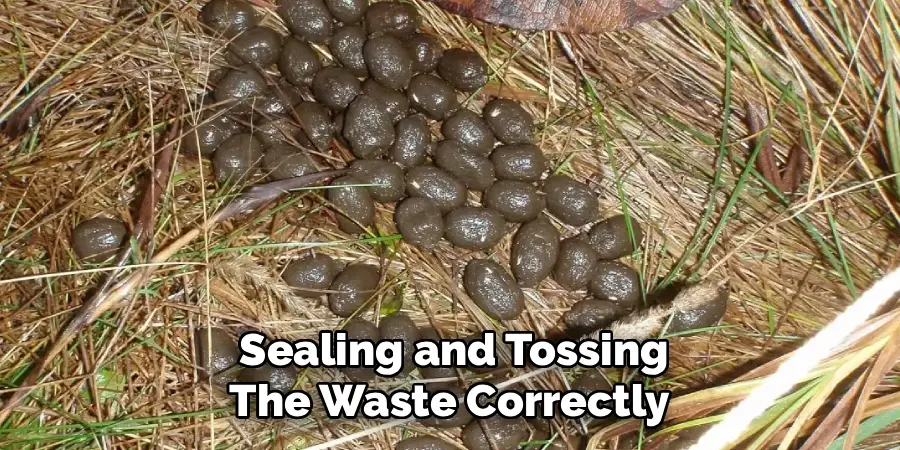
Sealing and tossing the waste correctly keeps your cleanup from undoing itself. Tie your trash bag tightly so nothing leaks or smells, then place it in an outdoor bin with a secure lid. Never add deer droppings to your compost pile, because the bacteria and parasites can survive and contaminate the soil you use later.
If you have a green-waste program in your area, check whether animal waste is allowed before including it. When in doubt, regular trash disposal is the safest choice. Wash your hands thoroughly once the bag is gone, even though you wore gloves. Proper disposal protects your family, your neighbors, and the environment, and it wraps up the dirty part of the job cleanly.
Step 6: Clean Your Tools Thoroughly
Your scoop and shovel need attention too, since dirty tools can spread bacteria the next time you use them. Rinse them with a hose to remove debris, then wash with soap and a disinfectant solution. Pay special attention to grooves and edges where waste might hide and dry into stubborn spots.
Let your tools air-dry in the sun, which adds natural sanitizing power, before storing them away. Keep these cleanup tools separate from gardening gear you use around food plants. A quick rinse now prevents cross-contamination and keeps everything ready for next time. Taking a few extra minutes here protects your hard work and ensures your equipment stays safe and reliable for future yard care.
Step 7: Prevent Future Deer Visits
The best cleanup is the one you rarely need to do, so focus on keeping deer away. Install motion-activated sprinklers, hang reflective objects, or plant deer-resistant shrubs like lavender and marigold around your borders. These simple deterrents make your yard far less welcoming without harming the animals.
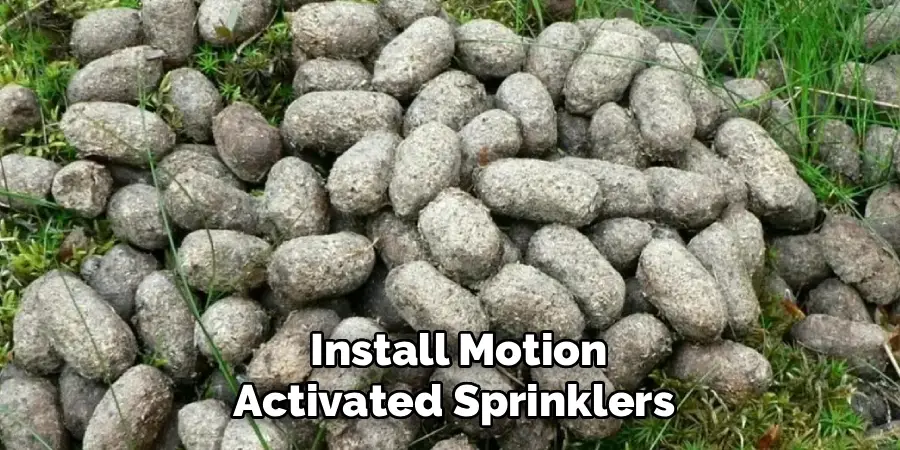
You can also apply natural repellents that use scents deer dislike, refreshing them after heavy rain. Fencing remains the most reliable option for larger properties. Combine a few methods for the strongest results, since deer often adapt to a single trick. With steady prevention, you will spend less time scooping and more time enjoying a clean, healthy lawn all season long.
Frequently Asked Questions
Is Deer Poop Dangerous to Humans and Pets?
Yes, deer droppings can carry bacteria like E. coli, along with parasites and tick larvae that spread diseases such as Lyme. While casual contact is usually low-risk, children and pets who play on the grass face higher exposure. Wearing gloves during cleanup and washing your hands afterward greatly reduces any danger and keeps your whole household safer.
How Often Should I Check My Yard for Droppings?
A quick daily or every-other-day walk works well if deer visit often. For occasional visitors, a weekly inspection is usually enough. Checking after dawn helps you spot fresh pellets easily. Regular monitoring keeps waste from piling up, protects your grass from damage, and lets you act fast before bacteria spread or odors attract even more wildlife to your space.
Can I Add Deer Droppings to My Compost Pile?
It is best to avoid composting deer waste at home. The droppings can contain parasites and harmful bacteria that survive normal composting temperatures, which means they could contaminate the soil you later use in gardens. Commercial composting facilities reach higher heat that kills pathogens, but home piles rarely do. Sealing the waste and tossing it in the trash is the safer choice.
What Natural Products Help Disinfect the Grass?
A simple mix of white vinegar and water makes an effective, pet-friendly disinfectant for treated spots. You can also find enzyme-based cleaners designed for outdoor animal waste at most garden stores. Apply lightly so you avoid harming your grass, and let the area dry naturally. These gentle options sanitize the surface while keeping your lawn, pets, and family comfortable and protected.
Do Deer Always Return to the Same Spot?
Often, yes. Deer follow familiar routes and revisit areas where they feel safe and find food. That is why droppings tend to cluster in the same corners or near shrubs. Cleaning regularly and adding deterrents breaks this habit over time. By making your yard less predictable and less inviting, you encourage deer to move along and graze somewhere else.
Conclusion
Keeping your yard fresh and safe does not have to be a struggle. Once you understand how to clean deer poop from lawn spaces, the routine becomes quick and manageable. Start with the right supplies, inspect carefully, scoop and bag the waste, disinfect the area, dispose of everything properly, and clean your tools before storing them. Finishing with smart prevention keeps deer from turning your grass into their regular stop.
Each step protects your family, your pets, and the lawn you have worked hard to maintain. Stay consistent, and you will notice fewer droppings and healthier grass over time. Grab your gloves, follow this guide, and take charge of your yard today. With a little effort and the right habits, you can enjoy a clean, green space you are truly proud to call your own.

About
Outdoor Fixes is a distinguished figure in the world of Diy design, with a decade of expertise creating innovative and sustainable Diy solutions.
His professional focus lies in merging traditional craftsmanship with modern manufacturing techniques,
fostering designs that are both practical and environmentally conscious. As the author of diy,
outdoorfixes delves into the art and science of outdoorfixes-making, inspiring artisans and industry professionals alike.
Education RMIT University
(Melbourne, Australia) Associate Degree in Design (Outdoor Fixes) Focus on sustainable design, industry-driven projects,
and practical craftsmanship. Gained hands-on experience with traditional and digital manufacturing tools, such as CAD and CNC software.
Nottingham Trent University
(United Kingdom) Bachelor’s in outdoorfixes.com and Product Design (Honors) Specialized in product design with a focus on blending creativity with production
techniques. Participated in industry projects, working with companies like John Lewis and Vitsoe to gain real-world insights.
Publications and Impact
In diy, Outdoor Fixes his insights on indoor design processes, materials, and strategies for efficient production.
His writing bridges the gap between artisan knowledge and modern industry needs, making it a must-read for both budding designers and seasoned professionals.