
Many beginners water often yet still end up with dry, patchy turf because the moisture disappears before the roots can drink it. Learning how to retain moisture in lawn helps you save water, lower your bills, and keep your grass lush even during hot, dry weeks.
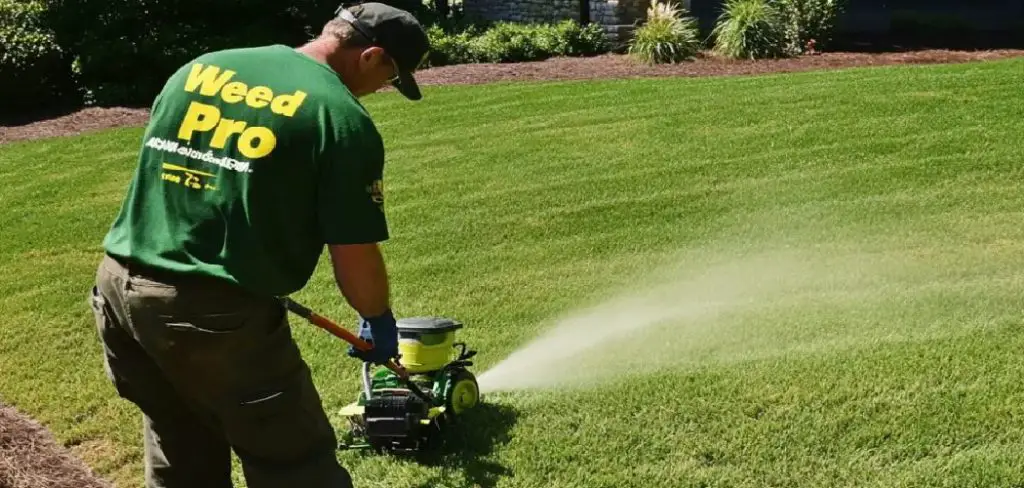
This guide breaks the process down into clear, friendly steps that anyone can follow. You do not need fancy equipment or years of gardening experience. With a few smart habits and some easy adjustments, you can build a lawn that holds water like a sponge instead of letting it slip away. Think of this as your starting point for stronger roots, fewer brown spots, and far less guesswork. By the end, you will know exactly what to do, why it works, and how to keep your lawn thriving all season long.
Why Retaining Moisture in Your Lawn Matters
Holding water in your soil does more than keep grass green. It protects your lawn from heat stress, reduces the risk of disease, and helps roots grow deeper and stronger. Deep roots mean tougher grass that bounces back faster after foot traffic, dry spells, or temperature swings.
There is also a practical money side to this. When your soil keeps water longer, you water less often, which lowers your utility costs and saves time. You also reduce runoff, so fewer nutrients wash away. The result is a lawn that looks better with less effort and fewer resources. For anyone wanting a healthy yard without daily watering, good moisture retention is one of the smartest goals you can set.
Step-by-Step Guide to How To Retain Moisture in Lawn
Step 1: Test and Improve Your Soil
Start by understanding what is under your grass. Grab a small handful of soil and squeeze it. If it crumbles instantly, it likely drains too fast and struggles to hold water. Sandy soil drains quickly, while heavy clay holds water but can compact and block roots.

The fix is organic matter. Mixing in compost helps both extremes by improving structure and water-holding ability. Spread a thin layer of compost across your lawn once or twice a year and rake it in gently. Over time, this builds soil that acts like a reservoir, slowly releasing water to thirsty roots instead of letting it drain or evaporate away.
Step 2: Water Deeply and Less Often
Frequent shallow watering trains grass to grow short, weak roots near the surface, where moisture vanishes fast. Instead, water deeply so the soil gets soaked several inches down. This encourages roots to reach lower, where the ground stays cooler and damper for longer.
A good rhythm is to water two or three times a week rather than a little every day. Aim to give your lawn about one inch of water per week, including rainfall. Place a small container on the grass while watering to measure how long it takes to reach that mark, then repeat that timing for consistent, even coverage.
Step 3: Add a Layer of Mulch or Grass Clippings
Mulch is one of the easiest ways to slow evaporation and learn how to retain moisture in lawn areas that dry out fast. A thin layer over bare patches or garden borders shields the soil from harsh sun and wind, keeping the ground cooler and wetter.
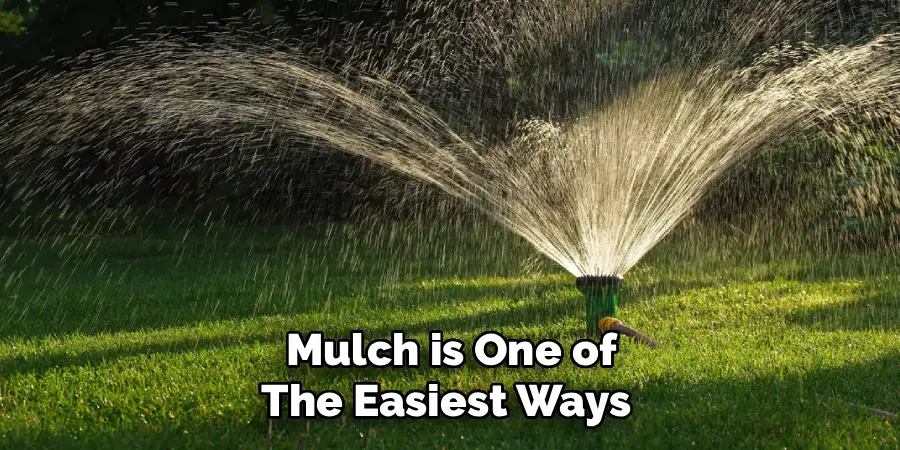
For the lawn itself, leave grass clippings behind after mowing. This practice, called grasscycling, returns moisture and nutrients straight back to the soil. The clippings break down quickly and act like a light blanket that traps water near the roots. Just make sure clippings are short so they settle in rather than smothering the grass below.
Step 4: Mow at the Right Height
Cutting grass too short stresses it and exposes the soil to direct sun, which dries it out fast. Taller grass blades shade the ground, slow evaporation, and help the lawn stay hydrated between waterings. Longer blades also support deeper roots that tap into stored moisture.
Set your mower higher and follow the one-third rule, never removing more than a third of the blade height in a single cut. Keep the blade sharp too, since a clean cut heals faster and loses less water than a ragged, torn edge. This small change makes a surprising difference during hot weather.
Step 5: Aerate Compacted Soil
When soil becomes packed down from foot traffic or heavy clay, water cannot soak in properly. It pools on top or runs off instead of reaching the roots. Aeration solves this by pulling small plugs of soil from the ground, creating channels for air and water to travel deeper.
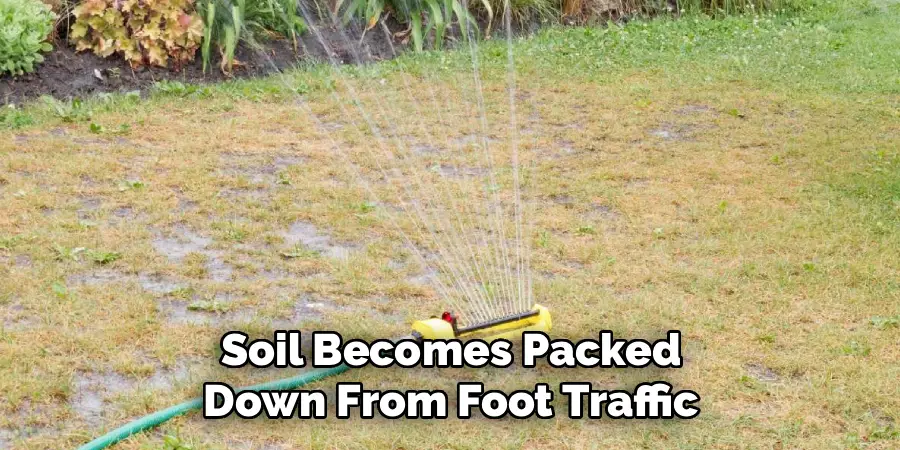
You can rent a core aerator or use a manual tool for smaller yards. Aerate once a year, ideally during your grass’s active growing season. Afterward, water and topdress with compost to fill those new openings. This combination boosts how well your soil absorbs and holds water, giving roots easier access to moisture.
Step 6: Choose Drought-Tolerant Grass
If your lawn constantly struggles in the heat, the grass type itself may be the problem. Some varieties simply handle dry conditions far better than others. Switching to a drought-tolerant species is a powerful long-term way to support how to retain moisture in lawn spaces with minimal effort.
Warm-season grasses like Bermuda and Zoysia, or cool-season options like tall fescue, develop deep roots and need less frequent watering. You can overseed your existing lawn with these hardier types to gradually build resilience. Check which grass suits your climate and soil before planting, so your effort pays off with stronger, thirstier-resistant turf.
Step 7: Water at the Best Time of Day
Timing changes everything. Watering in the middle of the day means much of it evaporates before it ever reaches the roots. The smartest window is early morning, when temperatures are cool and wind is calm. This lets water soak deep while the grass has the whole day to absorb it.
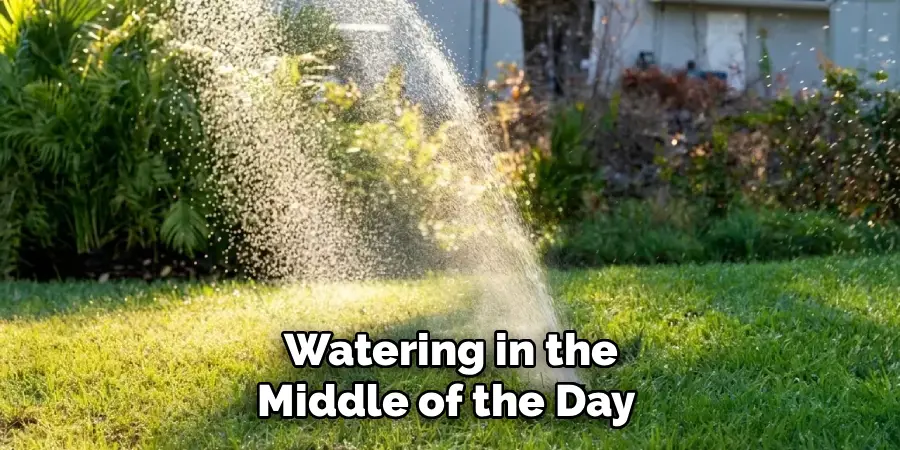
Avoid watering late at night, since blades that stay wet for hours can invite fungus and disease. If mornings are tricky, early evening works as a backup, just give the grass enough time to dry before dark. Consistent, well-timed watering keeps moisture in the soil where your lawn needs it most.
Frequently Asked Questions
How Often Should I Water My Lawn to Keep It Moist?
Most lawns thrive on about one inch of water per week, split into two or three deep sessions rather than daily sprinkles. Deep watering encourages roots to grow downward, where soil stays damp longer. Adjust based on weather, since hot, windy days dry soil faster. Use a small container to measure output and keep your watering consistent and even.
Does Mulching Really Help My Lawn Hold Water?
Yes, mulching is one of the simplest and most effective tricks. A light layer of organic mulch or leftover grass clippings shades the soil, slows evaporation, and keeps the ground cooler. This means water stays available to roots for much longer. The mulch also breaks down over time, adding nutrients and improving soil structure, which further boosts your lawn’s natural ability to hold moisture.
What Type of Soil Holds Moisture Best?
Loamy soil rich in organic matter holds water best because it balances drainage with retention. Sandy soil drains too fast, while heavy clay holds water but can compact and block roots. The good news is you can improve any soil by mixing in compost regularly. Over time, this builds a healthier, sponge-like structure that stores water and releases it slowly to your grass.
Why Does My Lawn Dry Out So Quickly?
Several factors cause fast drying, including compacted soil, shallow roots, cutting grass too short, and watering at the wrong time. Each of these lets moisture escape before roots can use it. Start by checking your mowing height, aerating packed soil, and shifting watering to early morning. Small adjustments like these work together to slow evaporation and keep your lawn hydrated longer.
Can Taller Grass Help Retain Water?
Absolutely. Taller grass blades shade the soil surface, which lowers temperature and slows evaporation dramatically. Longer blades also support deeper, stronger roots that reach moisture stored further down. Raise your mower height and follow the one-third rule when cutting. This simple habit protects the ground from harsh sun and helps your lawn stay green and healthy through hot, dry stretches.
Conclusion
Keeping your grass green does not have to mean endless watering or constant worry. When you understand how to retain moisture in lawn soil, everything becomes easier and more rewarding. The key takeaways are simple, build healthy soil with compost, water deeply but less often, mulch wisely, mow higher, aerate when needed, pick the right grass, and water early in the day.
Each step works together to keep water where your roots need it most. Start with one or two changes this week, then add more as you go. You will quickly notice fewer brown spots, lower water bills, and a lawn that stays lush even when the heat rises. Your healthier, greener yard is well within reach, so grab your tools and put these tips into action today.

About
Outdoor Fixes is a distinguished figure in the world of Diy design, with a decade of expertise creating innovative and sustainable Diy solutions.
His professional focus lies in merging traditional craftsmanship with modern manufacturing techniques,
fostering designs that are both practical and environmentally conscious. As the author of diy,
outdoorfixes delves into the art and science of outdoorfixes-making, inspiring artisans and industry professionals alike.
Education RMIT University
(Melbourne, Australia) Associate Degree in Design (Outdoor Fixes) Focus on sustainable design, industry-driven projects,
and practical craftsmanship. Gained hands-on experience with traditional and digital manufacturing tools, such as CAD and CNC software.
Nottingham Trent University
(United Kingdom) Bachelor’s in outdoorfixes.com and Product Design (Honors) Specialized in product design with a focus on blending creativity with production
techniques. Participated in industry projects, working with companies like John Lewis and Vitsoe to gain real-world insights.
Publications and Impact
In diy, Outdoor Fixes his insights on indoor design processes, materials, and strategies for efficient production.
His writing bridges the gap between artisan knowledge and modern industry needs, making it a must-read for both budding designers and seasoned professionals.