
Replacing a tired patch of grass feels great, but it leaves you with a heavy pile of leftover turf that needs to go somewhere. Knowing how to dispose of old sod the right way saves you time, protects your back, and keeps your yard tidy through the whole project. Old sod is simply the top layer of grass and soil you strip away when you renovate a lawn, fix bare spots, or prep a garden bed. It might look like trash, but it still holds soil, roots, and nutrients that can be reused in clever ways.
This guide walks you through clear, friendly steps that work for any skill level. You will learn how to lift sod, sort it, recycle it, and toss what you cannot reuse. We keep the language simple and the advice practical, so you feel confident from start to finish. Whether you have a small strip or a whole backyard to clear, you will finish with a plan that fits your space, your schedule, and your budget without any guesswork.
Why Disposing Of Old Sod Matters
Leaving stripped turf to rot in a corner invites pests, weeds, and a sour smell that no one wants near the patio. Handling it properly keeps your yard healthy and your neighbors happy. Old sod is also surprisingly useful. The soil clinging to those roots is full of organic matter that can feed new garden beds, fill low spots, or build a compost pile that pays you back later.
There is a money angle too. Many landfills charge by weight, and sod is heavy with moisture and dirt. Reusing or recycling it cuts your dumping costs and reduces waste. Smart disposal turns a messy chore into a chance to improve your soil, support your plants, and lighten your environmental footprint all at once.
Step-By-Step Guide To How To Dispose Of Old Sod
Step 1: Plan Your Project Before You Cut
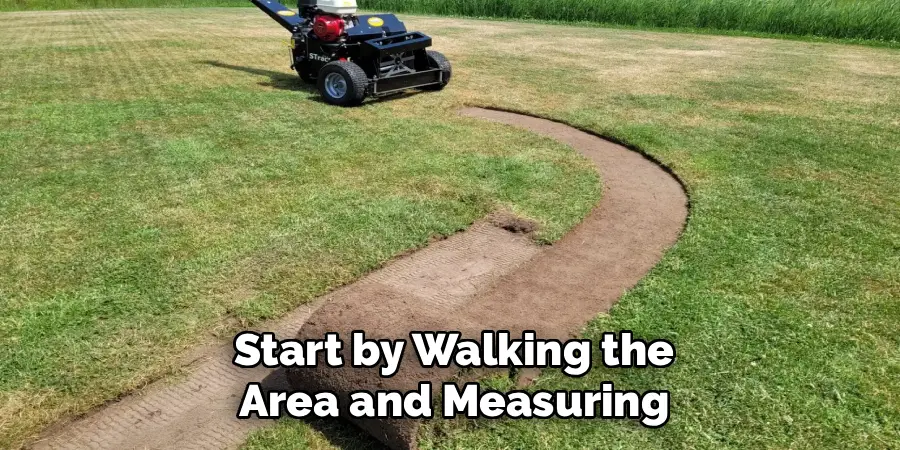
Start by walking the area and measuring how much turf you need to remove. A quick sketch helps you estimate volume, which tells you whether you can handle the job with a wheelbarrow or need a trailer. Check the weather too, since dry soil is lighter and easier to lift than soggy ground. Decide early how you want to handle the old sod, because that choice shapes every step that follows. If you plan to compost it, pick a spot now. If you plan to haul it away, line up your transport. A little planning prevents a lot of heavy lifting later.
Step 2: Gather The Right Tools
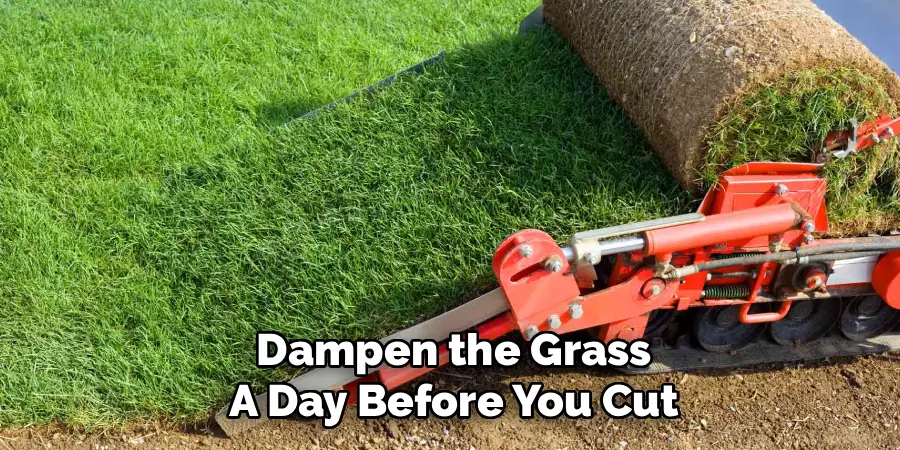
Good tools turn a backbreaking task into a manageable one. For small jobs, a sharp flat spade and a sturdy wheelbarrow do the trick. For larger areas, renting a sod cutter from a local hardware store saves hours and spares your knees. Wear gloves, closed shoes, and knee pads to stay comfortable, and keep a tarp nearby to collect the pieces as you work. Having everything ready before you begin means fewer trips back and forth. When your gear is sorted, you can move steadily and keep a rhythm, which makes the whole process feel smoother and far less tiring.
Step 3: Water Lightly And Cut Into Strips
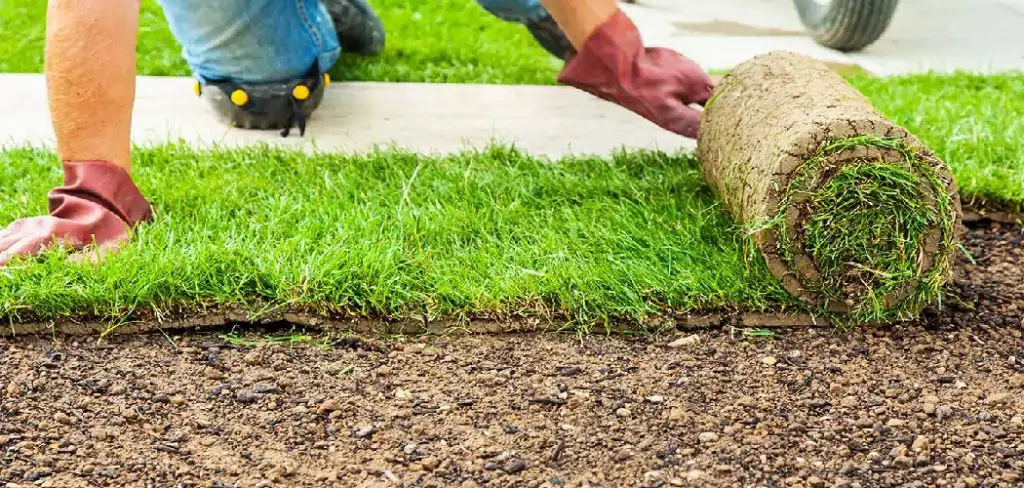
Dampen the grass a day before you cut, since slightly moist soil holds together better and lifts cleanly. Avoid soaking it, though, because wet sod becomes heavy and hard to carry. Use your spade or sod cutter to slice the lawn into long, narrow strips about a foot wide. Slide the blade just under the root layer, keeping the cut shallow so you remove grass and roots without digging up too much extra dirt. Roll each strip like a carpet as you go. These tidy rolls are easier to stack, move, and store, and they keep your work area neat throughout.
Step 4: Sort The Healthy Pieces From The Waste
Once your strips are rolled, take a moment to sort them. Healthy sod with green grass and firm roots can be replanted elsewhere or given away to neighbors who need patches. Pieces full of weeds, disease, or pests should be set aside for proper disposal so problems do not spread. This sorting step is the heart of learning how to dispose of old sod responsibly, because it decides what gets a second life and what truly needs to leave your property. Keep two separate piles to avoid mixing the good with the bad, and label them if your project will span more than one day.
Step 5: Compost What You Can
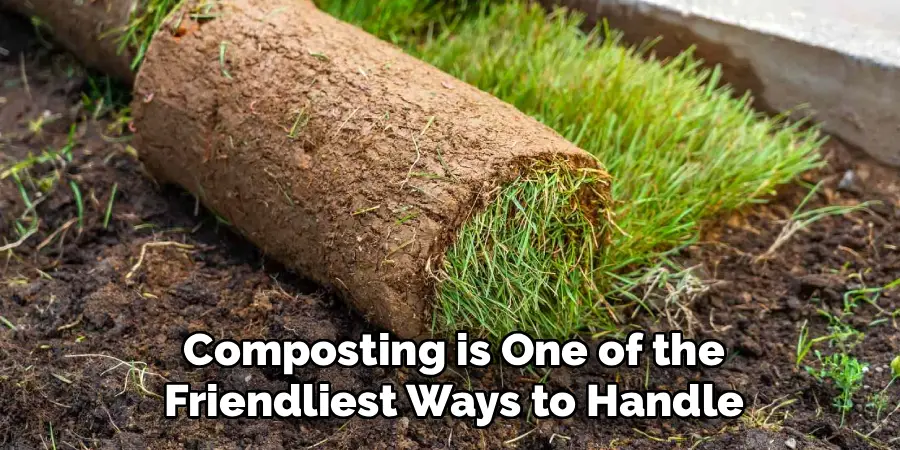
Composting is one of the friendliest ways to handle leftover turf. Flip each strip grass side down and stack the pieces in a shaded corner to build a sod pile. Over several months, the grass breaks down and the roots decompose, leaving rich, crumbly soil you can spread on garden beds. Cover the pile with a tarp to speed things along and keep weeds from sprouting. Turn it occasionally if you want faster results. This approach costs nothing, keeps material out of the landfill, and rewards your patience with free, nutrient-packed soil that your future plants will love.
Step 6: Reuse Sod Around Your Yard
Before you throw anything away, look for spots that could use a quick fix. Healthy sod pieces patch bare areas, level dips in the lawn, or edge a flower bed with instant green. You can even stack strips to build a small raised mound for planting. Reusing turf is a satisfying part of how to dispose of old sod without spending a dime, and it gives your landscape a polished finish. Share extra pieces with friends or list them online for free, since gardeners often welcome ready-made grass. Every piece you reuse is one less load you have to haul or pay to dump.
Step 7: Haul Away The Rest Responsibly
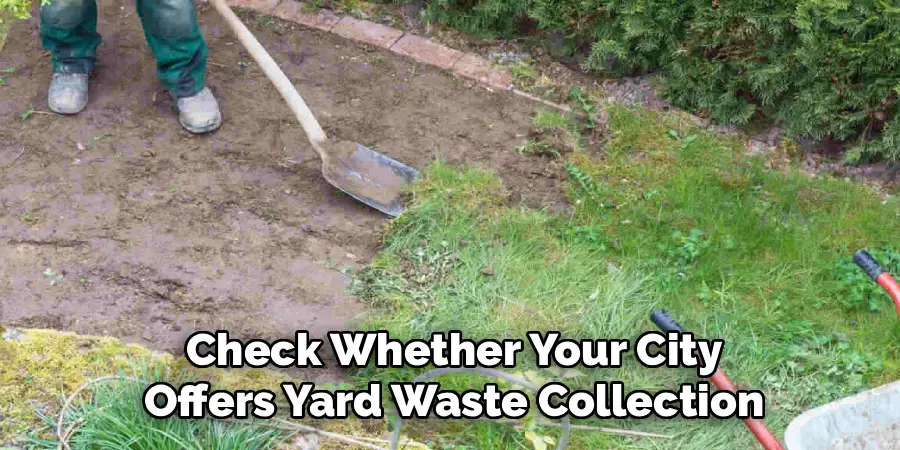
When you have composted and reused all you can, deal with the leftovers properly. Check whether your city offers yard waste collection, since many programs accept turf during certain seasons. If not, load the rolls onto a trailer and take them to a green waste facility, where staff turn organic material into mulch and compost. Avoid mixing sod with regular trash, because the weight raises fees and the soil belongs in a recycling stream instead. Drive carefully with a heavy load and secure everything before you leave. Clearing the last pieces this way wraps up your project on a clean, responsible note.
Frequently Asked Questions
Can I Throw Old Sod In My Regular Trash Bin?
You usually can place small amounts in your trash, but it is rarely the best choice. Sod is heavy and bulky, so it fills bins fast and can raise disposal costs where fees depend on weight. Many areas also discourage sending organic material to landfills. Composting, reusing, or dropping it at a green waste site is cleaner, cheaper, and far better for the environment in the long run.
How Long Does Sod Take To Decompose In A Compost Pile?
A sod pile typically breaks down in about six to twelve months, depending on your climate and how you manage it. Warm, moist conditions speed things along, while cold or dry weather slows the process. Turning the pile and keeping it covered with a tarp helps it decompose faster. When the grass and roots have crumbled into dark, loose soil, your homemade compost is ready to enrich garden beds.
Is It Worth Renting A Sod Cutter For A Small Lawn?
For a small patch, a sharp spade usually does the job well and costs nothing extra. Renting a sod cutter makes sense once you face a larger area, since it saves significant time and protects your back from strain. Weigh the rental price against the size of your project. If you have more than a few hundred square feet to clear, the machine is often a smart, energy-saving investment.
Can I Give Away Old Sod Instead Of Disposing Of It?
Absolutely, and many gardeners welcome the offer. Healthy strips with green grass and firm roots make great patches for someone else’s lawn or garden. Post a free listing online or ask neighbors who might need turf. Giving it away keeps usable material out of the waste stream and helps your community. Just be honest about the condition, and only share pieces free of weeds, pests, or disease.
Will Leftover Sod Attract Pests If I Leave It Out?
Yes, an uncovered pile can attract insects, rodents, and even snakes looking for shelter and moisture. Rotting grass also produces an unpleasant smell over time. To avoid trouble, cover any pile with a tarp, compost it in a managed spot, or remove it promptly. Keeping the material contained and tidy protects your yard, your home, and your neighbors from unwanted visitors and odors.
Conclusion
Clearing out tired turf does not have to be a chore you dread. With a simple plan, the right tools, and a little patience, you can turn a heavy pile of grass into rich compost, fresh patches for your lawn, or a tidy load for the green waste center. The key is to sort smartly, reuse what you can, and recycle the rest instead of sending it all to the landfill. Following these steps shows you how to dispose of old sod in a way that saves money, protects the planet, and keeps your yard looking its best.
Now it is your turn to put this guide into action. Grab your spade, gather your gear, and tackle that project with confidence knowing every piece has a purpose. Your lawn, your wallet, and the environment will thank you for it.

About
Outdoor Fixes is a distinguished figure in the world of Diy design, with a decade of expertise creating innovative and sustainable Diy solutions.
His professional focus lies in merging traditional craftsmanship with modern manufacturing techniques,
fostering designs that are both practical and environmentally conscious. As the author of diy,
outdoorfixes delves into the art and science of outdoorfixes-making, inspiring artisans and industry professionals alike.
Education RMIT University
(Melbourne, Australia) Associate Degree in Design (Outdoor Fixes) Focus on sustainable design, industry-driven projects,
and practical craftsmanship. Gained hands-on experience with traditional and digital manufacturing tools, such as CAD and CNC software.
Nottingham Trent University
(United Kingdom) Bachelor’s in outdoorfixes.com and Product Design (Honors) Specialized in product design with a focus on blending creativity with production
techniques. Participated in industry projects, working with companies like John Lewis and Vitsoe to gain real-world insights.
Publications and Impact
In diy, Outdoor Fixes his insights on indoor design processes, materials, and strategies for efficient production.
His writing bridges the gap between artisan knowledge and modern industry needs, making it a must-read for both budding designers and seasoned professionals.