
A brown, patchy yard can feel discouraging, especially after you have put time into mowing and watering. The good news is that bare or dead spots are fixable, and learning how to reseed dead lawn gives you a clear path back to thick, green grass. Reseeding simply means spreading fresh grass seed over damaged areas so new growth can fill in where the old turf gave up. It matters because a healthy lawn does more than look nice.
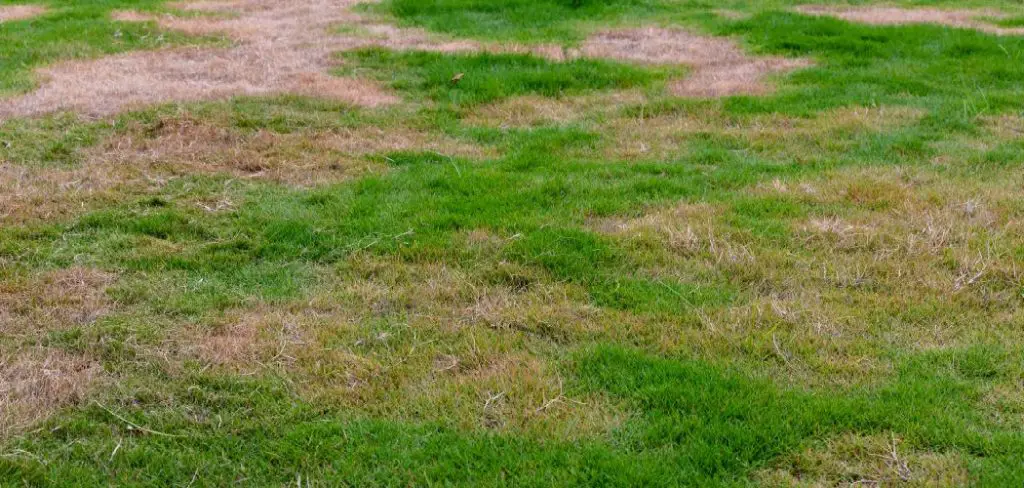
Strong grass crowds out weeds, holds soil in place, cools the air around your home, and creates a soft space for kids and pets to play. Whether your lawn suffered from drought, heavy foot traffic, pests, or disease, the right steps can bring it back to life. This guide walks you through the process in plain language, no gardening degree required. You will learn how to prepare the ground, choose the right seed, and care for new sprouts so they thrive. Take it one step at a time, and you will see real progress.
Why Reseeding a Dead Lawn Matters
Reseeding does more than improve curb appeal, though a lush yard certainly turns heads. A dense lawn acts like a natural filter, trapping dust and reducing runoff during heavy rain. Thick grass also blocks sunlight from reaching weed seeds, so you spend less time pulling dandelions later.
When you fill in dead patches early, you stop bare soil from spreading and protect the healthy grass nearby. Fresh seed introduces newer, hardier grass varieties that resist drought and disease better than older turf. There are comfort benefits too, since living grass cools the ground and feels far better underfoot than dry dirt. Best of all, reseeding costs a fraction of full sod replacement, making it a smart, budget-friendly way to restore your outdoor space.
Step-by-Step Guide to How to Reseed Dead Lawn
Step 1: Inspect and Diagnose the Problem
Before you spread a single seed, walk your yard and look closely at the damaged areas. Knowing why the grass died helps you avoid repeating the same mistake. Tug gently on the dead patches, and if they lift up easily like a loose carpet, grubs or pests may be the cause.
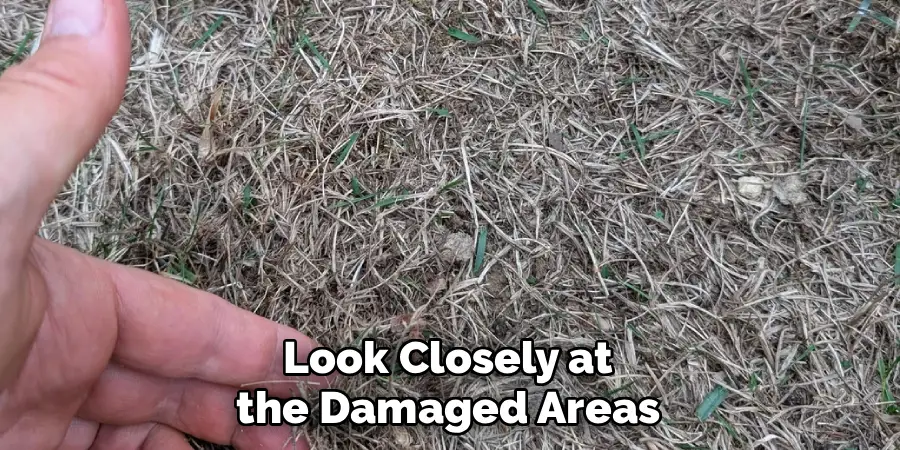
Compacted, rock-hard soil often points to heavy foot traffic, while fuzzy or discolored spots can signal fungal disease. Note shady zones too, since many grass types struggle without sunlight. Jot down what you find so you can match the right seed and treatment later. A few minutes of detective work now saves you from wasted effort.
Step 2: Clear Away the Dead Grass
Once you understand the cause, it is time to remove the dead material so new seed can reach the soil. Use a sturdy metal rake to scratch out brown, brittle grass and loosen the surface. For larger areas, a dethatching rake or a rented power dethatcher makes the job faster and easier on your back.
Pull any visible weeds by the root so they do not compete with your fresh sprouts. Bag up the debris and clear away rocks, twigs, and clumps. Your goal is to expose bare, workable dirt where seed can settle in and make solid contact. Clean ground gives every seed a fair chance.
Step 3: Loosen and Prepare the Soil
Healthy roots need loose, breathable soil to take hold. Use a garden rake, hand cultivator, or core aerator to break up the top inch or two of compacted ground. If the dirt feels dense and dry, aeration creates tiny channels that let water, air, and nutrients reach the seed. This is also the perfect moment to test your soil with an inexpensive kit from any garden center.
A quick test reveals whether your soil is too acidic or lacking key nutrients, so you can adjust with lime or fertilizer. Smooth, crumbly soil that you can run your fingers through is exactly what you want before planting.
Step 4: Choose the Right Grass Seed
Picking the correct seed makes a huge difference in your results, so match it to your climate and yard conditions. Cool-season grasses like fescue and ryegrass thrive in northern regions, while warm-season types such as Bermuda and zoysia suit hot southern climates. Pay attention to sunlight too, since shade-tolerant blends work best under trees and full-sun mixes love open areas.
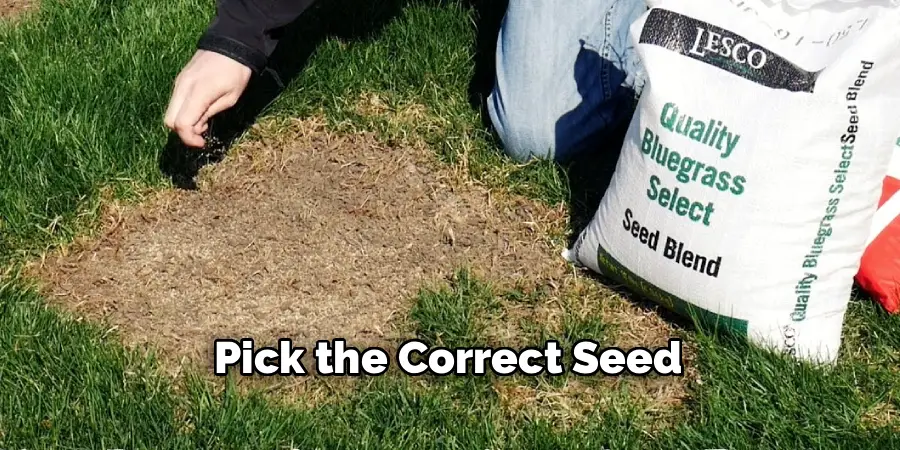
Read the label and check the purity and germination rates, choosing quality seed over the cheapest bag. When you understand how to reseed dead lawn with the proper variety, your new grass blends naturally with the surrounding turf and stands a much better chance of lasting.
Step 5: Spread the Seed Evenly
With your soil ready, it is time to plant. For small patches, you can scatter seed by hand, but a broadcast or drop spreader gives far more even coverage across larger zones. Follow the seeding rate printed on the bag, since too little leaves thin spots and too much causes crowded, weak growth. Walk in one direction first, then go over the area again in a crossing pattern to fill any gaps. After spreading, lightly rake the surface so the seed sits just under a thin layer of soil. Press it down gently with a roller or by walking over it to ensure firm contact with the ground.
Step 6: Water Gently and Consistently
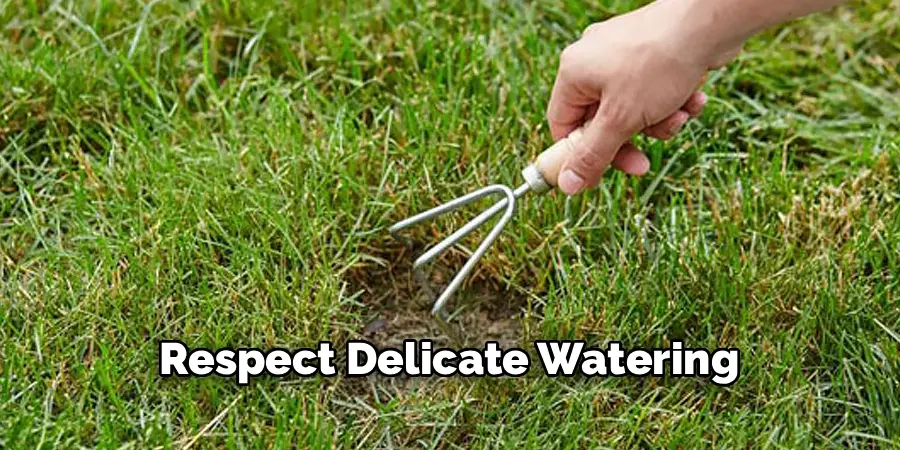
Water is where many people either succeed or stumble, so handle this step with care. Right after seeding, give the area a light, gentle soak using a fine spray rather than a heavy blast that washes seed away. For the first couple of weeks, keep the top inch of soil consistently moist by watering lightly two or three times a day.
void soggy puddles, since standing water can rot seed and breed disease. As the new grass sprouts and grows taller, gradually shift to deeper, less frequent watering to encourage strong roots. Knowing how to reseed dead lawn means respecting this delicate watering window closely.
Step 7: Protect, Feed, and Maintain
Your new seedlings are fragile, so guard them while they establish. Keep foot traffic, pets, and mowers off the area until the grass reaches about three inches tall. A thin layer of straw mulch or a seed-starting blanket helps lock in moisture and shields seed from hungry birds. Apply a gentle starter fertilizer to feed early growth, then hold off on weed killers, which can harm tender sprouts.
Once the grass is tall and rooted, mow it on a high setting and water deeply but less often. With steady care over the following weeks, those once-bare patches will blend seamlessly into a full, green carpet.
Frequently Asked Questions
How Long Does It Take for New Grass to Grow?
Most grass seed sprouts within seven to twenty-one days, though the exact timing depends on the variety and weather. Cool-season grasses often germinate faster in mild temperatures, while warm-season types need consistent heat. You should see noticeable filling-in within four to six weeks. Keep the soil moist and be patient, since rushing the process or skipping watering can slow or stall germination considerably.
What Is the Best Time of Year to Reseed?
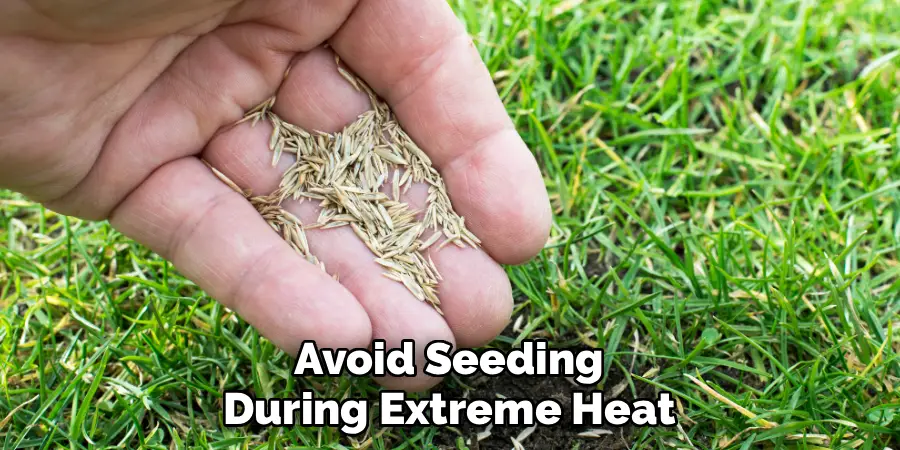
Timing depends on your grass type and region. For cool-season grasses, early fall is ideal because the soil stays warm while air temperatures cool, creating perfect growing conditions. Spring is a solid second choice. Warm-season grasses do best when planted in late spring or early summer once the soil has fully warmed. Avoid seeding during extreme heat or hard frost, since both stress fragile new sprouts.
Should I Use Topsoil or Compost When Reseeding?
A thin layer of quality compost works wonderfully because it adds nutrients and helps retain moisture around the seed. You can mix compost into your existing soil before planting for even better results. Topsoil is fine too, especially for leveling low spots, but choose a clean, weed-free product. Either way, keep the covering layer light so seedlings can push through to the surface easily.
Do I Need to Remove Old Dead Grass First?
Yes, clearing dead grass is an important step you should not skip. Fresh seed needs direct contact with bare soil to germinate properly, and a thick layer of dead thatch blocks that connection. Rake out the brittle brown material and loosen the surface underneath. This small effort dramatically improves germination rates and gives your new grass the clean foundation it needs to root and thrive.
Why Are My New Seeds Not Sprouting?
Several common issues can cause poor germination. The most frequent culprit is inconsistent watering, since seed that dries out will not sprout. Other causes include planting too deep, using old or low-quality seed, poor soil contact, or temperatures that are too hot or cold. Birds eating exposed seed is another sneaky problem. Review your watering routine and seed depth first, as those fixes solve most cases.
Conclusion
Bringing a dead lawn back to life is far more achievable than it looks, and now you have a clear, step-by-step roadmap to follow. Start by diagnosing the problem, clear and prepare the soil, choose seed that fits your climate, then spread, water, and protect your new growth with care. Each stage builds on the last, so take your time and trust the process.
The reward is a thicker, healthier yard that resists weeds, handles weather better, and feels great underfoot. Understanding how to reseed dead lawn turns a frustrating brown patch into a satisfying weekend project with lasting results. Grab your rake, pick up a quality bag of seed, and get started this season. With a little patience and consistent watering, you will watch those bare spots transform into lush, green grass you can be proud of. Your best lawn yet is just a few simple steps away, so go for it.

About
Outdoor Fixes is a distinguished figure in the world of Diy design, with a decade of expertise creating innovative and sustainable Diy solutions.
His professional focus lies in merging traditional craftsmanship with modern manufacturing techniques,
fostering designs that are both practical and environmentally conscious. As the author of diy,
outdoorfixes delves into the art and science of outdoorfixes-making, inspiring artisans and industry professionals alike.
Education RMIT University
(Melbourne, Australia) Associate Degree in Design (Outdoor Fixes) Focus on sustainable design, industry-driven projects,
and practical craftsmanship. Gained hands-on experience with traditional and digital manufacturing tools, such as CAD and CNC software.
Nottingham Trent University
(United Kingdom) Bachelor’s in outdoorfixes.com and Product Design (Honors) Specialized in product design with a focus on blending creativity with production
techniques. Participated in industry projects, working with companies like John Lewis and Vitsoe to gain real-world insights.
Publications and Impact
In diy, Outdoor Fixes his insights on indoor design processes, materials, and strategies for efficient production.
His writing bridges the gap between artisan knowledge and modern industry needs, making it a must-read for both budding designers and seasoned professionals.