
A patchy, weed-filled lawn can feel like a losing battle no matter how much you mow, water, or fertilize. Sometimes the smartest move is not to fix what you have but to clear it out and begin again with a clean slate. Learning how to kill lawn and start over gives you the chance to fix poor soil, choose better grass, and finally get the thick, green yard you want.
This guide walks you through the whole process in plain language, so you feel confident even if you have never tackled a project like this before. You will learn why a full reset sometimes beats spot repairs, the exact steps to remove old grass safely, and how to seed fresh growth that lasts.
Think of it as a complete refresh for your outdoor space. With a bit of planning and patience, you can turn a tired, struggling lawn into one that makes the whole neighborhood look twice. Let’s dig in and get your yard back on track.
Why Kill Your Lawn and Start Over
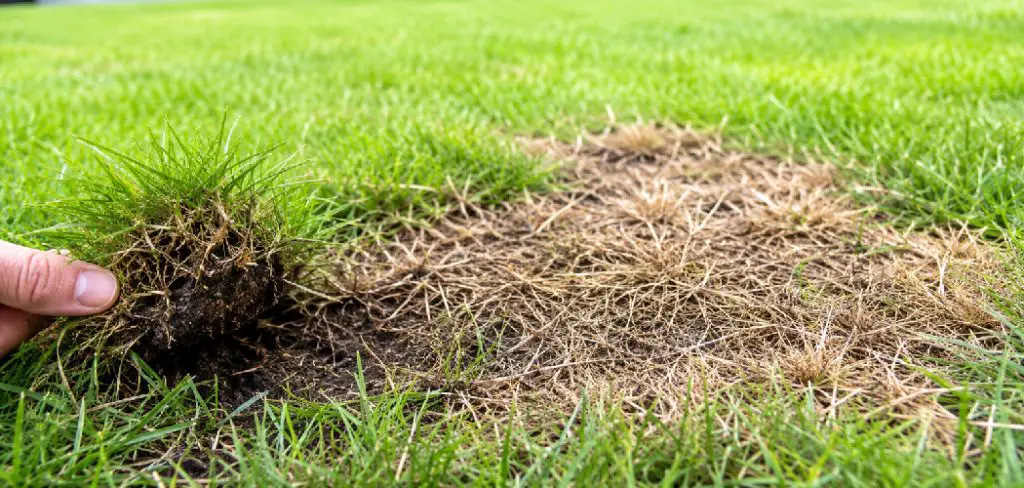
Sometimes a lawn is too far gone for patch jobs to help. When weeds outnumber grass, the soil is compacted, or disease keeps coming back, starting fresh saves you money and frustration in the long run.
A full reset lets you correct the root problems instead of treating symptoms season after season. You can test and improve your soil, level uneven ground, and pick a grass type suited to your climate and sunlight. The payoff is a denser, more drought-resistant lawn that needs less water and fewer chemicals over time.
A clean restart also gives you a true blank canvas. You decide what grows, where it grows, and how healthy it becomes from day one. That kind of control is hard to win when you are constantly fighting old, failing turf.
Step-by-Step Guide to How to Kill Lawn and Start Over
Step 1: Plan Your Timing and Goals
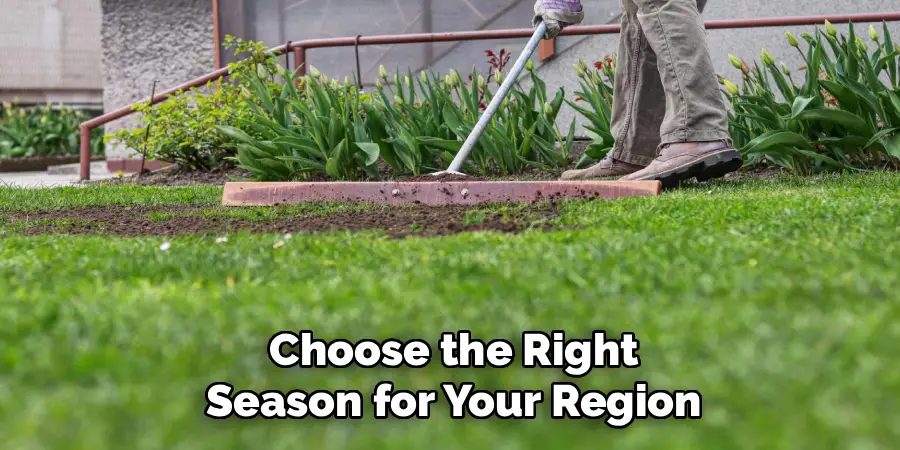
Before you touch the grass, choose the right season for your region. Cool-season grasses do best when planted in early fall, while warm-season types prefer late spring. Starting at the wrong time can waste your effort, so check what works for your area.
Next, decide what you actually want from the new lawn. Think about how much sun your yard gets, how much foot traffic it sees, and how much maintenance you can realistically handle. Writing down these goals helps you pick the right grass and avoid surprises later. A clear plan keeps the whole project smooth and stress-free from the very first day.
Step 2: Kill the Existing Grass
To remove your old turf, you have two main options. The first is a non-selective herbicide that kills everything it touches, which works well for large or stubborn areas. Apply it on a calm, dry day and follow the label closely for safe, even coverage.
The second option is solarization, which uses clear plastic sheeting to trap heat and bake the grass over four to six weeks. This chemical-free method is slower but gentler on the environment. Whichever route you choose when figuring out how to kill lawn and start over, give it enough time to fully work before moving on. Rushing this stage often leads to weeds returning.
Step 3: Remove the Dead Material
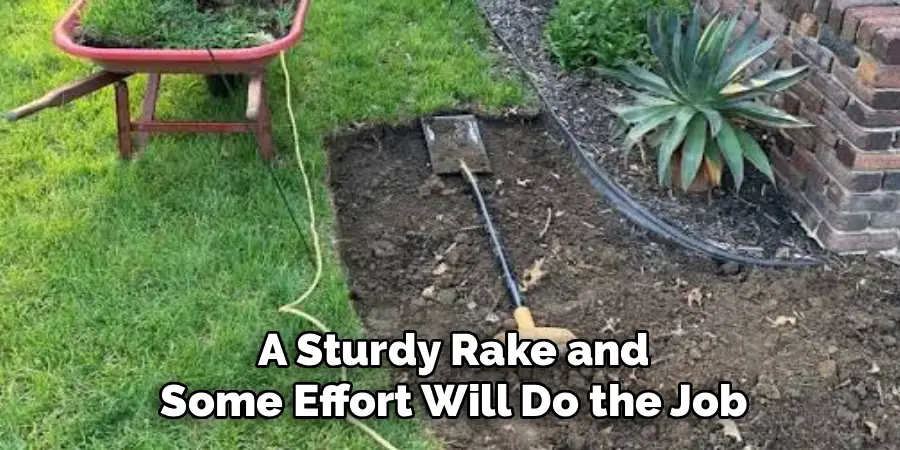
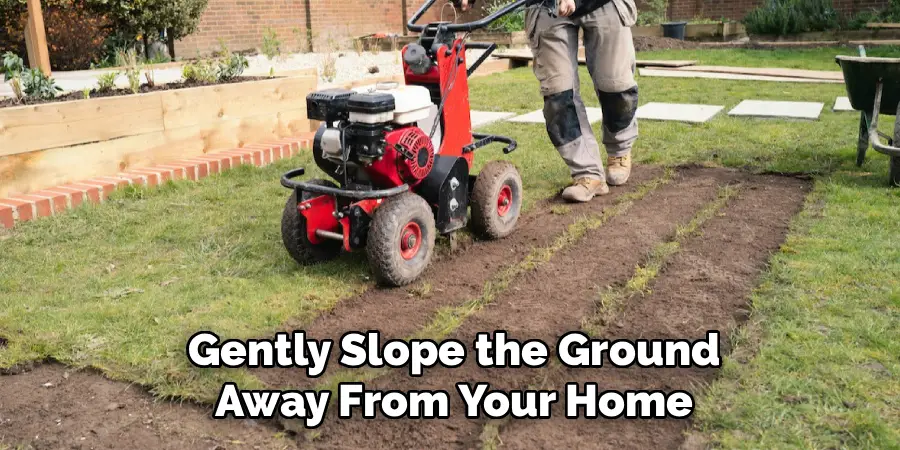
Once the old grass is fully dead, it is time to clear it away. For smaller yards, a sturdy rake and some effort will do the job. For larger spaces, renting a sod cutter speeds things up and removes the top layer cleanly.
Pull up dead roots, thatch, and debris so the soil underneath can breathe. Leaving too much old material behind can block new seeds from reaching the dirt. Take your time here, because a clean surface sets the stage for strong, even germination. Bag the waste or add it to a compost pile if no herbicide was used during the process.
Step 4: Test and Improve Your Soil
Healthy grass starts with healthy soil, so this step matters more than people expect. Grab a simple soil test kit from a garden center or send a sample to your local extension office. The results show your pH level and any nutrients your soil lacks.
Based on those numbers, you can add lime to reduce acidity or sulfur to lower alkalinity. Mixing in compost or quality topsoil boosts nutrients and improves drainage. This is one of the most rewarding parts of how to kill lawn and start over, because good soil prep often decides whether your new grass thrives or struggles down the line.
Step 5: Level and Prepare the Ground
With your soil amended, focus on creating a smooth, even surface. Use a rake to break up clumps and fill in low spots that could collect water later. Gently slope the ground away from your home to keep moisture from pooling near the foundation.
Lightly tamp or roll the area so it is firm but not packed hard. You want soil that holds seeds in place yet still lets roots spread freely. A level, well-prepared bed prevents bumpy patches and uneven growth. Spending extra care here means fewer headaches once your grass starts filling in across the yard.
Step 6: Plant Your New Grass
Now comes the exciting part of laying down fresh growth. You can choose seed, sod, or plugs depending on your budget and how quickly you want results. Seed is affordable and offers the most variety, while sod gives an instant green lawn at a higher cost.
For seeding, spread the seed evenly using a broadcast spreader, then lightly rake it into the top layer of soil. Cover the area with a thin layer of straw to hold moisture and protect against birds. If laying sod, press each piece tightly against the next so there are no gaps. Either way, even coverage leads to a uniform, healthy lawn.
Step 7: Water and Care for New Growth
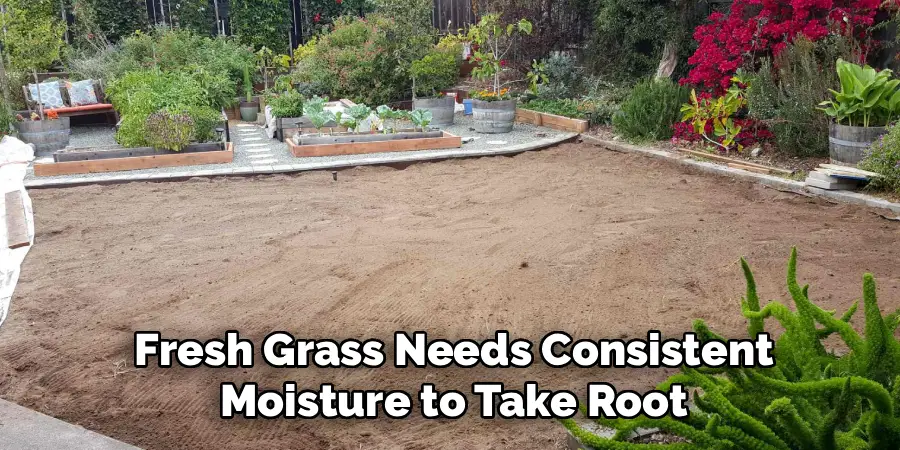
Fresh grass needs consistent moisture to take root, so water lightly two or three times a day for the first couple of weeks. Keep the soil damp but never soggy, since too much water can wash away seeds or cause rot.
As the grass grows taller, slowly reduce watering frequency while increasing the amount each time to encourage deep roots. Hold off on mowing until the blades reach about three inches, then cut only the top third. Stay off the new lawn as much as possible during this period. With steady care, your fresh yard will fill in beautifully over the coming weeks.
Frequently Asked Questions
How Long Does It Take to Kill an Old Lawn?
The timeline depends on your method. A non-selective herbicide usually kills grass within one to two weeks, though stubborn weeds may need a second application. Solarization takes longer, often four to six weeks, since it relies on trapped heat. Patience pays off here, because removing grass too early can let unwanted plants return and undo your hard work.
Is It Better to Use Sod or Seed?
Both work well, so it comes down to budget, time, and patience. Sod gives you an instant green lawn and resists weeds early on, but it costs more upfront. Seed is far cheaper and offers more grass varieties to match your climate, though it takes several weeks to fill in. Beginners often start with seed for the savings and flexibility.
Do I Need to Remove Dead Grass Completely?
Yes, clearing dead grass matters more than many people think. Leftover thatch and roots can block new seeds from reaching the soil and reduce germination rates. Raking thoroughly or using a sod cutter creates a clean surface where fresh roots can settle. Removing the old material also lowers the chance of disease carrying over into your brand new lawn.
When Is the Best Time to Start Over?
Timing depends on your grass type and region. Cool-season grasses like fescue and ryegrass grow best when planted in early fall, when soil is warm and air is cool. Warm-season grasses such as Bermuda prefer late spring planting. Choosing the right window gives your new grass ideal conditions to root deeply before harsh weather arrives.
How Soon Can I Walk on My New Lawn?
Give new grass time before treating it like an everyday surface. For seeded lawns, wait until the grass reaches about three inches and you have mowed it once or twice, usually four to six weeks. Sod can handle light foot traffic sooner, often after two weeks. Staying off young grass protects delicate roots and helps your lawn establish evenly.
Conclusion
Starting fresh might feel like a big undertaking, but it is often the most rewarding way to win the long fight against weeds, poor soil, and patchy growth. By following each step with care, you set your yard up for years of thick, healthy grass.
The key takeaways are simple. Plan your timing, kill and clear the old grass completely, improve your soil, then plant and water with patience. Knowing how to kill lawn and start over turns a frustrating problem into a project you can actually feel proud of.
Now it is your turn to take action. Grab a soil test, mark your calendar for the right season, and begin clearing the way for the lawn you have always wanted. With steady effort and a little time, your fresh, green yard is well within reach.

About
Outdoor Fixes is a distinguished figure in the world of Diy design, with a decade of expertise creating innovative and sustainable Diy solutions.
His professional focus lies in merging traditional craftsmanship with modern manufacturing techniques,
fostering designs that are both practical and environmentally conscious. As the author of diy,
outdoorfixes delves into the art and science of outdoorfixes-making, inspiring artisans and industry professionals alike.
Education RMIT University
(Melbourne, Australia) Associate Degree in Design (Outdoor Fixes) Focus on sustainable design, industry-driven projects,
and practical craftsmanship. Gained hands-on experience with traditional and digital manufacturing tools, such as CAD and CNC software.
Nottingham Trent University
(United Kingdom) Bachelor’s in outdoorfixes.com and Product Design (Honors) Specialized in product design with a focus on blending creativity with production
techniques. Participated in industry projects, working with companies like John Lewis and Vitsoe to gain real-world insights.
Publications and Impact
In diy, Outdoor Fixes his insights on indoor design processes, materials, and strategies for efficient production.
His writing bridges the gap between artisan knowledge and modern industry needs, making it a must-read for both budding designers and seasoned professionals.