
A healthy lawn starts below the surface, where roots stretch out and breathe. When the ground becomes hard and packed down, your grass struggles to grow, water pools instead of soaking in, and bare patches start to appear. Learning how to loosen compacted soil lawn problems can completely change the way your yard looks and feels. Compacted soil happens when foot traffic, heavy equipment, clay-heavy ground, or even seasonal weather presses the dirt particles tightly together. This leaves little room for air, water, and nutrients to reach your grass roots.
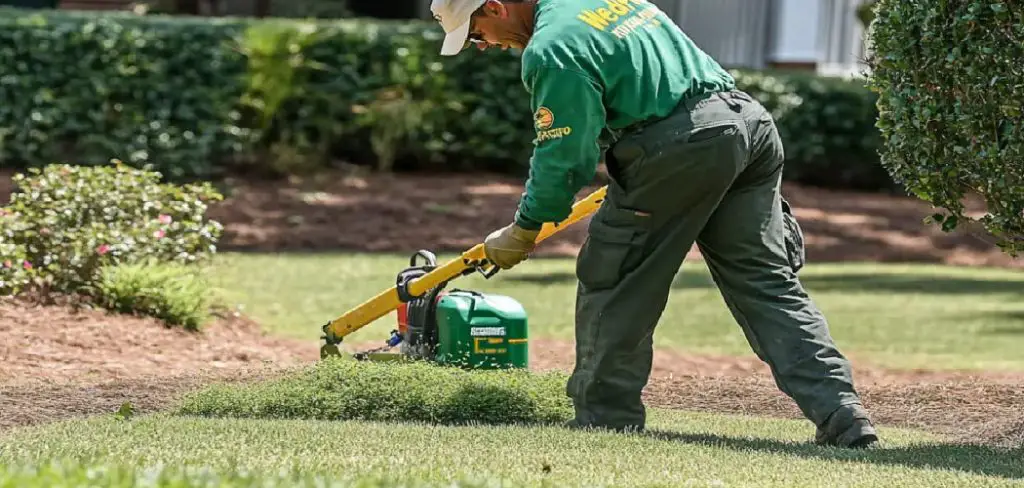
The good news is that fixing this issue does not require expensive tools or professional help. With a few simple methods and a bit of patience, you can bring life back to tired, hard ground. This guide walks you through everything in clear, friendly steps so anyone, no matter their experience level, can follow along. By the end, you will know exactly how to spot the problem and treat it the right way.
Why Loosening Compacted Soil Matters for Your Lawn
Loosening packed ground does far more than improve appearances. When soil is too dense, roots cannot dig deep, which leaves grass weak and prone to drought stress. Water runs off instead of sinking in, wasting your time and money. Air also struggles to circulate, starving roots of the oxygen they need to thrive.
By opening up the ground, you create space for moisture, nutrients, and beneficial organisms like earthworms to move freely. This leads to stronger roots, thicker turf, and a greener lawn overall. You will also see fewer weeds, since healthy grass naturally crowds them out. Put simply, treating compaction is one of the most rewarding things you can do for long-term lawn health.
Step-by-Step Guide to How To Loosen Compacted Soil Lawn
Step 1: Test Your Soil for Compaction
Before you begin any treatment, you need to confirm that compaction is truly the problem. A quick and reliable method is the screwdriver test. Simply push a screwdriver into the ground after a light watering. If it slides in easily, your soil is fine. If it stops short or takes real effort, you have packed earth that needs attention.
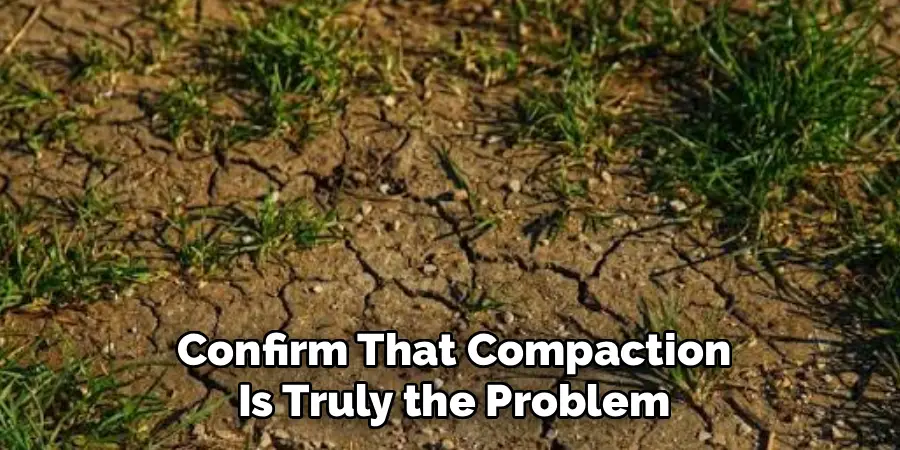
You can also watch for warning signs like standing water, thinning grass, or hard, cracked patches. These clues help you map out the worst areas. Knowing exactly where the trouble lies lets you focus your energy where it matters most, saving you time later.
Step 2: Water the Lawn Lightly
Working with bone-dry ground is frustrating and often ineffective. Hard, dusty soil resists every tool you throw at it. To make the job easier, water your lawn lightly a day before you plan to start. Aim for damp, not soggy, conditions so the ground softens just enough to work with.
Proper moisture allows tools to penetrate the surface and break apart tight clumps without tearing your turf. Avoid overwatering, since muddy soil clings to equipment and creates a messy, compacted layer all over again. A gentle, even soak strikes the perfect balance and sets you up for smooth, successful results in the next stages.
Step 3: Aerate the Ground
Aeration is the heart of learning how to loosen compacted soil lawn care, and it delivers the biggest results. This process removes small plugs of earth, creating channels that let air, water, and nutrients reach the roots. You can rent a core aerator for larger yards or use a manual aerator for smaller spaces.
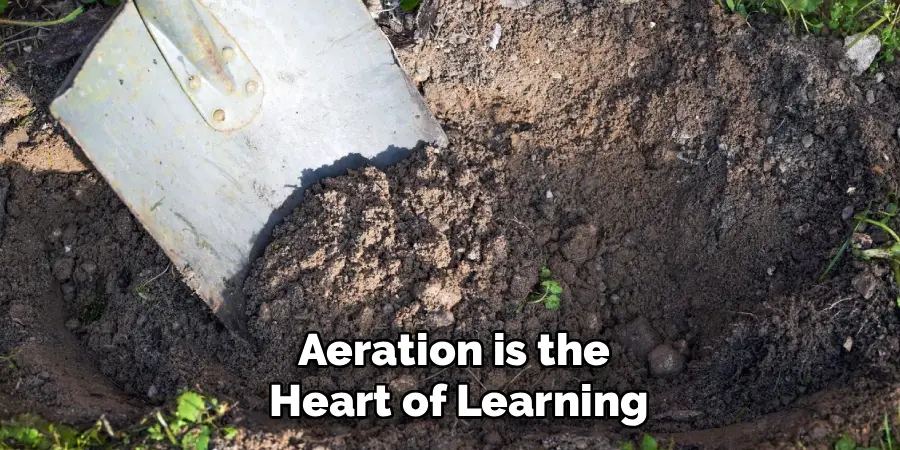
Run the aerator across the worst areas first, then cover the rest of the lawn. Focus on high-traffic zones where the ground tends to pack down most. Leave the soil plugs on the surface to break down naturally. This simple step instantly improves drainage and gives roots room to breathe again.
Step 4: Add Organic Matter
Once the ground is opened up, it is the perfect time to feed it. Spreading a thin layer of compost or well-rotted organic matter fills those new air pockets with rich nutrients. Organic material also encourages earthworms and helpful microbes, which naturally keep soil loose over time.
Use a rake to spread the compost evenly across the surface, working it gently into the holes left by aeration. Avoid piling it too thick, since a light, even layer works best. This step not only improves structure but also boosts fertility, giving your grass the building blocks it needs to grow thick, green, and resilient.
Step 5: Top-Dress With Sand or Gypsum
For lawns with heavy clay, adding a top-dressing can make a noticeable difference. A thin layer of coarse sand helps improve drainage, while gypsum works to break apart tight clay particles without changing your soil’s pH. Both options support the goal of how to loosen compacted soil lawn surfaces over the long term.
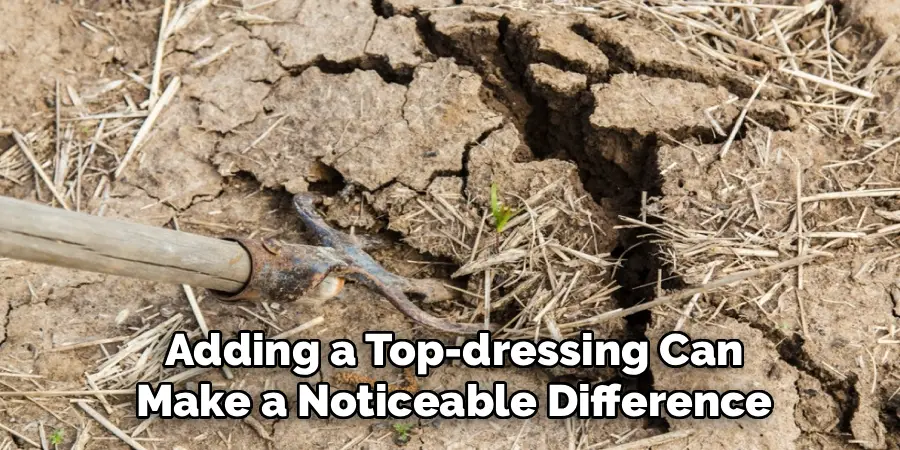
Spread your chosen material evenly and rake it gently into the aerated holes. Keep the layer light so you do not smother the grass. This treatment may take a season or two to show full results, but it gradually transforms stubborn, dense ground into a softer, healthier foundation that roots love.
Step 6: Overseed Bare Areas
Compaction often leaves thin or bare spots scattered across the lawn. After loosening the ground, these areas are primed for new growth. Choose grass seed that matches your existing lawn and climate, then spread it generously over the weak patches you mapped out earlier.
Press the seed lightly into the soil so it makes good contact, then keep the area consistently moist until germination. New grass develops strong, deep roots in freshly aerated ground, helping prevent future compaction. Overseeding also thickens your turf, which naturally blocks weeds and creates a fuller, more uniform appearance that you will be proud to show off.
Step 7: Maintain Healthy Soil Habits
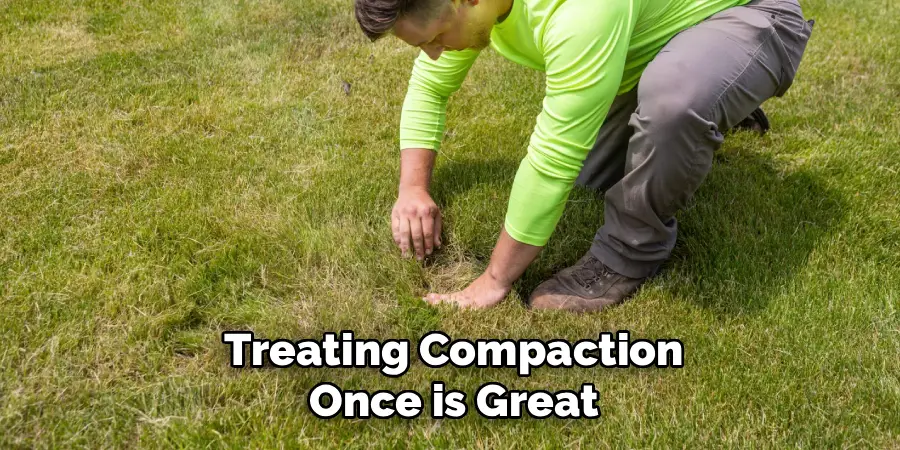
Treating compaction once is great, but keeping the ground loose requires ongoing care. Avoid walking the same paths repeatedly, and try not to use heavy equipment on wet soil. Rotating your mowing pattern and creating stepping-stone walkways can also reduce pressure on the turf.
Regular aeration, ideally once or twice a year, keeps your lawn breathing freely. Continue adding organic matter each season to support soil structure and feed beneficial organisms. These small, consistent habits protect all the hard work you have done. Over time, your lawn becomes more resilient, requiring less effort while staying lush, green, and full of life.
Frequently Asked Questions
How Do I Know If My Soil Is Compacted?
The easiest way is the screwdriver test. After lightly watering, push a screwdriver into the ground. If it resists or barely goes in, your soil is likely compacted. Other signs include standing water after rain, thinning grass, and hard, cracked patches. Spotting these clues early helps you treat the problem before it damages your lawn permanently.
When Is the Best Time to Aerate My Lawn?
The ideal time depends on your grass type. Cool-season grasses respond best to aeration in early fall or spring, while warm-season grasses prefer late spring or early summer. Aerating during active growth gives your lawn time to recover quickly and fill in any open spaces. Always aerate when the soil is slightly moist for the best, easiest results.
Can I Loosen Soil Without a Machine?
Absolutely. For smaller yards, a manual aerator, garden fork, or even a sturdy pitchfork works well. Simply push the tool into the ground and gently rock it back and forth to create air channels. While this takes more effort than a powered machine, it is budget-friendly and perfect for treating smaller patches or stubborn high-traffic areas.
How Often Should I Treat Compacted Ground?
Most lawns benefit from aeration once or twice each year. High-traffic yards or clay-heavy soils may need more frequent attention, while sandy soils often require less. Pair regular aeration with adding organic matter to keep the ground loose over time. Watching for early warning signs helps you act before compaction becomes a serious, recurring problem.
Will Loosening Soil Help With Drainage Problems?
Yes, improving soil structure is one of the most effective ways to fix poor drainage. Compacted ground forces water to pool on the surface instead of soaking in. Aerating and adding organic matter create channels that allow moisture to drain properly. Over time, this reduces puddles, prevents root rot, and keeps your grass healthier through wet seasons.
Conclusion
Reviving a tired, packed-down yard is easier than you might think. Once you understand how to loosen compacted soil lawn issues, the whole process becomes a series of simple, rewarding steps. From testing your ground and aerating to adding organic matter and building healthy habits, each action brings your grass closer to thriving. The key is consistency, since loose, breathable soil leads to deeper roots, better drainage, and a noticeably greener lawn.
You do not need to be an expert to see real results. Start with the worst areas, follow the steps at your own pace, and watch your yard transform season after season. Grab your tools, pick a weekend, and give your lawn the fresh start it deserves. With a little effort and the right approach, you will enjoy a healthier, more beautiful lawn for years to come.

About
Outdoor Fixes is a distinguished figure in the world of Diy design, with a decade of expertise creating innovative and sustainable Diy solutions.
His professional focus lies in merging traditional craftsmanship with modern manufacturing techniques,
fostering designs that are both practical and environmentally conscious. As the author of diy,
outdoorfixes delves into the art and science of outdoorfixes-making, inspiring artisans and industry professionals alike.
Education RMIT University
(Melbourne, Australia) Associate Degree in Design (Outdoor Fixes) Focus on sustainable design, industry-driven projects,
and practical craftsmanship. Gained hands-on experience with traditional and digital manufacturing tools, such as CAD and CNC software.
Nottingham Trent University
(United Kingdom) Bachelor’s in outdoorfixes.com and Product Design (Honors) Specialized in product design with a focus on blending creativity with production
techniques. Participated in industry projects, working with companies like John Lewis and Vitsoe to gain real-world insights.
Publications and Impact
In diy, Outdoor Fixes his insights on indoor design processes, materials, and strategies for efficient production.
His writing bridges the gap between artisan knowledge and modern industry needs, making it a must-read for both budding designers and seasoned professionals.