
Choosing the right pool liner is a significant decision for any pool owner. It’s not just about aesthetics; the liner is a critical component that protects the pool’s structure and ensures a watertight seal. This protective layer is fundamental to your pool’s longevity and functionality, preventing leaks that could lead to costly structural damage over time. A well-chosen liner enhances the swimming experience, making the water inviting and comfortable.
This guide on how to pick a pool liner is designed to walk you through the entire process, from understanding the basics to making an informed final choice. We will cover the necessary tools, provide a detailed step-by-step process for selection, highlight common mistakes to avoid, and discuss when to call in the professionals. By the end, you will have the confidence and knowledge needed to select a pool liner that is durable, beautiful, and perfectly suited to your needs.
Tools and Materials You May Need:
Before you begin the process of selecting a pool liner, it is important to have all the necessary tools and materials at hand. This will ensure a smooth and efficient decision-making process. Here are some items that you may need:
- Measuring tape or a pool liner measurement kit
- Pool liner samples (if available)
- Pen and paper for notes
- A budget for the project
- A list of preferred colors and patterns
It is also helpful to have an idea of your pool’s size, shape, and any unique features such as built-in steps or benches. This will help determine which type of liner will be best suited for your pool.
8 Simple Step-By-Step Guidelines on How to Pick a Pool Liner
Step 1: Determine Your Pool Type and Size
The first and most critical step in selecting a new pool liner is to accurately identify your pool’s type and dimensions. Pools are broadly categorized as either above-ground or in-ground, and the liners for each are fundamentally different in design and installation. Above-ground liners come in specific types like overlap, beaded, or J-hook, each with a unique attachment method. Inground pool liners are typically custom-made to fit the exact shape of the pool, which can range from a simple rectangle to a complex freeform design with varying depths. You cannot interchange these liner types, so confirming what you have is essential.
Once you know your pool type, precise measurements are required. Using a heavy-duty measuring tape, carefully measure the length, width, and depth of your pool. For non-rectangular pools, you will need to follow a specific measurement diagram, often provided by liner manufacturers, to capture all the necessary dimensions, including slopes, curves, and special features like steps or benches. Measure everything twice to ensure accuracy, as even a small error can result in a liner that fits poorly, wrinkles, or is too tight, which can lead to premature failure.
Step 2: Choose the Right Liner Material and Thickness
Vinyl pool liners are primarily categorized by their thickness, which is measured in mils (one-thousandth of an inch). Standard thicknesses typically range from 20 to 30 mil for residential pools. A thicker liner, such as a 27 or 30 mil option, generally offers greater durability and resistance to punctures from sharp objects, pet claws, or pool toys. This added resilience can translate into a longer lifespan, making it a worthwhile investment for families with active children or pets. Thicker liners also tend to conceal minor imperfections on the pool floor and walls more effectively, providing a smoother final appearance.
While a thicker liner provides more protection, it also comes at a higher cost and can be slightly less flexible, making installation in tight corners or on complex shapes more challenging. A standard 20 mil liner is often sufficient for many pool owners and provides a good balance of durability and affordability. Your decision should be based on your pool’s usage, your budget, and the condition of the pool’s underlying structure. If your pool floor is perfectly smooth and usage is light, a 20 mil liner might be perfectly adequate for your needs.

Step 3: Select a Pattern and Color
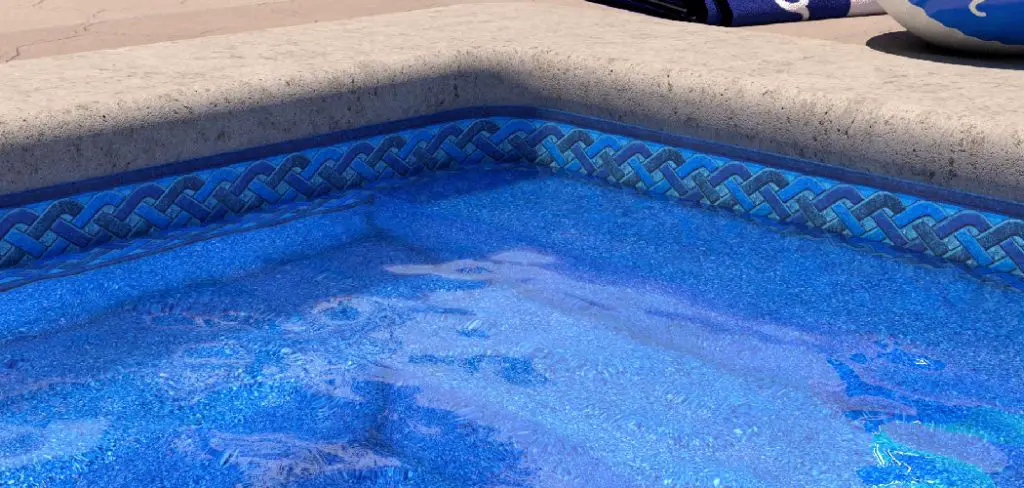
The pattern and color of your pool liner have the most significant impact on your pool’s overall aesthetic. This choice goes beyond simple preference; it directly influences the perceived color and depth of your pool water. Darker liners, such as deep blues or blacks, absorb more sunlight, which can help to warm the water naturally. They also create a dramatic, lagoon-like effect and are excellent at hiding dirt and debris, meaning the pool looks cleaner for longer periods between vacuuming. However, darker colors can make it more difficult to spot swimmers in distress, a safety consideration for families with young children.
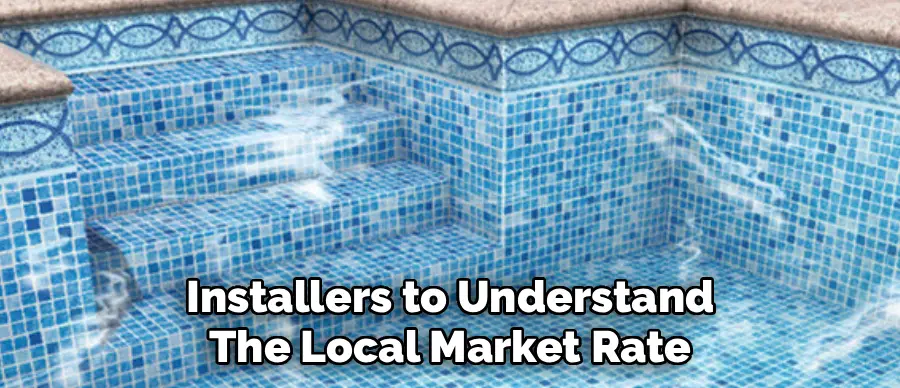
Lighter-colored liners, including light blues, aquas, and sand patterns, create a bright, vibrant, and tropical look that reflects sunlight, making the water appear sparkling and clear. These liners can make the pool feel larger and more inviting, and they make it very easy to see the bottom of the pool. The trade-off is that debris and imperfections are more visible. Patterned liners, which can mimic the look of tile, pebbles, or mosaics, offer a way to add texture and a high-end feel without the expense of real materials. Consider the surrounding landscape, decking, and your home’s exterior when making your choice to ensure a cohesive look.
Step 4: Understand the Different Liner Attachment Types
For above-ground pools, the method by which the liner attaches to the pool wall is a crucial detail. The three primary types are Overlap, Beaded, and J-Hook/Uni-Bead. Overlap liners are the most common and budget-friendly option. They drape over the pool wall and are held in place by plastic coping strips that clip onto the top rail. This design allows for some flexibility if the pool depth is slightly uneven, but the excess material visible on the exterior of the pool may not be aesthetically pleasing to some owners.
Beaded liners feature a thick bead of vinyl at the top edge that snaps into a corresponding track, or “bead receiver,” mounted on the top of the pool wall. This system provides a clean, uniform look with no visible liner hanging over the outside. It requires precise pool height measurements, as there is no room for adjustment. J-Hook or Uni-Bead liners offer the most versatility. They have a thick, J-shaped hook at the top that hangs directly on the pool wall, similar to an overlap liner but without the need for coping strips. The “uni-bead” feature means this J-hook can often be modified to function as a standard bead, allowing it to be used in bead receivers as well.

Step 5: Evaluate the Quality of the Vinyl and Seams
Not all vinyl is created equal. When selecting a liner, it’s important to look beyond just the thickness and consider the quality of the vinyl itself. Reputable manufacturers use 100% virgin vinyl, which means it is not made from recycled materials. Virgin vinyl is stronger, more flexible, and contains essential plasticizers and UV inhibitors that protect it from sun damage and chemical degradation. Liners made with recycled vinyl can become brittle and fade more quickly, significantly reducing their lifespan and leading to premature cracking and leaks.
The quality of the seams is another indicator of a well-made liner. Seams are where sections of vinyl are welded together to form the final shape of the liner. High-quality liners are fabricated using advanced computer-controlled cutting and radio frequency (RF) or dielectric welding techniques. This process creates strong, durable seams that are less prone to separation than those made with older heat-sealing methods. Inspect a sample of the liner material if possible. The seams should be smooth, flat, and consistent, without any signs of puckering or weakness, ensuring they will hold up under the constant pressure of the water.
Step 6: Consider the Warranty
A pool liner warranty provides a safety net and reflects the manufacturer’s confidence in their product. However, it’s vital to read the fine print and understand exactly what is covered. Most liner warranties are prorated, meaning the coverage amount decreases over time. A typical 20- or 25-year warranty might offer full replacement for only the first one to three years, after which the manufacturer will only cover a diminishing percentage of the cost of a new liner. Labor costs for removal and installation are almost never covered, which can be a significant expense.
Pay close attention to what the warranty covers and, more importantly, what it excludes. The primary coverage is almost always for seam separations. Punctures, fading, and damage from improper water chemistry or installation errors are typically not covered. To keep your warranty valid, you will need to maintain balanced water chemistry and may be required to register the product shortly after purchase. While a long warranty period is appealing, the terms of the full-replacement period and the reputation of the manufacturer for honoring claims are far more important factors to consider.
Step 7: Set a Realistic Budget
Determining your budget early in the process will help you narrow down your options and avoid disappointment later. The cost of a pool liner can vary dramatically based on several factors, including the size and shape of your pool, the thickness and quality of the vinyl, the complexity of the pattern, and whether it’s for an above-ground or inground pool. Custom-fit inground liners for freeform pools are significantly more expensive than standard-sized liners for round above-ground pools. Don’t forget to factor in the cost of associated materials you may need, such as new gaskets, faceplates, wall foam, and pool cove.
Beyond the liner itself, the largest variable in your budget will be the cost of installation. A DIY installation can save you a substantial amount of money, but it requires time, patience, a few helpers, and the right tools. If you make a mistake, you could damage the liner and void the warranty. Professional installation, on the other hand, adds several hundred to a few thousand dollars to the total cost but provides peace of mind that the job will be done correctly. Professionals have the experience to handle unforeseen issues and can often complete the job much faster. Get quotes from several reputable installers to understand the local market rate.
Step 8: Research Brands and Read Reviews
Before making a final decision, invest some time in researching different liner manufacturers and reading customer reviews. Established brands with a long history in the industry are often a safer bet, as they have a reputation to uphold and are more likely to produce a reliable product. Look for companies that are known for using 100% virgin vinyl and stand behind their warranties. Your local pool professional can be an excellent resource here, as they have firsthand experience with which brands hold up best in your specific climate and which ones are prone to issues.
Online reviews from other pool owners can provide valuable, real-world insights into the long-term performance of a specific liner. Look for comments on durability, color retention over time, and how well the liner fits upon installation. Be mindful that people are more likely to leave a review when something goes wrong, so try to look for trends rather than focusing on a single negative comment. A pattern of complaints about a particular brand or model regarding fading, wrinkling, or seam failure should be a major red flag and guide you toward a more reliable option for your investment.
Following these steps on how to pick a pool liner can ensure that you are making an informed decision and getting the best value for your money. However, once you have chosen the perfect pool liner for your needs, it isalso important to take proper care of it to maintain its longevity and quality.
Common Mistakes to Avoid:
When choosing a pool liner, avoid the temptation of buying based on price alone, as cheap liners often use lower-quality materials that won’t last. Always double-check your pool measurements; inaccurate dimensions are the most common cause of a poor fit. Don’t neglect to inspect the pool’s floor and walls for any damage or sharp points before installation.
Overlooking the importance of proper water chemistry can void your warranty and drastically shorten the liner’s life. Finally, failing to read the warranty details can lead to unexpected expenses down the road.
Consulting with Pool Professionals
While this guide provides a thorough overview, there is no substitute for the expertise of a seasoned pool professional. These experts have installed hundreds, if not thousands, of liners and have invaluable hands-on experience. They can provide an accurate assessment of your pool’s condition, take precise measurements for a custom fit, and recommend specific brands and thicknesses that perform best in your local climate. A professional can also identify and repair underlying structural issues with the pool walls or floor before a new liner is installed, preventing future problems.
Furthermore, hiring a professional for installation ensures the job is done efficiently and correctly, protecting your investment and often coming with a labor warranty. They have the specialized tools, such as industrial-grade vacuums, to set the liner perfectly, minimizing wrinkles and ensuring a tight seal around fixtures. If any issues arise during the installation, they have the knowledge to resolve them immediately. Consulting with a professional removes the guesswork and stress from the process, giving you peace of mind and a beautiful, long-lasting result.
Frequently Asked Questions
Q1: How Long Does A Pool Liner Typically Last?
A1: The lifespan of a vinyl pool liner typically ranges from 10 to 15 years, although some high-quality, well-maintained liners can last closer to 20 years. Several factors influence its longevity. The thickness of the vinyl, the quality of the material (100% virgin vinyl is best), and consistent maintenance of proper water chemistry are the most critical. Exposure to direct sunlight and extreme weather conditions can also accelerate wear and tear.
Q2: Can I Install A Pool Liner Myself?
A2: A DIY pool liner installation is possible, especially for standard-sized above-ground pools, and can save you significant money on labor costs. However, it is a challenging project that requires patience, precision, and at least one or two helpers. In-ground liner installation is far more complex. Mistakes during installation, such as improper measurements or creating a tear, can be very costly and will likely void the manufacturer’s warranty.
Q3: What Is The Difference Between An Overlap And A Beaded Liner?
A3: The difference lies in how they attach to an above-ground pool wall. An Overlap liner drapes over the top of the pool wall and is secured in place with coping strips. This allows for minor adjustments in depth. A Beaded liner has a thick vinyl bead at its top edge that snaps into a track, or bead receiver, mounted on the pool wall, providing a more uniform and clean appearance without any visible overlap on the outside.
Q4: Does The Color Of My Pool Liner Really Matter?
A4: Yes, the color of your liner significantly affects both the pool’s appearance and its properties. Darker liners absorb more sunlight, which can help warm the water, and they are better at hiding debris. Lighter liners create a bright, sparkling water appearance and make it easier to spot dirt or anyone in the pool. The pattern and color you choose will define the overall aesthetic of your backyard oasis, so it is an important personal and practical choice.
Conclusion
Selecting the right pool liner is a multi-faceted process that balances aesthetics, durability, and budget. By understanding your pool’s specific needs, from its type and dimensions to the level of use it receives, you can make a more informed decision. Key factors like liner thickness, material quality, and attachment type all play a crucial role in the longevity and performance of your investment. Taking the time to research brands, read warranties, and consider patterns and colors will ensure you choose a liner that not only protects your pool but also enhances the beauty of your backyard.
While a DIY approach is possible, the value of professional consultation and installation cannot be overstated. Experts provide the assurance of a correct fit and a flawless finish, safeguarding your warranty and saving you from potential costly mistakes. Ultimately, a well-chosen and properly installed pool liner will provide you and your family with many years of enjoyment, making it a cornerstone of your summer recreation. Thanks for reading this guide on how to pick a pool liner.

About
Outdoor Fixes is a distinguished figure in the world of Diy design, with a decade of expertise creating innovative and sustainable Diy solutions.
His professional focus lies in merging traditional craftsmanship with modern manufacturing techniques,
fostering designs that are both practical and environmentally conscious. As the author of diy,
outdoorfixes delves into the art and science of outdoorfixes-making, inspiring artisans and industry professionals alike.
Education RMIT University
(Melbourne, Australia) Associate Degree in Design (Outdoor Fixes) Focus on sustainable design, industry-driven projects,
and practical craftsmanship. Gained hands-on experience with traditional and digital manufacturing tools, such as CAD and CNC software.
Nottingham Trent University
(United Kingdom) Bachelor’s in outdoorfixes.com and Product Design (Honors) Specialized in product design with a focus on blending creativity with production
techniques. Participated in industry projects, working with companies like John Lewis and Vitsoe to gain real-world insights.
Publications and Impact
In diy, Outdoor Fixes his insights on indoor design processes, materials, and strategies for efficient production.
His writing bridges the gap between artisan knowledge and modern industry needs, making it a must-read for both budding designers and seasoned professionals.