
In our increasingly busy lives, the need for a personal retreat—a quiet, peaceful place to disconnect from daily stress and recharge our minds—has never been greater. We often look for this sanctuary far from home, booking expensive vacations or spa days, but one of the most promising and accessible locations is waiting just outside our back door. Your backyard holds the potential to be transformed from a simple plot of land into a true sanctuary for relaxation.
This is not about expensive, large-scale renovations or hiring a landscape architect; it is about making intentional choices to create an atmosphere of calm and comfort. This practical guide will explore exactly how to turn your backyard into a relaxing space. By focusing on engaging the senses, prioritizing comfort, ensuring privacy, and setting the right ambiance, you can create a personal outdoor oasis, no matter the size of your space or budget.
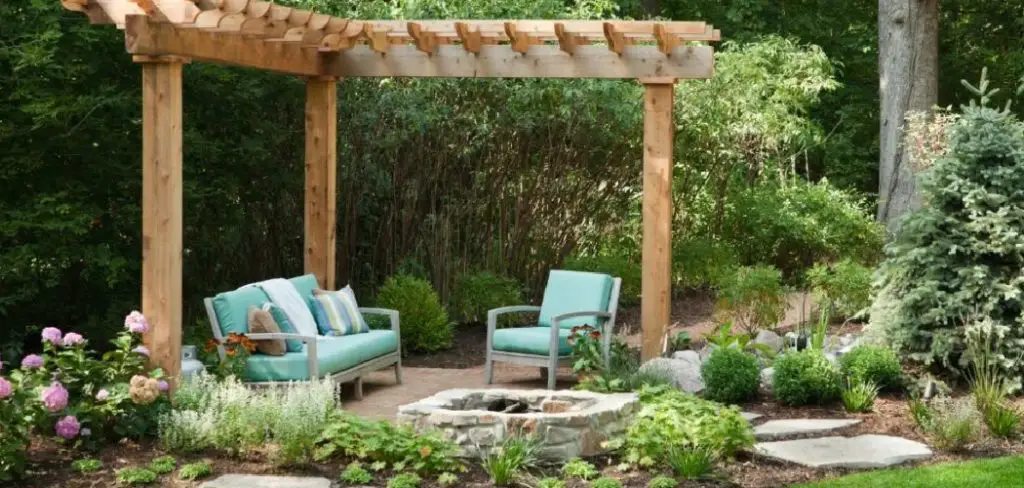
Planning Your Oasis: Defining Relaxation
The first and most important step in this transformation is to define what “relaxation” truly means to you. It is a deeply personal concept; one person’s tranquil meditation garden is another’s perfect spot for a lively afternoon nap in the sun. Before you buy a single plant or piece of furniture, take some time for introspection. Envision your ideal relaxing moment. Is it sipping a hot cup of coffee in the quiet of the morning? Is it losing yourself in a good book on a lazy Sunday afternoon? Or is it meditating to the gentle sound of rustling leaves? Your personal vision will become the guiding principle for the entire project, ensuring the final result serves your specific emotional needs.
Assessing Your Personal Needs and Desires
To help solidify your vision, make a detailed mental or physical list of the activities and sensations you find most calming. Do you love the sound of water? A small fountain might be a priority. Do you find comfort in fragrant scents? An aromatic garden bed should be part of your plan. Are you looking for a place to do yoga, or simply a spot to sit with your feet up?
Someone who loves to read will prioritize a supremely comfortable chair and good shade, while someone who enjoys stargazing will focus on an open view of the sky and soft, low-level lighting. This list of personal needs will help you prioritize the features that will bring you the most joy and relaxation, filtering out trends that don’t serve your ultimate goal of peace.
Evaluating Your Space and Setting a Budget
With your personal vision clear, it is time to ground it in the reality of your space and finances. Take a walk around your yard with a notepad and a tape measure. Make a simple sketch, noting the dimensions, existing features, and, crucially, the path of the sun. Identify the naturally shady and sunny spots at different times of the day, as this will influence where you place seating and what you plant.
At the same time, establish a realistic budget. Knowing your financial parameters from the start will help you make smart decisions and focus your efforts on the elements that will have the biggest impact on your well-being. Remember, a relaxing space doesn’t require a fortune; it requires thoughtful allocation of resources toward comfort and atmosphere.
Engaging the Senses for Ultimate Calm
A truly relaxing space is an immersive one. It is a place that engages all your senses, pulling you away from the distractions of the world and into the present moment. By thoughtfully incorporating elements that appeal to your senses of sound, smell, and sight, you can elevate your backyard from a simple outdoor area to a multi-sensory retreat that promotes deep physiological relaxation.
The Sound of Serenity: Water and Wind
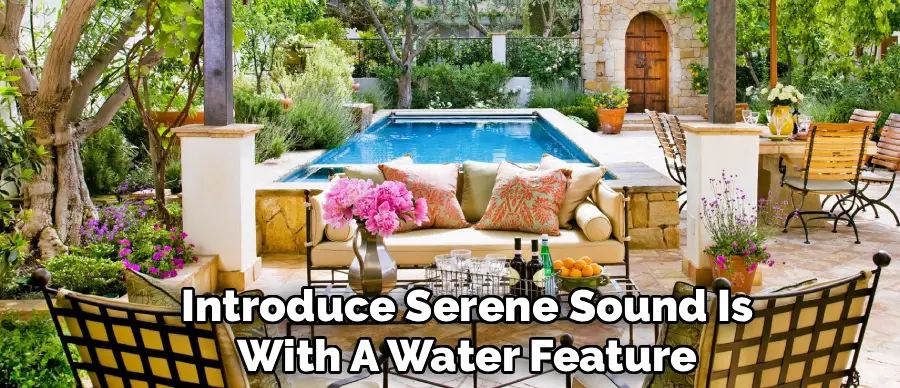
Sound has a profound impact on our state of mind. The harsh noises of traffic, neighbors, and city life can create underlying stress, while natural sounds can promote a sense of calm. One of the most effective ways to introduce serene sound is with a water feature.
You do not need a large, expensive waterfall; a small, self-contained fountain can provide the gentle, trickling sound of water that is incredibly soothing and effective at masking less pleasant background noise (known as “pink noise”). The subtle, melodic sound of wind chimes can also add a beautiful layer of auditory calm to your space, acting as a gentle reminder of the breeze moving through your sanctuary.
The Scent of Nature: Aromatic Plants
Our sense of smell is powerfully linked to memory and emotion, yet it is often overlooked in garden design. Incorporating fragrant plants into your backyard can create a powerful and calming atmosphere. Plant aromatic herbs and flowers where you will brush past them on a walkway or near your primary seating area.
Lavender is renowned for its calming properties and releases a beautiful scent in the warm sun. The sweet perfume of climbing jasmine or honeysuckle can fill the evening air with a delightful fragrance. Planting herbs like mint, rosemary, or lemon balm will release an invigorating aroma when their leaves are gently crushed, grounding you in the physical environment.
The Sight of Green: Using Color and Texture
The visual element of your relaxation zone should be restful and uncluttered. A predominantly green color palette is naturally calming to the human eye, reducing strain and anxiety. Create a rich visual tapestry by using various shades of green and by combining plants with different leaf textures. For example, pair the soft, delicate fronds of a maidenhair fern with the large, bold, architectural leaves of a hosta or the glossy foliage of a rhododendron. This creates a sense of depth and interest that is visually engaging without being overstimulating, allowing your eyes and mind to rest as they scan the garden.
Step-by-Step Guide: How to Turn Your Backyard into a Relaxing Space
Creating your personal oasis does not have to be an overwhelming project. By breaking it down into a clear, actionable plan, you can build your relaxation zone one step at a time. This guide will walk you through the process of creating a foundational retreat from the ground up, ensuring no detail is missed.
Step 1: Declutter and Define Your Zone
The first step toward creating calm is to eliminate chaos. Clutter creates visual noise that makes relaxation difficult. Start by thoroughly decluttering your entire backyard. Get rid of old, broken toys, neglected garden tools, and dead plants. A clean and tidy space instantly feels more peaceful.
Once you have decluttered, choose one specific corner or area of your yard that you will dedicate as your primary “relaxation zone.” This focused approach makes the project feel much more manageable. It could be a shady spot under a tree, a secluded corner of the patio, or any area that feels naturally protected and peaceful. By defining the boundaries, you create a dedicated destination for rest.
Step 2: Create a Foundation of Comfort
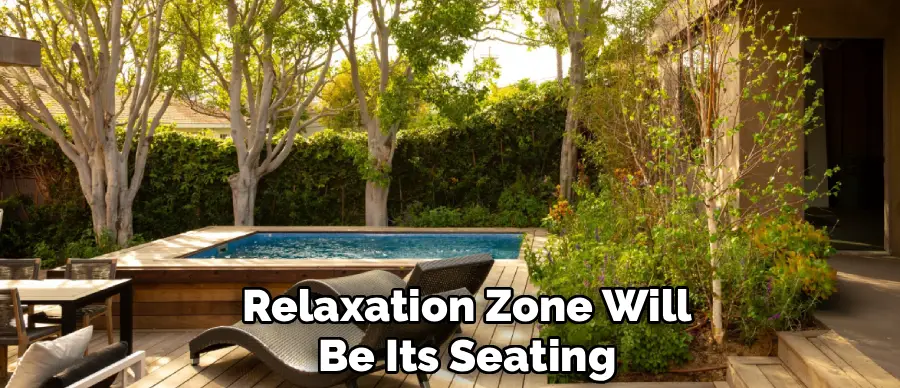
The centerpiece of your relaxation zone will be its seating. This is where you should invest in the most comfortable piece of outdoor furniture your budget allows. This is not the place for a rigid dining chair or a rickety stool. Think about what invites you to truly let go and relax. For some, this might be a deep-cushioned lounge chair with an ottoman.
For others, it could be a classic hammock strung between two trees, an outdoor daybed perfect for napping, or a gently gliding bench. The choice should be driven by what you find most conducive to long-term comfort, encouraging you to stay and linger.
Step 3: Layer in Soft Textiles
Once you have your primary seating, you can add layers of softness and a sense of indoor comfort to your outdoor space. Soft textiles have a powerful psychological effect, making a space feel more welcoming and luxurious. Define the seating area by placing a durable outdoor-safe rug underneath.
This simple addition helps to ground the space and make it feel like a distinct “room” rather than just furniture on grass or concrete. Add plush, weather-resistant cushions and a few soft throw blankets to your seating for added comfort on cooler evenings. These elements soften the hard edges of outdoor furniture and invite tactile engagement.
Step 4: Add Functional Surfaces
For your relaxation zone to be truly usable, it needs to be practical. Add a small side table or a ceramic garden stool next to your main seating element. This provides a convenient and stable surface to place a book, a cup of tea, a small lantern, or your phone. Having a dedicated spot for these items means you will not have to get up once you have settled in, allowing you to remain in a state of uninterrupted relaxation. Without this functional surface, you may find yourself holding items or placing them on the ground, which disrupts the peaceful experience.
Step 5: Incorporate Natural Elements
The final step in creating your zone is to surround it with nature. Use plants to create a sense of being enveloped and protected. A mix of potted plants and in-ground plantings can work together to build this feeling of a lush enclosure. Place taller potted plants behind your seating to create a green backdrop. Arrange smaller pots around the perimeter to soften the edges. This layering of greenery will make your space feel more intimate and connected to the natural world, reinforcing the separation between your relaxation zone and the rest of the busy yard.
The Importance of Privacy
A sense of privacy is not a luxury; it is a fundamental component of a truly relaxing space. It is difficult to fully unwind if you feel like you are on display to your neighbors or a busy street. Creating a sense of seclusion will make your backyard feel like a personal, hidden sanctuary, allowing you to let your guard down and be truly yourself.
Creating Living Walls with Plants
Plants are one of the most beautiful and effective ways to create privacy because they soften noise and block sightlines simultaneously. A “living wall” can be created by planting a row of tall, slender evergreen shrubs like arborvitae or bamboo (be sure to choose a clumping variety to prevent it from spreading).
For a faster solution, install a simple trellis and plant a fast-growing, non-invasive climbing vine like clematis or passionflower. A row of tall ornamental grasses can also create an effective and graceful screen during the summer and fall, swaying in the breeze to add movement to your privacy barrier.

Using Screens and Pergolas
In addition to plants, simple structures can provide instant privacy and help to define your relaxation zone. A strategically placed wooden lattice screen can block an undesirable view and serve as a support for climbing plants. Outdoor curtains made from weather-resistant fabric can be hung from a pergola or a simple frame to create a soft, billowy sense of enclosure that can be opened or closed as needed. These structural elements provide an immediate sense of separation, turning an open yard into a series of intimate rooms.
Finding Your Comfort Zone: Seating and Shelter
Ensuring your space is comfortable at any time of day is key to its success. This means choosing furniture designed for lounging and providing adequate shelter from the elements, particularly the hot sun, so that your relaxation isn’t cut short by discomfort.
Choosing Weather-Resistant, Comfortable Furniture
When selecting your outdoor seating, prioritize materials that are designed to last outdoors while still offering comfort. All-weather wicker provides a classic look with modern durability. Teak and other hardwoods are beautiful and long-lasting. Powder-coated aluminum offers sleek, modern lines and is rustproof. Whatever the frame material, look for deep seating with thick, high-quality cushions made from quick-drying foam and covered in a solution-dyed, fade-resistant fabric. The goal is furniture that requires little maintenance so you spend your time relaxing in it, not cleaning or repairing it.
Creating Shade for Daytime Relaxation
To make your space usable during the hottest parts of the day, shade is essential. A large cantilever umbrella is a versatile option that can be positioned to provide shade over a seating area without the obstruction of a central pole. A shade sail offers a stylish, modern look and can be anchored to your house and posts to cool a specific zone. For a more permanent and architectural solution, a pergola creates a defined sense of space and provides dappled shade, which can be enhanced by growing a leafy vine over the top or installing retractable fabric shades.
The Magic of Lighting: Setting the Mood After Dark
As daylight fades, thoughtful lighting can transform your relaxing backyard into an enchanting and magical evening escape. The key is to avoid harsh, glaring floodlights that feel like security beams and instead use layers of soft, warm, and indirect light to create a gentle, intimate ambiance.
Layering Different Light Sources
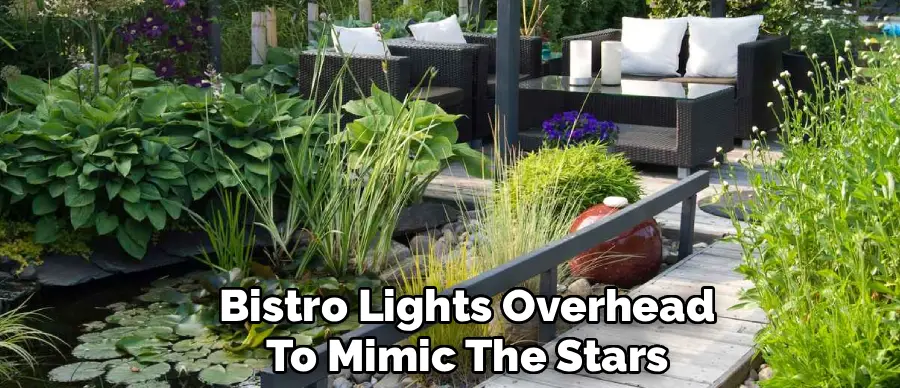
A well-lit space uses a combination of different lighting types to create depth and mood. For general ambiance, hang solar-powered string lights or bistro lights overhead to mimic the stars. For safety and to highlight your landscaping, use low-voltage path lights along walkways and uplights aimed at the base of interesting trees or shrubs. For an intimate glow within your seating area, use flameless LED candles, solar-powered lanterns, or small, portable table lamps. This layered approach ensures there are no dark, uninviting corners, but the light remains soft and welcoming.
Focusing on Warm, Indirect Light
The color temperature of your light matters immensely for relaxation. Choose bulbs that emit a warm, yellowish light (2700K to 3000K) rather than a cool, bluish-white light, as warmer tones mimic candlelight and are more conducive to relaxation. Whenever possible, use indirect lighting techniques. Instead of pointing lights at your seating area, aim them at a wall, a fence, or up into the foliage of a tree. The reflected glow will provide soft, diffuse illumination that is free from harsh glare, creating a cozy atmosphere perfect for evening conversation or quiet reflection.
Low-Maintenance by Design
A space designed for relaxation should not create more chores and stress. If your sanctuary requires hours of weeding and watering every weekend, it defeats the purpose. By making smart choices in your planting and design, you can create a backyard that is beautiful but requires minimal upkeep, allowing you more time to simply enjoy it.
Choosing Hardy, Native Plants
One of the best strategies for a low-maintenance garden is to choose plants that are naturally suited to your local environment. Native plants have evolved to thrive in your region’s specific climate, soil, and rainfall patterns, meaning they will generally require less watering, less fertilizing, and less pest control than non-native species. For your main plantings, choose hardy perennials, which will come back year after year, over annuals that need to be replanted every season. This ensures your garden looks established and lush with minimal intervention.
Using Mulch and Groundcover
An open patch of soil is an open invitation for weeds, which adds to your workload. To minimize your weeding time, use a thick layer of organic mulch (2-3 inches) in all your garden beds. Mulch helps to suppress weed growth by blocking sunlight to the soil, retains essential soil moisture (which means less watering for you), and regulates soil temperature to keep roots healthy. Alternatively, planting dense, spreading groundcover plants like creeping thyme or sedum can create a “living mulch” that chokes out weeds and provides a beautiful, low-maintenance carpet of green.
Conclusion
The journey to create a backyard retreat is a deeply personal and rewarding one. It is an investment in your own mental and physical well-being. The key pillars to this transformation are engaging your senses with soothing sound and scent, prioritizing deep comfort and a sense of privacy, and setting a magical mood with soft, layered lighting.
By now, you know that learning how to turn your backyard into a relaxing space is about making a series of intentional choices that cater directly to your personal vision of peace and calm. We encourage you to start small, perhaps by focusing on just one dedicated zone, and begin building the personal sanctuary you deserve. Your peaceful outdoor escape is waiting just outside your door.

About
Outdoor Fixes is a distinguished figure in the world of Diy design, with a decade of expertise creating innovative and sustainable Diy solutions.
His professional focus lies in merging traditional craftsmanship with modern manufacturing techniques,
fostering designs that are both practical and environmentally conscious. As the author of diy,
outdoorfixes delves into the art and science of outdoorfixes-making, inspiring artisans and industry professionals alike.
Education RMIT University
(Melbourne, Australia) Associate Degree in Design (Outdoor Fixes) Focus on sustainable design, industry-driven projects,
and practical craftsmanship. Gained hands-on experience with traditional and digital manufacturing tools, such as CAD and CNC software.
Nottingham Trent University
(United Kingdom) Bachelor’s in outdoorfixes.com and Product Design (Honors) Specialized in product design with a focus on blending creativity with production
techniques. Participated in industry projects, working with companies like John Lewis and Vitsoe to gain real-world insights.
Publications and Impact
In diy, Outdoor Fixes his insights on indoor design processes, materials, and strategies for efficient production.
His writing bridges the gap between artisan knowledge and modern industry needs, making it a must-read for both budding designers and seasoned professionals.