
To store a lawn mower properly, clean the deck, drain or stabilize the fuel, disconnect the spark plug, and pull the battery if your machine has one. Keep it somewhere dry and well-ventilated. Do this, and your mower should fire up without a fight when spring rolls around.
Skip the storage prep, and you may pay for it later. A mower left out in the cold—or one with old fuel sitting in the tank—tends to develop problems that get expensive fast. The engine takes the worst of it.
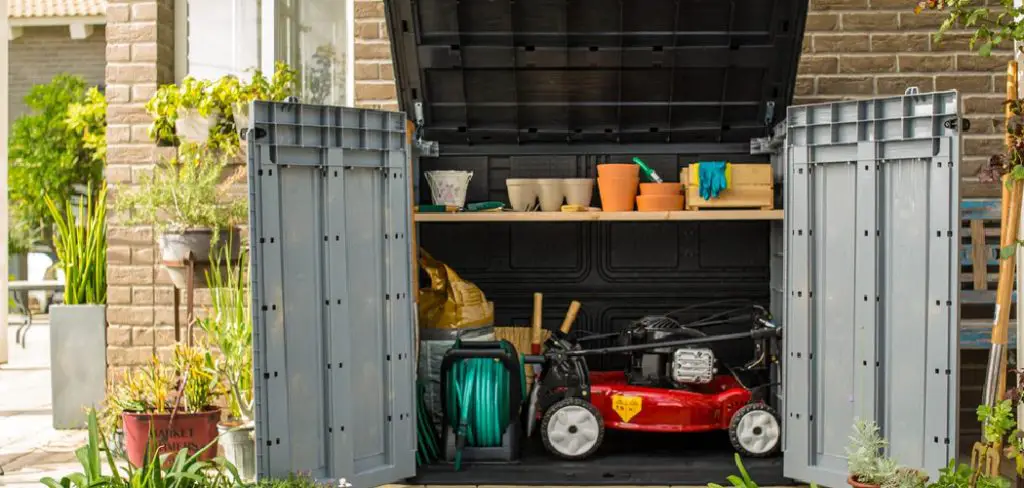
Spend an hour or two getting your machine ready now, and you’ll thank yourself in March. Winterizing keeps the internal seals from drying out and cracking. It also stops that sticky, varnish-like gunk from forming inside the carburetor, which is one of the more common reasons a mower won’t start after months in the shed. In this guide on how to store a lawn mower for winter, we’ll go over the steps you need to take to properly winterize your mower.
Why Should You Clean the Lawn Mower Before Storage?
Grass and grime aren’t harmless. Clippings, packed dirt, and the moisture trapped underneath all carry acids that slowly chew at the metal of the deck. Clear that buildup away and you stop rust before it gets a foothold. The blade housing keeps working the way it should.
Grab a wire brush and a putty knife, then scrape the caked-on grass off the undercarriage. A strong blast from the hose handles whatever’s left. Dry everything with a microfiber cloth before the mower goes into hibernation—any water you leave behind defeats the point.
7 Simple Step-By-Step Guidelines on How to Store a Lawn Mower
Step 1: Drain or Stabilize the Fuel System
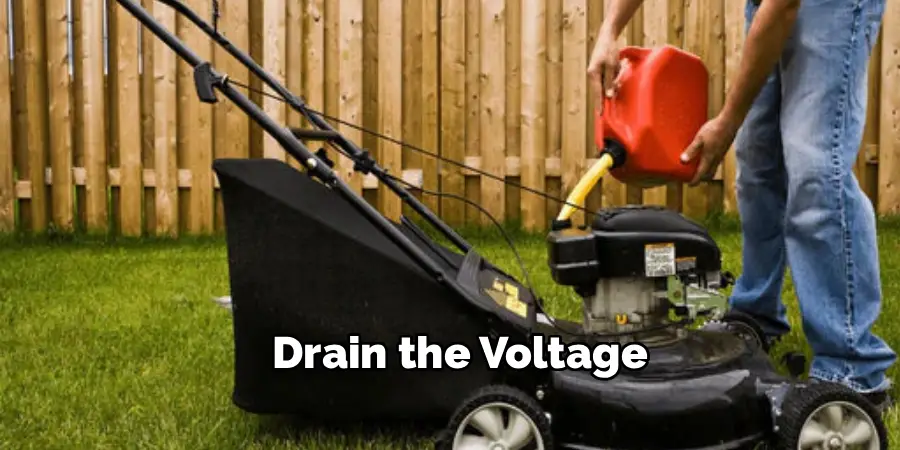
Old gas is trouble. Left untreated, it breaks down and turns into a gummy residue that clogs the carburetor. So you have two choices: run the engine until the tank is dry, or add a good fuel stabilizer to fresh gas. Most stabilizers keep fuel usable for around twelve months.
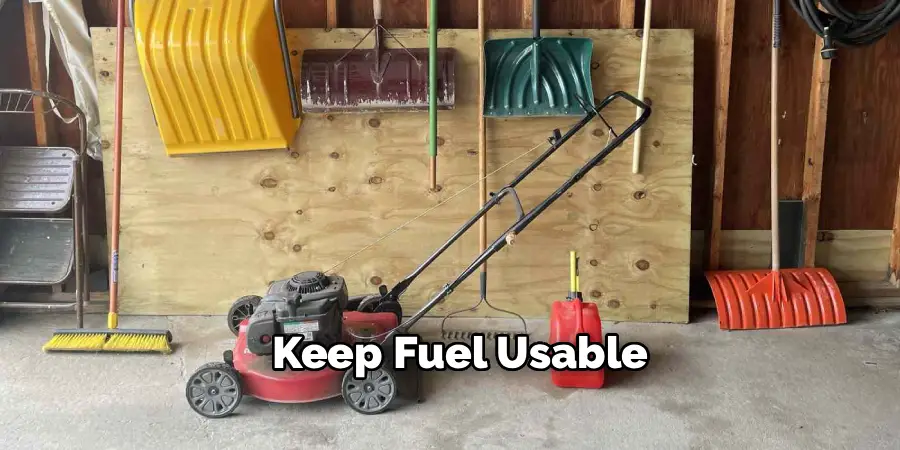
Going the stabilizer route? Fill the tank all the way after adding the recommended dose. Then let the engine run for about ten minutes so the treated fuel works its way through the whole system. That circulation coats the internal lines and shields the engine block from condensation.
Step 2: Disconnect the Spark Plug
This one’s about safety. With the spark plug disconnected, the mower can’t start while your hands are near the blade. Find the plug on the front or side of the engine, then pull the rubber boot firmly off the terminal.
Want to go a step further? Take the plug out entirely with a socket wrench and check the electrodes for carbon buildup. A blackened or damaged plug should be swapped out before storage—no sense reinstalling something you’ll only replace later. A quick spray of fogging oil into the empty cylinder helps keep the inside from rusting, too.
Step 3: Change the Engine Oil
Used oil isn’t just dirty. It holds acidic contaminants that quietly corrode engine parts while the mower sits idle for months. Drain it out and pour in fresh, manufacturer-recommended fluid so the internal components stay lubricated through the off-season.
Slide a catch pan under the drain plug, pull the plug, and let the old oil empty fully. Once it’s done, secure the plug and fill the crankcase to the line on the dipstick. Wipe up any spills right away—oil on the floor attracts pests and leaves stains that are a pain to remove.
Step 4: Remove and Clean the Battery
Riding mower? Battery-powered push model? Either way, pulling the battery keeps it from draining or freezing in the cold. Disconnect the negative terminal first, then the positive, and lift the battery out of its housing with care.
Give the casing a wipe with a damp cloth. For corrosion on the terminals, a paste of baking soda and water neutralizes it nicely. Store the battery indoors somewhere cool and dry, and hook it up to a trickle charger so it holds its voltage until spring.
Step 5: Remove and Sharpen the Cutting Blade
A dull or unbalanced blade makes your first cut next season harder than it needs to be, and it tears the grass instead of slicing it cleanly. Tip the mower onto its side—air filter facing up, always—and use a wrench to unbolt the blade from the drive shaft.
This is your chance to fill out the nicks and bring back the factory edge with a bench grinder or a sturdy metal file. Coat the sharpened blade with a little machine oil to keep moisture off, then either bolt it back on or wrap it in a dry towel for storage.
Step 6: Replace or Clean the Air Filter
A clogged filter forces the engine to work harder than it should. That means more fuel burned and a higher chance of overheating once you start mowing again. Paper filters are cheap, so just toss the old one and put in a new one. Foam filters can be washed in warm water with a mild detergent.
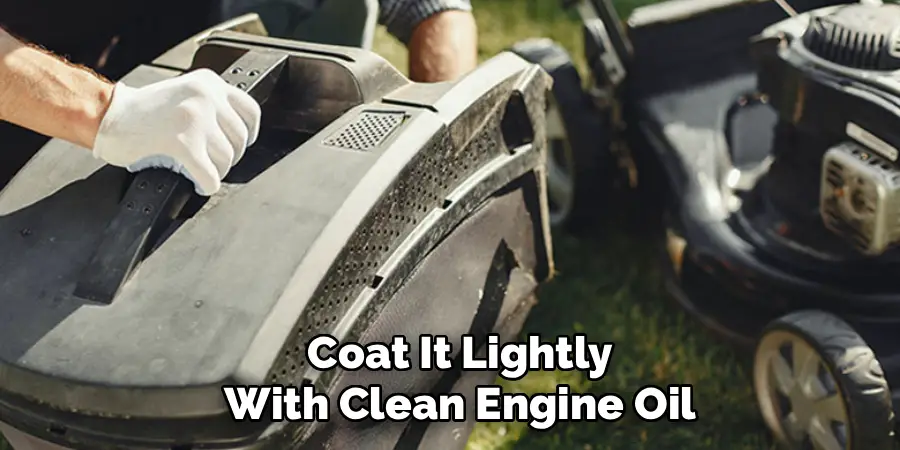
Let a washed foam filter dry all the way through, then coat it lightly with clean engine oil to catch dust down the line. Slot the clean filter back into the housing and make sure the cover snaps shut—a tight seal keeps insects and rodents out of the intake.
Step 7: Choose the Ideal Storage Location
Where the mower spends the winter matters more than people think. A dry, covered spot—a sealed garage or a weatherproof shed—keeps rain, snow, and shifting humidity away from the machine.
Don’t park it straight on bare dirt or concrete, though. Moisture wicks up from the ground and speeds up the rusting of the deck. Set the mower on a thick tarp or a sheet of plywood instead, and lay a breathable canvas cover over the top to stop dust from collecting on the engine.
Following these steps on how to store a lawn mower for the winter will ensure that it is in good condition when you are ready to use it again in the spring.
What Are the Best Long-Term Storage Tips for Lawn Mowers?
Long-term storage works best in a space without big temperature swings. If an unheated outbuilding is your only option, a spray of silicone-based lubricant on the exposed metal joints helps push moisture away.
Keep the mower well clear of anything with a pilot light—water heaters, furnaces, that sort of thing—since leftover fuel vapors can turn into a genuine fire risk. And make the space pest-proof. Mice will chew through wiring given half a chance, so set out deterrents nearby.
What Are Common Mistakes to Avoid When Storing Mowers?
The big one is leaving untreated fuel in the tank, which tends to end in serious engine blockages. Plenty of people also forget the spark plug, and that’s a safety problem waiting to happen during maintenance.
Then there’s the plastic tarp mistake—drape one over a mower stored outside and it traps condensation underneath, which may speed up rust on the deck rather than prevent it.
How Should You Be Preparing for Next Season’s Use?
Getting ready for spring starts a few weeks before the grass even needs a trim. Look over the deck for hidden rust and check that every external bolt is tight. Reconnect the charged battery and reattach the spark plug wire to its terminal.
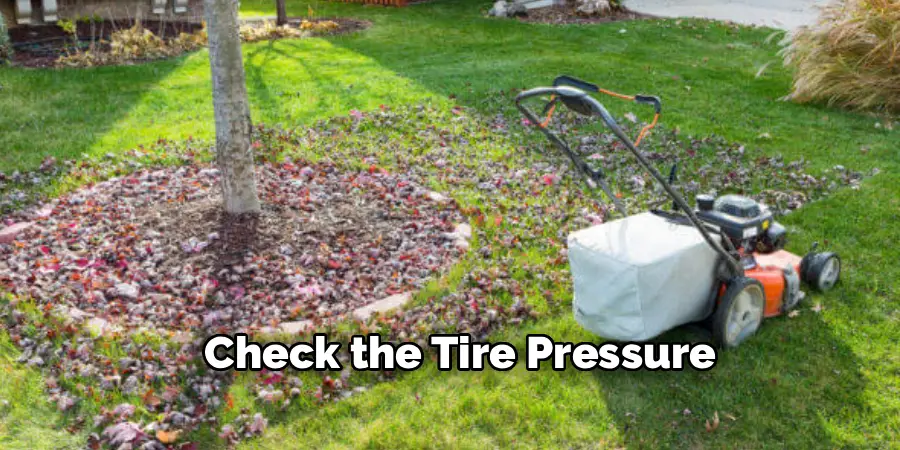
Fill the tank with fresh, high-octane gas for clean combustion. One last thing for riding mowers: check the tire pressure, since uneven tires give you an uneven cut on that first pass.
Frequently Asked Questions About Lawn Mower Storage
Q1: Can I Store My Lawn Mower Outside During the Winter?
It’s not a good idea. Outdoor storage leaves the engine open to heavy snow, freezing rain, and sharp temperature drops. Moisture finds its way into the carburetor and fuel lines, which may corrode the metal and eventually kill the engine. A dry indoor space—a garage or a secure shed—protects your investment far better.
Q2: Should I Leave Gas in My Lawn Mower Over the Winter?
Not untreated gas, and not for more than about thirty days. Fuel breaks down over time and leaves a sticky varnish that ruins carburetor jets and fuel lines. Your two safe options: run the tank completely dry, or fill it to the top with gas that’s been treated with a fuel stabilizer.
Q3: Do I Need to Disconnect the Battery on a Riding Mower?
Yes. Take the battery out of a riding mower before winter storage. Freezing temperatures drain the voltage quickly and can crack the plastic casing. Keep it indoors on a wooden shelf with a trickle charger attached to preserve its lifespan.
Get Your Mower Ready for Spring
A little effort cleaning and winterizing your mower now saves you real time and money later. Equipment that’s been maintained runs better and keeps your lawn looking sharp season after season.
For details specific to your machine, check the manufacturer’s manual or have a chat with someone at your local hardware store. Thanks for reading this guide on how to store a lawn mower.

About
Outdoor Fixes is a distinguished figure in the world of Diy design, with a decade of expertise creating innovative and sustainable Diy solutions.
His professional focus lies in merging traditional craftsmanship with modern manufacturing techniques,
fostering designs that are both practical and environmentally conscious. As the author of diy,
outdoorfixes delves into the art and science of outdoorfixes-making, inspiring artisans and industry professionals alike.
Education RMIT University
(Melbourne, Australia) Associate Degree in Design (Outdoor Fixes) Focus on sustainable design, industry-driven projects,
and practical craftsmanship. Gained hands-on experience with traditional and digital manufacturing tools, such as CAD and CNC software.
Nottingham Trent University
(United Kingdom) Bachelor’s in outdoorfixes.com and Product Design (Honors) Specialized in product design with a focus on blending creativity with production
techniques. Participated in industry projects, working with companies like John Lewis and Vitsoe to gain real-world insights.
Publications and Impact
In diy, Outdoor Fixes his insights on indoor design processes, materials, and strategies for efficient production.
His writing bridges the gap between artisan knowledge and modern industry needs, making it a must-read for both budding designers and seasoned professionals.