
A backyard should be a place you love spending time, not somewhere you avoid because of a lingering odor. If you share your yard with a furry friend, you have probably noticed that stubborn smell that builds up over time. Learning how to get rid of dog urine smell in backyard areas can feel tricky at first, but the good news is that it is completely doable with the right approach.
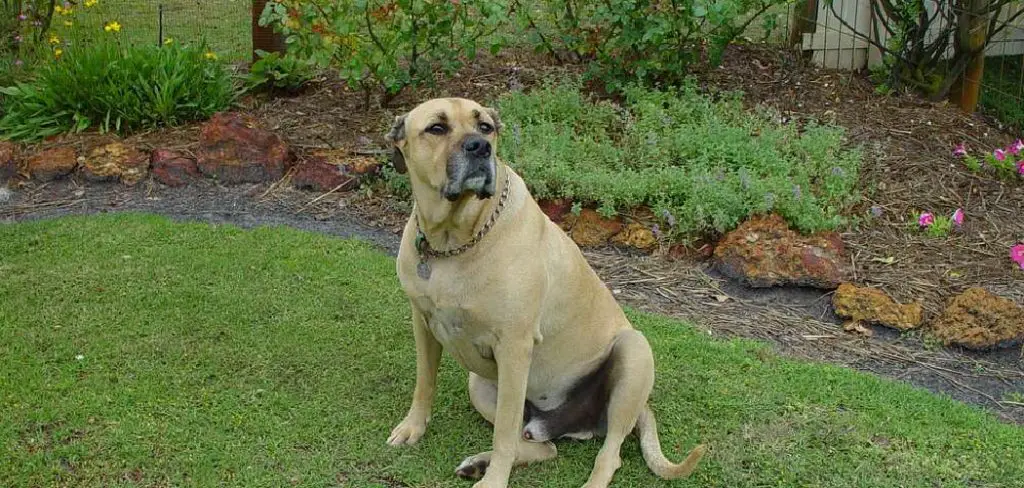
Dog urine soaks into grass, soil, gravel, and even concrete, leaving behind ammonia and bacteria that create that sharp, unpleasant scent. The longer it sits, the harder it becomes to remove. That is why a little knowledge goes a long way here.
In this guide, we will walk through clear, beginner-friendly steps that anyone can follow, no matter your experience level. You will learn what causes the smell, why tackling it matters, and exactly how to clean and freshen your space. By the end, you will feel confident reclaiming your yard and keeping it pleasant for your whole family, pets included.
Why Removing Backyard Urine Odor Matters
Tackling that odor is about more than just comfort, though a fresh-smelling yard is certainly nicer to enjoy. Urine buildup affects your home environment in several ways, and addressing it early saves you time and frustration.
First, the ammonia in dog urine can kill grass and leave ugly yellow patches across your lawn. Removing it protects the health and look of your outdoor space. Second, the smell can attract insects and other animals, creating new headaches you would rather avoid. Third, strong odors can drift indoors, especially on warm days when windows are open.
Keeping your yard clean also supports your dog’s health, since dogs prefer fresh areas and may avoid soiled spots. A little regular care delivers a yard everyone can enjoy, year-round.
Step-by-Step Guide to How To Get Rid Of Dog Urine Smell In Backyard
Step 1: Locate Every Problem Area
Before you start cleaning, you need to know exactly where the trouble spots are. Walk around your yard slowly and pay attention to areas where your dog likes to go. Common hot spots include corners, along fences, near favorite trees, and patches of dead or yellowing grass.
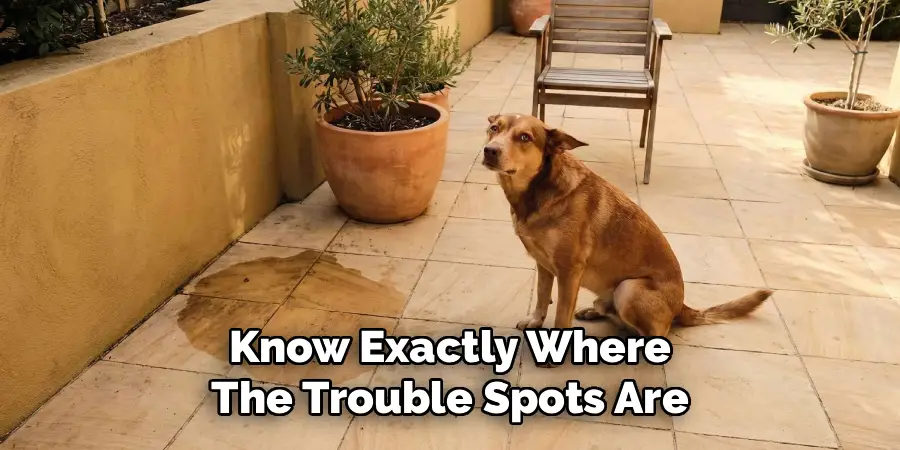
On a warm day, the smell becomes stronger, which actually makes detection easier. You can also use a UV flashlight at night, since dried urine often glows under blacklight. Mark each spot with a small flag or a rock so you do not miss anything later. Identifying every area now ensures your cleaning efforts are thorough and that no hidden source keeps the odor coming back.
Step 2: Rinse The Area With Water First
Once you have mapped out the problem zones, give them a good rinse. Grab your garden hose and flush each spot generously with water. This first wash dilutes the urine and pushes some of it deeper into the soil and away from the surface where the smell concentrates.
Rinsing also prepares the area for your cleaning solution to work more effectively. Do not skip this step, even if you are eager to jump to the deep clean. A thorough soak loosens dried residue and lifts surface bacteria, making the rest of your job far easier. For grass and soil, water freely. For concrete or pavers, a strong stream helps wash buildup out of tiny cracks and pores.
Step 3: The Best Way For Urine Smell In Backyard Naturally
Natural cleaners work wonderfully and are safe for pets and plants. Start with a simple mix of equal parts white vinegar and water in a spray bottle or watering can. Vinegar neutralizes the ammonia that causes that sharp smell, and it is gentle on most surfaces.
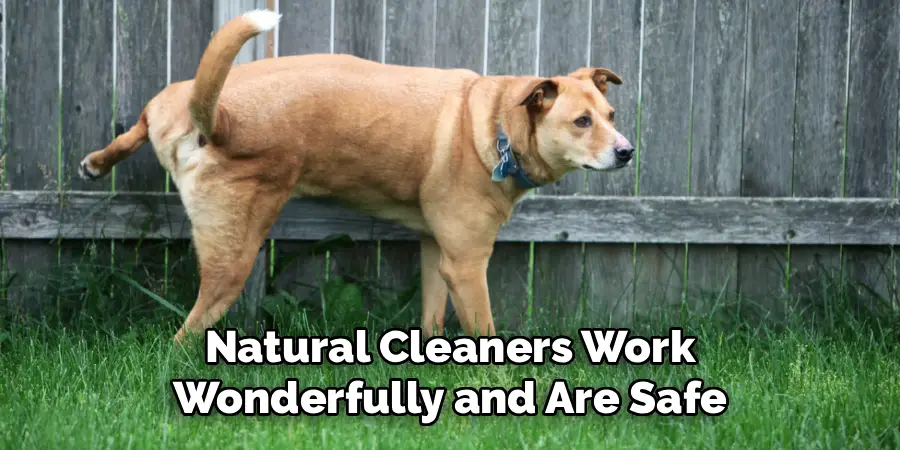
Apply the solution generously to each marked spot and let it sit for about ten minutes. For tougher areas, sprinkle baking soda over the spot after the vinegar, then let it fizz and absorb the odor. This combo tackles smells at the source rather than just masking them. Natural options give you peace of mind, knowing your dog can return to a freshly treated, chemical-free yard safely.
Step 4: Use An Enzyme Cleaner For Stubborn Spots
Sometimes vinegar alone will not fully clear deep-set odors, especially in spots used for months. This is where enzyme cleaners shine. These specialized products contain helpful bacteria and enzymes that break down the uric acid crystals responsible for that lasting smell.
Choose a pet-safe enzyme cleaner from a pet store or online, and follow the label instructions carefully. Apply it directly to the affected area and allow plenty of dwell time, often thirty minutes or more, so the enzymes can do their work. Unlike masking sprays, enzyme cleaners actually digest the odor-causing compounds. For severe cases, you may need a second application, but the results are well worth the extra effort and patience.
Step 5: Tackle Hard Surfaces And Gravel
Concrete, pavers, and gravel hold onto odors differently than grass, so they need a slightly different touch. For these surfaces, mix a cleaning solution and scrub with a stiff brush to reach into porous areas and tiny gaps where urine settles.
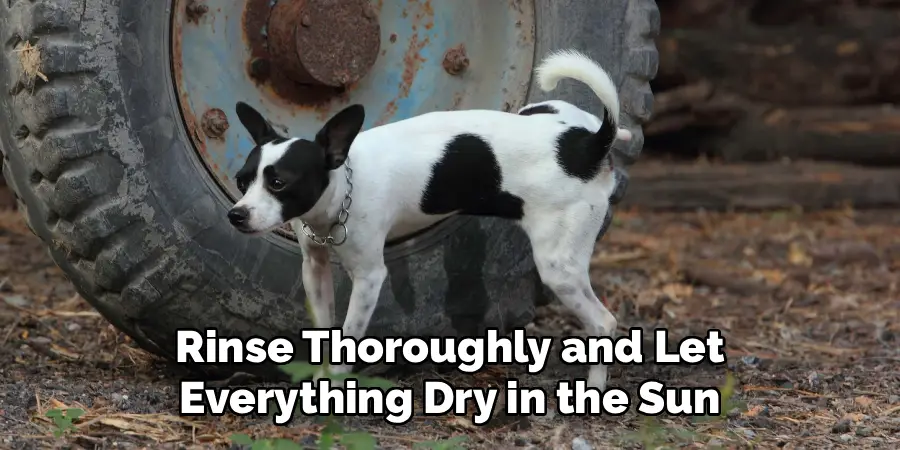
After scrubbing, rinse thoroughly and let everything dry in the sun. Sunlight is a natural deodorizer and helps kill lingering bacteria. For gravel, you may need to rinse repeatedly, since liquid pools beneath the stones. In stubborn cases, removing and replacing the top layer of gravel offers a fresh start. Hard surfaces respond well to consistent care, so do not be discouraged if one round does not fully solve it.
Step 6: Refresh And Repair Your Lawn
After cleaning, your grass may need a little recovery support, especially where urine left brown or yellow patches. Water these spots deeply for several days to flush out remaining salts and help the soil rebalance. Healthy soil bounces back faster than you might expect.
For bare areas, sprinkle grass seed and keep it moist until new growth appears. You can also add a thin layer of lawn-safe gypsum, which helps neutralize salts and supports recovery. Encouraging fresh, thick grass not only looks great but also makes your yard more pleasant overall. A healthy lawn naturally resists odors better and gives your dog a comfortable, clean space to enjoy.
Step 7: Prevent Future Odor Buildup
Prevention is the secret to keeping your yard fresh long-term. Train your dog to use one designated potty area, ideally a gravel or mulch patch that is easy to rinse and clean. This keeps the rest of your lawn protected and concentrates cleanup to a single zone.
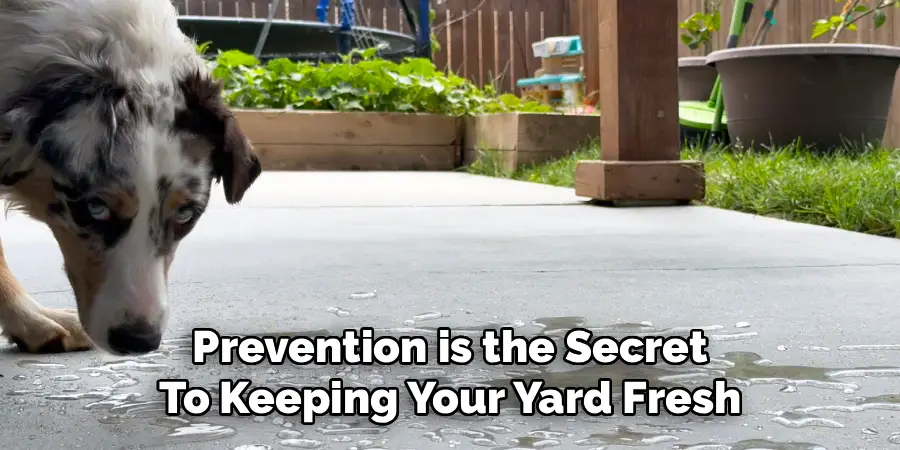
Make a habit of rinsing that area regularly, even daily during warm weather. Keeping your dog well hydrated also helps, since diluted urine is less concentrated and far less smelly. Consider a quick weekly maintenance routine with your vinegar spray to stay ahead of buildup. With these small, consistent habits, you will rarely deal with strong odors again, and your backyard will stay welcoming all season long.
Frequently Asked Questions
How Often Should I Clean My Backyard To Prevent Odor?
For most dog owners, a quick rinse of the main potty area every day during warm months works best, since heat intensifies smells fast. A deeper clean with vinegar or an enzyme cleaner once a week keeps buildup under control. In cooler weather you can stretch this out, but consistency matters most. Regular maintenance is far easier than tackling months of accumulated odor all at once.
Will Vinegar Harm My Grass Or Plants?
When diluted with equal parts water, vinegar is generally safe for occasional use on grass and most plants. The problem only arises if you apply concentrated vinegar repeatedly to the same spot, which can dry out roots. To stay safe, always dilute it, rinse the area with water afterward, and avoid soaking delicate flowers or vegetables directly. Used carefully, vinegar is an effective and budget-friendly odor fighter.
Why Does The Smell Get Worse In Hot Weather?
Heat speeds up the breakdown of urine, releasing more ammonia and intensifying that sharp, unpleasant scent. Warm temperatures also encourage bacteria to multiply quickly, which adds to the problem. Moisture and humidity make odors linger in the air longer too. This is why summer demands more frequent cleaning. Staying ahead with regular rinsing and prompt treatment keeps things manageable even during the hottest stretches of the year.
Are Enzyme Cleaners Safe For Pets?
Most enzyme cleaners designed for pet messes are completely safe when used as directed, since they rely on natural bacteria and enzymes rather than harsh chemicals. Always check the label and choose products labeled pet-safe. Allow the treated area to dry fully before letting your dog back out. If you have any concerns, test a small spot first and consult your vet for extra reassurance.
What If The Odor Still Lingers After Cleaning?
If smells persist after a thorough clean, the urine has likely soaked deep into soil, gravel, or porous concrete. Repeat your enzyme treatment with a longer dwell time, and for gravel or soil, consider replacing the top layer. Deep watering helps flush salts from the ground. Stubborn cases sometimes take a few rounds, so be patient. Consistent treatment almost always wins, even when the odor feels impossible at first.
Conclusion
A fresh, welcoming backyard is well within your reach, even with an active dog enjoying the space every day. The key takeaways are simple. Find every problem spot, rinse thoroughly, treat with natural or enzyme cleaners, care for your lawn, and build prevention habits that keep odors from returning.
Now that you understand how to get rid of dog urine smell in backyard spaces, you have the tools and confidence to reclaim your outdoor area for good. Remember that consistency makes all the difference, and small weekly efforts beat occasional big cleanups every time. Start with one problem area today, work through these steps at your own pace, and watch your yard transform. Your nose, your lawn, and your four-legged companion will all thank you for it.

About
Outdoor Fixes is a distinguished figure in the world of Diy design, with a decade of expertise creating innovative and sustainable Diy solutions.
His professional focus lies in merging traditional craftsmanship with modern manufacturing techniques,
fostering designs that are both practical and environmentally conscious. As the author of diy,
outdoorfixes delves into the art and science of outdoorfixes-making, inspiring artisans and industry professionals alike.
Education RMIT University
(Melbourne, Australia) Associate Degree in Design (Outdoor Fixes) Focus on sustainable design, industry-driven projects,
and practical craftsmanship. Gained hands-on experience with traditional and digital manufacturing tools, such as CAD and CNC software.
Nottingham Trent University
(United Kingdom) Bachelor’s in outdoorfixes.com and Product Design (Honors) Specialized in product design with a focus on blending creativity with production
techniques. Participated in industry projects, working with companies like John Lewis and Vitsoe to gain real-world insights.
Publications and Impact
In diy, Outdoor Fixes his insights on indoor design processes, materials, and strategies for efficient production.
His writing bridges the gap between artisan knowledge and modern industry needs, making it a must-read for both budding designers and seasoned professionals.