
A green, murky pond can turn a beautiful backyard feature into an eyesore almost overnight. Algae thrives when sunlight, warm water, and extra nutrients combine, and once it takes hold, it spreads fast. If you have noticed cloudy water, slimy strands, or a thick green film on the surface, you are not alone. Many pond owners face this exact challenge, especially during warmer months. The good news is that learning how to get rid of algae on a pond is far simpler than it looks, and you do not need to be an expert to do it.
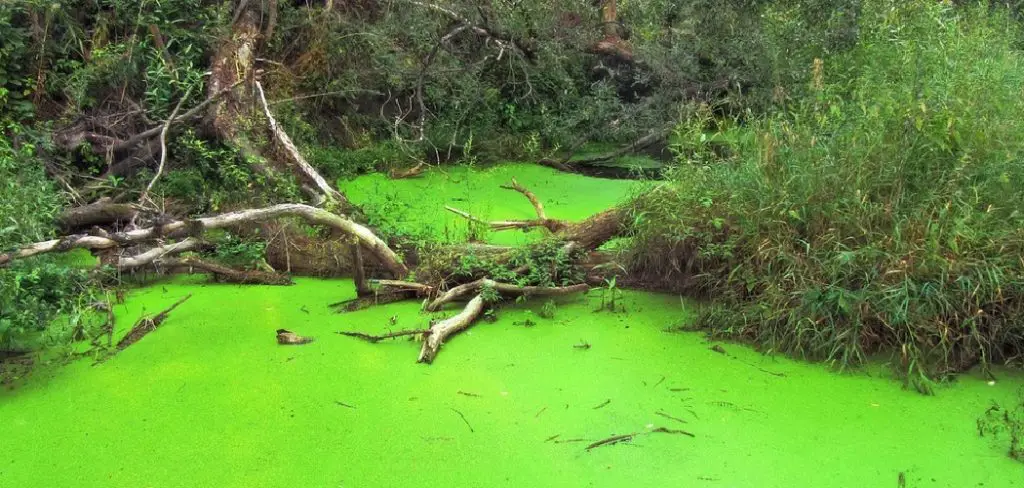
This guide breaks the process into clear, manageable steps that anyone can follow, no matter your experience level. We will explain why algae matters, walk you through a practical seven-step plan, and answer the most common questions along the way. With a little patience and the right approach, you can restore clear water, protect your fish and plants, and keep your pond healthy long term. Grab a notepad, and let’s get your water looking crystal clear again.
Why Getting Rid of Algae on a Pond Matters
Algae is more than a cosmetic problem. When it grows out of control, it competes with your fish and plants for oxygen, especially at night. This can lead to stressed or even dying fish, cloudy water, and unpleasant odors that ruin your outdoor space.
Clearing algae also protects the long-term health of your ecosystem. A balanced pond supports beneficial bacteria, healthy plant growth, and clear water that you can actually enjoy. Tackling algae early prevents bigger problems down the road, such as clogged pumps, damaged filters, and costly repairs. By staying on top of it, you save money, reduce maintenance headaches, and create a thriving habitat. Best of all, a clean pond becomes a relaxing focal point rather than a constant source of frustration and worry.
Step-by-Step Guide to How To Get Rid of Algae on a Pond
Step 1: Identify The Type Of Algae You Have
Before you treat anything, take a close look at what you are dealing with. Pond algae generally falls into two groups, namely green water algae that turns the whole pond cloudy, and string algae that forms long, slimy strands clinging to rocks and edges. Knowing which type you have helps you choose the right solution instead of wasting time and money.

Scoop a small sample and observe its texture and color. Green water suggests free-floating algae, while hair-like clumps point to string algae. This quick check sets the foundation for everything that follows, so do not skip it. A clear diagnosis means a faster, more effective fix.
Step 2: Remove Visible Algae By Hand
Once you know your enemy, start with the most satisfying part, which is physically removing what you can see. Use a pond net, a stiff brush, or even a clean stick to twirl and lift string algae from the surface and rocks. Think of it like winding spaghetti onto a fork, slow and steady works best.
Pull out as much as possible and place it on the bank for a few hours before composting it. This lets any trapped creatures crawl back into the water. Manual removal instantly reduces the algae load and gives your other treatments a real head start toward clearer water.
Step 3: Test And Balance Your Water
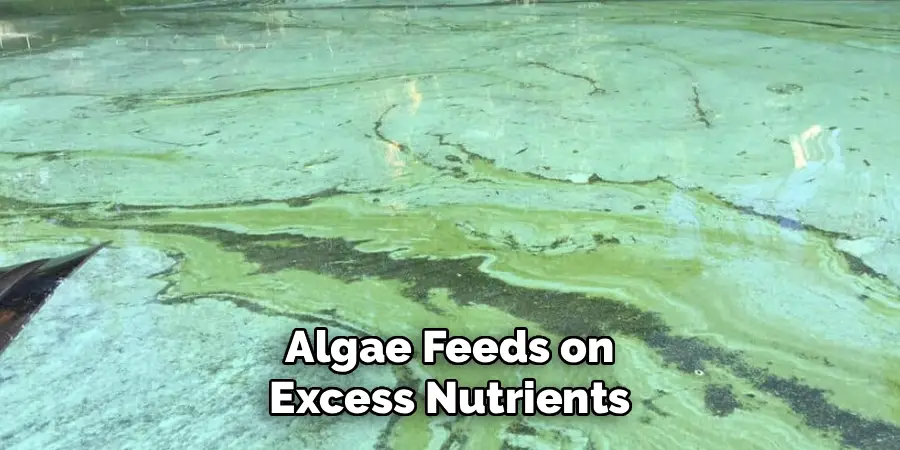
Algae feeds on excess nutrients, so testing your water reveals what is fueling the problem. Pick up an inexpensive test kit and check the levels of nitrates, phosphates, ammonia, and pH. High readings usually mean too many nutrients, often from fish waste, leftover food, or runoff from nearby plants and lawns.
Once you understand your numbers, you can take targeted action. Reducing feeding, adding beneficial bacteria, or using a phosphate binder can bring things back into balance. This step empowers you to fix the root cause rather than just the symptoms. Balanced water is the single most important factor in keeping algae away for good.
Step 4: The Best Way For Using Plants
Nature offers one of the most effective tools available, and that is competition. Aquatic plants such as water lilies, hornwort, and water hyacinth absorb the same nutrients algae craves, effectively starving it out. They also provide shade, which limits the sunlight algae needs to grow.
Aim to cover roughly half to two-thirds of your pond’s surface with healthy plants. This natural shading dramatically slows algae growth while creating a beautiful, balanced habitat. Floating plants are especially helpful because they spread quickly and require little effort. By letting plants do the heavy lifting, you build a self-sustaining system that keeps water clear with minimal ongoing work.
Step 5: Improve Filtration And Water Movement
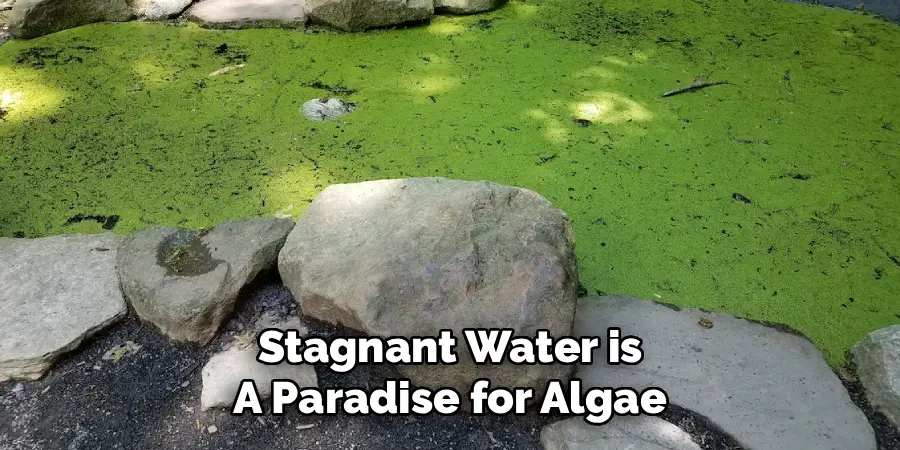
Stagnant water is a paradise for algae, so getting your water moving makes a huge difference. A quality pump and filter keep water circulating, trap debris, and support the beneficial bacteria that break down waste. If your current setup struggles, consider upgrading to a filter rated for your pond’s volume.
Adding a fountain, waterfall, or aerator boosts oxygen and disrupts the calm surface algae loves. Better oxygen levels also keep your fish healthier and your whole ecosystem more resilient. Clean your filter regularly so it works at full strength. With strong filtration and steady movement, you create conditions where algae simply cannot settle in and thrive.
Step 6: Consider A UV Clarifier Or Safe Treatment
When green water refuses to clear, a UV clarifier can work wonders. This device passes water past an ultraviolet light that destroys free-floating algae cells, leaving your pond noticeably clearer within days. It is safe for fish and plants when installed correctly, making it a favorite among pond owners battling persistent cloudiness.
For stubborn cases, you might also use a pond-safe algaecide, but always follow the label carefully and treat in small sections. Overusing chemicals can harm fish and beneficial bacteria, so use them as a backup rather than a first response. Combined with the earlier steps, these tools deliver reliable, lasting results.
Step 7: Maintain Your Pond Regularly
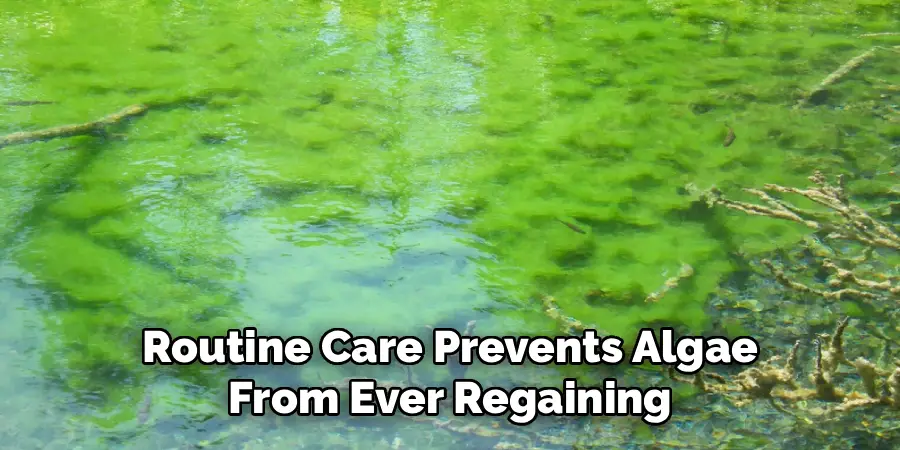
The final and most important step is consistent upkeep. A few minutes of routine care prevents algae from ever regaining its grip. Skim debris, remove falling leaves, and avoid overfeeding your fish, since uneaten food quickly becomes algae fuel. Set a simple weekly schedule and stick to it.
Check your water levels monthly and clean your filter as needed. Seasonal changes call for slight adjustments, so stay observant during spring and summer when algae grows fastest. Think of maintenance as a small investment that pays off in crystal-clear water all year. With these habits in place, your pond stays healthy, vibrant, and easy to enjoy season after season.
Frequently Asked Questions
How Long Does It Take To Clear A Green Pond?
Results vary depending on your method and the severity of the problem. Manual removal and plant additions show gradual improvement over one to three weeks. A UV clarifier often clears green water within three to seven days. For lasting clarity, combine several approaches and stay consistent, since balancing nutrients and improving filtration take a little time to fully take effect.
Will Algae Harm My Fish?
In small amounts, algae is harmless and even provides a natural food source. The danger comes when it grows excessively, because thick blooms deplete oxygen overnight and can stress or suffocate fish. Sudden algae die-offs are especially risky, as decaying matter consumes oxygen rapidly. Keeping algae in check protects your fish and maintains a healthy, well-oxygenated environment for them to thrive.
Can I Use Household Bleach To Kill Algae?
It is strongly discouraged. Household bleach is far too harsh and can quickly kill fish, plants, and the beneficial bacteria your pond relies on. Instead, choose pond-safe products designed specifically for aquatic life, and always follow the instructions. Natural methods like plants, filtration, and nutrient control are safer, more effective, and far better for your pond’s long-term health.
Why Does My Algae Keep Coming Back?
Recurring algae usually signals an underlying imbalance, most often excess nutrients or too much sunlight. Overfeeding fish, decaying leaves, and runoff all add nutrients that fuel regrowth. If you only remove visible algae without fixing the cause, it returns quickly. Focus on balancing your water, adding shade plants, and maintaining strong filtration to break the cycle for good.
Is Some Algae Actually Good For My Pond?
Yes, a small amount of algae is completely normal and even beneficial. It produces oxygen, supports the food chain, and indicates a living ecosystem. The goal is balance rather than total elimination. Healthy ponds naturally contain some algae without turning green or slimy. Problems only arise when growth becomes excessive, so aim for control instead of trying to wipe it out entirely.
Conclusion
Restoring a clear, healthy pond is absolutely within your reach, even if you are just starting out. By identifying the algae type, removing it by hand, balancing your water, adding plants, improving filtration, using safe treatments, and keeping up with regular maintenance, you tackle both the symptoms and the root causes. Each step builds on the last, creating a balanced ecosystem that naturally resists algae over time.
Now that you understand how to get rid of algae on a pond, you have everything you need to take action with confidence. Start with one or two steps this week, then build from there as you see results. Your fish, plants, and the whole backyard will thank you. With a little consistency and care, that crystal-clear water you have been picturing is closer than you think, so dive in and enjoy the process.

About
Outdoor Fixes is a distinguished figure in the world of Diy design, with a decade of expertise creating innovative and sustainable Diy solutions.
His professional focus lies in merging traditional craftsmanship with modern manufacturing techniques,
fostering designs that are both practical and environmentally conscious. As the author of diy,
outdoorfixes delves into the art and science of outdoorfixes-making, inspiring artisans and industry professionals alike.
Education RMIT University
(Melbourne, Australia) Associate Degree in Design (Outdoor Fixes) Focus on sustainable design, industry-driven projects,
and practical craftsmanship. Gained hands-on experience with traditional and digital manufacturing tools, such as CAD and CNC software.
Nottingham Trent University
(United Kingdom) Bachelor’s in outdoorfixes.com and Product Design (Honors) Specialized in product design with a focus on blending creativity with production
techniques. Participated in industry projects, working with companies like John Lewis and Vitsoe to gain real-world insights.
Publications and Impact
In diy, Outdoor Fixes his insights on indoor design processes, materials, and strategies for efficient production.
His writing bridges the gap between artisan knowledge and modern industry needs, making it a must-read for both budding designers and seasoned professionals.