
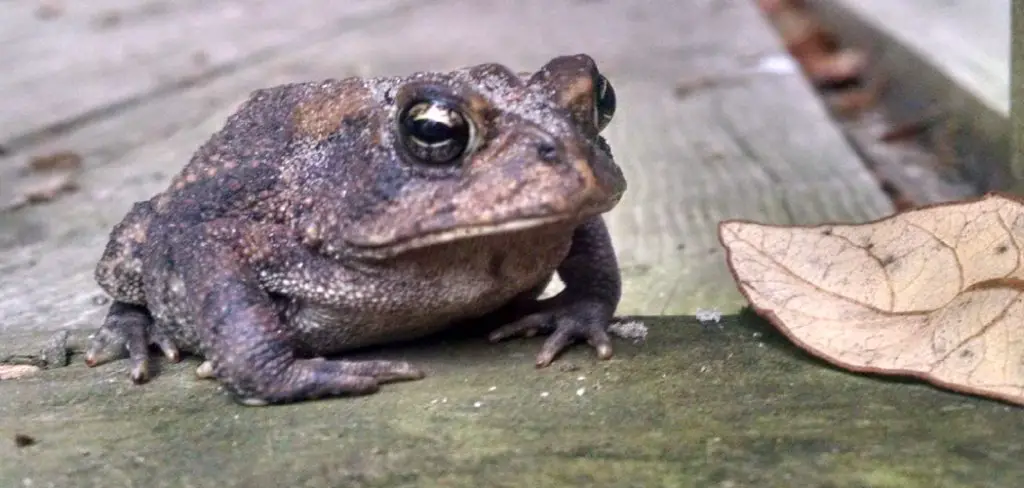
Frogs might look cute hopping across your garden, but when they take over your porch, the charm fades fast. Their nighttime croaking, slippery messes, and habit of attracting hungry snakes can turn a relaxing space into a frustrating one. If you have ever stepped outside in the dark and nearly slipped on an unexpected visitor, you already understand the problem. Learning how to keep frogs away from my porch is the practical solution that many homeowners search for once the warm, damp season rolls in.
The good news is that you do not need harsh chemicals or expensive equipment to reclaim your space. Frogs gather where food, water, and shelter are easy to find, so a few smart changes can send them hopping elsewhere. This guide walks you through clear, beginner-friendly steps that anyone can follow, no matter your experience level.
We will explain why this matters, share a simple seven-step plan, and answer the questions people ask most. By the end, you will feel confident handling the issue and enjoying your porch again, free from unwanted amphibian guests and the mess they leave behind.
Why Keep Frogs Away From Your Porch
Keeping frogs off your porch is about more than peace and quiet, though silencing those late-night croaks is a welcome bonus. Frogs leave behind droppings that stain surfaces and create slippery, unsanitary spots near your door. Those messes can track inside on shoes, bringing bacteria into your home.
There is also a safety angle worth noting. Frogs attract predators like snakes, which follow their food source straight to your porch. By reducing the frog population, you lower the chance of more dangerous visitors showing up. On top of that, a frog-free porch protects your pets, since some frog species release toxins that can sicken curious dogs and cats. A few preventive habits keep your outdoor space cleaner, safer, and far more enjoyable for the whole household.
Step-by-Step Guide to How To Keep Frogs Away From My Porch
Step 1: Turn Off Or Adjust Your Outdoor Lighting
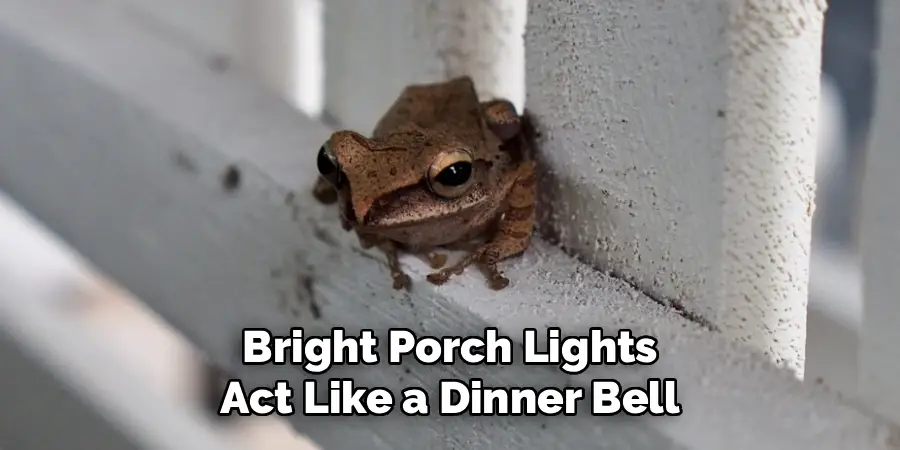
Bright porch lights act like a dinner bell for frogs. The glow attracts moths, mosquitoes, and other insects, and frogs follow that buffet right to your doorstep. The simplest fix is to switch off lights when you do not need them, especially during humid evenings when bugs swarm the most.
When you do need light, swap standard bulbs for yellow or amber LED options. These warmer tones attract far fewer insects, which means fewer frogs hanging around to feed. You can also install motion-sensor fixtures so the light only turns on when someone approaches. Reducing the insect crowd removes the main reason frogs gather, and you will likely notice a difference within just a few nights.
Step 2: Remove Standing Water Sources
Frogs need moisture to survive and breed, so any standing water near your porch is an open invitation. Walk around your home and look for puddles, clogged gutters, saucers under potted plants, pet water bowls left outside, and low spots that collect rain. Each of these gives frogs a place to drink, cool off, and lay eggs.
Empty and dry these areas regularly, and fix any drainage problems that let water pool. If you have a birdbath or decorative fountain, keep the water moving with a pump, since frogs prefer still water. Bring pet bowls indoors overnight too. By cutting off easy access to moisture, you make your porch a far less appealing place for frogs to settle in.
Step 3: Clear Away Hiding Spots And Clutter
Frogs love cool, shady hideaways where they can rest during the day and stay safe from predators. Stacked firewood, dense potted plants, piles of leaves, and cluttered corners all give them perfect shelter. Take a close look at your porch and the surrounding area, then tidy up anything that creates a damp, dark refuge.
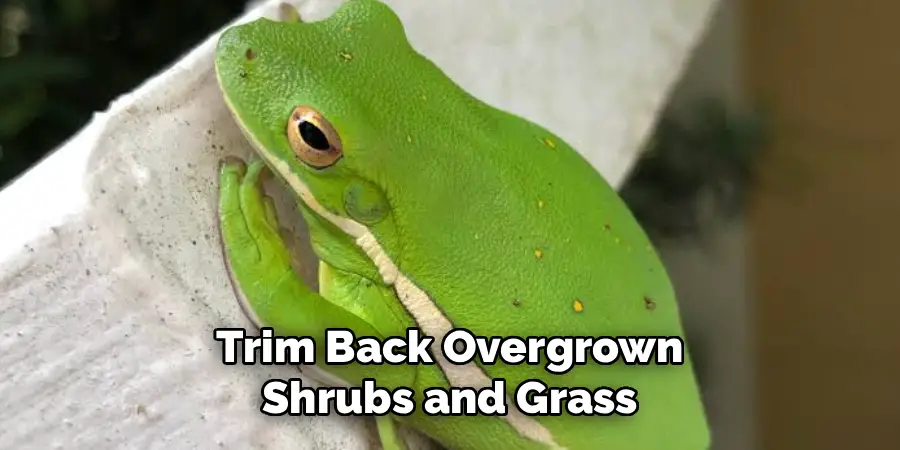
Trim back overgrown shrubs and grass near the foundation, and sweep away fallen leaves regularly. Store items like cushions, tools, and boxes neatly off the ground so frogs cannot tuck themselves underneath. When you remove these comfortable hiding places, frogs lose the security they crave and naturally move on to find shelter somewhere far from your living space.
Step 4: Use Natural Frog Repellents
Several safe, household ingredients can discourage frogs without harming them or your garden. A simple spray made from white vinegar and water creates a mild tingling sensation on their skin that frogs dislike, so they avoid treated areas. Coffee grounds work well too, since the acidity is unpleasant for them and the grounds double as a soil booster for nearby plants.
To apply these methods for how to keep frogs away from my porch, mist the vinegar solution along the edges, steps, and corners where frogs tend to gather. Reapply after rain, because moisture washes the scent away. Sprinkle coffee grounds around the perimeter as an extra barrier. These gentle deterrents let you guide frogs elsewhere while keeping your family, pets, and plants completely safe.
Step 5: Seal Gaps And Block Entry Points
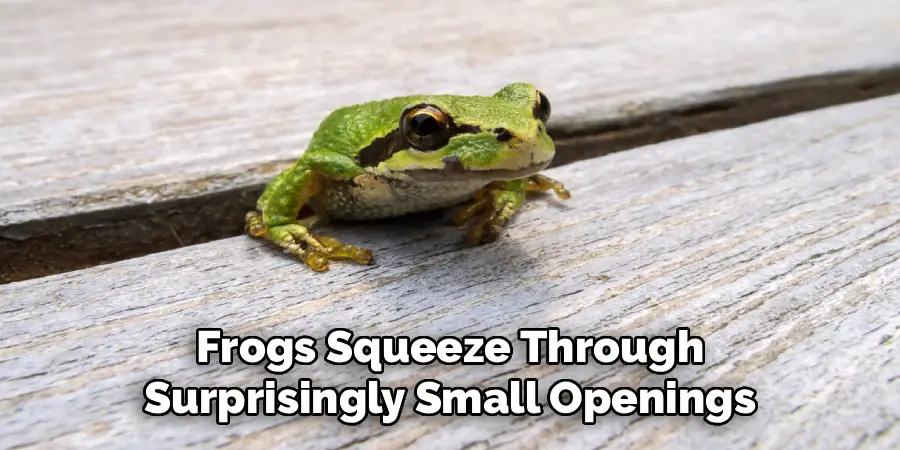
Frogs squeeze through surprisingly small openings to reach the sheltered, shady spots they prefer. Inspect your porch closely for cracks in the foundation, gaps under doors, spaces around pipes, and openings in lattice or skirting. Each of these acts as a doorway, so sealing them is one of the most effective long-term defenses you can put in place.
Use weather stripping, caulk, or expanding foam to close small gaps, and install fine mesh screening over larger vents or crawl space openings. Door sweeps help block the narrow gap at the bottom of exterior doors. This part of how to keep frogs away from my porch takes a little effort upfront, but once those entry points are sealed, frogs simply cannot get in to begin with.
Step 6: Create A Less Inviting Landscape
The area surrounding your porch plays a big role in whether frogs decide to stay. Tall grass, dense ground cover, and moisture-loving plants give frogs both food and cover. Keep your lawn mowed short near the house and choose drought-tolerant plants that do not require constant watering, since dry conditions discourage frogs from settling in.
Consider adding a border of gravel or crushed stone around your porch instead of mulch, which holds moisture and attracts insects. The rough, dry surface is uncomfortable for frogs to cross and stays far less humid. Pairing smart landscaping with the other steps creates an environment that frogs find unwelcoming, encouraging them to relocate to wetter, wilder areas away from your home.
Step 7: Maintain A Consistent Routine
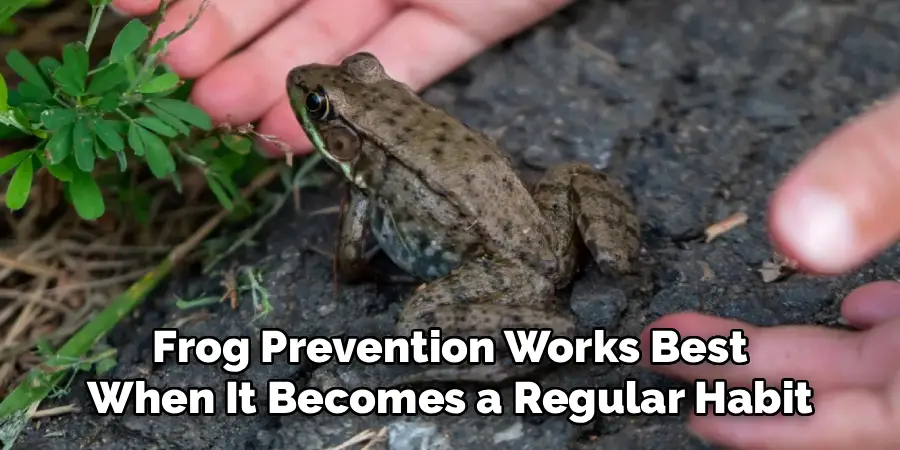
Frog prevention works best when it becomes a regular habit rather than a one-time effort. Frogs are persistent, and if conditions become inviting again, they will happily return. Set a simple weekly schedule to check for standing water, sweep away debris, and reapply natural repellents as needed, especially during warm, rainy stretches when frog activity peaks.
Keep an eye on your outdoor lighting and reseal any new gaps that appear over time. A quick five-minute walk around your porch each week helps you catch small problems before they grow. Staying consistent reinforces all your earlier efforts and keeps your space frog-free for the long haul. With steady upkeep, you will enjoy a cleaner, quieter, and far more pleasant porch all season long.
Frequently Asked Questions
What Smells Do Frogs Hate The Most?
Frogs strongly dislike sharp, acidic, and strong-smelling substances. Vinegar, coffee grounds, citric acid, and certain essential oils like lemongrass or peppermint all work as gentle deterrents. These scents irritate their sensitive skin without causing harm, encouraging them to move elsewhere. Spray or sprinkle these around your porch edges and reapply after rain for the best, longest-lasting results.
Are Frogs On My Porch Dangerous?
Most porch frogs are harmless, but a few concerns are worth knowing. Some species secrete toxins that can sicken pets who bite or lick them. Frogs also attract snakes, which follow their food source closer to your home. Their droppings create slippery, unsanitary spots near doorways too. Removing frogs reduces these risks and keeps your porch safer for everyone in the household.
Will Removing Water Really Stop Frogs?
Yes, eliminating standing water is one of the most powerful steps you can take. Frogs depend on moisture to survive, drink, and breed, so removing puddles, emptying pet bowls, and fixing drainage problems makes your porch far less attractive. While it may not solve everything alone, combining water removal with other methods dramatically reduces how often frogs visit your space.
Do Ultrasonic Repellents Work On Frogs?
Results with ultrasonic devices are mixed, and evidence supporting them is limited. Some homeowners report fewer frogs after using them, while others notice little change. These devices may offer mild help as part of a broader plan, but they should not be your only strategy. Pairing them with proven steps like reducing water, light, and shelter delivers far more reliable results.
How Long Until I See Results?
Many homeowners notice fewer frogs within a few nights of adjusting lighting and removing water sources. Full results usually take one to two weeks of consistent effort, since frogs need time to seek new territory. Stay patient and keep up your routine, especially during humid weather. The more steps you combine, the faster and more lasting your improvement will be.
Conclusion
Reclaiming your porch from noisy, messy frogs is completely achievable with a little knowledge and steady effort. The key takeaways are simple. Reduce the things frogs love most, including bright lights, standing water, and shady hiding spots, then add gentle natural repellents and seal off entry points. A consistent weekly routine ties everything together and keeps frogs from creeping back.
Now that you understand how to keep frogs away from my porch, you have a clear, beginner-friendly plan you can start using tonight. Begin with one or two easy steps, like switching your bulbs or emptying standing water, then build from there. Each small change adds up to a cleaner, quieter, and safer outdoor space. Grab your supplies, walk your porch, and put these tips to work. Your frog-free evenings are well within reach.

About
Outdoor Fixes is a distinguished figure in the world of Diy design, with a decade of expertise creating innovative and sustainable Diy solutions.
His professional focus lies in merging traditional craftsmanship with modern manufacturing techniques,
fostering designs that are both practical and environmentally conscious. As the author of diy,
outdoorfixes delves into the art and science of outdoorfixes-making, inspiring artisans and industry professionals alike.
Education RMIT University
(Melbourne, Australia) Associate Degree in Design (Outdoor Fixes) Focus on sustainable design, industry-driven projects,
and practical craftsmanship. Gained hands-on experience with traditional and digital manufacturing tools, such as CAD and CNC software.
Nottingham Trent University
(United Kingdom) Bachelor’s in outdoorfixes.com and Product Design (Honors) Specialized in product design with a focus on blending creativity with production
techniques. Participated in industry projects, working with companies like John Lewis and Vitsoe to gain real-world insights.
Publications and Impact
In diy, Outdoor Fixes his insights on indoor design processes, materials, and strategies for efficient production.
His writing bridges the gap between artisan knowledge and modern industry needs, making it a must-read for both budding designers and seasoned professionals.