
You raked the soil smooth, scattered the seed, and now you’re standing there looking at a patch of bare dirt. A little anxious, maybe. Wondering if anything will actually come up.
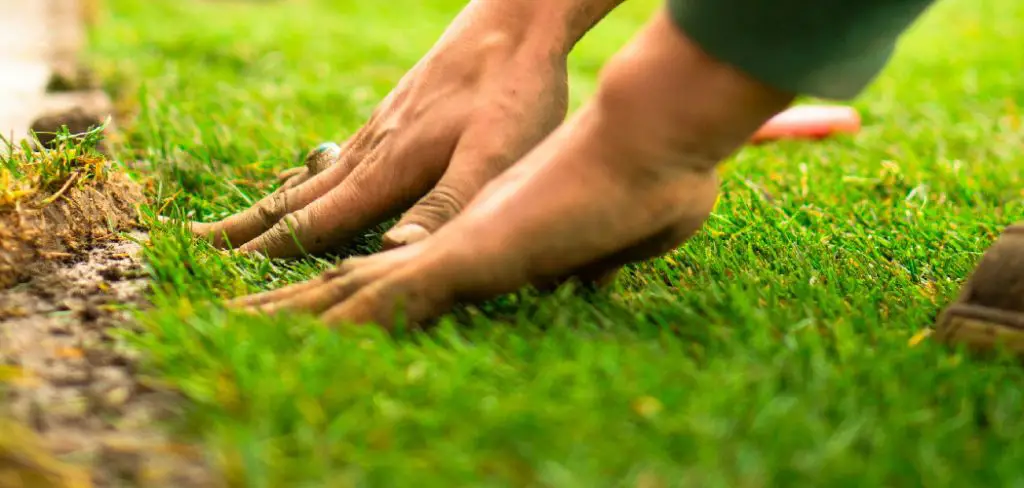
It will. But those first few weeks are where most of the work happens, and where most people quietly go wrong.
Learning how to care for newly seeded lawn comes down to a handful of habits done consistently. Water at the right times, resist the urge to mow too soon, and protect the ground while it’s vulnerable. This guide walks you through all of it, from that first watering through full establishment, with the missteps worth dodging along the way.
Why the First Few Weeks Matter So Much
Before we get into routines, it’s worth understanding why this early window carries so much weight. A new lawn is at its most fragile right now, and small choices echo for months.
The Delicate Stage of Germination
A seed sprouting is a surprisingly fragile thing. The tiny shoot pushing toward the surface has almost no reserves, and a single dry spell can finish it before it ever greens up.
That vulnerability is the whole point of careful early care. Get this stretch wrong, and no amount of later effort fully fixes it.
How Roots Establish Below the Surface
While you’re watching the blades above, the real story unfolds underground. Proper care during these weeks coaxes roots to grow deep and strong.
Deep roots build a resilient lawn. They’re what let mature grass shrug off heat, drought, and wear down the road.
Setting the Stage for Lasting Health
The habits you form now tend to define the lawn for years. Thick or thin, green or patchy, weed-prone or weed-resistant, much of it traces back to these opening weeks.
So this isn’t fussing for its own sake. You’re laying a foundation, and a solid one pays off long after the seed has sprouted.
Understanding Your Grass and Germination Timeline
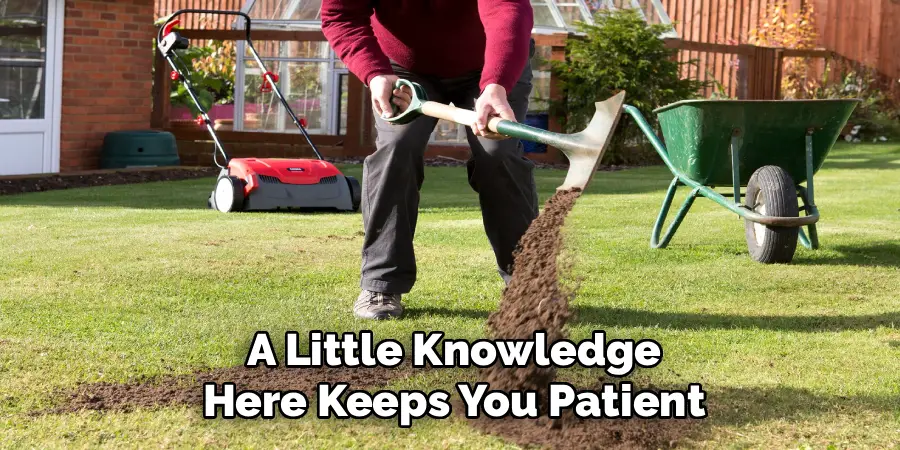
A little knowledge here keeps you patient. New lawns rarely sprout on the schedule we imagine, and worrying too soon leads to overwatering and meddling.
Knowing Your Grass Type
Grasses fall broadly into two camps, and they behave differently. Cool-season types prefer milder weather and sprout best in spring or fall, while warm-season grasses come alive in summer heat.
Knowing which you planted shapes your expectations. A cool-season seed sown in cooling autumn weather follows a different clock than a warm-season one started in July.
Typical Germination Timeframes
Patience is genuinely part of the job here. Some seeds push up in a matter of days, while others take two or three weeks to show themselves.
So bare soil after a week isn’t a failure. It may simply mean your particular grass takes its time, and rushing to reseed often does more harm than good.
Reading the Signs of Healthy Growth
A few clues tell you things are on track. Early sprouts appearing, coverage filling in fairly evenly, and a steady deepening of green across the patch.
Watch for that gradual progress rather than overnight transformation. A new lawn comes in like a slow tide, not a flipped switch.
Watering Your Newly Seeded Lawn Correctly
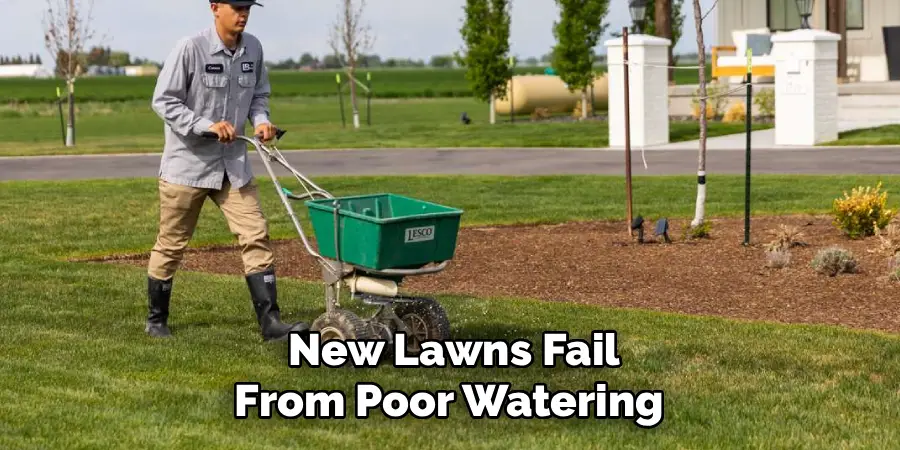
If there’s one thing to get right, it’s watering. More new lawns fail from poor watering than from anything else, so this section earns extra attention.
Keeping the Soil Consistently Moist
During germination, the top layer of soil needs to stay damp. Not soggy, not flooded, just consistently moist enough that the seeds never dry out.
Think of it as a balance. Too dry and the sprouts die; too wet and the seeds rot or wash away. Damp and steady is the target.
How Often and How Long to Water
Early on, light and frequent wins. Short watering sessions a couple of times a day keep that top layer moist without drowning anything.
As the grass establishes, the rhythm shifts. You’ll move toward deeper, less frequent watering, which trains roots to chase moisture downward instead of lounging near the surface.
Best Times of Day to Water
Morning is your friend. Watering early lets the grass drink before the day heats up, and the surface dries enough by evening to discourage disease.
Avoid midday, when much of the water simply evaporates. And steer clear of late evening, since soil that stays wet overnight invites fungal trouble.
Avoiding Runoff and Pooling
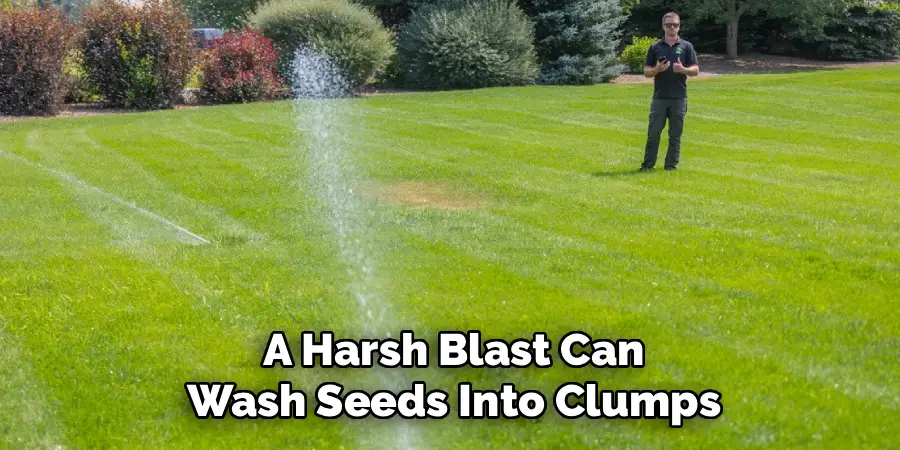
Gentle is the rule. A harsh blast can wash seeds into clumps or carry them off entirely, leaving you with bare streaks and crowded patches.
Watch for water pooling in low spots, too. Seeds sitting in a puddle tend to drown, so aim for a soft, even application that the soil can actually absorb.
How to Care for Newly Seeded Lawn: Step-by-Step Guide
This is the part you came for. Work through these steps in order, give the early ones their full patience, and you’ll watch bare soil turn into a proper lawn. I’ve laid it out as though I were walking the yard beside you.
Step 1: Protect the Seeded Area Right Away
The moment the seed is down, guard it. Keep foot traffic off, shoo away pets, and use light markers or temporary fencing if people tend to cut across.
A few trampled steps can crush sprouts and compact the soil. This early protection costs you almost nothing and spares you patchy spots later.
Step 2: Set Up a Consistent Watering Routine
Establish your light, frequent watering schedule and stick to it. The goal is keeping that top layer of soil moist throughout the day.
Adjust to the weather, though. A hot, windy afternoon dries the surface faster, so you may need an extra pass, while a cool, damp stretch calls for less.
Step 3: Monitor Germination and Coverage
Check the patch daily, looking for those first sprouts and noting any areas lagging behind. Bare or thin spots show up early if you’re paying attention.
Catching gaps now lets you act fast. A little overseeding in the sparse areas, before everything matures, keeps the final lawn even.
Step 4: Reduce Watering as Grass Establishes
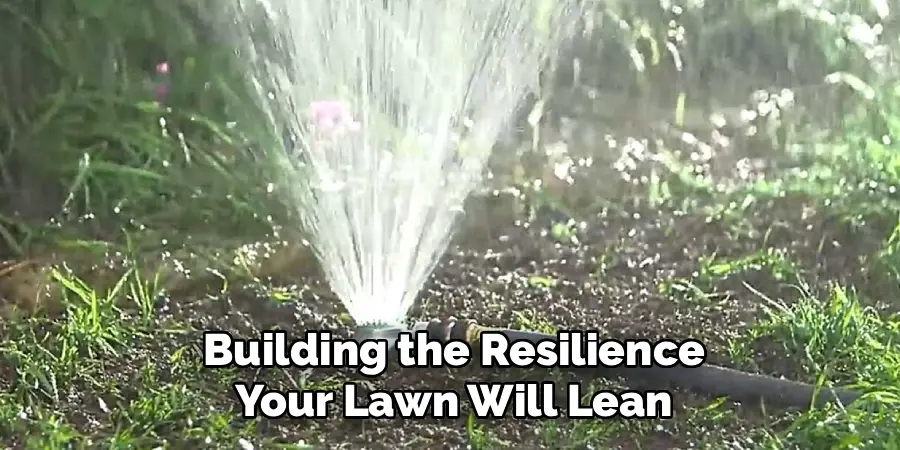
Once the sprouts reach a steady, established height, start tapering off. Shift from frequent shallow watering toward deeper, less frequent sessions.
This change does real work below ground. Deeper watering pulls the roots downward, building the resilience your lawn will lean on for years.
Step 5: Mow for the First Time at the Right Height
Wait until the grass reaches the recommended mowing height before you touch it with a mower. Then cut only the top third, using a sharp blade.
Patience here protects young plants. A premature or aggressive first cut stresses the seedlings and can tear them right out of the soft soil.
Step 6: Apply a Starter Fertilizer
Feed the young lawn with a fertilizer made for new grass, following the label rates closely. This nourishes growth without overwhelming tender roots.
Restraint matters as much as the feeding itself. Too much fertilizer can scorch delicate blades, so resist the temptation to give it “a little extra.”
Step 7: Address Thin Spots and Weeds
Now tend to the imperfections. Gently overseed any bare patches, and pull weeds by hand rather than reaching for chemicals.
Young turf can’t yet handle most weed killers. Hand removal clears the intruders without harming the fragile grass coming up around them.
Step 8: Transition to a Regular Lawn Care Routine
As the lawn fills in and matures, ease into normal maintenance. Gradually move toward standard watering, mowing, and feeding schedules.
Don’t flip everything at once, though. A smooth transition lets the lawn settle into adulthood without the shock of sudden change.
Mowing Your New Lawn for the First Time
That first cut makes people nervous, and understandably so. Done well, it actually encourages thicker growth, so let’s take the worry out of it.
Knowing When the Grass Is Ready
Resist the urge to mow early. The grass needs to reach a healthy height first, tall enough that the seedlings have the strength to survive a trim.
A good rule is to let it grow a bit beyond your intended mowing height before that first pass. Strong, established blades handle the cut far better than spindly young ones.
Setting the Correct Mowing Height
Never take off more than the top third in a single mow. Cutting too short stresses the plant and exposes the soil, undoing your hard work.
Higher cuts protect the roots and encourage density. The grass responds by thickening up, which is exactly what you want from a new lawn.
Using Sharp Blades and Light Equipment
A sharp mower blade matters more than usual right now. Dull blades tear and bruise tender grass rather than slicing it cleanly.
Go light on the equipment, too. A heavy mower can rut and compact the still-soft soil, so a lighter machine treads more kindly over fresh turf.
Feeding and Fertilizing Young Grass
The right nutrition fuels strong early growth. The trick is feeding enough to help without tipping into harm.
Choosing the Right Starter Fertilizer
Reach for a starter fertilizer formulated for new lawns, typically one higher in phosphorus. That nutrient supports the root development your young grass desperately needs.
Read the label rather than guessing. A product made for establishment gives the seedlings what they’re after at this particular stage.
Timing Your First and Second Feedings
Space your feedings thoughtfully. An initial application around seeding gets things going, with a follow-up several weeks later as the lawn matures.
Steady, well-timed nutrition beats a single heavy dose. The grass gets a consistent supply as it grows, rather than a feast followed by a famine.
Avoiding Fertilizer Burn
Overfeeding is a genuine risk with young grass. Too much product, or uneven application, can burn the delicate blades and leave scorched patches.
Stick to the recommended rates and spread it evenly. When in doubt, a little less is safer than a little more at this fragile age.
Managing Weeds Without Harming New Grass
Weeds love freshly turned soil as much as your grass does. Clearing them without damaging the seedlings calls for a gentle, patient approach.
Why Most Weed Killers Are Off-Limits Early
This catches people off guard. Many common herbicides can damage or outright kill young grass that hasn’t established yet.
So the products you’d reach for on a mature lawn are mostly off the table here. Using them too soon can wipe out the very lawn you’re nurturing.
Hand-Pulling and Spot Removal
For now, your hands are the safest tool. Carefully pulling weeds, root and all, clears them without disturbing the seedlings nearby.
Work gently around the new grass. A slow, deliberate hand keeps you from yanking up sprouts along with the weeds.
When It Is Safe to Treat Weeds
Patience pays off again. Once the lawn is well established, usually after several mowings, it can tolerate weed control far better.
Wait until then for any herbicide. A mature lawn handles treatment safely and effectively, while a young one simply can’t.
Common Mistakes to Avoid
A few errors derail new lawns again and again. Knowing them ahead of time saves you the disappointment of starting over.
Letting the Soil Dry Out
This is the big one. Even a single dry spell during germination can kill emerging seedlings before they ever take hold.
Consistency is everything here. Skipping a watering on a hot day can undo a week of progress, so stay on top of that moisture.
Mowing Too Soon or Too Short
Eagerness to mow does real damage. Cutting before the grass is ready, or scalping it too short, stresses and uproots the young plants.
Hold off until the height is right. Those extra days of patience protect the work you’ve already done.
Walking on the New Lawn Too Early
Foot traffic seems harmless, but it isn’t. Walking across fresh seed compacts the soil and crushes tender sprouts before they can establish.
Keep everyone off it for a while. The lawn needs time undisturbed to find its footing, quite literally.
How to Keep Your Established Lawn Thriving
Once your lawn has matured, the care shifts from delicate to durable. A few steady habits keep it thick and green for the long haul.
Building a Smart Watering Rhythm
Mature grass prefers deep, infrequent watering. Soaking the soil thoroughly but less often drives roots downward and builds drought resilience.
This rhythm suits an established lawn perfectly. It conserves water while keeping the grass tough enough to handle dry stretches.
Mowing and Feeding on Schedule
Consistency carries the lawn forward. Mowing at a sensible height and feeding with the seasons maintains that healthy, dense growth.
Keep the blade sharp and the schedule regular. A lawn cared for steadily looks far better than one tended in frantic bursts.
Catching Problems Early
A little vigilance prevents big headaches. Regular checks for thin spots, creeping weeds, or signs of pests let you act before issues spread.
Small problems are easy to fix; neglected ones aren’t. A quick walk across the yard now and then keeps everything on track.
When to Call a Lawn Care Professional
Sometimes the smart move is bringing in help, and there’s no shame in it. Knowing when to call appears far wiser than struggling alone.
Signs Your Lawn Needs Expert Help
A few symptoms point past ordinary care. Stubborn bare patches that won’t fill, persistent disease, or seed that simply refuses to germinate may suggest a deeper issue.
When repeated effort yields nothing, an expert eye helps. A professional can diagnose soil, pest, or drainage problems you might never spot.
Choosing a Trusted Lawn Service
Look for a service with real experience in seeding, repair, and ongoing care. A good one will explain what’s wrong before they touch your yard.
Ask about their approach and any guarantees. Trustworthy professionals tend to welcome the questions rather than rush past them.
Final Thoughts
Learning how to care for newly seeded lawn really comes down to patience and consistency in those crucial early weeks. Keep the soil moist, protect the fragile ground, and resist the urge to mow or fertilize too soon.
That’s most of the work, honestly. The rest is simply paying attention as bare dirt slowly becomes a carpet of green.
You watered with care. You held off on that first mow, fed the young grass gently, and kept the foot traffic away while it found its footing.
So trust the routine you’re building, and stay gentle through these opening weeks. The next time you seed a patch of ground, you’ll know exactly how to nurture it into a lawn that thrives for years to come.

About
Outdoor Fixes is a distinguished figure in the world of Diy design, with a decade of expertise creating innovative and sustainable Diy solutions.
His professional focus lies in merging traditional craftsmanship with modern manufacturing techniques,
fostering designs that are both practical and environmentally conscious. As the author of diy,
outdoorfixes delves into the art and science of outdoorfixes-making, inspiring artisans and industry professionals alike.
Education RMIT University
(Melbourne, Australia) Associate Degree in Design (Outdoor Fixes) Focus on sustainable design, industry-driven projects,
and practical craftsmanship. Gained hands-on experience with traditional and digital manufacturing tools, such as CAD and CNC software.
Nottingham Trent University
(United Kingdom) Bachelor’s in outdoorfixes.com and Product Design (Honors) Specialized in product design with a focus on blending creativity with production
techniques. Participated in industry projects, working with companies like John Lewis and Vitsoe to gain real-world insights.
Publications and Impact
In diy, Outdoor Fixes his insights on indoor design processes, materials, and strategies for efficient production.
His writing bridges the gap between artisan knowledge and modern industry needs, making it a must-read for both budding designers and seasoned professionals.