
Few things ruin a beautiful morning faster than stepping outside to find your grass ripped apart overnight. If you have ever wondered how do i stop raccoons from tearing up my lawn, you are not alone. These clever, masked visitors dig through turf hunting for tasty grubs, worms, and insects hiding just beneath the surface. The result is a patchwork of torn sod, scattered clumps, and frustrated homeowners.
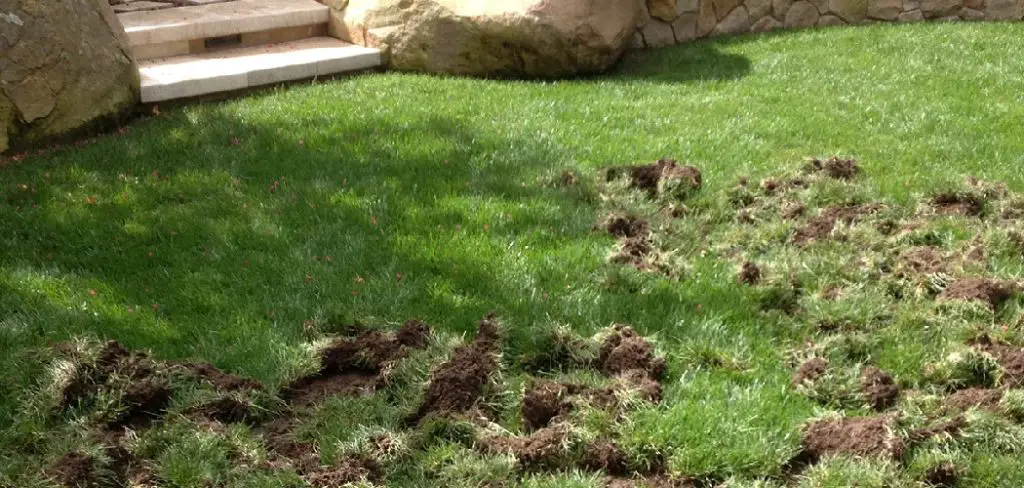
The good news is that you can take back your yard with a few smart, proven strategies. Raccoons are intelligent and persistent, but they respond to the right combination of deterrents and prevention. You do not need expensive equipment or professional training to make a real difference.
This guide breaks everything down into clear, beginner-friendly steps that work for lawns of all sizes. We will explain why raccoons target your grass, walk through a simple action plan, and answer the questions homeowners ask most. By the end, you will feel confident protecting your lawn season after season. Let us turn your damaged yard back into a healthy, green space you can be proud of again.
Why Stopping Raccoons From Tearing Up Your Lawn Matters
Protecting your lawn from raccoons goes far beyond appearances. When these animals tear through your turf, they damage the root system that keeps grass healthy and green. Left unchecked, those bare patches can invite weeds, erosion, and costly reseeding projects down the road.
There is also a safety angle to consider. Raccoons can carry diseases and parasites, and a yard that attracts them may put pets and children at risk. Acting early saves you money, time, and stress.
A protected lawn also boosts your home’s curb appeal and overall value. When you address the problem now, you create a comfortable outdoor space for relaxing, playing, and entertaining. Small, consistent efforts today prevent much bigger headaches later, making prevention well worth the effort.
Step-by-Step Guide to How Do I Stop Raccoons From Tearing Up My Lawn
Step 1: Identify The Signs Of Raccoon Activity
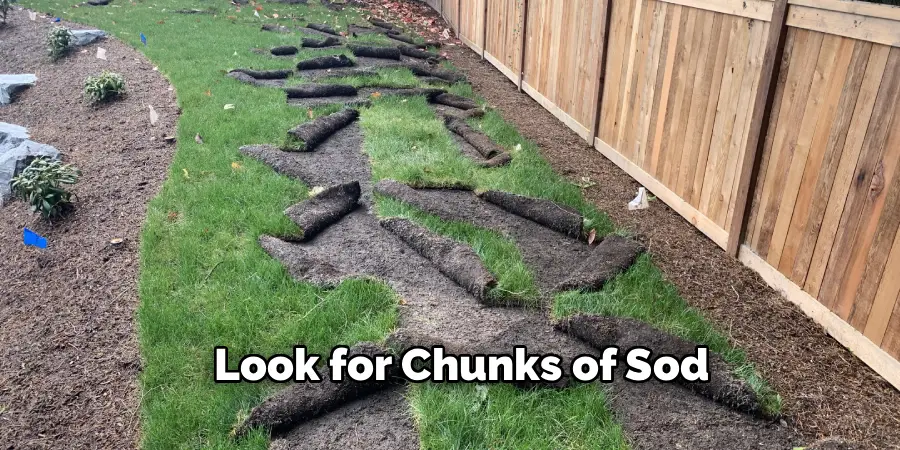
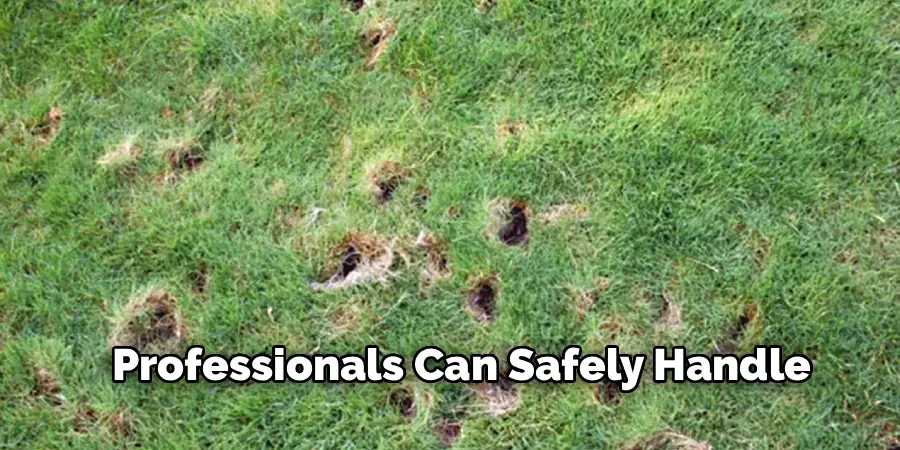
Before you can fix the problem, you need to confirm raccoons are the culprits. Look for chunks of sod flipped over like puzzle pieces, usually near garden beds or shaded areas where grubs gather. Raccoons tend to roll back the turf neatly, which sets their damage apart from other animals.
Check for five-toed paw prints in soft soil and tip-overs around trash cans or compost bins. Most activity happens at night, so a quick morning inspection often reveals fresh evidence. Knowing exactly what you are dealing with helps you choose the right deterrents. Accurate identification saves you from wasting effort on the wrong solution.
Step 2: Remove The Grubs That Attract Them
Raccoons dig up lawns mainly to feast on grubs, so cutting off their food supply is one of the most effective moves you can make. Grubs are beetle larvae that live in the soil and feed on grass roots. When their population grows, your yard becomes an irresistible buffet.
You can treat your lawn with beneficial nematodes, a natural option that targets grubs without harming your grass. Milky spore powder is another long-lasting choice for certain grub types. Apply treatments in late summer or early fall when grubs are young and feeding near the surface. Fewer grubs mean far less reason for raccoons to visit your yard.
Step 3: Lawn With Smart Deterrents
Once you reduce their food source, add deterrents that make your yard uninviting. Motion-activated sprinklers work wonderfully, surprising raccoons with a harmless burst of water that sends them scurrying. Bright motion-sensor lights also disrupt their nighttime routine, since these animals prefer dark, quiet spaces to forage undisturbed.
You can layer in scent-based repellents too. Raccoons dislike strong smells like cayenne pepper, garlic, or commercial predator urine sprinkled around problem areas. Reapply after rain for the best results. Combining several deterrents at once tends to work better than relying on just one. The goal is to make your lawn feel unpredictable and unwelcoming, encouraging raccoons to search elsewhere.
Step 4: Secure Food Sources Around Your Property
Raccoons are opportunists, and an easy meal anywhere on your property keeps them coming back. Secure your trash cans with locking lids or bungee cords so they cannot tip them over. Store pet food indoors and never leave bowls outside overnight, since the scent draws curious animals straight to your yard.
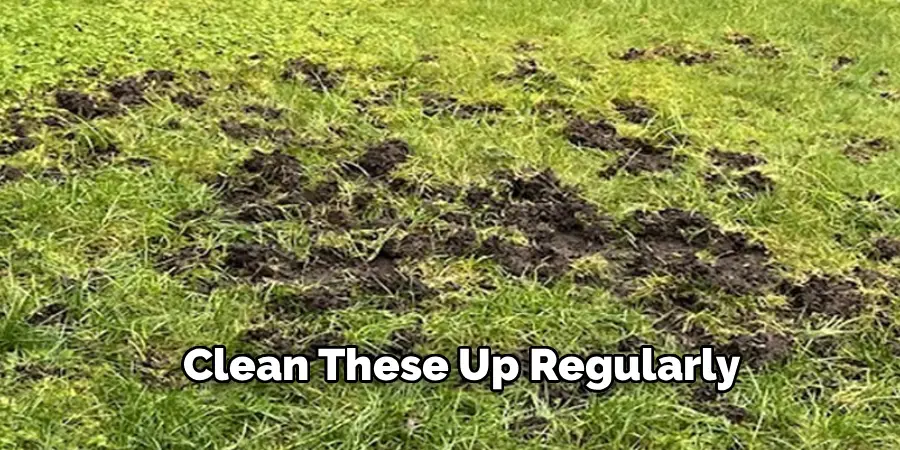
Take a walk around your home to spot hidden temptations. Fallen fruit, open compost piles, and birdseed scattered on the ground all act like dinner invitations. Clean these up regularly and seal compost in a closed bin. When you eliminate every available food source, raccoons lose their main reason to linger near your grass.
Step 5: Install Physical Barriers And Fencing
Sometimes the best defense is a solid barrier. For smaller or high-value areas like vegetable gardens and flower beds, low fencing can keep raccoons out effectively. Choose a fence at least two to three feet tall and bury the bottom several inches underground, since raccoons are skilled diggers.
Electric fencing offers an even stronger option for stubborn cases, delivering a mild, safe shock that teaches raccoons to stay away. You can also lay chicken wire flat over freshly seeded patches to protect new growth while it establishes. Barriers take a bit more effort to set up, but they provide reliable, long-term protection for the areas that matter most to you.
Step 6: Maintain A Healthy, Less Inviting Lawn
A thick, well-cared-for lawn is naturally more resistant to raccoon damage. Healthy grass with deep roots is harder to tear up, and proper maintenance keeps grub populations in check. Water deeply but less often, since soggy soil attracts the insects raccoons love to eat.
Aerate your lawn each year to improve drainage and strengthen roots. Mow at the right height for your grass type and overseed thin areas to keep the turf dense. Regular care creates an environment that simply does not appeal to digging animals. Think of a strong, lush lawn as your first line of defense, quietly working around the clock to discourage unwanted visitors.
Step 7: Tearing Up My Lawn Long-Term
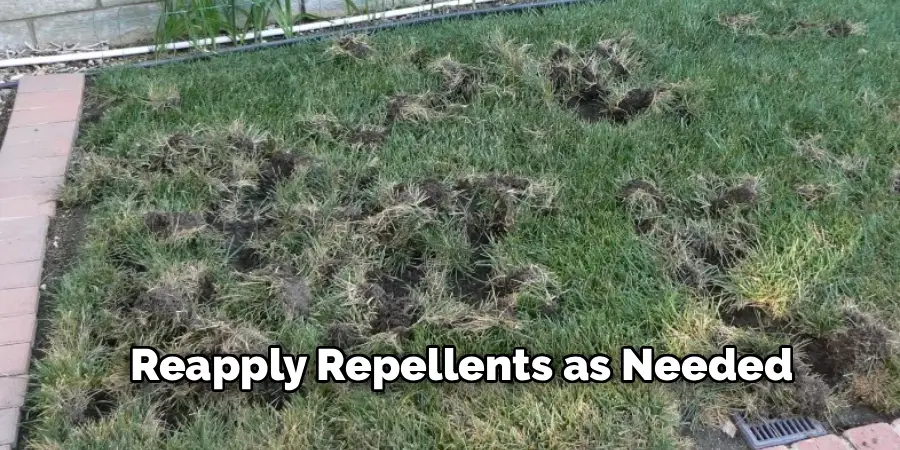
Lasting success comes from combining everything into a consistent routine. One-time fixes rarely keep determined raccoons away for good, so commit to ongoing prevention. Monitor your yard regularly, reapply repellents as needed, and stay on top of grub control each season to maintain your progress.
If raccoons keep returning despite your efforts, consider calling a licensed wildlife professional. They can safely relocate persistent animals and identify den sites you may have missed. Always check local regulations before trapping, since many areas have strict rules about handling wildlife. With patience and a layered approach, you can enjoy a healthy, raccoon-free lawn for the long haul.
Frequently Asked Questions
Why Do Raccoons Dig Up Lawns At Night?
Raccoons are nocturnal, meaning they are most active after dark. They dig up lawns at night to hunt for grubs, worms, and insects that live just below the surface. Nighttime also offers cover from predators and people, so they feel safe foraging undisturbed. Reducing grubs and adding motion-activated deterrents disrupts this routine and makes your yard far less appealing during their prime feeding hours.
Are Raccoon Repellents Safe For Pets And Children?
Most natural repellents like cayenne pepper, garlic, and predator scents are safe when used as directed. Always read product labels carefully and keep applications away from areas where pets or kids play directly. Motion-activated sprinklers and lights are completely harmless options. If you choose commercial products, look for pet-friendly formulas and store all containers safely out of reach to avoid any accidental exposure.
How Long Does It Take To See Results?
Results vary depending on the methods you use and how persistent the raccoons are. Deterrents like sprinklers and lights often work within a few nights. Grub treatments take longer, usually two to four weeks, since they target the underlying food source. Combining several strategies speeds things up. Consistency matters most, so keep applying your chosen methods until raccoon activity fully stops.
Do Store-Bought Grub Killers Work Better Than Natural Options?
Both can work well, but they suit different needs. Chemical grub killers act fast and cover large areas quickly, though some homeowners prefer to avoid synthetic products. Natural options like beneficial nematodes and milky spore are eco-friendly and offer long-lasting control. Your best choice depends on the severity of the infestation and your comfort level. Many people find a combined approach delivers the most reliable, lasting results.
When Should I Call A Professional?
Call a licensed wildlife expert when raccoons keep returning despite your best efforts, or if you suspect a den on your property. Professionals can safely handle persistent animals, locate hidden nesting sites, and advise on humane removal. This is especially important if you notice signs of disease or aggressive behavior. Always check local wildlife laws first, since trapping and relocation rules vary by area.
Conclusion
Reclaiming your yard from these determined diggers is absolutely within your reach. By removing grubs, securing food sources, adding smart deterrents, and maintaining healthy turf, you create a lawn that raccoons simply want to avoid. The key is consistency, since layering several strategies together delivers the strongest, longest-lasting protection.
Now that you know how do i stop raccoons from tearing up my lawn, it is time to put these steps into action. Start with a quick yard inspection tonight, then choose two or three methods to begin right away. Stay patient and keep at it, because small, steady efforts add up to big results. Before long, you will enjoy a lush, healthy lawn free from midnight raids, and a yard the whole family can love again.

About
Outdoor Fixes is a distinguished figure in the world of Diy design, with a decade of expertise creating innovative and sustainable Diy solutions.
His professional focus lies in merging traditional craftsmanship with modern manufacturing techniques,
fostering designs that are both practical and environmentally conscious. As the author of diy,
outdoorfixes delves into the art and science of outdoorfixes-making, inspiring artisans and industry professionals alike.
Education RMIT University
(Melbourne, Australia) Associate Degree in Design (Outdoor Fixes) Focus on sustainable design, industry-driven projects,
and practical craftsmanship. Gained hands-on experience with traditional and digital manufacturing tools, such as CAD and CNC software.
Nottingham Trent University
(United Kingdom) Bachelor’s in outdoorfixes.com and Product Design (Honors) Specialized in product design with a focus on blending creativity with production
techniques. Participated in industry projects, working with companies like John Lewis and Vitsoe to gain real-world insights.
Publications and Impact
In diy, Outdoor Fixes his insights on indoor design processes, materials, and strategies for efficient production.
His writing bridges the gap between artisan knowledge and modern industry needs, making it a must-read for both budding designers and seasoned professionals.