
Spotting webs stretched across your grass or noticing eight-legged visitors near your patio can feel unsettling, especially when you just want to enjoy your yard. Lawn spiders are common outdoor dwellers, and while many are harmless, large numbers of them can make your garden feel less welcoming. Learning how to get rid of lawn spiders gives you back control of your outdoor space without harsh measures or guesswork. The good news is that spiders usually appear because your yard offers them food, shelter, and moisture, which means you can change those conditions step by step.

This guide breaks everything down in plain language, so even if you have never tackled a pest problem before, you will feel confident. We will look at why spiders gather, the simple habits that reduce them, and the tools that actually work. You do not need to be an expert or spend a fortune. With a little consistency and the right approach, your lawn can stay green, healthy, and far less appealing to spiders. Let’s walk through it together.
Why Getting Rid of Lawn Spiders Matters
Reducing the spider population in your yard does more than ease your nerves. Spiders gather where insects thrive, so a heavy presence often signals other pest problems hiding in your grass. Tackling them helps you spot and solve those underlying issues early.
A spider-free lawn is also safer for children and pets who play outside. While most lawn spiders pose little threat, certain species can deliver painful bites, and webs around doorways can sneak indoors. Managing them protects your comfort and your home’s entry points.
There are practical perks too. A well-kept yard with fewer hiding spots looks tidier, feels more inviting for gatherings, and stays healthier overall. By acting now, you create an outdoor space you can actually relax in, season after season.
Step-by-Step Guide to How To Get Rid of Lawn Spiders
Step 1: Clear Out Clutter and Debris
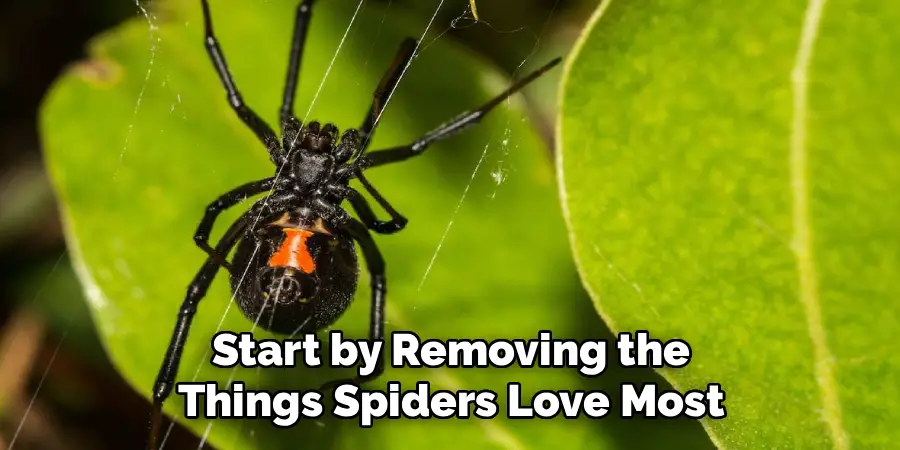
start by removing the things spiders love most, which are dark, undisturbed hiding spots. walk your yard and clear away piles of leaves, stacked firewood, loose rocks, and forgotten garden tools. spiders use these spaces to shelter and build webs away from view. by tidying these areas, you strip away their safe zones and force them to look elsewhere. keep firewood stored off the ground and away from your home’s exterior. this single habit makes a noticeable difference, since fewer hiding places mean fewer spiders settling in and breeding throughout your lawn during warmer months.
Step 2: Mow and Trim Regularly
spiders thrive in tall grass and overgrown garden beds because the dense cover protects them from predators and weather. keep your lawn mowed to a healthy height and trim back shrubs, bushes, and any plants touching your home. shorter grass exposes spiders and disrupts their web-building, making your yard far less comfortable for them. pay close attention to edges along fences, walls, and walkways where growth tends to creep up. consistent trimming not only improves how your lawn looks but also reduces the shaded, humid spots spiders rely on to hide and hunt their prey.
Step 3: Reduce the Insect Food Supply
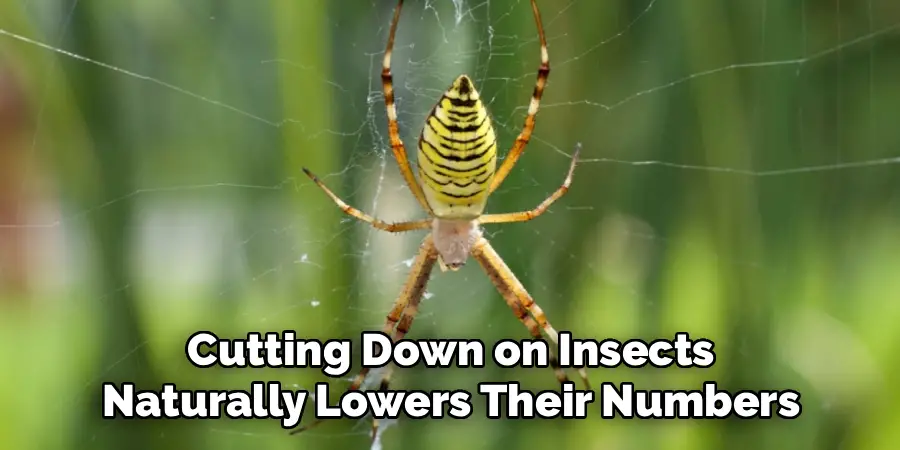
spiders go where the food is, so cutting down on insects naturally lowers their numbers. swap bright white outdoor bulbs for yellow or sodium vapor lights, which attract far fewer bugs at night. fix standing water from clogged gutters, leaky hoses, or low spots in the soil, since moisture draws insects that spiders feast on. learning how to get rid of lawn spiders often comes down to managing the smaller pests first. when the buffet disappears, spiders lose their reason to stay and slowly move on to better hunting grounds elsewhere.
Step 4: Apply Natural Repellents
if you prefer gentle solutions, several natural options work well. spiders dislike strong scents like peppermint, citrus, eucalyptus, and vinegar. mix a few drops of essential oil with water in a spray bottle and treat areas where you spot webs or activity. you can also sprinkle diatomaceous earth around garden beds and along your home’s foundation, since this fine powder damages spiders’ bodies without harming your plants. reapply after rain, because moisture washes these treatments away. natural repellents are a friendly first step, especially for households with curious pets or young children playing nearby.
Step 5: Use Targeted Treatments When Needed
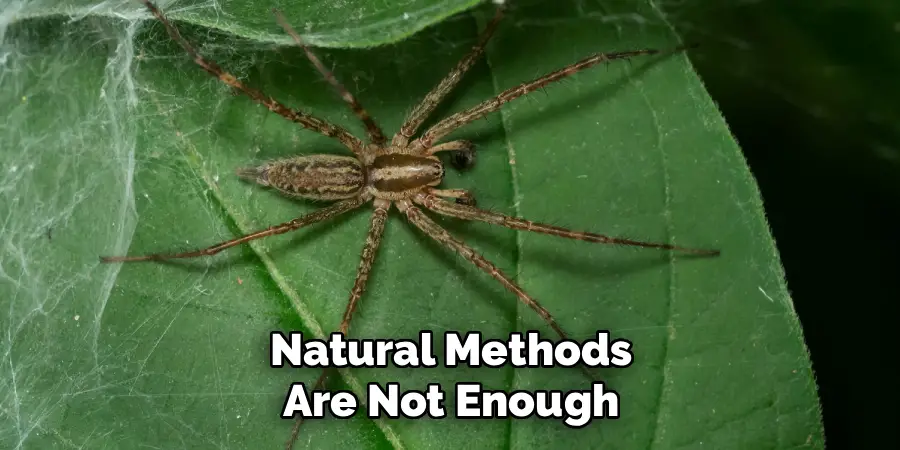
when natural methods are not enough, targeted products can help. choose a spider-specific insecticide and apply it carefully to entry points, fence lines, and known web spots rather than soaking your entire lawn. always read the label and follow the instructions for safe use around people and animals. spot treatment is more effective and far kinder to beneficial insects than blanket spraying. for stubborn infestations, granular yard treatments offer longer protection. understanding how to get rid of lawn spiders means matching the method to the severity, so you only escalate when the situation truly calls for it.
Step 6: Seal Gaps and Protect Your Home’s Edges
spiders often roam from the lawn toward your house, so blocking their path matters. inspect your foundation, window frames, door sweeps, and vents for cracks or gaps, then seal them with caulk or weatherstripping. trim any branches or vines that act as bridges from plants to your walls. a clear, defended perimeter keeps outdoor spiders from becoming indoor guests. this step also helps with other pests, giving you broader protection for very little effort. think of it as drawing a firm boundary that tells spiders your home is off limits.
Step 7: Maintain Your Lawn Year-Round
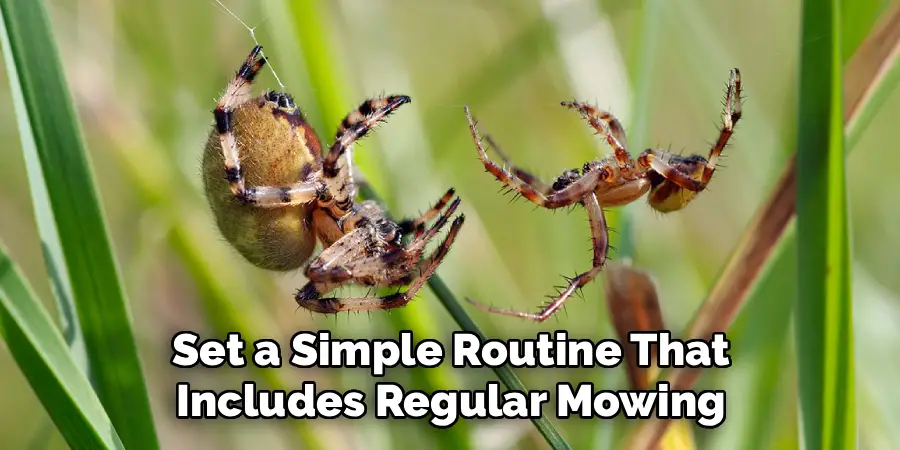
the final step is consistency, because one cleanup will not keep spiders away forever. set a simple routine that includes regular mowing, clearing debris, checking for moisture issues, and reapplying repellents as seasons change. spiders are most active in late summer and fall, so increase your efforts during those months. keep an eye out for returning webs and act quickly before small numbers grow. ongoing care turns your yard into an environment that spiders simply find unwelcoming. with steady habits, you protect all the progress you have made and enjoy lasting results.
Frequently Asked Questions
Are Lawn Spiders Dangerous to Humans or Pets?
Most lawn spiders are harmless and actually help by eating nuisance insects. However, a few species can bite if threatened, causing mild irritation or, rarely, more serious reactions. Keep an eye out for distinctive markings and supervise pets around heavy webbing. If you notice an unusual spider or a concerning bite, contact a professional or healthcare provider for guidance and peace of mind.
What Naturally Repels Spiders From My Yard?
Spiders dislike strong scents, so peppermint, eucalyptus, citrus, and vinegar work well as gentle deterrents. Diatomaceous earth sprinkled around beds and foundations also helps without harming plants. Cutting down moisture and reducing insect activity makes your yard far less appealing too. Combine a few of these methods for the best results, and remember to reapply after rain since water washes treatments away quickly.
How Often Should I Treat My Lawn for Spiders?
Treatment frequency depends on your spider activity and the season. For most yards, applying natural repellents every couple of weeks works well, while targeted products may last longer. Increase your efforts in late summer and fall when spiders are most active. Regular maintenance like mowing and clearing debris reduces how often you need treatments, so consistent habits often matter more than constant spraying throughout the year.
Why Do Spiders Keep Coming Back to My Lawn?
Spiders return when your yard still offers food, shelter, or moisture. Leftover debris, overgrown grass, bright outdoor lights, and standing water all invite them back. If you treat the symptoms without changing these conditions, the spiders simply rebuild. Focus on reducing their food supply and hiding spots, and stay consistent with maintenance. Removing the reasons they come keeps them from settling in again.
Can I Get Rid of Spiders Without Chemicals?
Yes, many people manage spiders successfully using only natural methods. Clearing clutter, mowing regularly, sealing home gaps, and using scent-based repellents like peppermint or vinegar can dramatically lower spider numbers. Diatomaceous earth offers a chemical-free barrier too. Chemicals are best saved for severe infestations, so start with these gentle steps first. With patience and consistency, a chemical-free approach often delivers excellent, lasting results for your lawn.
Conclusion
A spider-heavy yard does not have to be your reality. By clearing debris, keeping your grass trimmed, cutting off the insect food supply, and using a mix of natural and targeted treatments, you can reclaim your outdoor space with confidence. Sealing your home’s edges and committing to year-round maintenance keeps those eight-legged visitors from coming back. Each step builds on the last, so even small, steady efforts add up to big results over time.
Now that you know how to get rid of lawn spiders, you have everything you need to take action today. Start with one or two simple changes, stay consistent, and watch your yard become a healthier, more inviting place to enjoy. Your lawn, and everyone who shares it, will thank you for it.

About
Outdoor Fixes is a distinguished figure in the world of Diy design, with a decade of expertise creating innovative and sustainable Diy solutions.
His professional focus lies in merging traditional craftsmanship with modern manufacturing techniques,
fostering designs that are both practical and environmentally conscious. As the author of diy,
outdoorfixes delves into the art and science of outdoorfixes-making, inspiring artisans and industry professionals alike.
Education RMIT University
(Melbourne, Australia) Associate Degree in Design (Outdoor Fixes) Focus on sustainable design, industry-driven projects,
and practical craftsmanship. Gained hands-on experience with traditional and digital manufacturing tools, such as CAD and CNC software.
Nottingham Trent University
(United Kingdom) Bachelor’s in outdoorfixes.com and Product Design (Honors) Specialized in product design with a focus on blending creativity with production
techniques. Participated in industry projects, working with companies like John Lewis and Vitsoe to gain real-world insights.
Publications and Impact
In diy, Outdoor Fixes his insights on indoor design processes, materials, and strategies for efficient production.
His writing bridges the gap between artisan knowledge and modern industry needs, making it a must-read for both budding designers and seasoned professionals.